
Many people over 50 notice occasional heaviness, tiredness, or discomfort in their legs after standing or walking. These feelings can stem from everyday factors like reduced blood flow or inflammation. Simple dietary choices, such as incorporating certain healthy oils, may offer natural support for better circulation and overall vascular health. In this guide, we’ll explore six common kitchen oils backed by research for their potential benefits—and there’s a helpful combination tip waiting at the end to keep you reading.
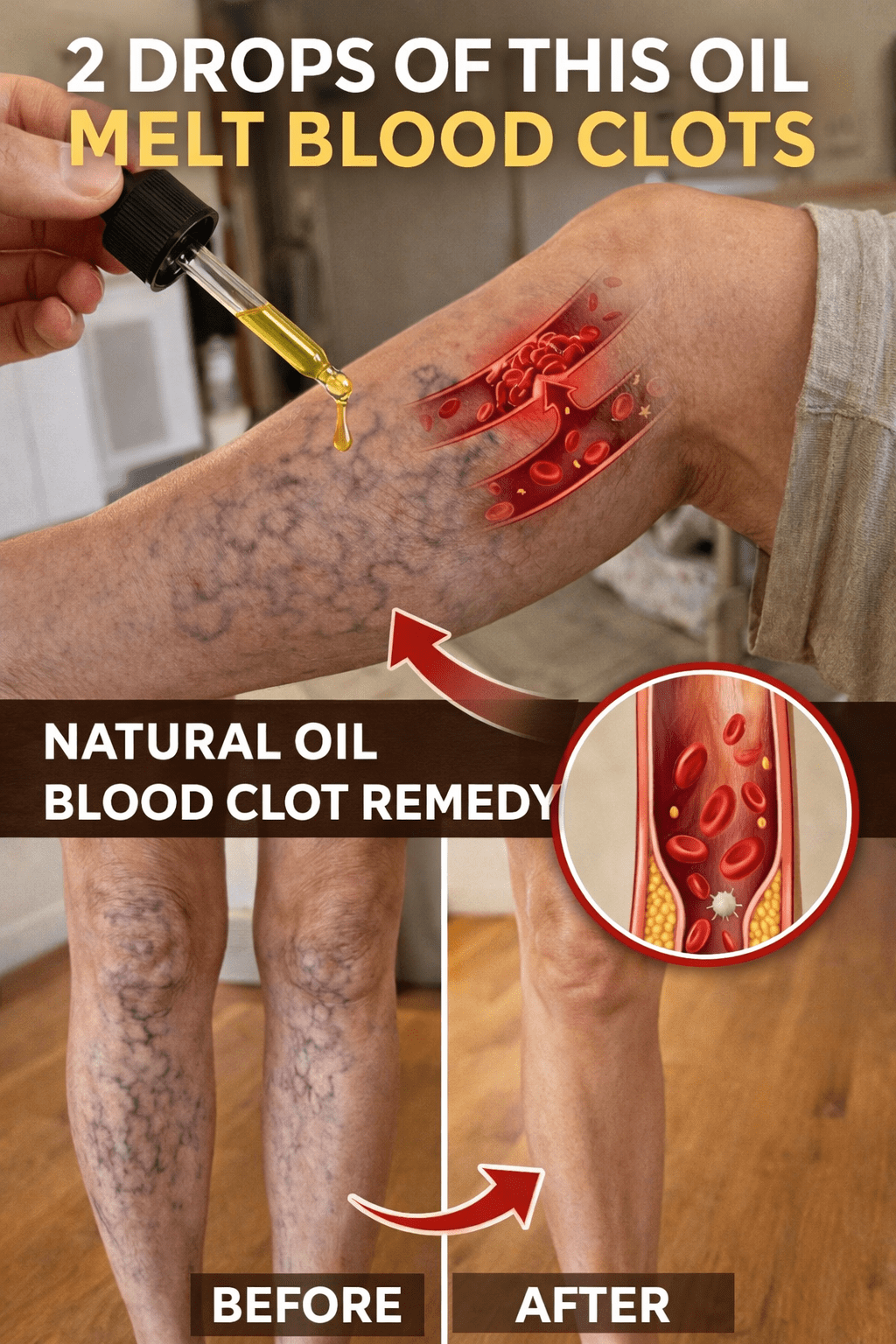
Why Leg Comfort Matters as We Age
As we get older, blood vessels naturally change, sometimes leading to slower circulation in the lower body. Studies show that many adults experience leg fatigue or occasional cramps, often linked to inflammation or oxidative stress.
The good news? Research suggests that unsaturated fats and antioxidants in certain oils can help promote healthy blood flow and reduce inflammation. These oils are affordable, easy to find, and simple to add to meals. But that’s not all—combining them thoughtfully might enhance their effects. Let’s dive into the top six.
The Top 6 Oils for Supporting Circulation
Here are six oils commonly found in kitchens, ranked based on available studies for heart health and circulation support. Start with small amounts and build from there.
Oil #6: Extra Virgin Olive Oil – A Staple for Daily Heart Support
Extra virgin olive oil is rich in monounsaturated fats and polyphenols. The landmark PREDIMED trial found that daily consumption as part of a Mediterranean diet was linked to better cardiovascular outcomes.
Drizzle 1-2 tablespoons raw on salads or veggies. Many notice improved energy with consistent use.
Oil #5: Avocado Oil – Rich in Healthy Fats for Vessel Flexibility
Avocado oil provides monounsaturated fats similar to olive oil, plus vitamin E. Animal and human studies suggest it may help manage cholesterol levels and support endothelial function.
Use it for cooking or dressings—its high smoke point makes it versatile.
Oil #4: Pumpkin Seed Oil – Known for Blood Pressure Support
Pumpkin seed oil contains unsaturated fats and antioxidants. Clinical trials, including one in postmenopausal women, showed potential benefits for blood pressure and cholesterol profiles.
Try 1-2 teaspoons in salads or smoothies.
Oil #3: Sesame Oil – An Ancient Favorite for Vascular Health
Sesame oil is packed with sesamin and other compounds. Studies in hypertensive individuals indicate it may support healthy blood pressure and endothelial function.
Incorporate it into stir-fries or as a finishing oil.
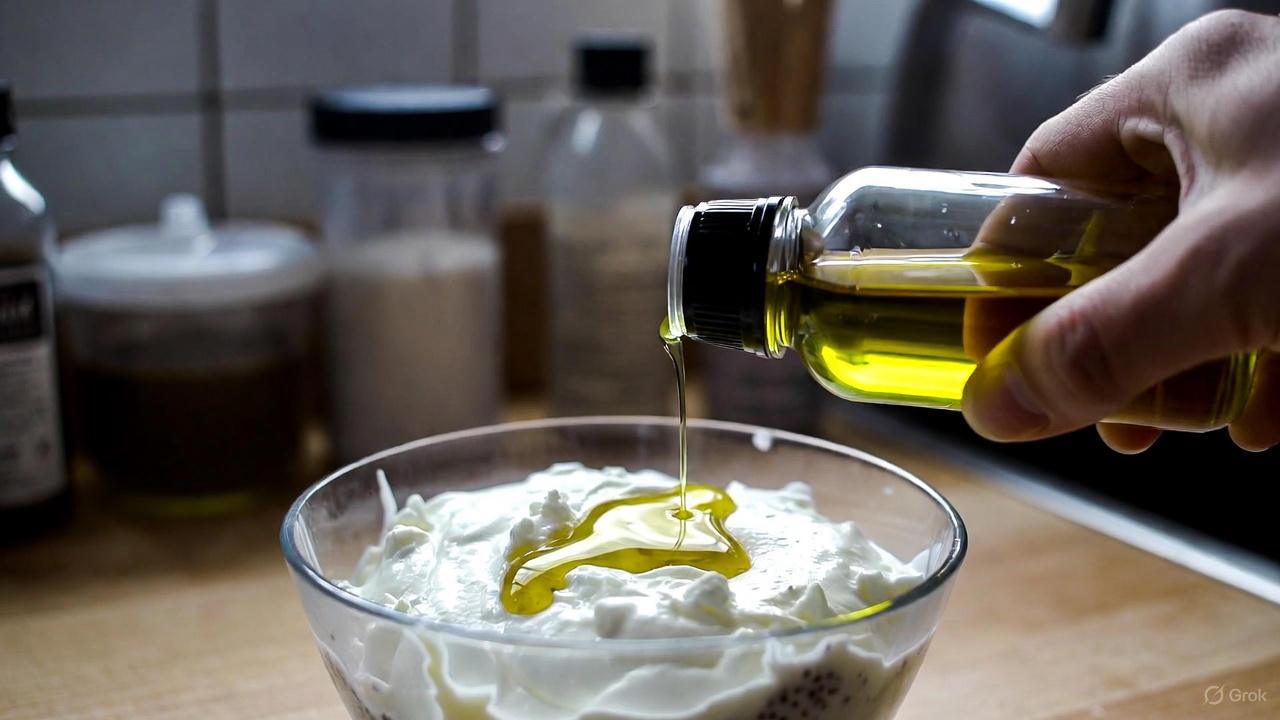
Oil #2: Almond Oil (Sweet) – Gentle Support for Cholesterol Management
Sweet almond oil offers vitamin E and monounsaturated fats. Research on almonds (and their oil) links regular intake to improved lipid profiles and endothelial health.
Warm a teaspoon in herbal tea or use in baking.
Oil #1: Flaxseed Oil (Cold-Pressed) – High in Plant-Based Omega-3s
Flaxseed oil is one of the richest sources of alpha-linolenic acid (ALA), a plant omega-3. Reviews of studies suggest ALA may support heart health, blood pressure, and reduce inflammation.
Take 1 tablespoon daily—mix into yogurt or dressings (avoid heating to preserve benefits).
Simple Ways to Incorporate These Oils
Here are easy, actionable tips to get started:
- Add extra virgin olive oil to morning eggs or evening salads.
- Use avocado or sesame oil for cooking vegetables.
- Blend pumpkin seed or flaxseed oil into smoothies.
- Drizzle almond oil over oatmeal.
| Oil | Key Nutrients | Suggested Daily Use | Research Highlight |
|---|---|---|---|
| Extra Virgin Olive Oil | Monounsaturated fats, polyphenols | 1-2 tbsp | PREDIMED trial support for heart health |
| Avocado Oil | Vitamin E, monounsaturated fats | 1 tbsp | Potential cholesterol management |
| Pumpkin Seed Oil | Unsaturated fats, antioxidants | 1-2 tsp | Blood pressure studies |
| Sesame Oil | Sesamin, lignans | 1 tbsp | Hypertension research |
| Almond Oil | Vitamin E, oleic acid | 1 tsp | Endothelial function trials |
| Flaxseed Oil | ALA omega-3 | 1 tbsp | Anti-inflammatory effects |
A Helpful Combination to Try
Research points to synergy with certain pairings. For example, mixing flaxseed oil with olive oil and a dash of lemon may boost absorption thanks to natural compounds. Always start small and monitor how you feel.
Quick Comparison: Oils vs. Common Supplements
| Option | Cost (Monthly Estimate) | Evidence from Studies | Flavor Profile |
|---|---|---|---|
| Fish Oil Capsules | $20-50 | Strong for marine omega-3s | Fishy |
| These Kitchen Oils | $10-20 | Growing for plant-based fats | Versatile, delicious |
| Statins (if prescribed) | Varies | Strong clinical data | N/A |

Final Thoughts
Adding these nutrient-rich oils to your routine is a simple step toward supporting circulation and leg comfort. Many find that consistent use, paired with walking and a balanced diet, makes a noticeable difference.
Frequently Asked Questions
1. How soon might I notice benefits from these oils?
Individual results vary, but studies often show changes in markers after 4-12 weeks of regular use.
2. Can I use these oils if I’m on medication?
Yes, but consult your doctor first, especially if taking blood thinners or cholesterol meds.
3. Are there any side effects?
These oils are generally well-tolerated in food amounts, but overconsumption may cause digestive upset.
Disclaimer: This information is for educational purposes only and is not medical advice. Always consult your healthcare provider before making dietary changes, especially if you have health conditions or take medications.


