
Maintaining balanced blood pressure is a common concern for many, as it impacts energy levels, heart health, and overall quality of life. The daily stress of monitoring numbers and dealing with potential complications can feel exhausting and frustrating. Yet, simple lifestyle adjustments, like adding herbal teas to your habits, might provide gentle, natural support to complement your routine. But here’s the intriguing part: one lesser-known tea in this list could surprise you with its traditional uses—keep reading to uncover it at the end.

Understanding Blood Pressure and the Role of Herbal Teas
Blood pressure refers to the force of blood pushing against artery walls as your heart pumps. When it’s consistently elevated, it may strain the cardiovascular system over time. While medical guidance is essential, incorporating natural options like herbal teas can be a supportive step.
Research suggests that certain plant-based compounds in teas, such as antioxidants and polyphenols, may contribute to vascular relaxation and better circulation. These elements work by potentially reducing inflammation and promoting heart health without harsh effects.
But that’s not all—teas offer hydration, which is key for bodily functions, and their calming rituals can help manage stress, a known factor in blood pressure fluctuations. Now, let’s explore how to choose and prepare them effectively.
The Top 8 Herbal Teas for Blood Pressure Support
Here, we’ll dive into eight options backed by studies, focusing on their unique properties. Each can be enjoyed hot or iced, fitting seamlessly into your day.
1. Hibiscus Tea
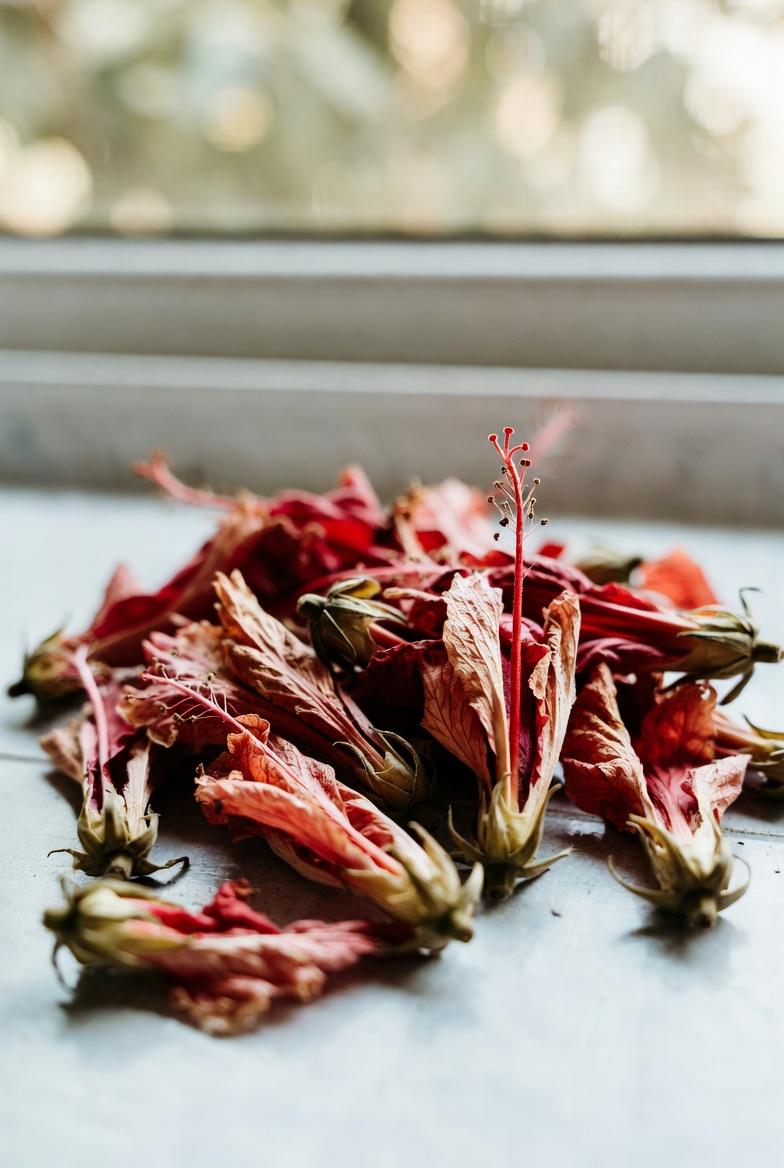
Hibiscus tea, made from the vibrant petals of the Hibiscus sabdariffa plant, boasts a tart, cranberry-like flavor that’s refreshing and caffeine-free.
Studies indicate that its anthocyanins and polyphenols may help relax blood vessels, supporting balanced pressure levels. One review found consistent links to modest improvements in cardiovascular markers.
To prepare: Steep 1-2 teaspoons of dried hibiscus flowers in hot water for 5-10 minutes. Add a touch of honey for sweetness if desired.
2. Green Tea
Green tea comes from unoxidized Camellia sinensis leaves, offering a mild, grassy taste with moderate caffeine.
Its catechins, especially EGCG, are associated with anti-inflammatory effects that may aid in keeping blood vessels flexible. Research shows regular consumption could link to better heart health outcomes.
Brew it by pouring hot (not boiling) water over a tea bag or loose leaves, steeping for 2-3 minutes to avoid bitterness.
3. Chamomile Tea
This gentle, floral tea from daisy-like flowers is renowned for its soothing qualities and lack of caffeine.
Evidence points to its apigenin content potentially promoting relaxation and supporting healthy circulation. It’s often used to ease stress, which indirectly benefits blood pressure.
Simple preparation: Infuse a teaspoon of dried chamomile in boiling water for 5 minutes, perfect for evenings.
4. Black Tea
Fully oxidized from the same plant as green tea, black tea has a robust flavor and higher caffeine content.
Polyphenols in black tea may help with vascular function, as per meta-analyses showing associations with pressure management. It also contains theaflavins that support antioxidant activity.
Steep for 3-5 minutes in boiling water; add milk or lemon to enhance taste.
5. Oolong Tea
Partially oxidized, oolong offers a spectrum from floral to toasty notes with moderate caffeine.
Its unique processing preserves compounds that research links to improved metabolic health and potential blood flow support.
For brewing: Use hot water and steep for 3-4 minutes, reusing leaves for multiple infusions.
6. Hawthorn Berry Tea
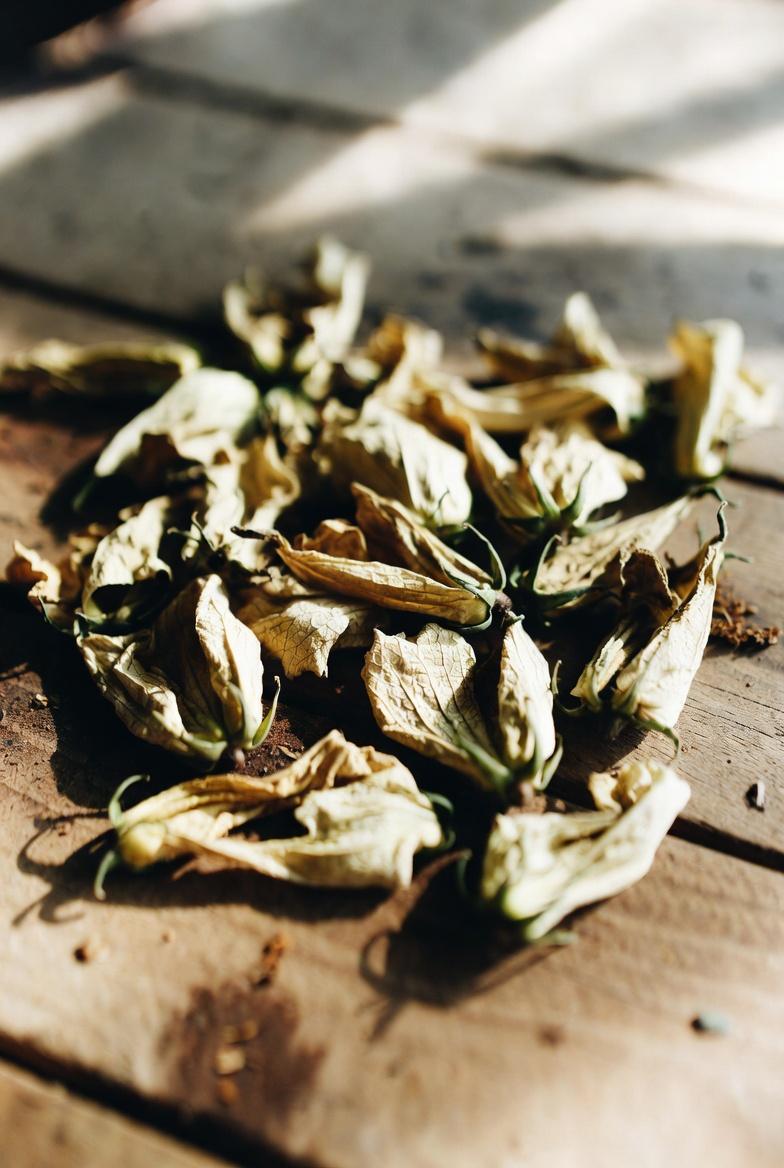
Derived from the berries of the hawthorn shrub, this tea has a mildly sweet, tangy profile and is caffeine-free.
Traditional uses and studies suggest its flavonoids may aid heart function and vessel dilation.
Prepare by simmering 1 teaspoon of dried berries in water for 10-15 minutes for a stronger infusion.
7. Olive Leaf Tea
Made from the leaves of olive trees, it has a subtle, earthy taste without caffeine.
Reviews highlight oleuropein, which may contribute to pressure regulation through antioxidant effects.
Steep dried leaves in hot water for 5-7 minutes; it’s versatile for blending with other herbs.
8. Garlic Tea
Though unconventional, garlic tea uses fresh or dried cloves for a pungent, savory brew—caffeine-free and bold.
Allicin in garlic is tied to vascular health in research, potentially helping with relaxation of arteries. This is the surprising one doctors might overlook in casual chats.
To make: Crush a clove, steep in hot water for 5 minutes, and strain; add ginger to mellow the flavor.
But wait, how do these compare? Let’s break it down.
Comparing the 8 Herbal Teas: A Quick Overview
| Tea Type | Flavor Profile | Caffeine Level | Key Compounds | Preparation Time |
|---|---|---|---|---|
| Hibiscus | Tart, fruity | None | Anthocyanins | 5-10 min |
| Green | Grassy, mild | Moderate | Catechins (EGCG) | 2-3 min |
| Chamomile | Floral, soothing | None | Apigenin | 5 min |
| Black | Robust, bold | High | Theaflavins | 3-5 min |
| Oolong | Floral to toasty | Moderate | Polyphenols | 3-4 min |
| Hawthorn Berry | Sweet, tangy | None | Flavonoids | 10-15 min |
| Olive Leaf | Earthy, subtle | None | Oleuropein | 5-7 min |
| Garlic | Pungent, savory | None | Allicin | 5 min |
This table highlights differences to help you pick based on taste and needs.
How to Incorporate Herbal Teas into Your Routine: Actionable Tips
Starting small makes it sustainable. Here’s a step-by-step guide:
- Choose your tea: Begin with one or two from the list that appeal to your palate.
- Set a schedule: Aim for 1-2 cups daily, perhaps morning and evening.
- Monitor your response: Keep a journal of how you feel after a week.
- Combine with lifestyle: Pair with balanced meals, exercise, and stress reduction.
- Consult professionals: Always discuss with your doctor before changes.
The truth is, consistency is key—research shows gradual habits yield better results.
Additionally, consider these benefits in a list for quick reference:
- Hydration boost without calories.
- Antioxidant support for overall wellness.
- Calming effects to reduce daily tension.
- Variety to prevent boredom in routines.
And here’s the interesting bit: blending teas, like hibiscus with green, can enhance flavors and compounds.
Potential Considerations and Best Practices
While generally safe, some teas may interact with medications—garlic, for instance, with blood thinners. Start slowly and observe.
Sourcing quality matters; opt for organic to avoid pesticides.
Conclusion
Exploring these 8 herbal teas—hibiscus, green, chamomile, black, oolong, hawthorn berry, olive leaf, and garlic—offers a natural way to support healthy blood pressure levels alongside professional advice. By integrating them thoughtfully, you might notice subtle improvements in your daily vitality. Remember, small sips can lead to meaningful changes.
FAQ
Can herbal teas replace medication for managing blood pressure?
No, they should complement, not replace, prescribed treatments. Always consult your healthcare provider for personalized advice.
How much herbal tea should I drink daily for potential benefits?
Studies suggest 1-3 cups per day, but individual tolerance varies. Start with one and adjust based on how you feel.
Are there any side effects from drinking these herbal teas?
Most are well-tolerated, but excessive intake might cause digestive upset or interactions. Pregnant individuals or those with conditions should seek guidance.
Disclaimer: This article is for informational purposes only and not intended as medical advice. Consult a healthcare professional before making changes to your health routine.


