Many adults experience occasional joint stiffness or discomfort as they age, especially in the knees, hips, or hands. This can make everyday activities like walking, climbing stairs, or enjoying hobbies feel more challenging. Factors such as natural wear over time, inflammation, and reduced nutrient delivery to joints play a role in these changes.
The good news? Certain fruits are packed with vitamins, antioxidants, and other compounds that research suggests may help support collagen production, ease inflammation, and promote better joint function. While no food can prevent or reverse joint issues, incorporating these into your diet could contribute to overall comfort and mobility. Keep reading to explore eight standout options—and find out which one stands out for its vitamin C content.

Why Fruits May Play a Role in Joint Comfort
Joints rely on healthy cartilage, which acts as a cushion between bones. Over time, cartilage can thin due to everyday use, and low-level inflammation may add to discomfort.
Fruits offer natural sources of vitamin C (key for collagen building), antioxidants (to protect cells), and anti-inflammatory compounds. Studies show that diets rich in these nutrients are linked to better joint function in some people.
But that’s not all—pairing these fruits with a balanced lifestyle, including gentle movement and weight management, may enhance their potential benefits. Ready to dive in?
8 Fruits Worth Considering for Joint Support
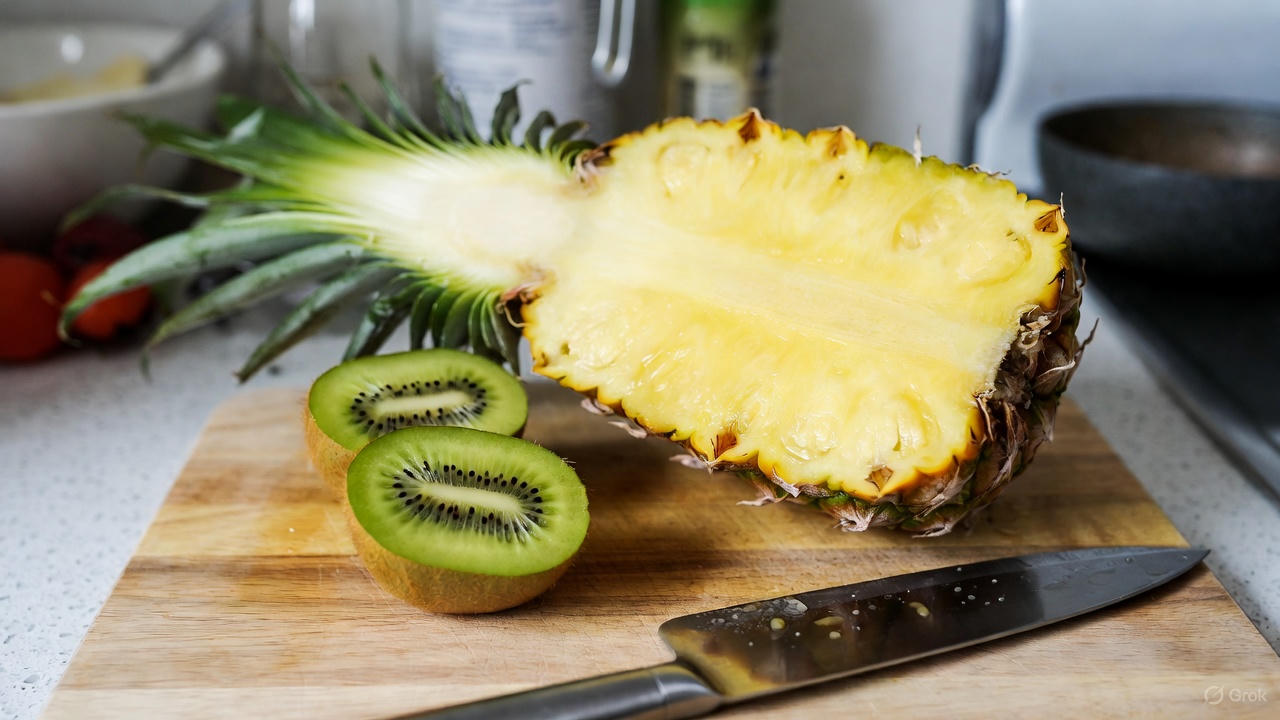
8. Kiwi
Kiwi is loaded with vitamin C—often more per serving than oranges. This nutrient supports collagen synthesis, a building block for cartilage.
Research indicates vitamin C-rich foods may help maintain joint flexibility. Enjoy 1–2 kiwis daily, skin on for extra fiber and antioxidants.
How to add it: Slice into yogurt or eat fresh.
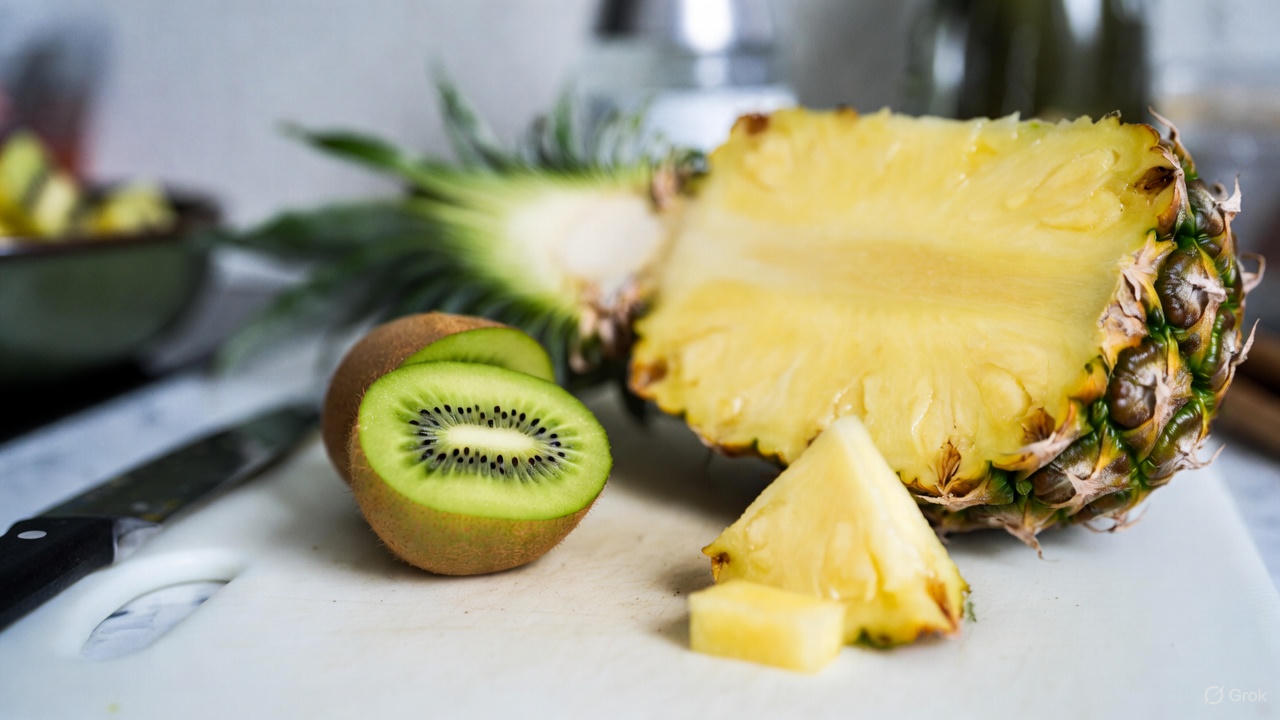
7. Pineapple
Fresh pineapple contains bromelain, an enzyme found mainly in the core.
Clinical reviews suggest bromelain may help reduce inflammation markers similar to some over-the-counter options, without common side effects.
How to add it: Include the core in smoothies—fresh is best, as heat can reduce enzyme activity.
6. Papaya
Papaya provides papain, another enzyme that aids protein breakdown.
This may support nutrient absorption for tissue repair. Pair with vitamin C sources for added synergy.
How to add it: Eat ripe slices or blend into post-meal snacks.
5. Guava
One guava can deliver several times your daily vitamin C needs, plus antioxidants.
Studies link higher vitamin C intake to better mobility in older adults.
How to add it: Eat whole (skin and seeds included) for maximum nutrients.
4. Mixed Berries (Blackberries, Raspberries)
Dark berries are rich in anthocyanins, pigments with antioxidant properties.
Research shows these compounds may help protect against oxidative stress that affects joints.
How to add it: A handful fresh or frozen daily—no added sugar needed.
3. Blueberries
Blueberries stand out for their anthocyanins, which may improve blood flow to tissues.
A clinical trial found daily blueberry intake was associated with improved mobility in participants with knee discomfort.
How to add it: Snack on a cup or add to oatmeal.
2. Strawberries
Strawberries contain ellagic acid and vitamin C.
One study in adults with knee osteoarthritis noted reduced inflammation markers after regular consumption.
How to add it: Fresh in salads or smoothies.
1. Indian Gooseberry (Amla)
Amla is exceptionally high in stable vitamin C and polyphenols.
Traditional use and lab studies suggest it supports collagen health. Available fresh, dried, or as powder.
How to add it: Mix powder into water or smoothies.
Quick Comparison: These Fruits vs. Common Approaches
| Approach | Monthly Cost Estimate | Evidence Level | Ease of Use (1-10) |
|---|---|---|---|
| These 8 Fruits | $15–30 | Emerging to Moderate | 10 |
| Vitamin C Supplements | $10–20 | Moderate | 8 |
| Over-the-Counter Aids | Varies | Variable | 7 |
Fruits provide synergistic nutrients in whole-food form.
Simple Ways to Incorporate These Fruits
- Morning boost: Blend kiwi, strawberries, and blueberries.
- Snack idea: Fresh guava or papaya slices.
- Evening treat: Pineapple chunks with berries.
- Pro tip: Aim for variety—rotate through the list weekly.
Consistency matters most. Start with 2–3 servings daily and track how you feel.
30-Day Starter Plan
| Week | Focus Fruits | Potential Feel-Good Tip |
|---|---|---|
| 1 | Kiwi + Mixed Berries | Notice morning ease? |
| 2 | Add Pineapple + Papaya | Blend for convenience |
| 3 | Include Guava + Strawberries | Eat whole for fiber |
| 4 | Add Amla + Rotate All | Track comfort changes |
Frequently Asked Questions
1. How quickly might I notice changes?
Everyone differs, but some studies show benefits within weeks of consistent intake.
2. Can these replace medications?
No—they support a healthy diet. Always consult your doctor.
3. Are there any risks?
Most are safe in moderation, but check for allergies (e.g., pineapple or latex-related).
This information is for educational purposes only and is not intended as medical advice. Consult your healthcare provider before making dietary changes, especially if you have health conditions or take medications.