
Maintaining healthy arteries is something many of us think about as we get older. Plaque buildup can quietly affect blood flow over time, leading to concerns about cardiovascular health that impact daily energy and well-being. It’s frustrating when lifestyle factors contribute to these worries, making simple activities feel more challenging.
The good news is that incorporating certain nutrient-rich foods into your routine may offer meaningful support for heart health. Research points to the benefits of a diet full of antioxidants, healthy fats, and fiber. But here’s the intriguing part: some of these foods provide anti-inflammatory effects that researchers have noted in studies—keep reading to uncover a surprising everyday option that stands out.
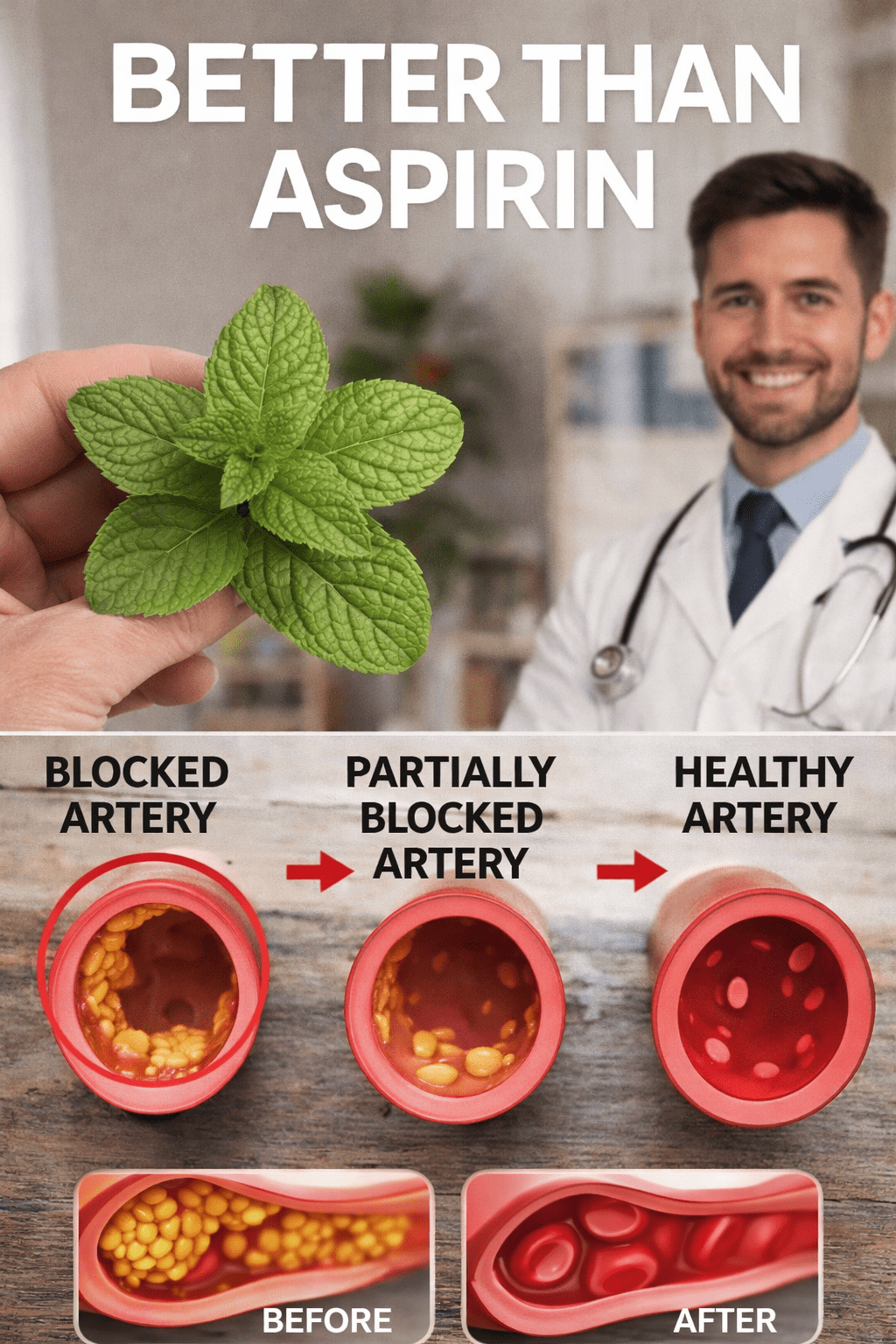
Why Focus on Diet for Cardiovascular Wellness?
What we eat plays a key role in supporting overall heart function. Studies, including those from the American Heart Association, show that diets rich in fruits, vegetables, whole grains, and healthy fats are linked to better cardiovascular outcomes.
These foods provide essential nutrients like omega-3 fatty acids, soluble fiber, and nitrates that help maintain healthy blood pressure and cholesterol levels. The truth is, small dietary changes can add up over time.
Making informed choices isn’t about perfection—it’s about consistency. And that’s where these powerful foods come in.
Top Foods to Include for Better Artery Support
Let’s dive into some standout options backed by scientific insights. Each one brings unique benefits, from reducing inflammation to improving blood vessel function.
1. Berries: Nature’s Antioxidant Powerhouses
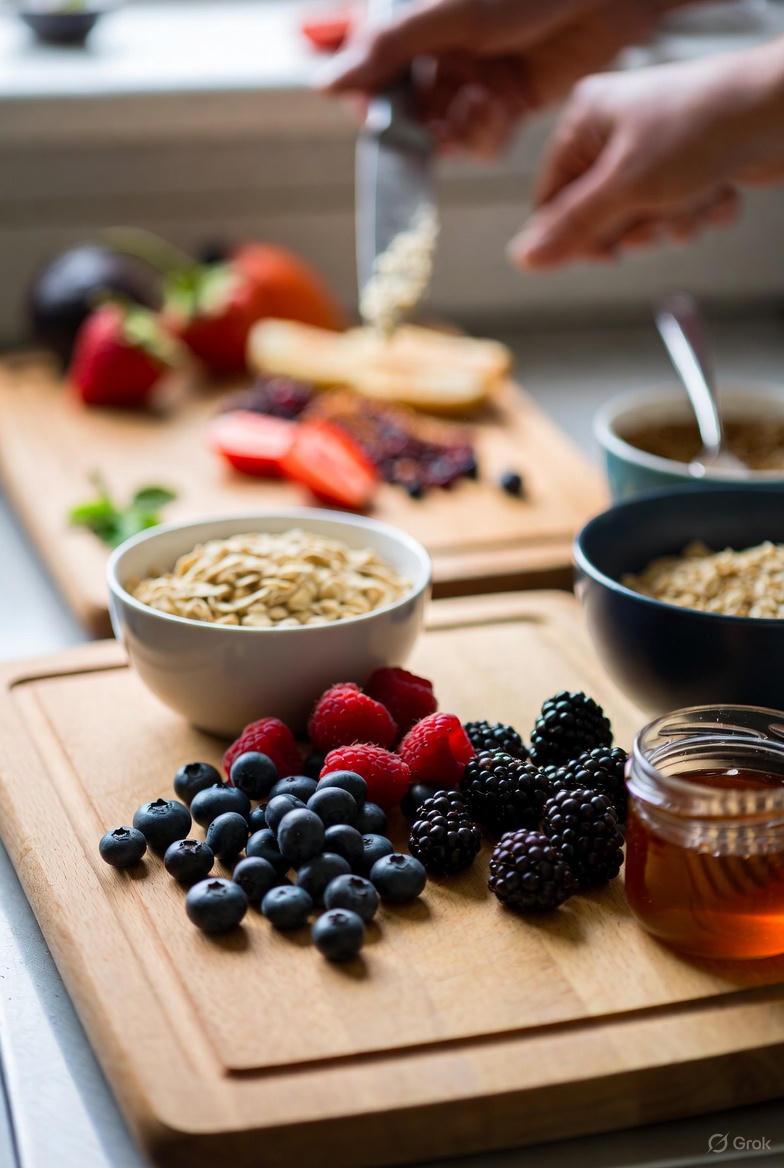
Berries like blueberries, strawberries, and raspberries are packed with flavonoids and polyphenols. These compounds act as antioxidants, helping combat oxidative stress.
Research published in journals like Circulation has associated regular berry consumption with improved arterial flexibility and lower blood pressure.
But that’s not all—berries are also high in fiber, which supports healthy cholesterol management.
Easy ways to enjoy them:
- Add a handful to your morning oatmeal or yogurt
- Blend into smoothies with spinach for an extra boost
- Snack on fresh or frozen berries throughout the day
Here’s the interesting part: studies suggest that eating berries a few times a week can make a noticeable difference in heart health markers.
2. Garlic: A Flavorful Ally with Surprising Benefits
Garlic has been studied for its potential to support cardiovascular health thanks to allicin, a compound released when it’s chopped or crushed.
Multiple reviews, including those on Healthline and from NIH sources, indicate that garlic may help maintain healthy blood pressure and cholesterol levels.
What’s fascinating is that some research compares garlic’s anti-inflammatory effects to those of certain medications—though always in the context of diet, not replacement.
Simple tips to incorporate garlic:
- Sauté fresh cloves with vegetables
- Add minced garlic to salads or dressings
- Roast whole bulbs for a milder, spreadable treat
Consistency matters—aim for a clove or two most days.

3. Oats: The Soluble Fiber Champion
Oats stand out for their beta-glucan, a type of soluble fiber that binds to cholesterol in the digestive system.
The FDA even recognizes that soluble fiber from oats, as part of a low-saturated-fat diet, may reduce heart disease risk. Studies show regular oat consumption supports lower LDL cholesterol.
This makes oats an excellent breakfast choice.
Delicious ideas:
- Start with overnight oats soaked in milk or yogurt
- Use oat flour in baking for added nutrition
- Sprinkle steel-cut oats into soups for thickness
The reality is, just half a cup of oats daily can contribute meaningfully.
4. Fatty Fish Like Salmon: Omega-3 Essentials
Salmon, mackerel, and sardines are rich in omega-3 fatty acids, which have anti-inflammatory properties.
The American Heart Association recommends eating fatty fish twice a week for heart benefits, as these fats may help regulate artery wall function.
Research links omega-3s to reduced inflammation and better blood flow.
How to prepare:
- Grill or bake salmon with herbs and lemon
- Use canned sardines in salads
- Try smoked salmon on whole-grain toast
If fish isn’t your thing, consider plant sources like flaxseeds—though fish provides the most direct form.
5. Nuts: A Handy Snack for Daily Support
Almonds, walnuts, and pistachios offer healthy fats, fiber, and vitamin E.
Large cohort studies associate regular nut intake (a small handful daily) with better heart health outcomes, including lower inflammation in arteries.
Walnuts, in particular, provide plant-based omega-3s.
Pro tip: Portion control is key—about 1 ounce per day avoids excess calories.
Mix them into trails, salads, or eat plain.
6. Leafy Greens: Nitrate-Rich Boosters
Spinach, kale, and arugula contain dietary nitrates that the body converts to nitric oxide, helping blood vessels relax.
Studies link higher nitrate intake from greens to improved vascular function and blood pressure support.
They’re also loaded with potassium and antioxidants.
Quick additions:
- Wilt into eggs or pasta
- Blend into green smoothies
- Use as a base for hearty salads
Aim for several servings weekly—you’ll feel the difference in energy.
7. Beets: An Unexpected Standout
Beets are one of the richest sources of dietary nitrates, similar to leafy greens but even more concentrated.
Research shows beet consumption may enhance blood flow and support healthy pressure levels.
Roasted, juiced, or pickled, they’re versatile.
This is the surprising food hinted at earlier—its natural compounds provide effects that some studies describe as notably supportive, often highlighted for their potency.
Actionable Tips to Get Started Today
Ready to make changes? Here’s a step-by-step guide:
- Assess your current meals—identify one to upgrade with these foods.
- Shop smart: Stock up on fresh produce, nuts, and fish.
- Prep ahead: Wash berries, chop garlic, or portion nuts.
- Experiment with recipes—try garlic-roasted beets or salmon with greens.
- Track progress: Note how you feel after a week or two.
Combine foods for synergy, like oats with berries or salmon salad with spinach.
Foods to Limit for Optimal Results
While focusing on additions, reducing processed items high in saturated fats, added sugars, and sodium helps too.
Research consistently shows these can contribute to inflammation.
Balance is key—enjoy treats occasionally.
Conclusion: Small Steps for Lasting Heart Support
Incorporating these foods—berries, garlic, oats, salmon, nuts, leafy greens, and beets—can meaningfully contribute to cardiovascular wellness. Backed by extensive research, they offer natural ways to nurture your heart through anti-inflammatory, fiber-rich, and nutrient-dense properties.
Start small, stay consistent, and consult your healthcare provider for personalized advice.
Frequently Asked Questions
What are the best foods to eat daily for heart health?
A variety including berries, oats, nuts, and leafy greens provides diverse nutrients. Aim for colorful plates with whole foods.
How much garlic should I consume for benefits?
Studies often use 1-2 cloves daily. Start there and adjust based on taste and tolerance.
Can these foods replace medications?
No—they support a healthy lifestyle alongside any prescribed treatments. Always discuss changes with your doctor.
Disclaimer: This article is for informational purposes only and does not constitute medical advice. It is not intended to diagnose, treat, cure, or prevent any disease. Consult a qualified healthcare professional before making dietary changes, especially if you have existing health conditions or take medications.


