
As you enter your 60s, it’s common to notice changes in your body, like feeling a bit weaker or finding everyday tasks more tiring. This gradual shift can stem from natural aging processes that affect muscle mass and strength, making it harder to stay active and independent. Many people experience frustration when clothes fit differently or simple movements feel challenging, highlighting how these changes impact daily life and overall well-being. But here’s the good news: incorporating certain nutrient-rich foods into your routine may help support your muscles— and in this article, we’ll explore one standout option that could make a real difference, with a surprising twist waiting at the end.
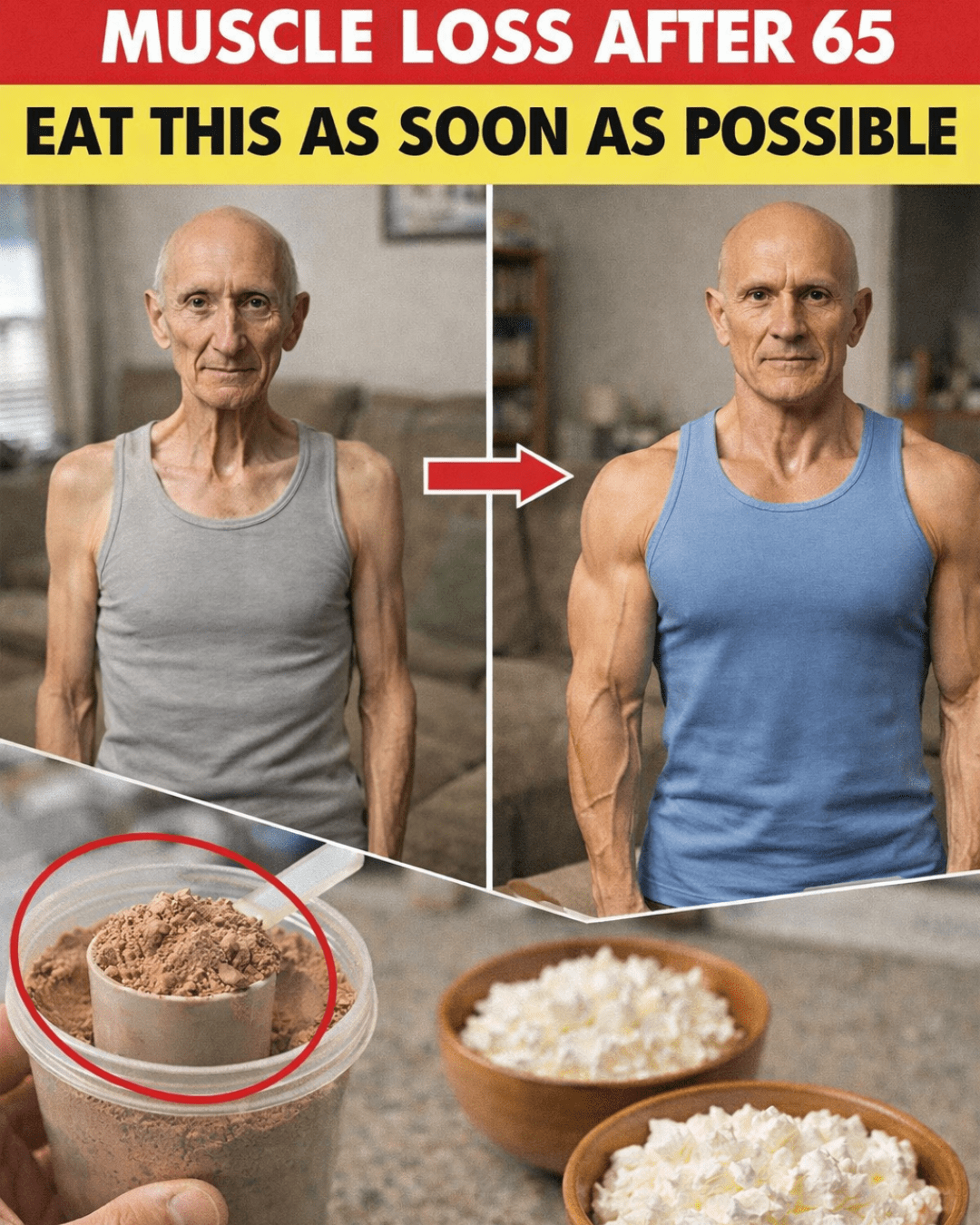
Understanding Muscle Changes as You Age
Aging brings many rewards, like wisdom and life experience, but it also comes with physical shifts. One key change is sarcopenia, the natural decline in muscle mass that often starts around age 30 and accelerates after 60. Research from the National Institute on Aging shows that adults can lose 3-5% of muscle mass per decade after this point.
This isn’t just about appearance; it affects mobility, balance, and even metabolism. Everyday activities, such as carrying groceries or climbing stairs, might require more effort.
But that’s not all. Without attention to diet and lifestyle, these changes can compound, leading to reduced quality of life.
Why Protein Plays a Crucial Role in Muscle Support
Protein is the building block of muscles, helping to repair and maintain tissue. As we age, our bodies become less efficient at using protein, so increasing intake becomes important.
Studies, including one published in the Journal of the American Geriatrics Society, suggest that older adults benefit from higher protein consumption to support muscle health.
Think of it this way: your muscles need fuel to stay strong, much like a car needs gas to run smoothly.
Here’s the interesting part: not all proteins are created equal. Some foods provide high-quality protein that’s easy to digest and packed with additional nutrients.
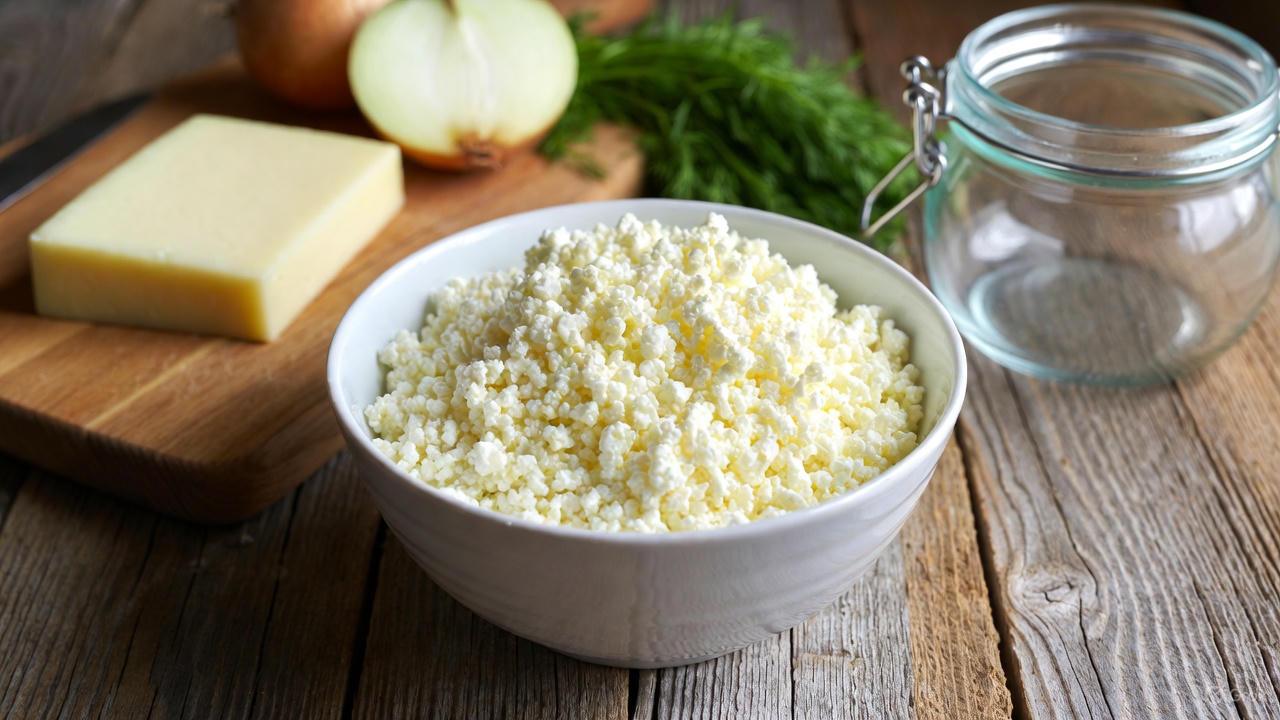
Introducing Cottage Cheese: A Simple Yet Powerful Food Choice
Cottage cheese might not be the first thing that comes to mind for muscle support, but it’s a standout option. This creamy, versatile dairy product is rich in casein protein, which releases slowly for sustained nourishment.
A single cup of low-fat cottage cheese offers about 25 grams of protein—more than many other snacks.
Plus, it’s low in calories and high in calcium, which supports bone health alongside muscles.
Skeptical? Research from the American Journal of Clinical Nutrition indicates that dairy proteins like those in cottage cheese can aid in muscle maintenance for older adults.
Key Benefits of Cottage Cheese for Those Over 60
Let’s break it down. First, its high protein content helps combat the natural muscle decline associated with aging.
Second, it’s easy on the digestive system, making it suitable for many seniors who may have sensitive stomachs.
Third, cottage cheese contains leucine, an amino acid that plays a key role in muscle protein synthesis, as noted in studies from the International Journal of Sport Nutrition and Exercise Metabolism.
But wait, there’s more: it’s affordable, widely available, and doesn’t require fancy preparation.
- Nutrient Density: Provides protein, vitamins B12 and B6, and phosphorus in one serving.
- Versatility: Mix it into smoothies, salads, or eat it plain.
- Low Glycemic Index: Helps maintain steady energy levels without blood sugar spikes.
How to Incorporate Cottage Cheese into Your Daily Meals
Getting started is simpler than you think. Aim for 1-2 servings per day, depending on your overall diet.
Step 1: Choose low-fat or fat-free versions to keep calories in check.
Step 2: Start small if you’re new to it—try half a cup as a snack.
Step 3: Pair it with fruits or veggies for added fiber and flavor.
For example, top cottage cheese with fresh berries for a quick breakfast.
Or blend it into a smoothie with banana and spinach for a nutrient boost.
The key is consistency; make it a habit, and you’ll notice how it fits seamlessly into your routine.
Delicious Recipes Featuring Cottage Cheese
Variety keeps things exciting. Here are three easy recipes to try:
Cottage Cheese Breakfast Bowl
Ingredients: 1 cup cottage cheese, 1/2 cup mixed berries, a sprinkle of nuts.
Instructions: Layer in a bowl, add a dash of cinnamon, and enjoy. This provides protein and antioxidants in under 5 minutes.
Savory Cottage Cheese Salad
Mix 1 cup cottage cheese with chopped cucumbers, tomatoes, and herbs. Drizzle with olive oil. Perfect for lunch.
Cottage Cheese Protein Pancakes
Blend 1/2 cup cottage cheese, 2 eggs, and 1/4 cup oats. Cook like regular pancakes. A fun twist on breakfast.
These recipes are straightforward, using common ingredients.

Comparing Cottage Cheese to Other Protein Sources
To see why it stands out, let’s compare it to alternatives in a simple table:
| Food Item | Protein per Serving (g) | Calories | Additional Benefits |
|---|---|---|---|
| Cottage Cheese (1 cup) | 25 | 160 | High in calcium, low fat |
| Greek Yogurt (1 cup) | 20 | 150 | Probiotics for gut health |
| Chicken Breast (3 oz) | 27 | 140 | Lean meat, versatile |
| Eggs (2 large) | 12 | 140 | Affordable, quick to prepare |
As you can see, cottage cheese holds its own, especially for dairy lovers.
Lifestyle Tips to Complement Your Diet
Diet alone isn’t enough; combine it with gentle activities. Research from the Mayo Clinic emphasizes resistance training, like light weights or bodyweight exercises, 2-3 times a week.
Start with chair squats or wall pushes if you’re new.
Stay hydrated, as water supports muscle function.
And get enough sleep—7-9 hours nightly aids recovery.
Here’s a quick checklist:
- Eat protein-rich meals throughout the day.
- Include strength exercises in your routine.
- Monitor your progress with simple measurements, like arm circumference.
Potential Considerations and How to Address Them
Some might worry about lactose intolerance. Opt for lactose-free cottage cheese varieties.
Others may prefer non-dairy options; in that case, tofu or quinoa can serve as alternatives, though they differ in texture.
Always listen to your body and adjust as needed.
The truth is, small changes add up over time.
Wrapping It Up: Taking the Next Step
Supporting muscle health after 60 doesn’t have to be complicated. By adding cottage cheese to your diet, along with balanced habits, you can take proactive steps toward feeling stronger and more vibrant.
Remember that surprising twist? It turns out cottage cheese isn’t just for diets—it’s a nostalgic food many grew up with, now backed by modern science for aging gracefully.
Start today with one simple serving, and see how it fits into your life.
Frequently Asked Questions
What if I’m allergic to dairy?
Consider plant-based proteins like lentils or pea protein powder. Consult a nutritionist for personalized swaps that maintain similar nutrient profiles.
How much cottage cheese should I eat daily?
Aim for 1/2 to 1 cup per day as part of a varied diet. This provides ample protein without overdoing it, based on general dietary guidelines.
Can cottage cheese help with weight management?
Its high protein and low calorie content may support satiety, helping you feel full longer. Pair it with veggies for balanced meals.
Disclaimer: This article is for informational purposes only and is not intended as medical advice. Always consult with a healthcare professional before making significant changes to your diet or exercise routine.


