
Maintaining good circulation is key to feeling energized and supporting long-term heart health. Many people worry about how daily habits and diet affect blood flow, especially as we age or face common challenges like stress and less-than-ideal eating patterns. These concerns can feel overwhelming, leading to fatigue, discomfort, or anxiety about future well-being.
The good news is that incorporating certain nutrient-rich foods into your routine can make a meaningful difference in promoting flexible arteries and smooth blood flow. Research suggests these choices help in ways that complement a balanced lifestyle. But that’s not all—there’s a practical, evidence-based approach waiting at the end that ties it all together and could surprise you with its simplicity.
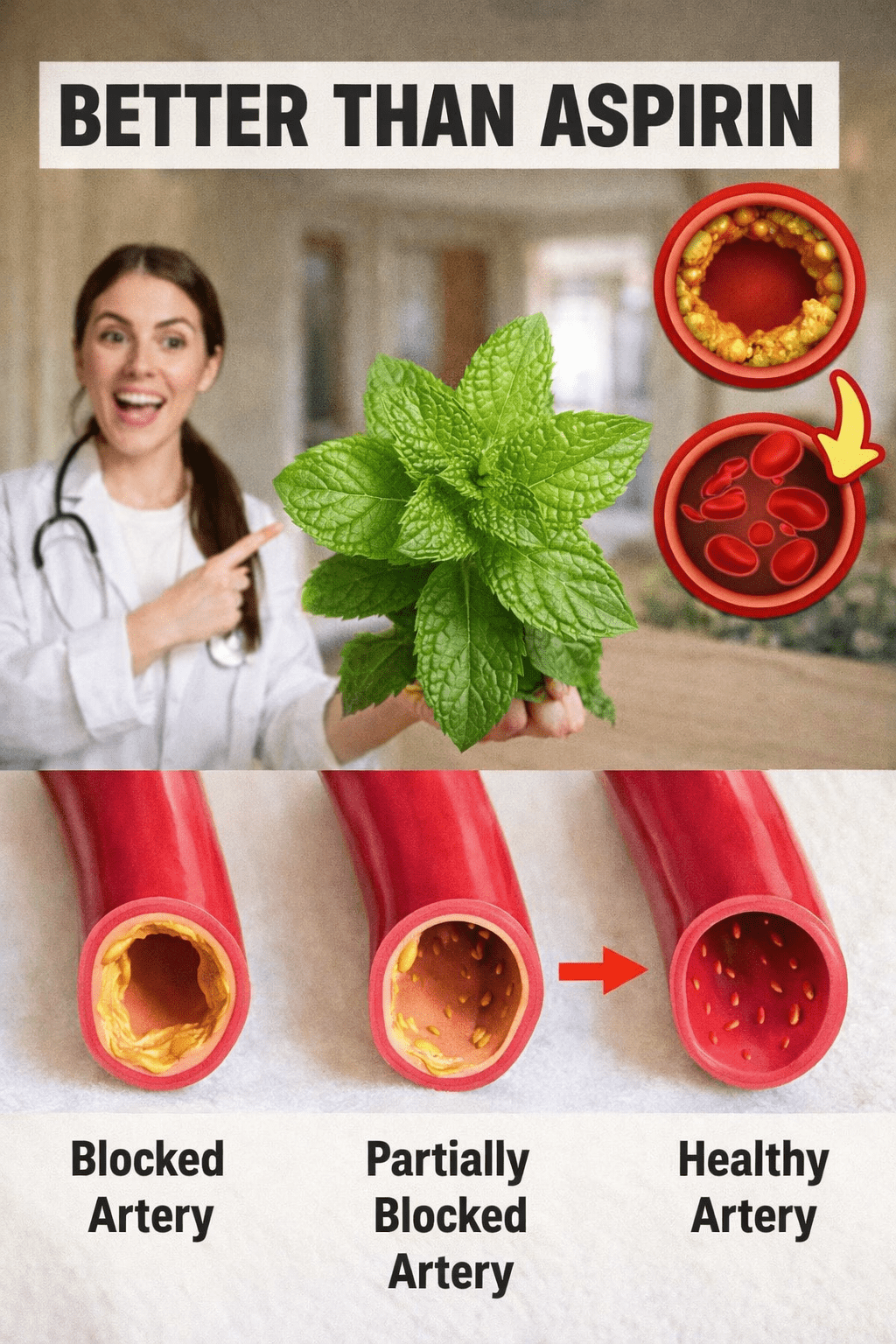
Why Healthy Circulation Matters
Your arteries act like pathways, delivering oxygen and nutrients throughout your body. When they stay flexible and clear, everything runs smoothly. Factors like inflammation, oxidative stress, and cholesterol levels can influence this process over time.
Studies show that diets rich in specific foods—such as those high in antioxidants, healthy fats, and nitrates—may help support better arterial function and overall cardiovascular wellness. For instance, research highlights how certain plant compounds reduce inflammation and improve blood vessel relaxation.
Everyday Foods That Promote Arterial Health
Here are some well-researched options that studies link to supporting circulation and heart function. Adding them regularly could provide noticeable benefits.
1. Leafy Green Vegetables
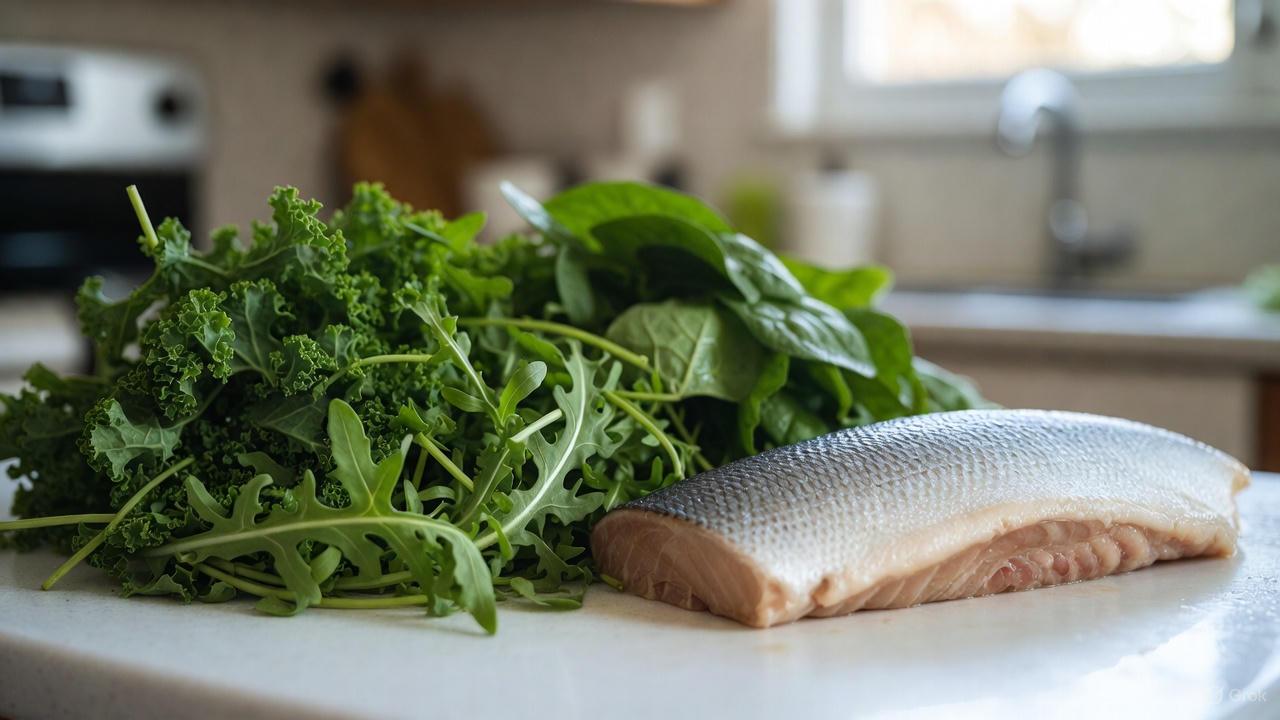
Spinach, kale, and arugula are packed with nitrates, which the body converts to nitric oxide. This helps blood vessels relax and supports healthy blood pressure.
Research indicates that nitrate-rich greens improve endothelial function—the inner lining of arteries—leading to better flexibility. One review of studies found consistent benefits for vascular health from these vegetables.
Try adding a handful to salads, smoothies, or sautéed sides daily.
2. Fatty Fish
Salmon, mackerel, and sardines provide omega-3 fatty acids, known for reducing inflammation and supporting lipid profiles.
Meta-analyses of trials show omega-3s from fish help lower triglycerides and may reduce cardiovascular risks. They also contribute to less arterial stiffness.
Aim for two servings per week, grilled or baked for easy meals.
3. Garlic
This common ingredient contains compounds like allicin that studies associate with improved circulation and modest cholesterol benefits.
Evidence from reviews suggests garlic supports arterial health by reducing oxidative stress and promoting better blood flow.
Chop fresh garlic and let it sit before cooking to maximize benefits—add to stir-fries or dressings.
4. Turmeric
The active compound curcumin has strong anti-inflammatory properties that research links to protecting blood vessel walls.
Preclinical and some human studies show curcumin helps maintain arterial flexibility and reduces inflammation markers.
Use it in curries, golden milk, or sprinkled on veggies with a dash of black pepper for better absorption.
5. Berries
Blueberries, strawberries, and raspberries are loaded with antioxidants like anthocyanins.
Clinical trials and meta-analyses indicate berries support healthy blood pressure, reduce LDL oxidation, and improve endothelial function.
Enjoy a cup fresh, frozen in smoothies, or as a snack.
6. Nuts and Seeds
Almonds, walnuts, flaxseeds, and chia seeds offer healthy fats, magnesium, and plant sterols.
Large reviews find regular nut consumption linked to better lipid profiles and lower cardiovascular risks, thanks to their nutrient mix.
A small handful daily—about 1 ounce—fits easily into yogurt or salads.
7. Green Tea
Rich in catechins, green tea is studied for its potential to support cholesterol levels and arterial function.
Meta-analyses of trials show modest reductions in total and LDL cholesterol with regular intake.
Sip 2–3 cups daily, hot or iced.
How These Foods Compare to Common Approaches
Many people turn to options like low-dose aspirin for circulation support, as it helps prevent clotting. However, it carries risks like stomach irritation or bleeding.
These natural foods work gently, providing antioxidants and nutrients that support overall vascular health without those concerns. Research emphasizes diet’s role in harmony with the body.
Practical Ways to Add These Foods Daily
Start small for lasting habits:
- Breakfast: Berry smoothie with spinach and flaxseeds.
- Lunch: Salad with greens, nuts, and garlic dressing.
- Dinner: Baked salmon with turmeric-seasoned veggies.
- Snack: Handful of almonds or green tea.
Stay active with 30 minutes of walking most days, hydrate well, and limit processed items. These steps compound benefits.
Wrapping It Up
Supporting healthy arteries comes down to consistent, enjoyable choices. These foods—backed by studies—offer a straightforward way to promote circulation and heart wellness.
The real game-changer? Combining them into a varied, plant-focused diet. One large study pattern, like the Mediterranean approach rich in these items, consistently links to better outcomes. Start swapping today—your body will appreciate it.
Frequently Asked Questions
What are the best foods for maintaining healthy blood flow?
Leafy greens, berries, fatty fish, nuts, garlic, turmeric, and green tea top the list, based on research showing support for arterial function.
How much of these foods should I eat daily?
Aim for variety: several servings of veggies/greens, a handful of nuts, berries most days, and fish twice weekly. Moderation fits best.
Can diet alone support heart health?
A nutrient-rich diet plays a major role, but combine with exercise, stress management, and regular check-ups for optimal results.
Disclaimer: This article is for informational purposes only and not medical advice. Always consult your healthcare provider before making dietary changes, especially if you have health conditions or take medications. Foods support wellness but do not diagnose, treat, or cure any disease.


