
Many people worry about their heart health as they age, especially when thinking about how plaque can build up in arteries over time, making it harder for blood to flow smoothly. This can lead to feelings of tiredness, discomfort during everyday activities, or concerns about long-term wellness. The good news is that certain everyday foods, backed by research, offer supportive nutrients that promote cardiovascular well-being and help maintain clear, flexible blood vessels. But here’s the surprising part: some common kitchen ingredients may provide gentle, natural support in ways that encourage better circulation — and we’ll reveal the most powerful ones later in this article.
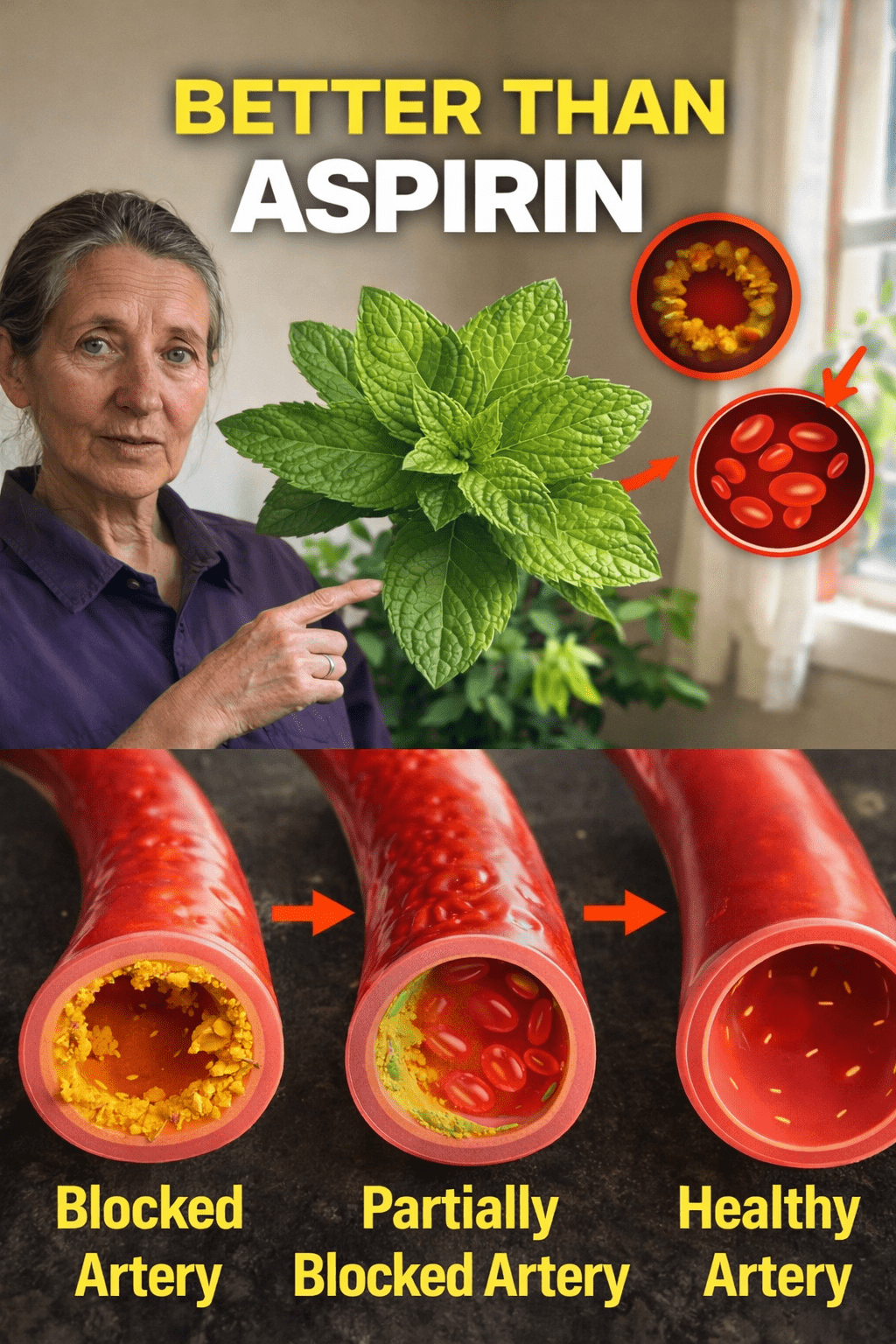
Why Artery Health Matters for Everyday Life
Healthy arteries are essential for delivering oxygen-rich blood throughout your body. When they stay flexible and free from excessive buildup, you may notice more energy, better endurance, and overall vitality. Studies suggest that chronic inflammation and oxidative stress play roles in vascular changes, but incorporating antioxidant-rich and anti-inflammatory foods can make a positive difference in supporting endothelial function (the inner lining of blood vessels).
Research from sources like Johns Hopkins Medicine and various reviews highlights how diet influences heart health factors such as cholesterol levels, blood pressure, and circulation.
Top Foods That Promote Cardiovascular Support
Let’s explore some of the most researched foods known for their potential to aid heart and artery health. These include spices and herbs that have been studied for their bioactive compounds.
1. Garlic: A Classic Ally for Circulation
Garlic has been used for centuries and contains allicin, a compound released when it’s crushed or chopped. Research indicates garlic may help maintain healthy blood pressure and support flexible arteries by reducing oxidative stress.
Studies show it can promote better blood flow and has mild antiplatelet effects, similar to how some common remedies work, though not as potent as medications.
How to use it daily:
- Crush 1-2 fresh cloves and let them sit for 10 minutes before adding to meals.
- Mix into salads, soups, or stir-fries.
- Roast whole bulbs for a milder flavor.
This small habit can add flavorful support to your routine.
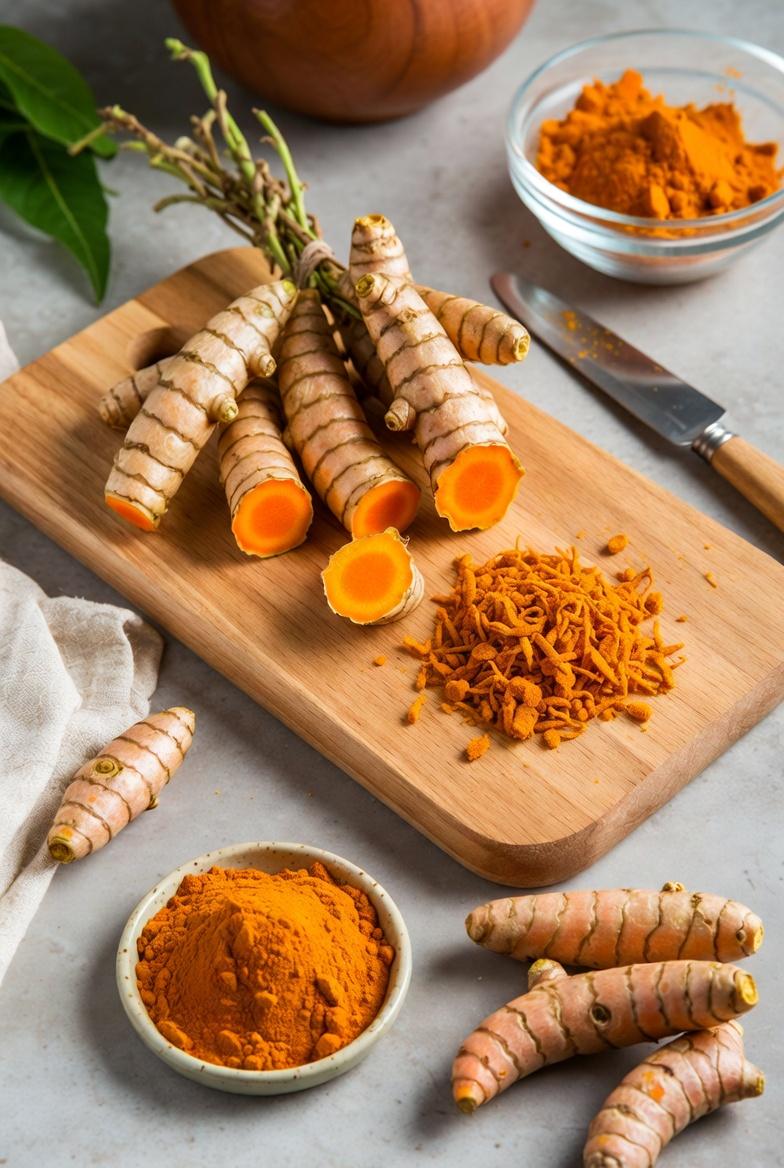
2. Turmeric: The Golden Spice for Inflammation Support
Turmeric’s active compound, curcumin, is a potent antioxidant. Multiple studies suggest it helps combat inflammation, a key factor in vascular health, and may improve endothelial function.
Evidence from clinical reviews points to curcumin supporting better blood vessel dilation and reducing oxidative damage.
Simple ways to add more:
- Stir 1 teaspoon into warm milk or tea (add black pepper to boost absorption).
- Use in curries, rice dishes, or smoothies.
- Try golden milk: turmeric + ginger + a pinch of cinnamon.
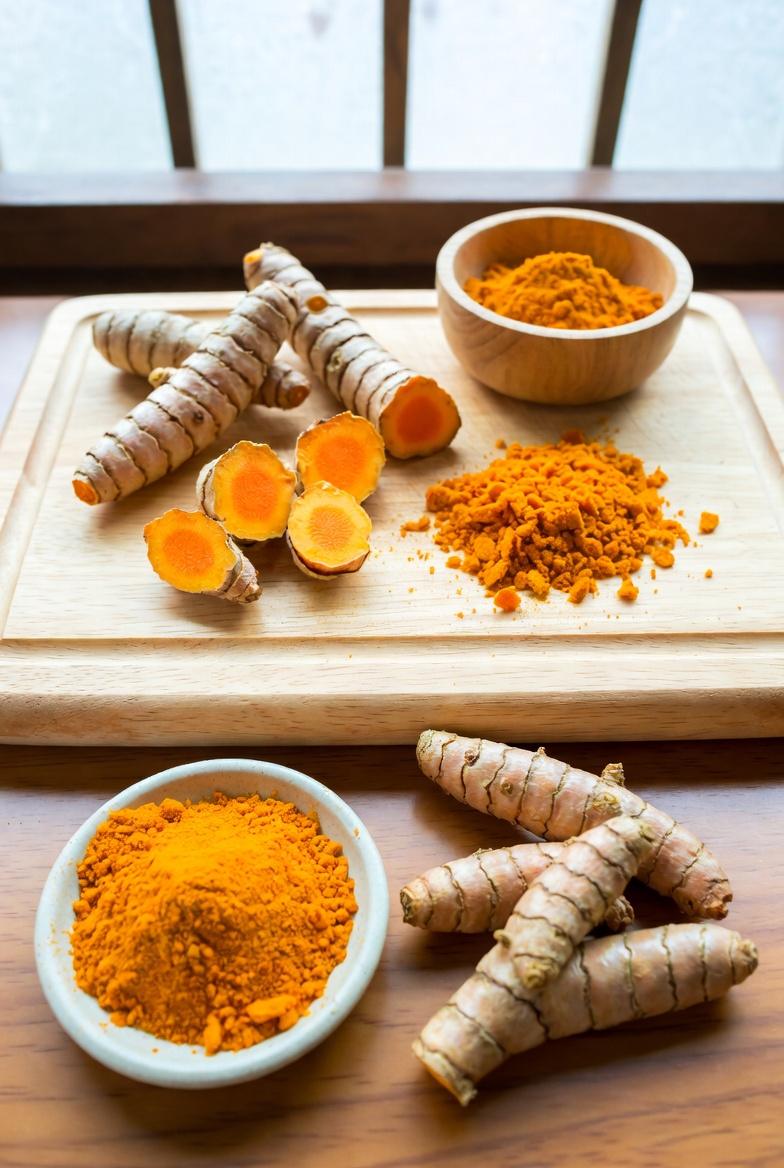
Here are two realistic photos showing fresh turmeric roots being prepared — one with whole roots and grated pieces on a wooden cutting board under natural kitchen light, and another with dried turmeric powder in a small bowl next to fresh roots, capturing everyday textures and soft shadows.
3. Ginger: Warming Support for Blood Flow
Ginger contains gingerol, which has anti-inflammatory properties. Research links it to improved circulation and potential mild effects on platelet function.
It’s often studied alongside other spices for overall cardiovascular benefits.
Easy incorporation tips:
- Grate fresh ginger into tea or hot water.
- Add to stir-fries, soups, or smoothies.
- Combine with lemon for a refreshing drink.
4. Cayenne Pepper: A Spicy Boost for Circulation
Cayenne contains capsaicin, which may help stimulate blood flow and support vessel health. Some studies note its role in promoting vasodilation (widening of blood vessels).
Use sparingly to avoid overpowering dishes — a dash goes a long way.
How These Foods Work Together: A Simple Comparison
Here’s a quick overview of why these stand out:
- Garlic — Supports blood pressure and reduces oxidative stress.
- Turmeric — Powerful antioxidant for inflammation.
- Ginger — Aids digestion and circulation.
- Cayenne — May enhance blood flow.
Combining them (like in a spiced tea or soup) creates a synergistic effect, as many traditional recipes do.
Pro Tip: Start small if you’re new to these — your body adjusts best gradually.
Actionable Steps to Include These Foods Today
Follow this easy plan:
- Morning routine — Start with ginger-turmeric tea.
- Meals — Add garlic to lunch/dinner (roasted or fresh).
- Snacks — Sprinkle cayenne on veggies or soups.
- Consistency — Aim for daily inclusion over weeks for noticeable support.
- Pair with lifestyle — Stay active, manage stress, and eat balanced meals.
Research emphasizes that whole-food approaches, combined with healthy habits, offer the best long-term benefits.
Conclusion: Small Changes, Big Support for Your Heart
Incorporating garlic, turmeric, ginger, and cayenne into your diet is a simple, flavorful way to nurture artery health and circulation naturally. These foods provide antioxidants, anti-inflammatory compounds, and circulation support backed by ongoing studies. Focus on consistency and variety for the best results.
Frequently Asked Questions (FAQ)
Can these foods replace medications for heart health?
No — they offer supportive benefits but are not substitutes for prescribed treatments. Always consult your doctor.
How much should I consume daily?
Start with small amounts: 1-2 garlic cloves, 1 tsp turmeric, a thumb-sized piece of ginger, and a pinch of cayenne. Adjust based on taste and tolerance.
Are there any side effects?
These are generally safe in food amounts, but high doses (especially supplements) may interact with medications or cause stomach upset. Check with a healthcare provider if you’re on blood thinners.
Disclaimer: This article is for informational purposes only and not medical advice. Dietary changes can support wellness, but they do not diagnose, treat, cure, or prevent any disease. Consult your healthcare professional before making significant changes, especially if you have existing conditions or take medications.


