
Few things are more frustrating than spotting unwanted pests scurrying across your kitchen floor or garden path. Cockroaches, ants, and other common household invaders can quickly turn a cozy home into a stressful space, disrupting daily life and raising concerns about cleanliness and comfort. These resilient creatures often appear at the worst times, making you reach for quick fixes that might not always deliver the results you hope for.
The good news? Many people turn to everyday items already in their pantry for gentle, natural approaches to managing these issues. Baking soda, a humble household staple, often comes up in conversations about simple pest control ideas. But how well does it really work, and what’s the best way to try it? In this guide, we’ll explore practical tips and share what reliable sources say about using baking soda responsibly as part of your home routine—plus a surprising insight at the end that might change how you think about this versatile powder.
Why People Turn to Baking Soda for Pest Issues
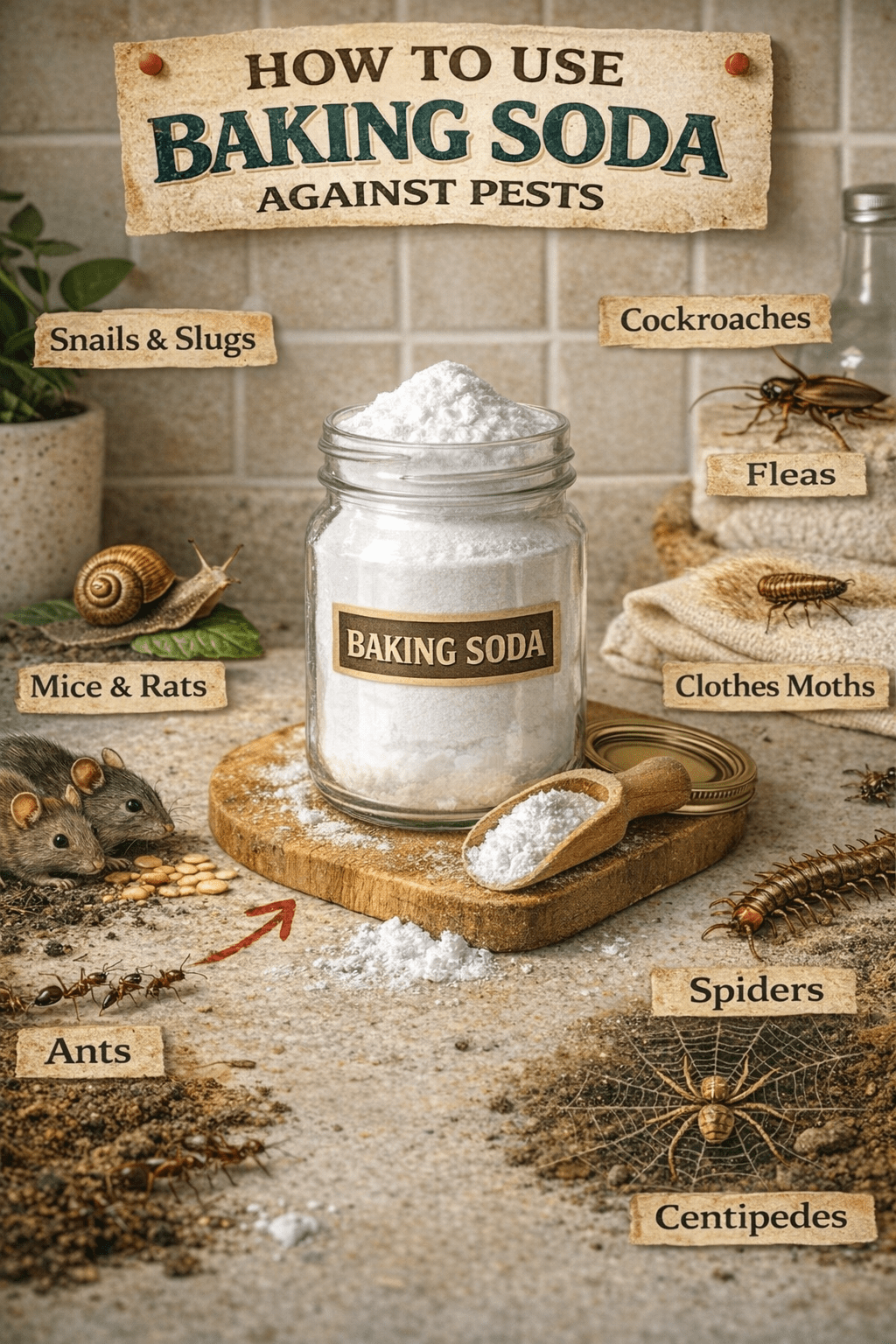
Baking soda (sodium bicarbonate) is affordable, non-toxic in typical household amounts, and widely available. Many homeowners appreciate it as a gentler alternative to stronger commercial products, especially in homes with children or pets. Research and anecdotal reports suggest it may interfere with certain pests through physical or chemical reactions when ingested or contacted.
But here’s the key: Baking soda isn’t a miracle fix. Its effects vary by pest type, and it’s often most helpful when combined with good sanitation habits like sealing entry points and removing food sources. Studies and expert opinions show mixed results—some pests respond better than others.
How Baking Soda May Help with Common Pests
Let’s break down the most popular uses, based on common recommendations and available information.
Cockroaches
One of the most talked-about methods involves mixing baking soda with something sweet.
- Mix equal parts baking soda and sugar (or powdered sugar for better blending).
- Place small amounts in shallow dishes or on pieces of cardboard.
- Position them in dark corners, behind appliances, along baseboards, or near suspected hiding spots.
The idea is that the sugar attracts roaches, while ingested baking soda reacts with stomach acids to produce gas buildup (since cockroaches can’t easily release it). Some reports and lab observations note this can lead to discomfort or death in certain cases, though real-world success depends on consistent use and infestation size.
But that’s not the full story… many sources emphasize that this works best as a supplementary step alongside thorough cleaning.
Ants
Ants often follow scent trails in search of food, making them prime candidates for bait-style approaches.
- Combine equal parts baking soda and powdered sugar.
- Sprinkle near trails, entry points, or nest areas (avoid direct contact with plants if outdoors).
- Reapply after rain or heavy traffic.
The powdered sugar lures them in, and baking soda may disrupt their internal balance when eaten. Some gardeners report success with barriers of plain baking soda around plants to deter trails.
Fleas in Carpets and Pet Areas
For fleas on fabrics:
- Mix baking soda with a bit of fine salt.
- Sprinkle generously on carpets, rugs, pet beds, and upholstery.
- Let it sit for several hours (or overnight).
- Vacuum thoroughly, disposing of the bag outside.
This can help dry out and irritate fleas in soft environments, though it’s not a standalone solution for heavy infestations.
Other Pests Like Slugs, Snails, and More
In gardens, a light sprinkling of dry baking soda on paths or soil may create a barrier slugs and snails avoid due to irritation on their soft bodies. For mice/rats, some mix baking soda with flour or cornmeal as a bait, but evidence here is mostly anecdotal and less reliable.
Here’s a quick comparison of common claims:
- Stronger anecdotal support: Cockroaches (with sugar bait), ants, slugs/snails.
- Limited or mixed evidence: Fleas (drying effect), spiders, centipedes.
- Little to no reliable backing: Mice/rats (better options like traps exist), clothes moths.
Always test small areas first and monitor results over days or weeks.
Step-by-Step Tips for Safe and Effective Use
- Prepare your space — Clean thoroughly to remove food crumbs and water sources. Pests thrive where resources are easy to find.
- Choose the right mixture — Start with equal parts baking soda and attractant (sugar for roaches/ants, salt for fleas).
- Apply strategically — Focus on high-traffic areas but keep away from food prep surfaces and direct pet access.
- Monitor and refresh — Check daily, reapply as needed, and combine with sealing cracks or using traps.
- Be patient — Natural methods often take time to show noticeable changes.
Important Safety Considerations
While baking soda is generally safe, excessive amounts can irritate skin, eyes, or respiratory systems. Keep mixtures out of reach of children and pets, and avoid inhaling dust. It’s not registered as an insecticide for most pests (EPA lists it mainly for fungicide uses on plants), so view it as a supportive tool rather than a guaranteed solution.
For serious infestations, consider consulting a professional—they can offer targeted, evidence-based strategies.
Wrapping It Up: Is Baking Soda Worth Trying?
Baking soda offers a low-risk, budget-friendly way to experiment with pest management in your home. Many find it helpful for minor issues, especially when paired with cleanliness and prevention. It’s empowering to use something simple from your kitchen shelf.
The surprising insight? While baking soda shows promise in certain scenarios (like bait for roaches), its biggest strength might be in prevention—regular use around entry points can discourage pests before they settle in. Small habits add up!
Frequently Asked Questions
Does baking soda really kill pests on its own? No, it usually needs an attractant like sugar to encourage ingestion. Direct contact may deter some soft-bodied pests, but ingestion is key for internal effects.
Is it safe around pets and kids? In small, supervised amounts, yes—but keep baits inaccessible and clean up leftovers to avoid accidental ingestion.
How long does it take to see results? It varies; some notice fewer pests in days, while others need weeks of consistent use combined with other habits.
Disclaimer: The information in this article is for educational purposes only and not intended as professional pest control advice. Results vary, and baking soda is not a substitute for proven methods or expert help. Consult a qualified professional for persistent issues, and always follow safety guidelines.


