
After a long day on your feet, that familiar ache creeps in—not just in your soles, but sometimes spreading to your back, head, or even your mood. You stretch, soak, or ignore it, hoping it fades on its own, yet the tension lingers, leaving you restless and drained. Many people search for easy, at-home ways to unwind without fancy equipment or appointments.
Foot reflexology offers a gentle, hands-on approach that focuses on pressure points on the feet to promote relaxation and a sense of balance. And here’s the intriguing part: while it draws from centuries-old traditions, modern studies suggest it can support feelings of calm in surprising ways—keep reading to learn a beginner-friendly routine you can try tonight.
What Is Foot Reflexology?
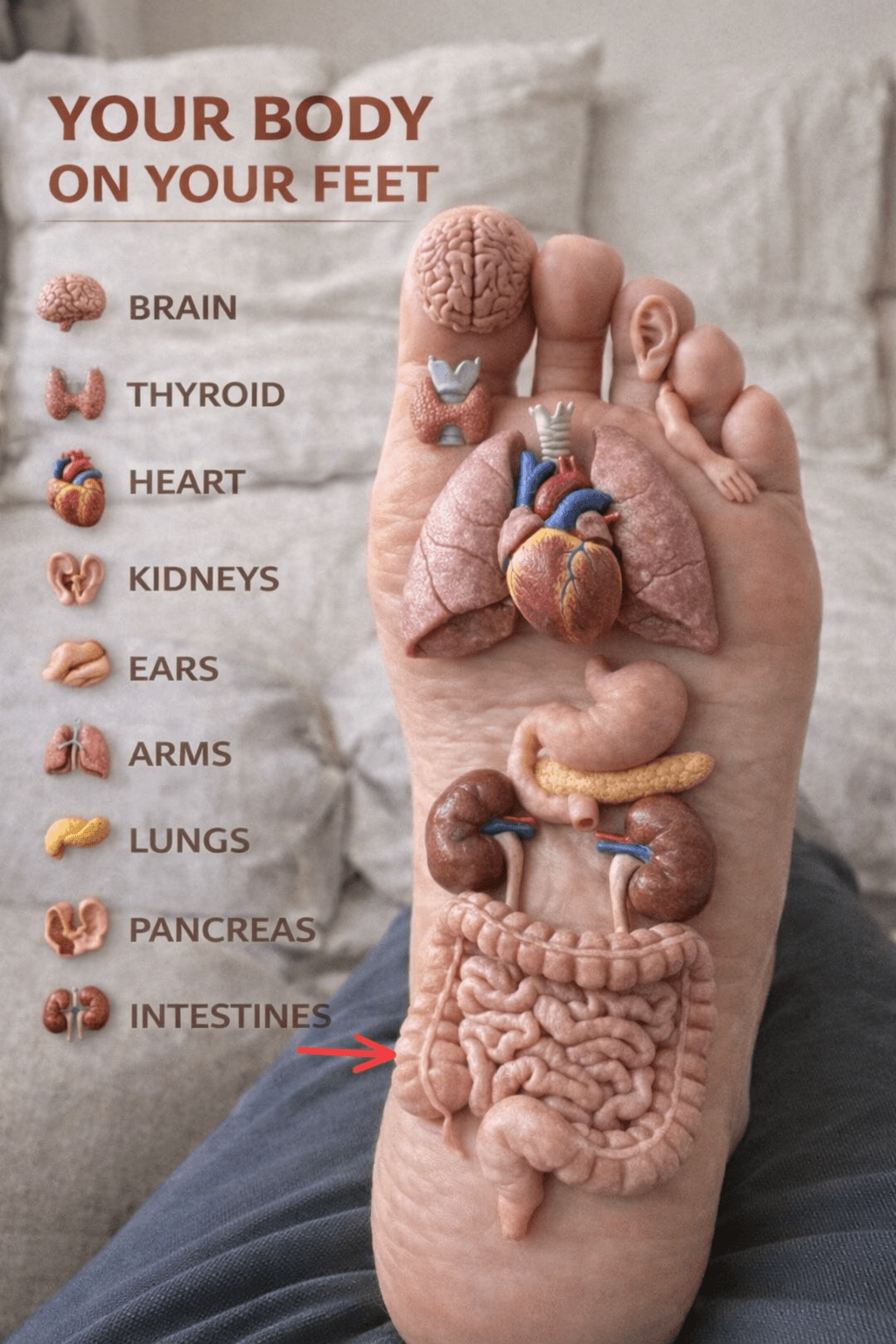
Foot reflexology is a complementary practice where gentle pressure is applied to specific areas on the feet. Practitioners believe these spots correspond to different parts of the body, much like a map.
This technique stems from ancient traditions, including those in China and Egypt, and gained popularity in the West in the early 20th century. It’s often compared to a targeted foot massage but follows reflex zones.
The core idea is that stimulating these areas may help encourage relaxation through touch and pressure. Importantly, reflexology is not a medical treatment and does not claim to diagnose or cure any condition.
How Does Foot Reflexology Work? (The Science Behind the Relaxation)
While the exact mechanisms aren’t fully understood, many experts point to the power of touch. Applying pressure to the feet can stimulate nerve endings, promote circulation, and trigger the body’s relaxation response.
Some small studies and meta-analyses have explored foot reflexology’s potential role in supporting reduced anxiety, better sleep quality, and overall well-being. For example, research reviews indicate it may help ease feelings of stress when used alongside other self-care habits.
Other benefits often reported include improved mood and a greater sense of body awareness. These effects likely come from the calming nature of focused touch rather than direct changes to organs.
But here’s the exciting part: you don’t need to be an expert to experience these soothing benefits yourself.
Why Try Foot Reflexology at Home?
- It’s convenient—no appointments required.
- It takes just 10–20 minutes.
- You control the pressure for comfort.
- It doubles as self-care time to unwind.
Many people incorporate it into their evening routine, turning it into a mindful ritual before bed.
Basic Preparation: Set the Stage for Relaxation
Before you begin, create a calm environment:
- Wash your feet with warm water and mild soap, then dry them thoroughly (especially between the toes).
- Apply a small amount of lotion, oil, or cream to reduce friction—unscented options work well.
- Sit comfortably: Prop your foot on your opposite knee or a low stool.
- Take several slow, deep breaths to center yourself.
These simple steps help you relax and make the experience more enjoyable.
Understanding the Foot Reflexology Map
Imagine your foot as a mini-map of your body. The toes represent the head, the ball of the foot links to the chest area, the arch connects to digestive organs, and the heel relates to the lower body.
Here’s a quick overview of common reflex areas (based on traditional charts):
- Toes (especially the big toe) → Head and brain area
- Base of the big toe → Neck and thyroid region
- Ball of the foot (upper center) → Lungs and heart zone
- Arch (middle) → Kidneys, stomach, and pancreas
- Lower arch and heel → Intestines and lower back/pelvis
Charts vary slightly, but the general layout stays consistent. Use gentle pressure to explore.
Step-by-Step: A Beginner-Friendly Foot Reflexology Routine
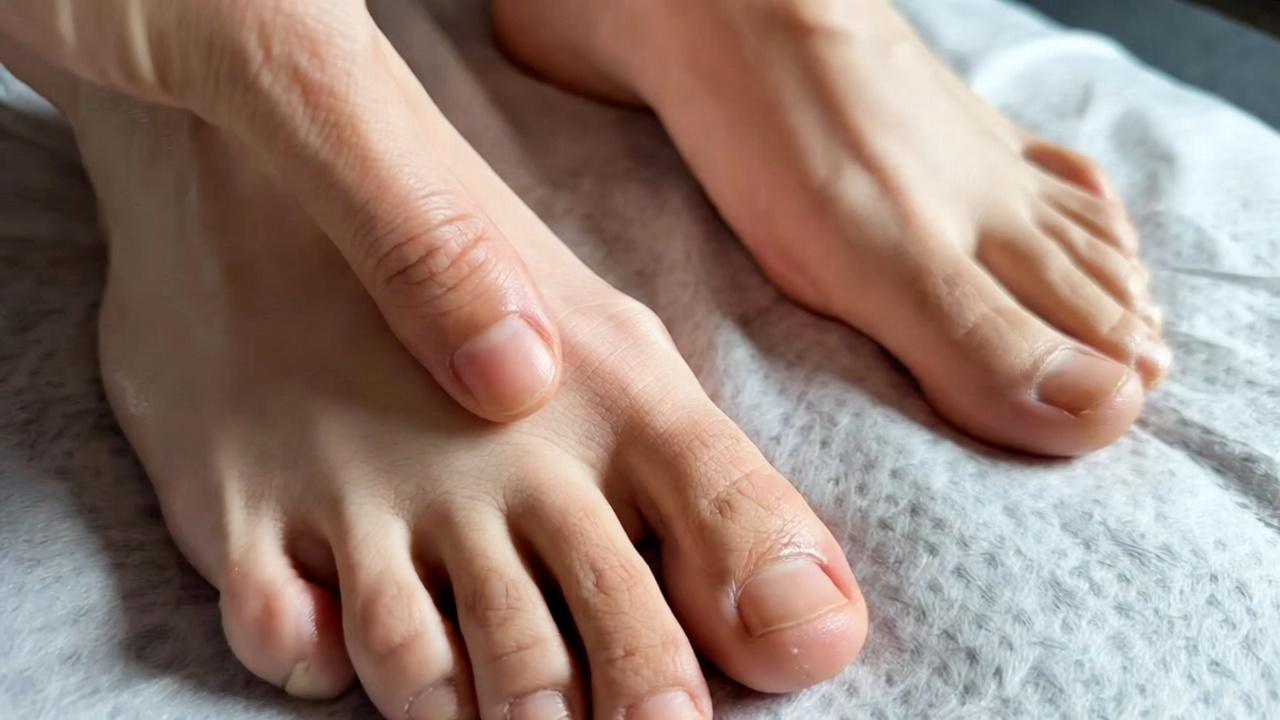
Follow this simple sequence for each foot. Use your thumbs or knuckles for pressure—keep it firm but never painful. Hold or circle for 20–60 seconds per area.
- Warm-Up: Glide your hands over the entire foot with long strokes to increase circulation.
- Head/Brain Area (Big Toe): Gently massage the tip and pad of the big toe in small circles. Many find this helps release daily mental tension.
- Neck/Thyroid Zone (Base of Big Toe): Apply steady pressure at the base, using thumb circles.
- Chest and Lungs (Ball of the Foot): Use your thumbs to make small circles across the upper sole, just below the toes. This area often feels good for encouraging deeper breathing.
- Heart Region (Upper Center, Slightly Left on Left Foot): Gentle circular motions here can feel comforting.
- Kidney Area (Middle Arch): Press and circle in the center of the arch—many report a soothing sensation.
- Digestive Zone (Lower Arch and Heel): Trace slow spirals from the mid-arch toward the heel.
- Finish: End with light strokes from toes to heel, then gently rotate the ankle.
Repeat on the other foot. Total time: 10–15 minutes per side.
But that’s not all—here are quick tips to enhance your session:
- Breathe deeply throughout.
- If a spot feels tender, lighten pressure.
- Listen to soft music or nature sounds.
- Do it consistently (3–4 times a week) for the best sense of routine.
Who Should Be Cautious?
Foot reflexology is generally safe for most people when done gently. However, consult a healthcare professional first if you have:
- Foot injuries or open wounds
- Diabetes or circulation issues
- Pregnancy
- Recent surgery
- Blood clots or serious health conditions
Always prioritize comfort and stop if anything feels wrong.
Frequently Asked Questions (FAQ)
Is foot reflexology the same as a regular foot massage? Not exactly—while both feel relaxing, reflexology targets specific zones based on traditional maps, whereas a regular massage focuses on overall muscle relief.
How often should I practice foot reflexology at home? Many people enjoy it daily or a few times a week. Start with shorter sessions and adjust based on how your body responds.
Can foot reflexology help with sleep? Some studies suggest it may support better rest by promoting relaxation. Many users report feeling calmer afterward, making it a nice bedtime ritual.
Foot reflexology offers a gentle way to connect with your body and invite relaxation into your daily life. It’s simple, free, and can become a comforting habit.
Give yourself those few mindful minutes tonight—your feet (and the rest of you) might thank you.
Disclaimer: This article is for informational purposes only and is not intended as medical advice. Foot reflexology is a complementary practice and should not replace professional healthcare. Consult your doctor before trying new self-care techniques, especially if you have health concerns.


