
Dealing with ants trailing across your kitchen counter, cockroaches scurrying in the dark, or the occasional mouse sighting can turn any home into a source of constant frustration and stress. These unwanted visitors not only disrupt your peace but also raise concerns about hygiene and repeated spending on commercial pest products that may only offer temporary relief. Many homeowners search for simpler, household-based approaches to discourage these pests naturally.
But what if a common item already in your bathroom could play a supporting role in your pest prevention routine? In this guide, we’ll explore the popular idea of using mint-flavored toothpaste as part of home pest management, look at why the mint scent might matter, and share practical tips to try it safely. Keep reading to uncover the details behind this intriguing household hack and how it fits into a broader strategy for a more comfortable living space.
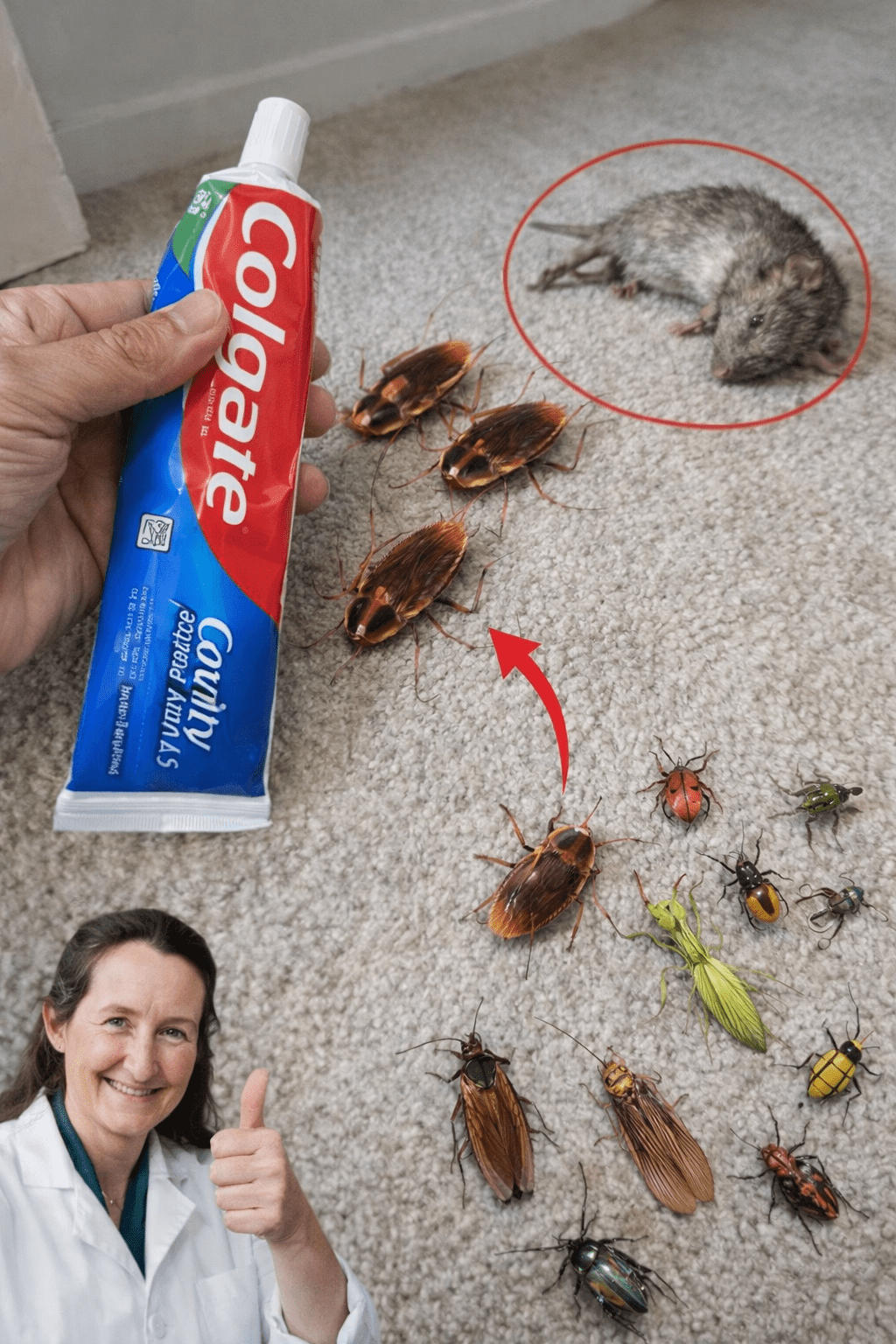
Why Mint-Flavored Toothpaste Sparks Interest in Pest Control
Toothpaste, especially varieties with strong peppermint or mint flavors, has gained attention in online discussions as a potential deterrent for certain household pests. The key lies in its ingredients rather than the paste itself.
Peppermint oil, a common component in many mint toothpastes, contains menthol and other volatile compounds. Research on essential oils has shown that these natural aromas can disrupt how insects and rodents detect their environment, making certain areas less appealing to them.
Studies exploring peppermint oil suggest it may help repel mosquitoes, ants, spiders, and even cockroaches in laboratory settings. For example, investigations into essential oils indicate that the strong scent overwhelms the sensory receptors of some soft-bodied insects, encouraging them to avoid treated zones.
While toothpaste contains only a diluted amount of these oils compared to pure essential oils, the idea is that smearing small amounts in targeted spots could release a lingering minty aroma over time.
However, the evidence remains mixed. Many findings come from controlled tests with concentrated oils, not everyday toothpaste. Real-world results can vary based on pest species, concentration, and home conditions.
But that’s not the full picture… Let’s dive deeper into how people actually apply this method and what to watch for.
How the Mint Scent Might Deter Common Household Pests
The strong, cooling aroma of peppermint is the star here. Insects and rodents rely heavily on smell to navigate, find food, and locate entry points.
- Ants often follow scent trails to food sources. A potent minty barrier may confuse or discourage them from crossing certain areas.
- Cockroaches prefer dark, humid spots with less disturbance. Some lab research on peppermint compounds shows potential to interfere with their behavior.
- Mice and rats have sensitive noses and tend to avoid overwhelming strong odors. Anecdotal reports suggest minty scents can make entry points or nesting areas less inviting.
It’s important to note that toothpaste isn’t designed as a pesticide. Its mint content is low, so effects are usually mild and short-lived compared to professional solutions.
Step-by-Step Guide: Trying Toothpaste in Your Pest Prevention Routine
If you’re curious to experiment with this low-cost approach as part of your home maintenance, here’s a simple, actionable way many people try it. Always prioritize safety and cleanliness.
- Choose the right toothpaste – Opt for a strong mint or peppermint-flavored one (avoid gel types, as they may not hold scent as well).
- Identify problem areas – Look for entry points like cracks near doors, windows, pipes, baseboards, under sinks, behind appliances, or along walls where you’ve seen pest activity.
- Apply sparingly – Squeeze a small dab (about pea-sized) directly onto surfaces or onto cotton balls/paper for easier placement. Focus on corners, thresholds, and gaps.
- Refresh regularly – The scent fades over time, so reapply every few days or after cleaning.
- Combine with good habits – Seal cracks, store food in airtight containers, keep surfaces dry and crumb-free, and maintain cleanliness to make your home less attractive overall.
This method is inexpensive and uses something you likely already have. Many find it adds a fresh scent while they address root causes.

What the Research Says About Peppermint and Pests
Scientific interest in natural repellents has grown, especially for essential oils.
Studies have explored peppermint oil’s potential against various insects:
- Some research indicates high repellency against ants and certain cockroach species in controlled environments.
- Other findings highlight effectiveness against mosquitoes and stored-product pests.
- Rodents may also show avoidance behavior toward strong mint odors, though more studies focus on pure oils.
These compounds work by overwhelming sensory receptors, making treated areas unappealing. However, experts emphasize that results depend on concentration, application method, and pest type. Toothpaste provides only trace amounts, so it’s best viewed as a supplementary measure rather than a standalone solution.
Here’s the interesting part… While promising in theory, real success often comes from integrated efforts.
Pros and Cons of Using Toothpaste for Pest Deterrence
To help you decide if this is worth trying, here’s a quick comparison:
- Pros
- Affordable and readily available
- Natural mint scent many people enjoy
- Low-risk for general household use (when not ingested)
- Easy to apply in small amounts
- Cons
- Effects are temporary and mild
- May leave residue on surfaces
- Not scientifically proven as reliable for all pests
- Could attract pets or children if placed carelessly (note: some ingredients like xylitol can be harmful to pets if consumed)
For best outcomes, use this alongside proven prevention steps like sanitation and sealing.
When to Consider Professional Help
If pests persist despite your efforts, it might be time to consult experts. Ongoing infestations can signal larger issues like hidden entry points or food sources.
Professional pest management offers targeted, effective solutions while prioritizing safety.
Conclusion: A Fresh Approach to Home Comfort
Exploring household items like mint toothpaste for pest deterrence is a creative way to experiment with natural options. The minty aroma may contribute to making your space less inviting to certain pests, especially when paired with consistent cleanliness and prevention habits.
Give it a try in problem spots, observe what works for your home, and stay proactive. A fresh, pest-discouraged environment is within reach with simple, mindful steps.
Frequently Asked Questions (FAQ)
Is mint toothpaste effective against all household pests? No, results vary. It may help deter ants, cockroaches, or mice due to scent in some cases, but it’s not guaranteed and works best as a supplement to other methods.
Can I use any flavor of toothpaste for this purpose? Stick to strong mint or peppermint varieties. Other flavors like fruit might not provide the same deterrent effect and could even attract pests.
Is it safe to place toothpaste around my home? In small amounts on non-food surfaces, yes. Avoid areas accessible to children or pets, and clean up residue to prevent mess. Always follow basic safety practices.
Disclaimer: The information in this article is for educational purposes only and does not constitute professional pest control or medical advice. Results from home remedies can vary widely. For persistent pest issues, consult a licensed pest management professional. Do not use toothpaste in ways that could lead to ingestion by humans or animals, as some ingredients may cause harm if consumed in quantity.


