
In today’s fast-paced world, many people search for gentle, natural ways to support their daily well-being amid stress, fatigue, and environmental challenges. While modern lifestyles often lead to feelings of low energy and occasional discomfort, nature offers plants that have been valued for generations in supporting overall balance. One such plant is the soursop tree, whose leaves have drawn attention for their rich nutrient profile.
But what exactly makes soursop leaves interesting, and how can they fit into a healthy routine? Keep reading to uncover traditional uses, emerging research insights, and practical tips you can try safely at home.

What Is Soursop (Graviola)?
Soursop, scientifically known as Annona muricata, is a tropical evergreen tree native to Central and South America, now grown in regions across Africa, Southeast Asia, and beyond. The tree produces a large, heart-shaped fruit with creamy white pulp and a sweet-tart flavor often compared to a mix of strawberry and pineapple. While the fruit is enjoyed fresh or in juices, the large, glossy green leaves have a long history in traditional herbal practices.
Indigenous communities have prepared infusions from the leaves for centuries to promote general comfort and vitality. Today, interest in soursop leaves continues as researchers explore their natural compounds.
Key Compounds Found in Soursop Leaves
Soursop leaves contain a variety of bioactive elements that contribute to their traditional appeal. These include:
- Antioxidants such as phenolic compounds, flavonoids, and vitamin C, which help combat everyday oxidative stress from daily life.
- Acetogenins, unique compounds characteristic of the Annonaceae family.
- Other supportive nutrients like alkaloids and minerals.
Research suggests these elements may offer protective qualities at the cellular level, though more studies are needed to fully understand their role in human health.
Here are some commonly noted properties based on laboratory and preliminary studies:
- High antioxidant activity to help neutralize free radicals.
- Potential support for reducing everyday inflammation markers.
- Nutrients that may contribute to immune system maintenance.
Studies, including reviews in scientific journals, have examined these aspects in various extract forms, showing promising results in test-tube and animal models.
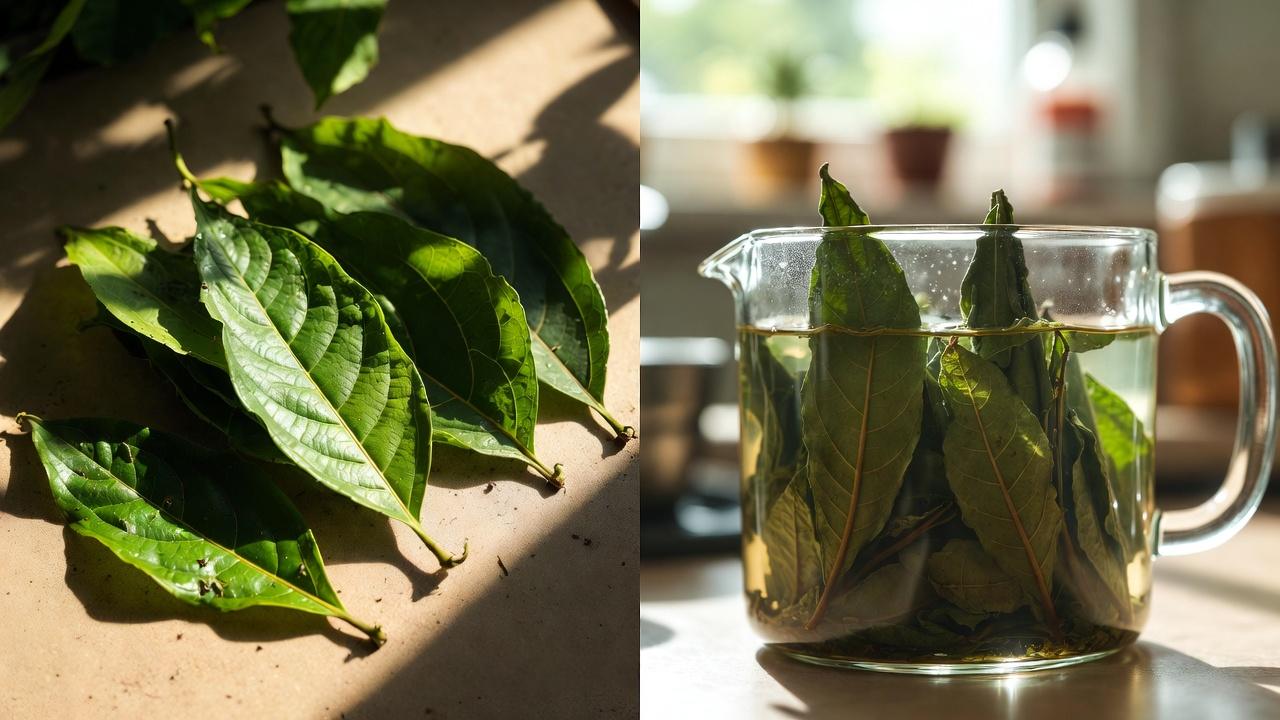
Traditional Uses Around the World
For generations, people in tropical regions have turned to soursop leaf infusions as part of their wellness routines. Common traditional applications include:
- Supporting relaxation and better rest after a long day.
- Aiding mild digestive comfort, such as after heavy meals.
- Promoting a sense of overall balance and energy.
In places like parts of Latin America and Southeast Asia, a warm cup of soursop leaf tea is a simple daily habit for many seeking natural support.
What Emerging Research Suggests About Soursop Leaves
Modern science is taking a closer look at soursop leaves, with studies focusing on their antioxidant and other supportive properties.
Antioxidant Support Multiple lab studies show that soursop leaf extracts demonstrate strong free radical scavenging abilities. For example, they may help protect cells from oxidative damage and support natural enzyme defenses like superoxide dismutase and catalase.
Potential for Comfort and Balance Preliminary research indicates anti-inflammatory effects in animal models, where extracts reduced markers of discomfort. This aligns with traditional uses for occasional aches.
Immune and Digestive Insights The leaves provide vitamin C and other compounds traditionally linked to immune resilience. Some studies note benefits for gut comfort, including relaxation of the digestive tract.
While these findings are encouraging from in vitro and animal research, human clinical trials remain limited. Sources like PubMed reviews highlight the need for more robust evidence before drawing firm conclusions.
How to Prepare a Simple Soursop Leaf Infusion at Home
If you’re curious about incorporating soursop leaves into your routine, here’s an easy, step-by-step guide for a basic tea:
- Use 5-6 dried, clean soursop leaves (ensure they are pesticide-free and sourced responsibly).
- Bring 1 liter of water to a boil.
- Add the leaves, then reduce heat and simmer gently for 5-10 minutes.
- Cover and let it steep for another 10 minutes off the heat.
- Strain and enjoy warm. Add a touch of honey or lemon if desired for taste.
Practical Tips
- Start with 1 cup per day and observe how your body responds.
- Limit to no more than 2 cups daily.
- Choose high-quality, organic leaves when possible.
- Store dried leaves in a cool, dry place.
This simple ritual can become a mindful part of your morning or evening.
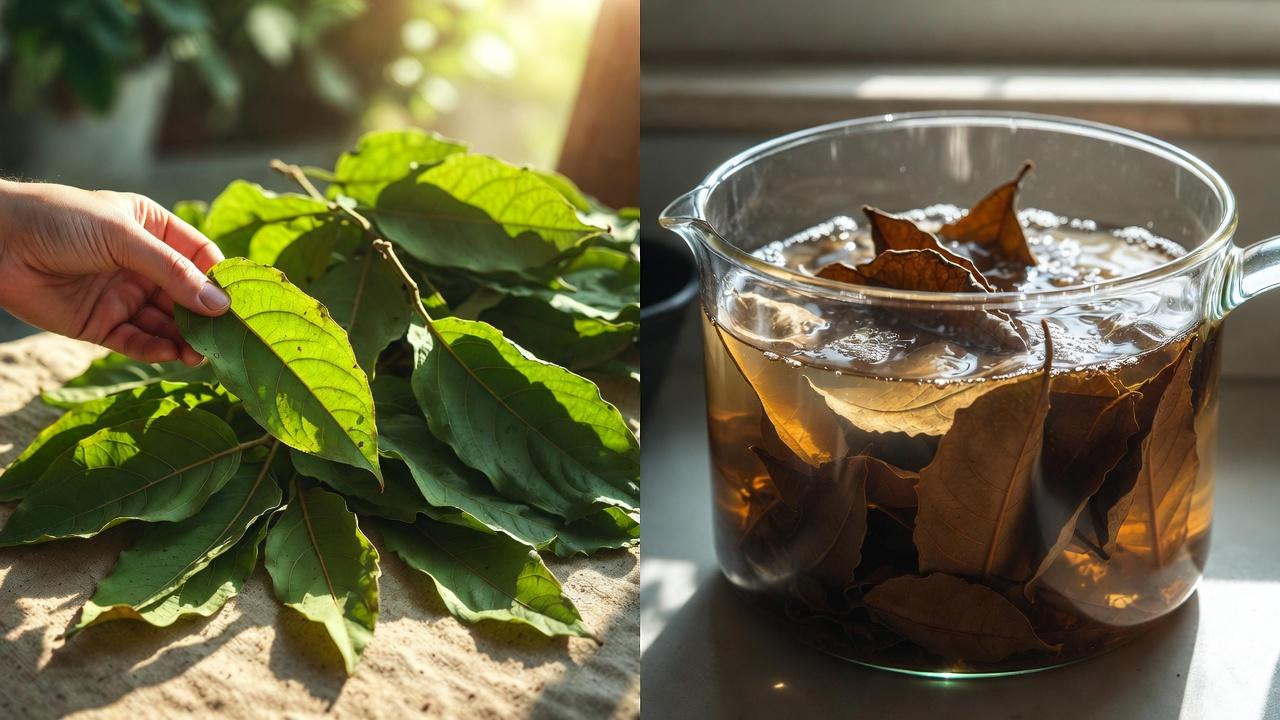
Here are two realistic photos showing the preparation process:
This image captures fresh soursop leaves being carefully selected and laid out to dry naturally under soft sunlight.
Here, dried soursop leaves are steeped in a clear glass pot, showing the gentle infusion process in everyday kitchen light.
Soursop Leaves Compared to Other Herbal Options
To give context, here’s a quick comparison table of soursop leaves with familiar herbs:
| Property | Soursop Leaves | Green Tea | Turmeric |
|---|---|---|---|
| Antioxidant Level | High | High | Medium |
| Traditional Relaxation Support | Medium | Low | Medium |
| Digestive Comfort | High | Medium | High |
| Everyday Immune Notes | High | High | Medium |
This highlights why soursop leaves stand out in certain traditional contexts.
Important Safety Considerations
While soursop leaves are used traditionally, they are not suitable for everyone. Sources like WebMD note that regular or high consumption of leaf tea may pose risks, including potential movement-related concerns similar to neurological conditions. Avoid use during pregnancy or breastfeeding due to insufficient safety data. It may interact with medications for blood pressure, blood sugar, or others—consult a healthcare professional first.
Always prioritize moderation and professional guidance.
Final Thoughts: A Gentle Step Toward Natural Wellness
Soursop leaves remind us how everyday plants can offer simple support for a balanced lifestyle. By exploring them thoughtfully, many people discover a small but meaningful addition to their routines.
Have you tried soursop leaf tea? Share your experiences in the comments below!
Frequently Asked Questions
1. How often can I drink soursop leaf tea? Most people start with 1 cup daily. Limit to 1-2 cups and take occasional breaks. Always listen to your body.
2. Where can I find quality soursop leaves? Look for organic, dried leaves from reputable herbal suppliers or local tropical markets. Ensure they are properly sourced.
3. Is soursop leaf tea safe for long-term use? Short-term use appears common in traditions, but long-term safety lacks extensive human studies. Consult a doctor for personalized advice.
Disclaimer: This article is for informational purposes only and does not constitute medical advice. It is not intended to diagnose, treat, cure, or prevent any disease. Always consult a qualified healthcare provider before adding any herbal remedy to your routine, especially if you have health conditions or take medications.


