
Managing diabetes day to day can feel exhausting. You watch what you eat, stay active, and take your medications as prescribed. Yet the tiredness hangs around, your energy dips in the afternoon, and those little discomforts like tingling in your feet just won’t go away. It’s frustrating when everything seems on track but your body still doesn’t feel quite right.
The truth is, high blood sugar and some common diabetes medications can quietly deplete certain essential nutrients over time. This added stress might make it harder for your cells to respond to insulin and for your nerves to stay healthy. But here’s the encouraging part: research shows that supporting these nutrient levels through diet and careful supplementation can make a real difference in how people feel.
And the most interesting one? We’ll save that for last—keep reading to see why it often stands out.

Why Nutrient Levels Matter More When Living with Diabetes
Diabetes isn’t just about blood sugar—it’s a condition that increases oxidative stress and inflammation throughout the body. Studies have found that people with diabetes often have lower levels of key antioxidants compared to those without the condition.
For example, research indicates that vitamin C concentrations are frequently lower in individuals with type 2 diabetes, even with similar dietary intakes. Similar patterns appear with other vitamins involved in energy metabolism and nerve health.
The good news? Focusing on nutrient-rich foods and discussing options with your doctor can help bridge these gaps. Many find that paying attention to these areas supports better daily energy and comfort.
But that’s not all—let’s look at the three vitamins that research highlights most often.
Vitamin C: Supporting Your Body’s Natural Defenses
Think of vitamin C as a helper that protects cells from daily wear and tear. In diabetes, elevated glucose can compete with vitamin C for entry into cells, leading to lower levels inside tissues where it’s needed most.
Signs you might need more include frequent tiredness, slower healing, or just feeling run down more often.
Studies suggest that adequate vitamin C supports antioxidant activity and may help with inflammation markers. Some research also links it to better vascular health over time.
Low-carb friendly sources:
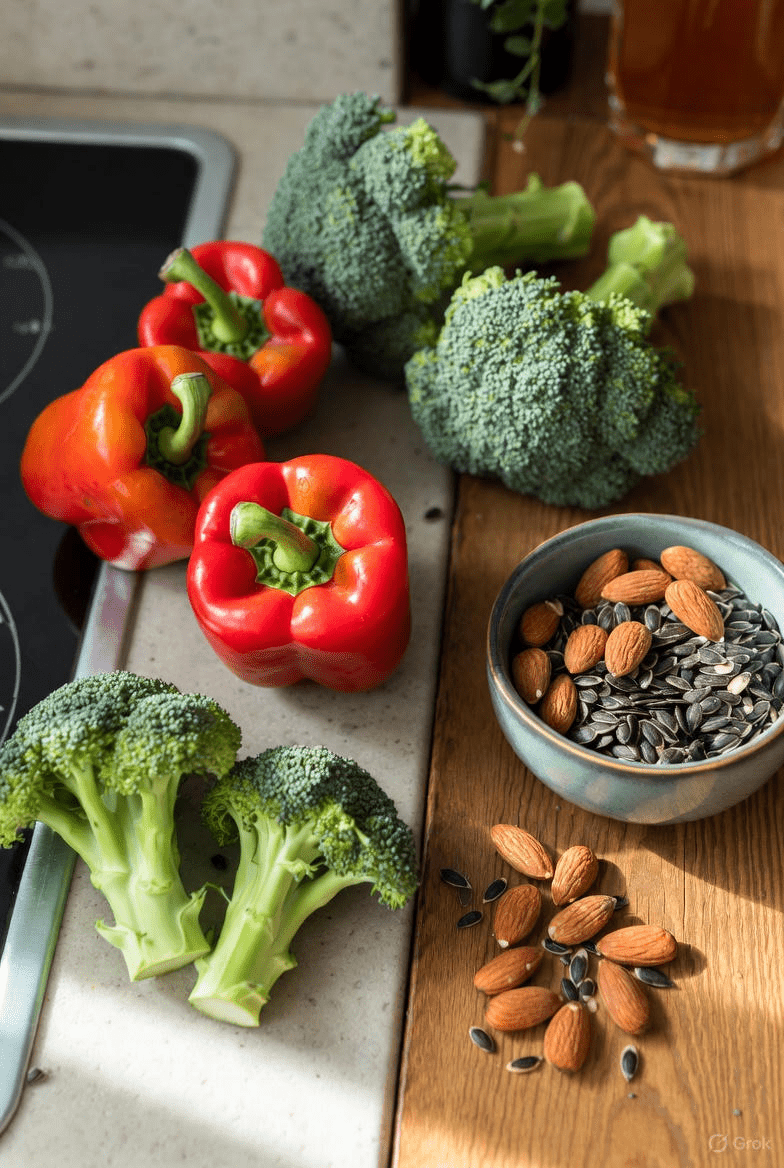
- Red bell peppers (one medium provides nearly 200 mg)
- Broccoli (half a cup cooked offers about 50 mg)
- Strawberries (half a cup has around 50 mg)
- Brussels sprouts
For extra support, liposomal forms may absorb better—talk to your doctor about 500-1000 mg daily if needed.
Here’s the interesting part: vitamin C works even better alongside the next one on our list.
Vitamin E: A Protector for Nerves and Circulation
Vitamin E acts like a shield against oxidative damage, especially important for nerve and blood vessel health. High blood sugar can speed up its use, leaving less available when you need it.
Common hints of lower levels include dry skin, muscle cramps, or subtle changes in sensation.
Research shows vitamin E helps reduce lipid peroxidation—a key factor in oxidative stress. Some studies note improvements in nerve function with adequate levels.
Great low-carb sources:
- Almonds (a handful provides about 7 mg)
- Sunflower seeds
- Avocados
- Spinach
Natural forms with mixed tocopherols are often recommended. Aim for 200-400 IU daily if supplementing, after checking with your healthcare provider.
Now, we come to the vitamin that surprises many—the one tied closely to common medications.
Vitamin B6 (Preferably as P-5-P): Key for Energy and Nerve Support
Vitamin B6 in its active form, pyridoxal-5-phosphate (P-5-P), plays a big role in how your body uses insulin and maintains nerve health. Yet, long-term use of metformin—one of the most prescribed diabetes medications—can lower B6 levels over time.
This might show up as occasional brain fog, restless sensations, or irritability.
Studies link metformin use to higher risk of B6 deficiency, and adequate levels support homocysteine metabolism—a factor in heart and kidney health.
Food sources include:
- Salmon
- Chicken
- Chickpeas (in moderation)
- Tuna
Many prefer the P-5-P supplement form at 25-50 mg daily for better absorption.
Here’s a quick comparison to help you decide where to start:
| Vitamin | Potential Areas of Support | Time to Notice Changes | Best Sources |
|---|---|---|---|
| Vitamin C | Antioxidant defense, energy, immunity | 1-4 weeks | Bell peppers, broccoli, strawberries |
| Vitamin E | Nerve comfort, circulation | 4-12 weeks | Almonds, sunflower seeds, avocados |
| Vitamin B6 (P-5-P) | Insulin signaling, nerve repair | 2-8 weeks | Salmon, chicken, supplement preferred |
A Gentle 30-Day Plan to Build Better Habits
Start small for the best results—introduce one change at a time and track how you feel.
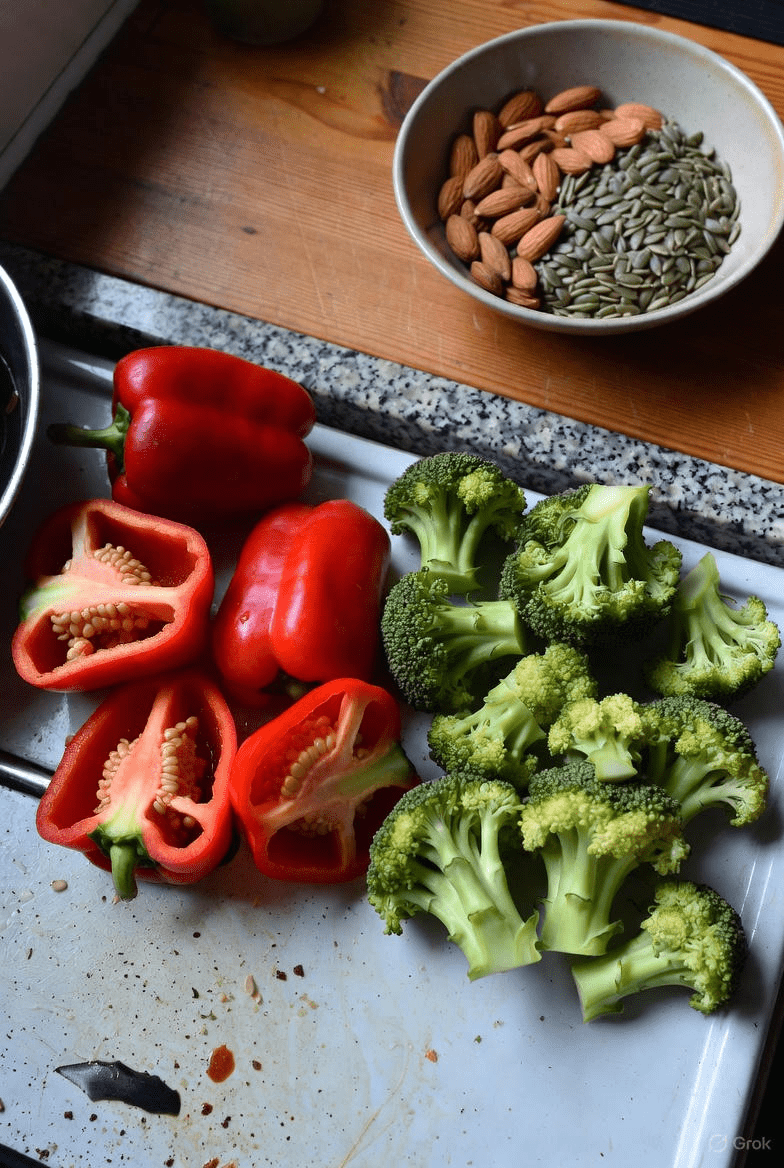
Week 1: Add vitamin C-rich foods like bell peppers or broccoli to meals. Consider 500 mg liposomal vitamin C in the morning.
Week 2: Include a handful of almonds or sunflower seeds daily. Add natural vitamin E (200-400 IU) if discussed with your doctor.
Week 3: Continue the above and introduce P-5-P (25-50 mg). Enjoy salmon or chicken a few times.
Week 4: Maintain the routine. Focus on variety with avocados, leafy greens, and berries.
Many notice steadier energy and calmer days by the end.
Tips for Safe and Steady Progress
- Introduce one vitamin at a time to see what works best for you.
- Take with meals for better comfort.
- Track your fasting glucose and energy levels weekly.
- Always consult your doctor, especially if on metformin or other medications.
This approach focuses on supporting your body’s needs naturally.
Frequently Asked Questions
Which vitamin should I focus on first if I take metformin?
Many start with B6 (as P-5-P), since research links metformin to lower levels. Discuss testing with your doctor.
Can I get enough from food alone?
Yes, for many—especially with low-carb veggies, nuts, and proteins. Supplements can help if levels are low.
How soon might I notice differences?
Changes often begin in weeks, but everyone is different. Consistency matters most.
Final Thoughts
Supporting these three vitamins through food and mindful choices can help you feel more energized and comfortable day to day. It’s not about quick fixes, but giving your body the tools it needs.
Which one will you try first—Vitamin C, E, or B6? Small steps today can add up to meaningful differences tomorrow.
This information is for educational purposes only and is not medical advice. Always consult your healthcare provider before starting supplements or making changes, especially with diabetes or medications. They can check your levels and guide personalized choices.


