
Many people experience occasional breathing discomfort, like a nagging cough or tightness in the chest during seasonal changes, making everyday activities feel more challenging. At the same time, digestive upset such as loose stools or mild bloating can leave you feeling drained and searching for gentle, natural support options. For generations, communities worldwide have turned to a widespread herb called Euphorbia hirta, commonly known as the asthma plant, to help navigate these moments of unease. And toward the end of this guide, you’ll learn about one surprisingly straightforward traditional preparation method passed down through families that keeps drawing interest even today.
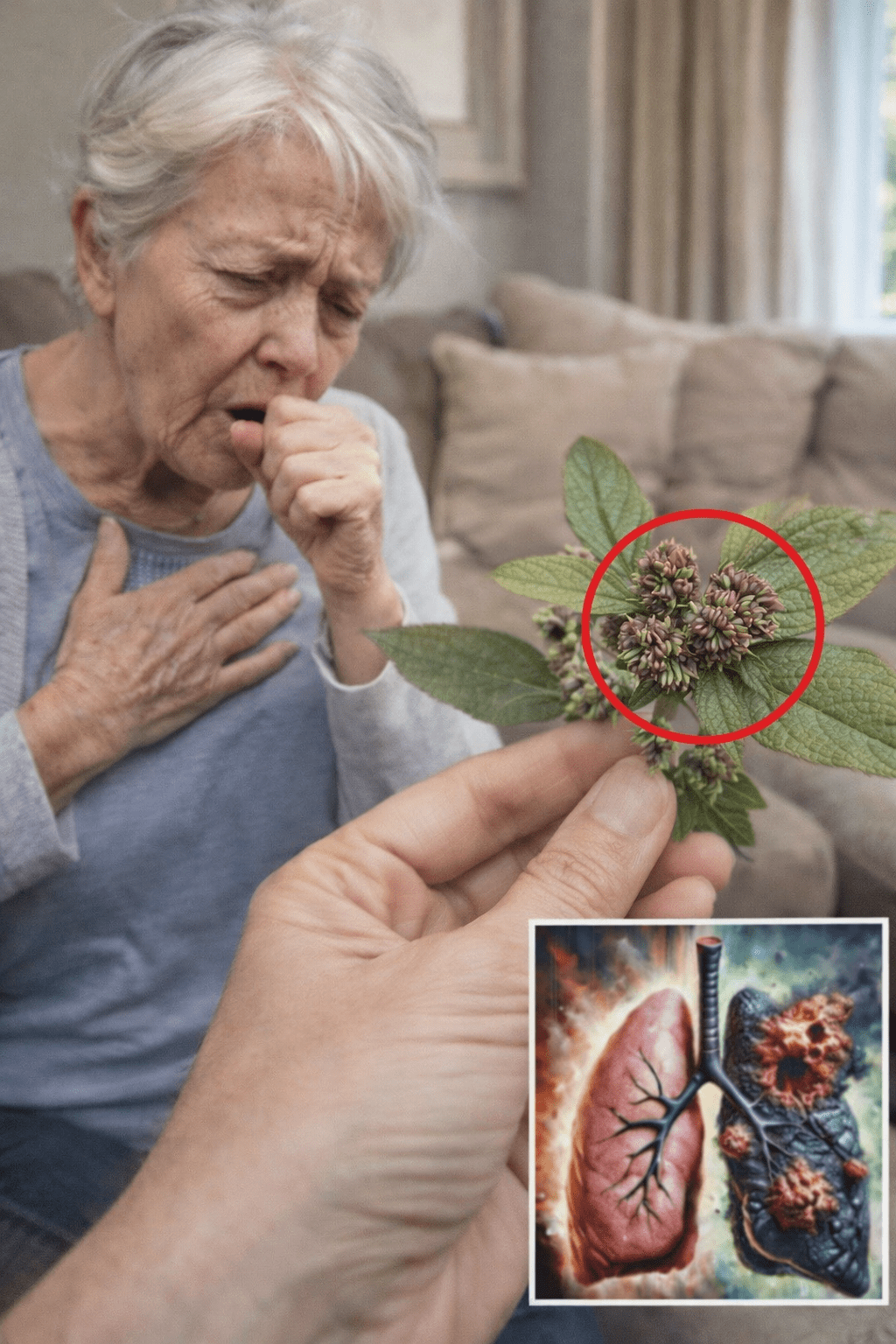
What Is Euphorbia Hirta, the Asthma Plant?
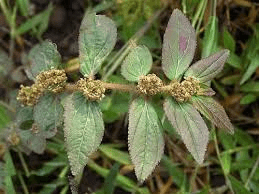
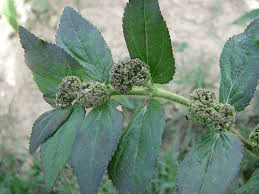
Euphorbia hirta is a small, low-growing annual herb from the Euphorbiaceae family. It spreads easily along the ground with thin, branched stems, tiny oval leaves, and clusters of minuscule flowers. You can spot it thriving in warm, tropical and subtropical areas—often in gardens, along roadsides, or in empty lots across Asia, Africa, Latin America, and Australia.
When broken, the plant releases a characteristic milky sap, typical of the Euphorbia genus. It goes by many local names: tawa-tawa in the Philippines, dudhi in India, and snakeweed in some Caribbean regions. Its nickname “asthma plant” stems from centuries of traditional use in various cultures for supporting respiratory comfort.
But there’s much more to this unassuming weed than its name suggests.
Why Traditional Practices Have Long Valued It for Respiratory Support
Communities across continents have historically prepared Euphorbia hirta to ease everyday breathing challenges.
Here are some of the most frequently mentioned traditional applications for respiratory wellness:
- Brewing a tea from the whole aerial parts to help calm persistent coughs
- Using it during episodes of seasonal discomfort or bronchitis-like symptoms
- Supporting the loosening and clearing of mucus in the airways
Research interest has grown because studies have identified flavonoids such as quercitrin and rutin, which in lab and animal models show potential bronchodilator and anti-inflammatory properties. These compounds may contribute to relaxing airway muscles and reducing swelling. While human clinical trials remain limited, the consistent cross-cultural use continues to inspire scientific exploration.
But that’s not all…
How It’s Traditionally Used for Digestive Comfort
Digestive concerns represent another key area where Euphorbia hirta has appeared in folk practices.
In regions like Southeast Asia and Africa, people have turned to it for:
- Occasional loose stools or dysentery-like episodes
- Mild stomach cramps and bloating
- General intestinal irritation
The plant contains tannins, which have natural astringent qualities that may help tighten tissues and reduce excess fluid in the intestines. Lab studies have noted antimicrobial effects against certain bacteria associated with digestive issues, and some animal research suggests protective effects on the stomach lining.
Here’s a quick comparison of its primary traditional roles:
| Area of Traditional Use | Common Preparation Method | Key Compounds Noted in Studies |
|---|---|---|
| Respiratory support | Whole-plant tea or decoction | Flavonoids, triterpenoids |
| Digestive comfort | Leaf or whole-plant decoction | Tannins, phenolic acids |
| Minor skin & wound care | Fresh latex or poultice | Saponins, alkaloids |
This breakdown highlights how different parts and natural compounds align with various needs.
Other Interesting Traditional Applications
The plant’s story extends beyond lungs and digestion.
Traditional uses also include:
- Applying the milky sap to minor cuts, boils, or warts for potential healing support
- Drinking tea as a mild diuretic to aid kidney function and reduce minor swelling
- Using it during fever episodes for general comfort, especially in some tropical regions
In places like the Philippines, tawa-tawa tea has been prepared during outbreaks to support overall hydration and wellness. Preliminary lab and animal studies have explored platelet-related effects, though more research is needed.
The fascinating part? Many of these diverse roles link back to the same blend of bioactive compounds.
Key Phytochemicals That Science Continues to Explore
Modern analysis reveals a rich profile of natural compounds in Euphorbia hirta:
- Flavonoids (like quercitrin, rutin, myricitrin) — known for antioxidant and anti-inflammatory potential
- Tannins — with astringent and antimicrobial properties
- Triterpenoids — studied for possible immune-modulating effects
- Phenolic acids — supporting general cellular health
Together, these create what researchers describe as a “polypharmacological” profile—multiple gentle actions from one plant.
A Simple Traditional Preparation Method You Can Consider
If you’re interested in exploring the classic approach (always consult a healthcare provider first), here’s a straightforward method commonly shared in traditional practices:
- Gather fresh aerial parts (leaves, stems, flowers) or source reputable dried herb from a trusted supplier.
- Rinse thoroughly under running water to remove any dirt.
- Use about 10–15 grams of fresh material (or 5–7 grams dried) per cup of water.
- Bring the water to a boil, add the plant material, then simmer gently for 10–15 minutes.
- Strain carefully and allow to cool slightly before sipping 1–2 cups daily during periods of discomfort.
Start small to observe how your body responds, and never exceed moderate traditional amounts.
Important Safety Considerations Before Trying
Euphorbia hirta is generally viewed as safe in traditional moderation. However, keep these points in mind:
- The milky latex can irritate skin or eyes—wear gloves when handling fresh plants.
- Excessive use might lead to nausea or stomach upset.
- Avoid during pregnancy or breastfeeding due to limited safety data.
- Always talk to a qualified healthcare professional first, especially if you have health conditions or take medications.
Wrapping Up the Story of This Everyday Herb
Euphorbia hirta, the modest asthma plant, shows how common plants have quietly supported wellness practices around the world for centuries. From respiratory comfort to digestive ease and minor skin applications, its history sparks ongoing scientific curiosity. Approach it as a gentle complementary option alongside professional medical advice.
Frequently Asked Questions
What exactly is the asthma plant? It’s the common name for Euphorbia hirta, a widespread herb traditionally used in many cultures for supporting respiratory and digestive wellness.
How do people traditionally prepare Euphorbia hirta? The most popular way is boiling the fresh or dried aerial parts to make a tea or decoction, usually sipped 1–2 times per day in moderate amounts.
Is Euphorbia hirta considered safe for general use? It’s generally regarded as safe in traditional doses, but pregnant or nursing individuals, and those on medications, should consult a healthcare provider first.
Disclaimer: This article is for educational and informational purposes only. It is not intended to diagnose, treat, cure, or prevent any disease. Always consult a qualified healthcare professional before using any herbal remedy, especially if you have existing health conditions or are taking medications.


