As we get older, many of us notice little changes—like occasional stiffness in the mornings, feeling a bit more bloated after meals, or just not having the same energy for daily activities. These common experiences can make everyday tasks feel harder, leaving us searching for gentle ways to feel more comfortable and vibrant. The good news is that something as straightforward as including more nutrient-rich vegetables in your diet can make a real difference—and there’s one underrated option that’s easy to find, affordable, and incredibly versatile.
But here’s what makes this even more interesting: this humble squash has been a staple in traditional diets around the world for generations, and modern insights are starting to highlight why so many people swear by it. Keep reading to uncover practical ways to enjoy it, backed by what we know from nutrition research—and a simple recipe that might become your new go-to.
What Is Chayote and Why Is It Worth Trying?
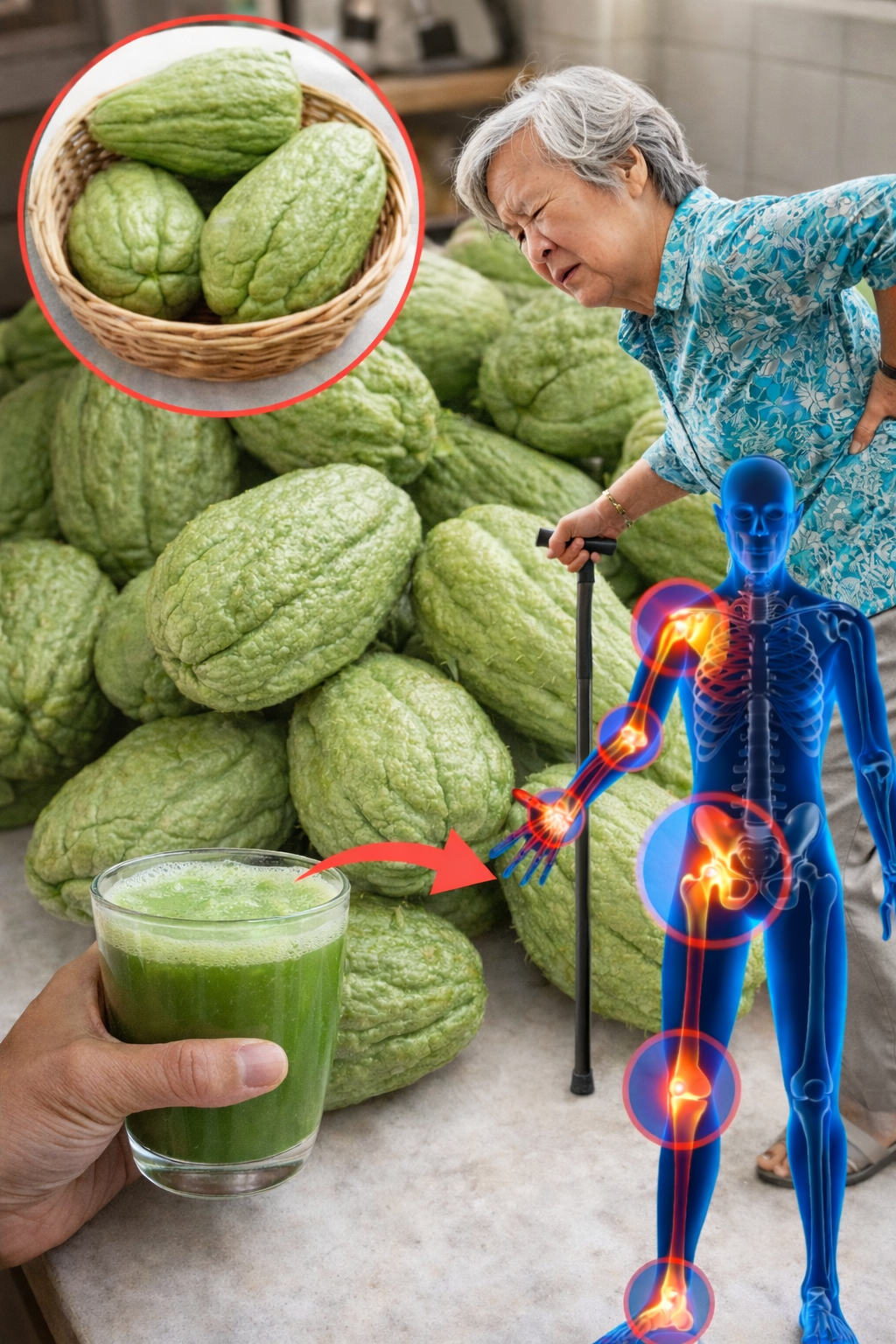
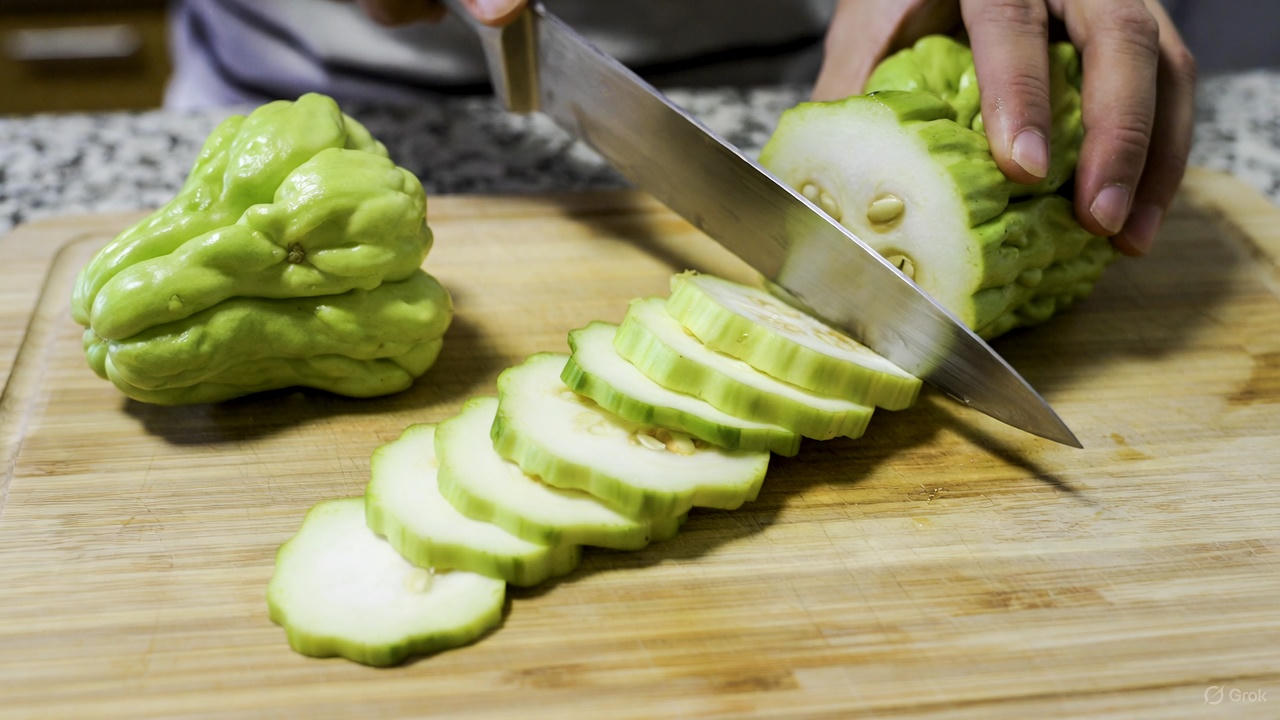
Chayote, also known as chayote squash or vegetable pear, is a mild-tasting green squash from the cucurbit family (like cucumbers and melons). It’s popular in Latin American, Asian, and Caribbean kitchens, where it’s used in everything from stir-fries to soups.
What sets it apart? It’s low in calories but packed with water, fiber, vitamins, and minerals. According to USDA data, one cup of raw chayote provides:
- About 25 calories
- High water content (over 90%)
- Good sources of vitamin C, folate, and potassium
- Dietary fiber for digestive support
Research, including reviews in journals like Food Chemistry, notes that chayote contains beneficial plant compounds like flavonoids and polyphenols. These contribute to its role as a nutritious addition to meals.
But that’s not all—its neutral flavor means it blends seamlessly into recipes without overpowering other ingredients.
The Nutritional Breakdown of Chayote
Understanding what’s inside chayote helps explain why it’s such a smart choice. Here’s a quick look at key nutrients per 100 grams (raw, based on reliable sources like USDA):
- Vitamin C: Around 8-10 mg (supports immune function and collagen production)
- Folate: Up to 93 mcg (important for cell health)
- Potassium: About 125-170 mg (helps with fluid balance)
- Fiber: 1-2 grams (aids digestion)
- Antioxidants: Including quercetin and myricetin (plant compounds studied for their protective effects)
Studies, such as one published in Antioxidants, suggest that regular inclusion of chayote in the diet may support overall antioxidant levels in the body.
This combination makes it a gentle, everyday food that fits easily into balanced eating habits.
5 Ways Chayote Can Support Your Daily Wellness
Incorporating chayote into your routine is simple, and here’s how its nutrients may contribute to feeling your best:
Supports Comfortable Movement and Flexibility
Vitamin C in chayote plays a role in collagen formation, which is key for healthy connective tissues. Many people find that foods rich in this vitamin help maintain daily mobility.
Why it matters: As we age, keeping tissues strong can make activities like walking or gardening feel easier.
Helps Maintain Healthy Fluid Balance
With its natural water content and potassium, chayote acts as a mild diuretic in traditional use. This can support the body’s natural process of managing excess fluids.
Research notes: Potassium helps balance electrolytes, which is why diets higher in this mineral are linked to better fluid regulation.
Contributes to Heart-Friendly Habits
Low in sodium and a source of potassium, chayote fits well into heart-healthy eating patterns. Some small studies, like one on chayote juice, observed positive effects on blood pressure in participants.
The science: Potassium supports relaxed blood vessels, promoting better circulation.
Promotes Smooth Digestion
The fiber in chayote adds bulk to meals, helping with regularity and gut comfort.
Here’s a simple list of fiber benefits:
- Encourages healthy bowel movements
- Feeds beneficial gut bacteria
- Helps you feel fuller longer
Studies show that higher fiber intake from vegetables like this supports digestive wellness.
Provides a Gentle Energy Boost
Folate and other compounds help with efficient oxygen transport in the body, which can translate to sustained daily energy.
Bonus: Its antioxidants may help combat everyday oxidative stress, as seen in research on older adults.
Easy Ways to Add Chayote to Your Meals
Ready to try it? Here are actionable tips:
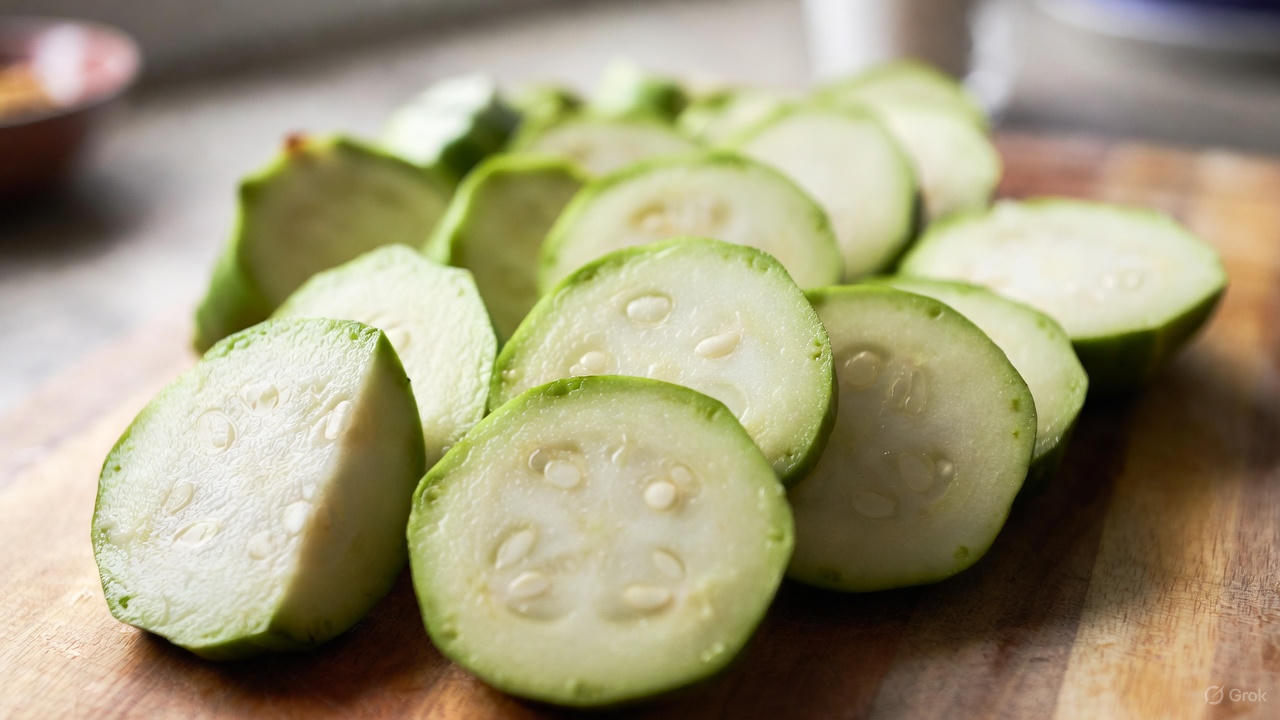
- Prep it simply: Wash, peel if desired (the skin is edible), and remove the seed.
- Raw option: Slice thinly for salads—its crisp texture is refreshing.
- Cooked ideas:
- Sauté with garlic and olive oil
- Add to soups or stews (it absorbs flavors well)
- Stuff and bake like peppers
- Stir-fry with your favorite veggies
Start small: Aim for 1-2 servings a week and build from there.
A Soothing Chayote Tea Recipe to Try
In many cultures, chayote is enjoyed as a warm beverage. Here’s an easy version using the fruit:
Ingredients (for 2 cups):
- 1 medium chayote, washed and thinly sliced (skin on for extra nutrients)
- 2 cups water
- Optional: A slice of lemon or a touch of honey for flavor
Steps:
- Add sliced chayote to a pot with water.
- Bring to a boil, then simmer on low for 10-15 minutes.
- Strain into a mug.
- Sip warm in the morning or evening.
Tip: Use the cooked slices in a side dish—toss with a little olive oil and herbs.
This mild tea is a relaxing way to enjoy chayote’s hydration benefits.
How to Choose and Store Chayote for Best Results
Look for firm, unblemished squash with smooth skin. Store in the fridge for up to 2-3 weeks. It’s widely available year-round and budget-friendly.
Here’s a quick comparison of preparation methods:
| Method | Texture | Best For | Time |
|---|---|---|---|
| Raw | Crisp, juicy | Salads, slaws | No cook |
| Boiled/Simmered | Soft, tender | Soups, teas | 10-15 min |
| Sautéed | Lightly crisp | Side dishes | 5-10 min |
| Baked | Creamy inside | Stuffed recipes | 30-40 min |
Variety keeps it interesting!
Conclusion: Make Chayote Your Everyday Ally
Adding chayote to your meals is an easy, affordable way to boost nutrition with a versatile vegetable that’s been enjoyed for centuries. Its blend of fiber, vitamins, minerals, and plant compounds supports digestion, fluid balance, energy, and overall comfort—making it a great choice for anyone looking to nourish their body naturally.
Start with one of the tips above, and you might find it becomes a regular favorite.
Frequently Asked Questions
1. How much chayote should I eat daily?
Most people enjoy 1-2 cups a few times a week. Listen to your body and vary your vegetables for balanced nutrition.
2. Can I eat the skin and seed?
Yes—the skin is nutrient-rich and edible when cooked. The seed is soft and can be eaten too.
3. Is chayote safe during pregnancy?
It’s a good source of folate, which supports fetal development. As with any food, enjoy in moderation as part of a varied diet.
Disclaimer: This article is for informational purposes only and is not intended to diagnose, treat, cure, or prevent any disease. Always consult your healthcare provider before making significant changes to your diet, especially if you have health conditions or take medications.
(Word count: approximately 1350)