You’ve likely spotted those odd white or yellowish lumps nestled in the back of your throat at some point, perhaps while brushing your teeth or checking for a sore throat. These tiny formations can release an unpleasant odor that lingers, making you self-conscious during conversations or close interactions. The frustration builds when mouthwash or mints only mask the issue temporarily, leaving you wondering about the root cause and simple ways to address it. But here’s a hint: by the end of this article, you’ll uncover an unexpected everyday habit that might be contributing more than you think.
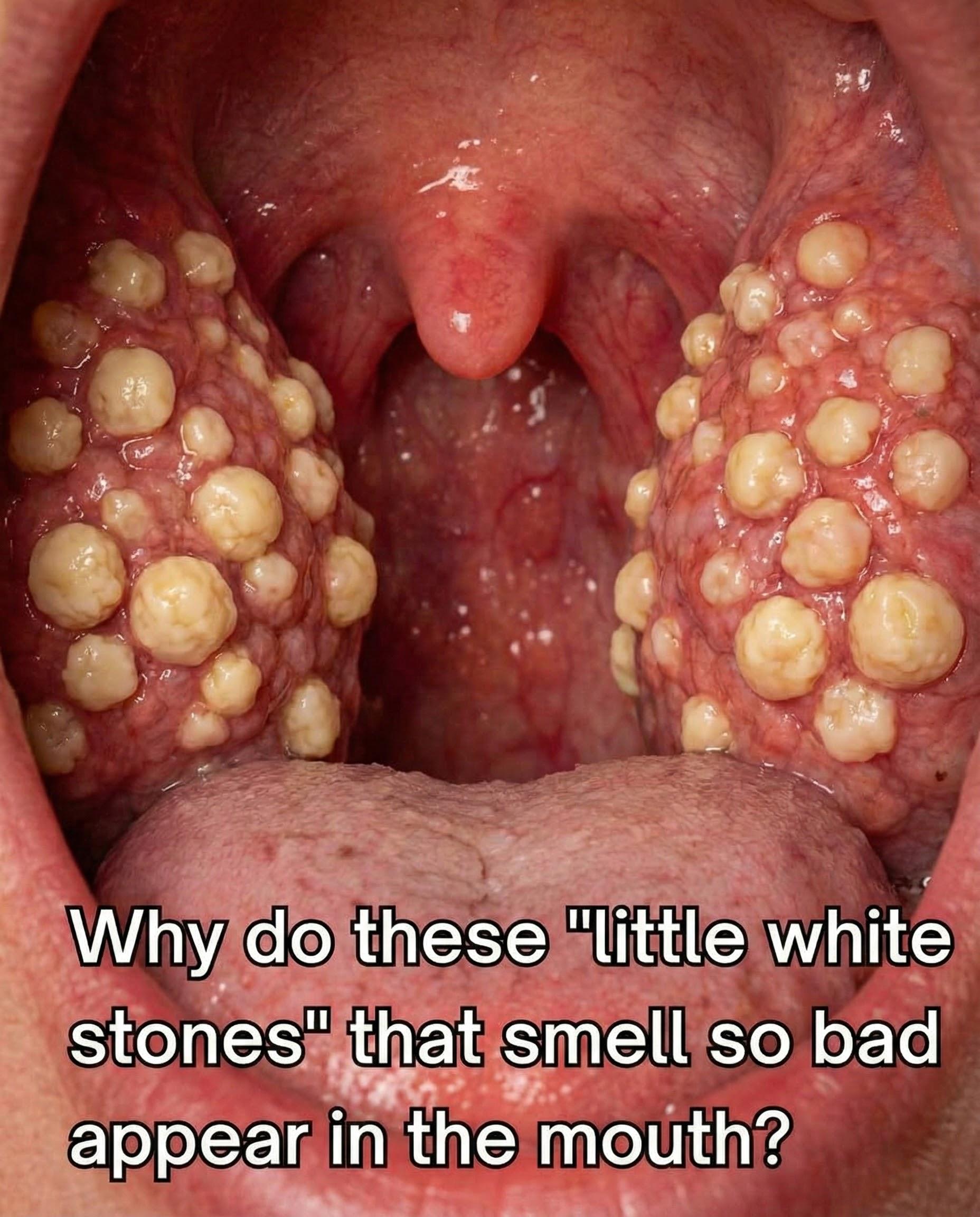
What Exactly Are These White Stones in the Mouth?
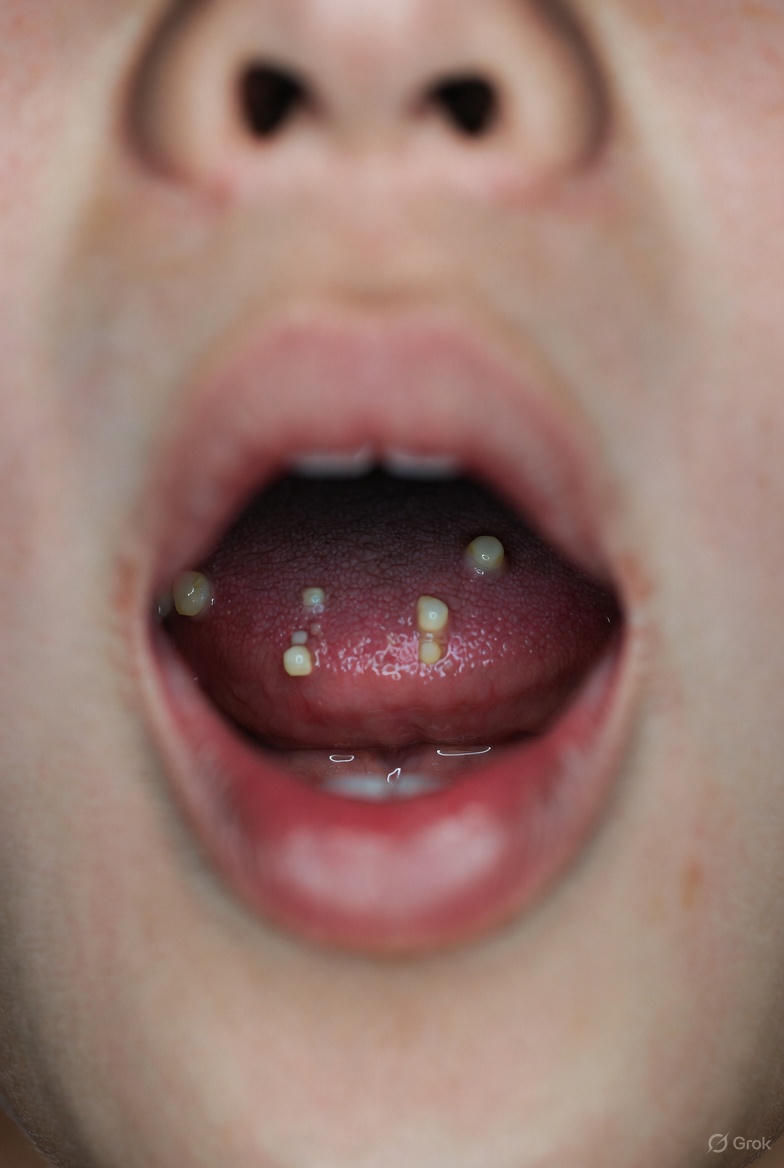
Those small white stones you’re noticing are commonly known as tonsil stones, or tonsilloliths in more technical terms. They form in the crevices of your tonsils, which are the two fleshy pads at the back of your throat that help filter out germs.
Picture your tonsils like a pair of natural guards. Over time, bits of food, dead cells, and bacteria can get trapped in their nooks and crannies. When these materials harden due to minerals like calcium, they turn into those pebble-like stones.
Research from health organizations shows that tonsil stones are quite common, affecting up to 10% of people at some point. They’re usually harmless but can become a nuisance if they grow larger.
But that’s not all. These stones aren’t just random debris—they’re a sign that your oral environment might need a little extra attention.
Common Causes Behind the Formation of Tonsil Stones
Understanding why these stones appear can help you take proactive steps. Several factors contribute to their development, often linked to daily habits.
First, poor oral hygiene plays a big role. If you skip thorough brushing or flossing, food particles linger and mix with saliva, creating a breeding ground for bacteria.
Chronic sinus issues or post-nasal drip can also lead to more mucus buildup, which gets trapped in the tonsils. This excess mucus hardens over time.
Large tonsils with deep crypts are more prone to trapping debris. Some people naturally have more pronounced folds in their tonsils, making stone formation easier.
Here’s the thing: diet matters too. Consuming a lot of dairy products might increase mucus production for some, exacerbating the issue.
Dehydration is another culprit. When you’re not drinking enough water, your mouth gets dry, and saliva flow decreases, allowing debris to accumulate more readily.
Studies indicate that bacterial overgrowth, particularly from anaerobic bacteria, contributes to the calcification process.
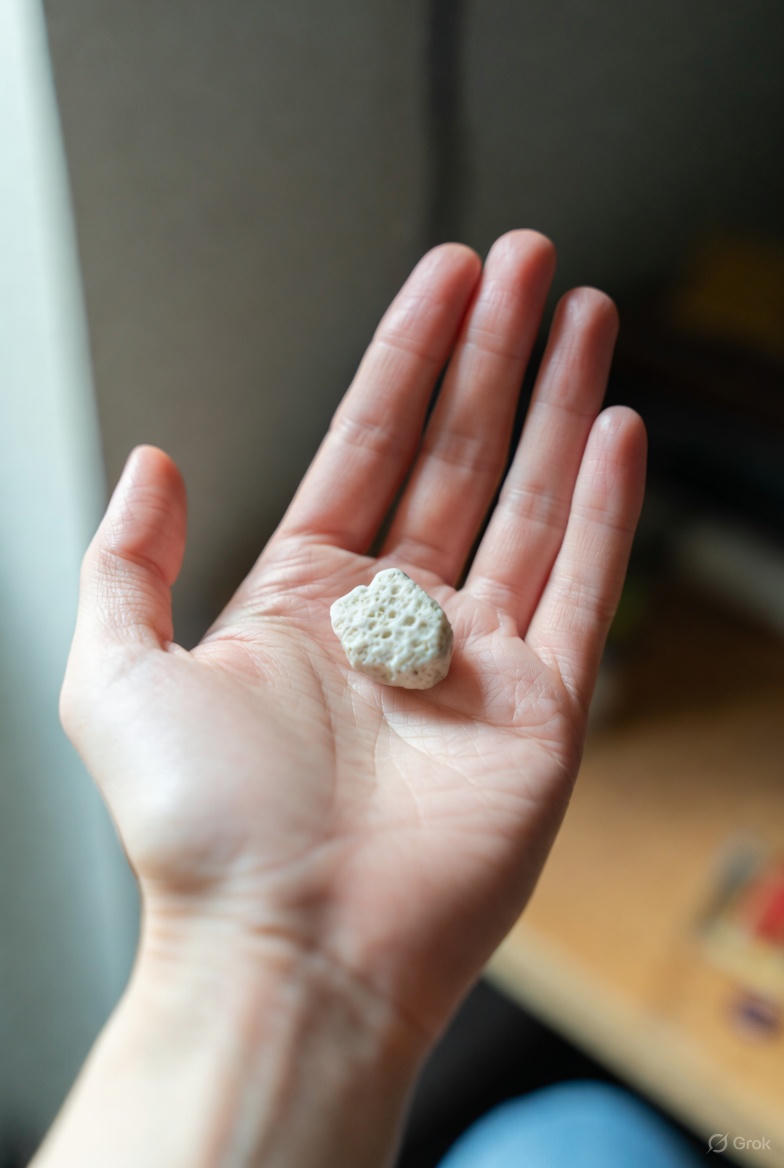
Recognizing the Symptoms of Tonsil Stones
You might not always see the stones, but their effects can be hard to ignore. Bad breath is the most noticeable symptom, often described as a rotten egg smell due to sulfur compounds produced by bacteria.
A persistent sore throat or discomfort when swallowing can occur if the stones irritate the surrounding tissue.
Some people experience ear pain, even though the issue is in the throat—this happens because of shared nerve pathways.
Visible white or yellow spots on the tonsils are a clear sign. If you gently press on your tonsils, a stone might even pop out.
Coughing fits might happen as your body tries to dislodge them naturally.
In rare cases, larger stones can cause a feeling of something stuck in your throat, leading to frequent throat clearing.
Sự thật là, many people have tonsil stones without realizing it until they cause noticeable discomfort.
How to Prevent Tonsil Stones from Forming
Prevention starts with building better habits. Here’s a step-by-step guide to keep your tonsils clear.
- Brush twice a day: Use a soft-bristled toothbrush to gently clean the back of your tongue and tonsils if comfortable.
- Floss daily: This removes food particles that could otherwise get trapped.
- Stay hydrated: Aim for at least 8 glasses of water a day to maintain saliva flow.
- Gargle regularly: Use warm salt water to rinse out debris—mix 1 teaspoon of salt in a cup of warm water.
- Limit dairy if needed: If you notice more mucus after dairy, try reducing intake and observe changes.
Research suggests that maintaining good oral hygiene can significantly reduce the occurrence of tonsil stones.
But wait, there’s more. Incorporating probiotic-rich foods like yogurt might help balance oral bacteria.
Simple Home Remedies to Manage Tonsil Stones
If stones have already formed, you don’t always need professional help. Try these approachable methods at home.
Start with gargling. Warm salt water can loosen stones and reduce inflammation. Do this 2-3 times a day.
A non-alcoholic mouthwash can freshen your breath and dislodge small particles. Opt for ones with oxygenating properties.
Using a cotton swab gently, you can try to remove visible stones. Wet the swab and press lightly below the stone to pop it out.
A water flosser or oral irrigator on a low setting can flush out crypts effectively.
Apple cider vinegar diluted in water might help break down stones due to its acidity—gargle with 1 tablespoon in a cup of water.
Here’s the interesting part: some find relief by coughing vigorously, as it can expel stones naturally.
Always be gentle to avoid irritating your throat.
Comparing Home Remedies for Tonsil Stones
| Remedy | How It Works | Pros | Cons |
|---|---|---|---|
| Salt Water Gargle | Loosens debris and reduces bacteria | Inexpensive, easy to do | May not remove large stones |
| Cotton Swab | Manual removal | Immediate results | Risk of gagging or injury if not careful |
| Water Flosser | Flushes out crypts | Effective for prevention | Requires device purchase |
| Apple Cider Vinegar | Dissolves minerals | Natural option | Strong taste, potential enamel wear if overused |
| Mouthwash | Kills bacteria | Quick and refreshing | Not as targeted for deep crypts |
This table highlights options based on common experiences and general advice.
When Should You Seek Professional Advice?
While home approaches work for many, sometimes expert input is wise. If stones are large and cause ongoing pain, or if you have frequent infections, consult a healthcare provider.
They might recommend a thorough cleaning or, in persistent cases, discuss other options.
Recurrent tonsil stones could signal underlying issues like chronic tonsillitis.
Don’t ignore swelling or difficulty breathing—these require immediate attention.
Studies show that for some, addressing allergies or sinus problems can reduce stone formation.
Lifestyle Changes to Support Oral Health
Beyond direct remedies, broader habits make a difference. Eating a balanced diet with plenty of fruits and vegetables supports overall immunity.
Quitting smoking, if applicable, reduces irritation and debris buildup in the throat.
Regular dental check-ups ensure any oral issues are caught early.
Exercise can improve circulation, indirectly benefiting oral health.
And remember that surprising habit I mentioned earlier? It’s nasal breathing. Mouth breathing at night can dry out your throat, promoting stone formation. Try taping your mouth gently or using nasal strips to encourage nose breathing.
Conclusion
Those small, smelly white stones in your mouth, known as tonsil stones, arise from trapped debris in your tonsils but can often be managed with simple habits like better hygiene and gargling. By staying informed and proactive, you can minimize their impact on your daily life. Remember, consistency in oral care is key to keeping your throat comfortable.
Frequently Asked Questions (FAQ)
What causes the bad smell from tonsil stones?
The odor comes from volatile sulfur compounds produced by bacteria breaking down debris in the stones. Good hygiene helps reduce this.
Can tonsil stones go away on their own?
Yes, small ones often dislodge naturally through coughing or swallowing, but larger ones may need manual help.
Are tonsil stones a sign of something serious?
Usually not, but if accompanied by frequent infections or pain, it’s worth checking with a professional for underlying issues.
This information is for educational purposes only and not a substitute for professional medical advice. Always consult a healthcare provider for personalized guidance.
(Word count: 1,248)