Many people reach for familiar fruits and vegetables when looking to add more wholesome foods to their meals. Yet, overlooked options like banana blossom often get passed by in stores, even though they’ve been part of traditional diets in Asia for generations. This can leave you missing out on a versatile ingredient that brings both flavor and nourishment to the table.
The frustration builds when everyday eating feels routine or lacks variety, making it harder to stay excited about healthy choices. Banana blossom, with its unique texture and mild taste, offers a fresh way to mix things up without much effort.
But here’s the interesting part: this teardrop-shaped flower isn’t just another veggie—it’s packed with nutrients that make it worth exploring further. Keep reading to uncover simple ways to prepare it and why it might become a new favorite in your kitchen.
What Is Banana Blossom?
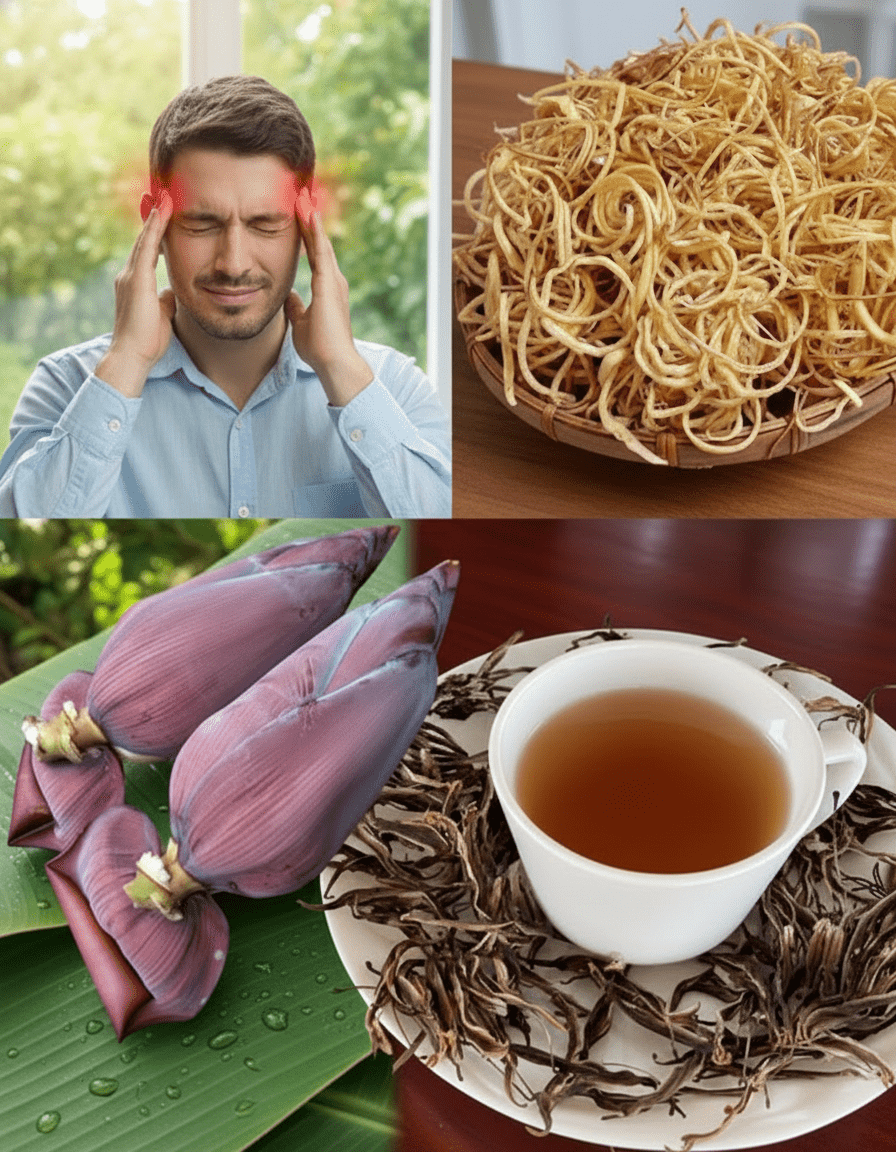
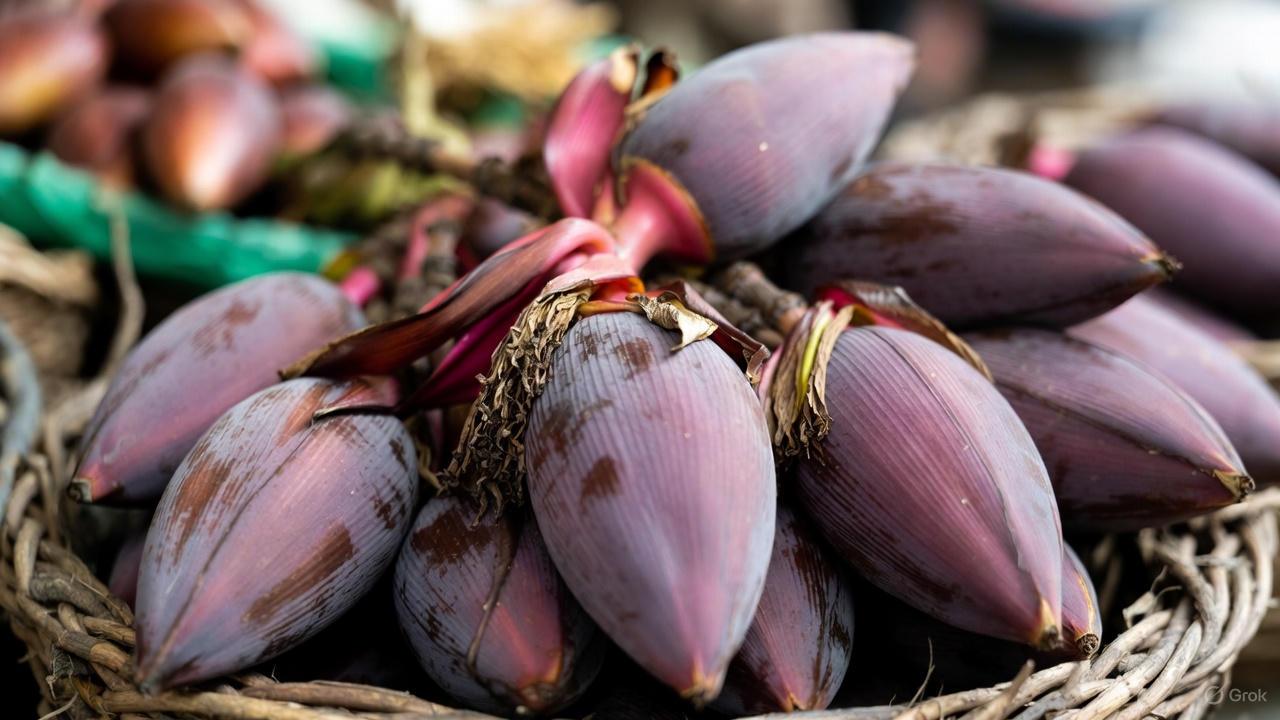
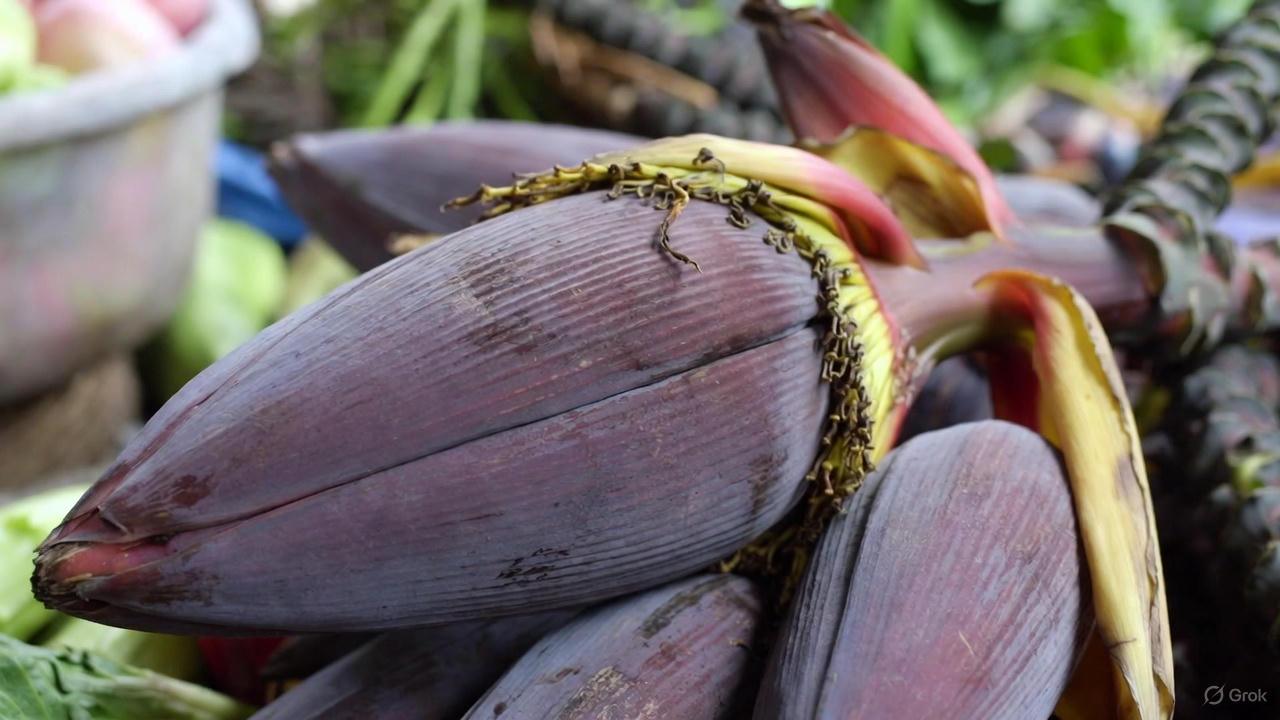
Banana blossom, also called banana flower or banana heart, is the edible bloom that hangs at the end of a banana bunch. It has layered purple bracts protecting tender inner florets.
When prepared, it offers a mild, slightly earthy flavor similar to artichoke hearts. Its texture is tender yet fibrous, absorbing spices beautifully.
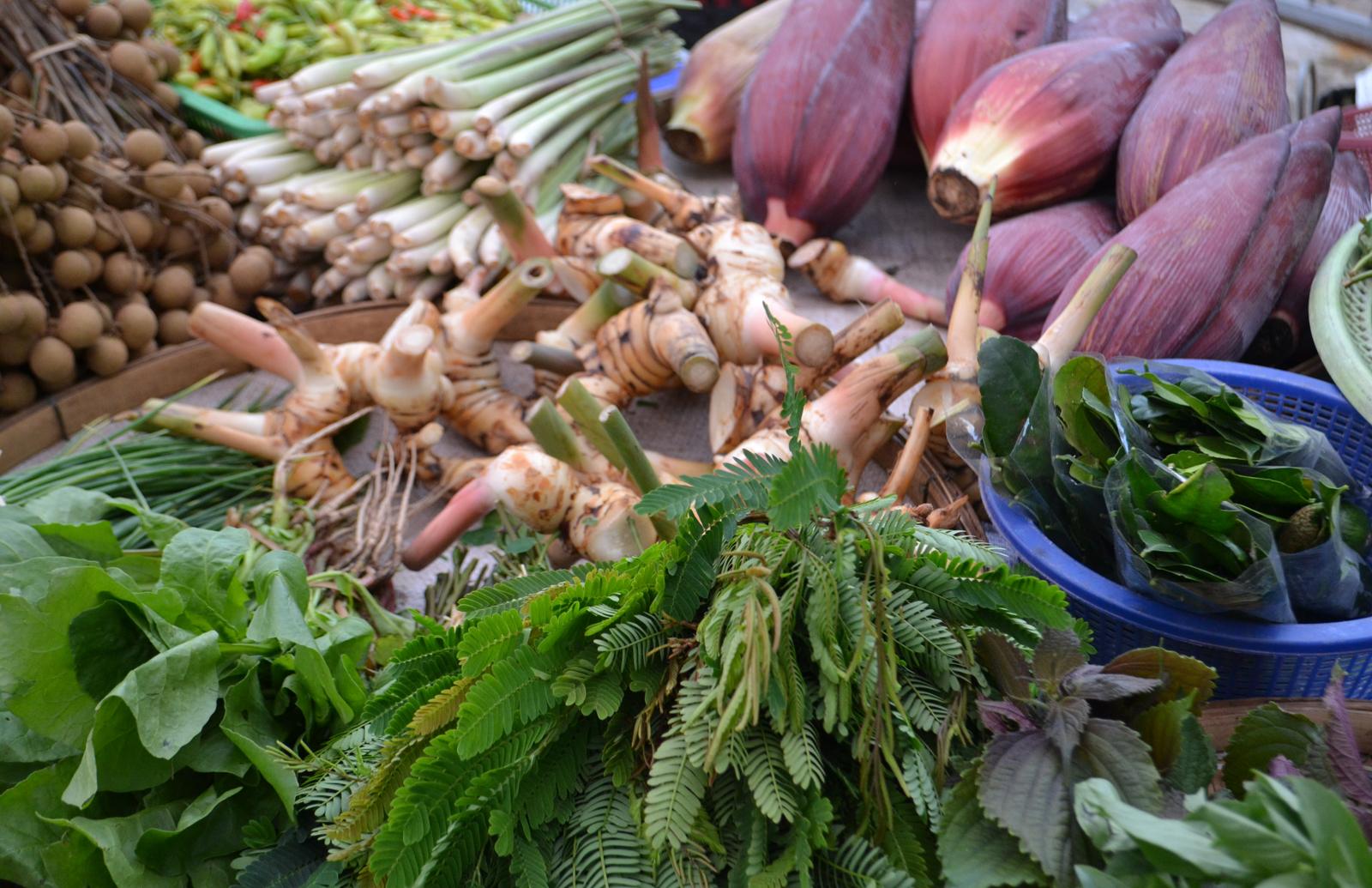
You can find it fresh in Asian markets, canned in brine, or sometimes dried. Research shows it’s rich in dietary fiber, vitamins like C and E, and minerals such as potassium and magnesium.
These elements contribute to its role in balanced diets across tropical regions.
Nutritional Highlights of Banana Blossom
Banana blossom stands out for its nutrient density in a low-calorie package.
Studies, including those published in journals like the African Journal of Biotechnology, note that per 100 grams, it provides around 5-6 grams of dietary fiber, modest protein, and antioxidants like flavonoids and polyphenols.
It also contains essential minerals: potassium for fluid balance, iron for energy support, and magnesium for overall wellness.
The fiber mix—both soluble and insoluble—helps with satiety and digestive regularity.
Antioxidants such as quercetin and catechins combat oxidative stress, as highlighted in reviews on its phytochemical profile.
This makes it a supportive addition to meals focused on whole foods.
Ways Banana Blossom May Support Digestive Comfort
High fiber content is one reason banana blossom fits well into routines aimed at gut health.
Insoluble fiber adds bulk to promote regular bowel movements, while soluble fiber nourishes beneficial gut bacteria.
Animal studies, like one in Cholesterol journal, suggest it may reduce oxidative stress linked to high-fat diets, indirectly supporting digestive calm.
Many enjoy it in curries or stir-fries for its ability to enhance fullness without heaviness.
Pairing it with balanced meals can contribute to overall digestive ease.
But that’s not all—its low glycemic nature also plays a role in steady energy.
How Banana Blossom Fits into Balanced Blood Sugar Routines
With a naturally low glycemic load, banana blossom is a common choice in traditional diets emphasizing metabolic health.
Fiber slows carbohydrate absorption, helping maintain stable energy.
Preliminary research, including computer-simulated studies on its antioxidants, indicates compounds like quercetin may influence enzymes involved in sugar processing.
This aligns with its use in plant-based meals for sustained vitality.
Incorporating it alongside whole grains or proteins can further support mindful eating habits.
Supporting Natural Fullness and Mindful Eating
Feeling satisfied after meals often comes from fiber-rich choices.
Banana blossom’s high fiber and low calories promote a sense of fullness, reducing the urge for frequent snacks.
This can be helpful in routines focused on portion awareness and balanced appetite.
Traditional preparations, like salads or light curries, make it easy to include.
The reality is, small additions like this can make a noticeable difference over time.
Antioxidant Support from Banana Blossom
Flavonoids, tannins, and other plant compounds in banana blossom provide antioxidant properties.
These help protect cells from everyday oxidative stress, a factor in healthy aging.
Studies on its extracts show potential in neutralizing free radicals.
Enjoying it regularly as part of a varied diet rich in produce amplifies these benefits.
This is where its traditional roots shine—centuries of use back its place on the plate.
Traditional Roles in Women’s Wellness and Postpartum Nourishment
In regions like India and Southeast Asia, banana blossom has long been valued in postpartum diets.
Some cultures view it as a galactagogue, potentially supporting milk supply in breastfeeding mothers due to its nutrient profile.
Minerals like iron and calcium nourish during recovery phases.
Always pair traditional foods with professional guidance during breastfeeding.
Its gentle nature makes it a comforting addition to nourishing meals.
Simple Steps to Prepare Fresh Banana Blossom
Preparing fresh banana blossom is straightforward with a few tips.
- Peel away tough outer purple bracts until reaching tender inner layers.
- Separate the florets and remove the stiff pistil and calyx from each.
- Slice the heart and florets thinly.
- Soak in water with lemon juice or vinegar for 10-15 minutes to reduce bitterness and prevent discoloration.
- Rinse well before cooking.
Canned versions skip these steps—just drain and rinse.
Delicious Ways to Incorporate Banana Blossom
Banana blossom shines in a variety of dishes.
- Curries: Simmer with coconut milk, turmeric, and spices for a warming South Indian-style meal.
- Salads: Toss prepared florets with lime, herbs, chili, and peanuts for a fresh Thai-inspired yum hua plee.
- Stir-Fries: Sauté with garlic, ginger, and vegetables for quick weeknight sides.
- Vegan Alternatives: Batter and fry for a flaky, seafood-like texture in plant-based recipes.
Its mild flavor pairs well with bold seasonings.
Here are two easy ideas to try:
Banana Blossom Curry
Sauté onions, garlic, and spices. Add prepared blossom, coconut milk, and simmer until tender. Serve with rice.
Fresh Banana Blossom Salad
Mix soaked and chopped blossom with lime juice, fresh herbs, shredded veggies, and a touch of chili.
These keep prep simple and flavorful.
Precautions and Tips for Enjoying Banana Blossom
Always cook banana blossom thoroughly—raw consumption isn’t recommended.
If you have latex or banana allergies, avoid it or consult a professional.
Start with small amounts if new to it.
Pair with diverse foods for balanced nutrition.
Final Thoughts on Adding Banana Blossom to Your Meals
Banana blossom brings a unique blend of tradition, nutrition, and versatility to everyday eating.
From its fiber for digestive support to antioxidants for cellular health, it’s a worthwhile ingredient to explore.
Simple preparations open up new flavors while aligning with holistic wellness approaches.
Frequently Asked Questions
1. Where can I buy banana blossom? Look in Asian grocery stores for fresh or canned. Online retailers often carry canned versions in brine.
2. Does banana blossom taste like bananas? No—its flavor is mild and earthy, more like artichoke, not sweet like the fruit.
3. Can I eat banana blossom every day? In moderation as part of a varied diet, yes. It adds fiber and nutrients without excess calories.
Disclaimer: This article is for informational purposes only and not intended to diagnose, treat, or prevent any condition. Consult a healthcare professional before making dietary changes, especially if pregnant, breastfeeding, or managing health concerns.