
Many people experience occasional discomfort from seasonal changes, like stuffy noses or irritated throats that make breathing feel less effortless. These everyday annoyances can build up, leaving you feeling drained and searching for simple ways to feel more comfortable. But nature often provides subtle support right under our feet, and one such plant might be growing in your yard without you realizing its potential.
Imagine overlooking a versatile herb that generations have turned to for wellness—purple deadnettle could be that hidden gem. In this guide, we’ll explore its basics and practical uses. Stick around to the end, where I’ll share an unexpected tip on incorporating it that could transform your approach to natural habits.
What Is Purple Deadnettle?
Purple deadnettle, known scientifically as Lamium purpureum, is a member of the mint family. It’s a low-growing annual plant often found in gardens, lawns, and disturbed areas across many regions.
This plant thrives in cool weather, popping up in early spring and fall. It can reach up to 12 inches tall, with square stems typical of mint relatives.
The leaves are heart-shaped with gently toothed edges, arranged oppositely along the stem. Upper leaves often have a purplish tint, giving the plant its name.
But that’s not all—its small, tubular flowers cluster at the stem tips, ranging from pink to purple. These blooms attract pollinators like bees.
Research from botanical sources notes it’s native to Europe and Asia but has naturalized widely in North America. It’s non-stinging, unlike true nettles, making it safe to handle.
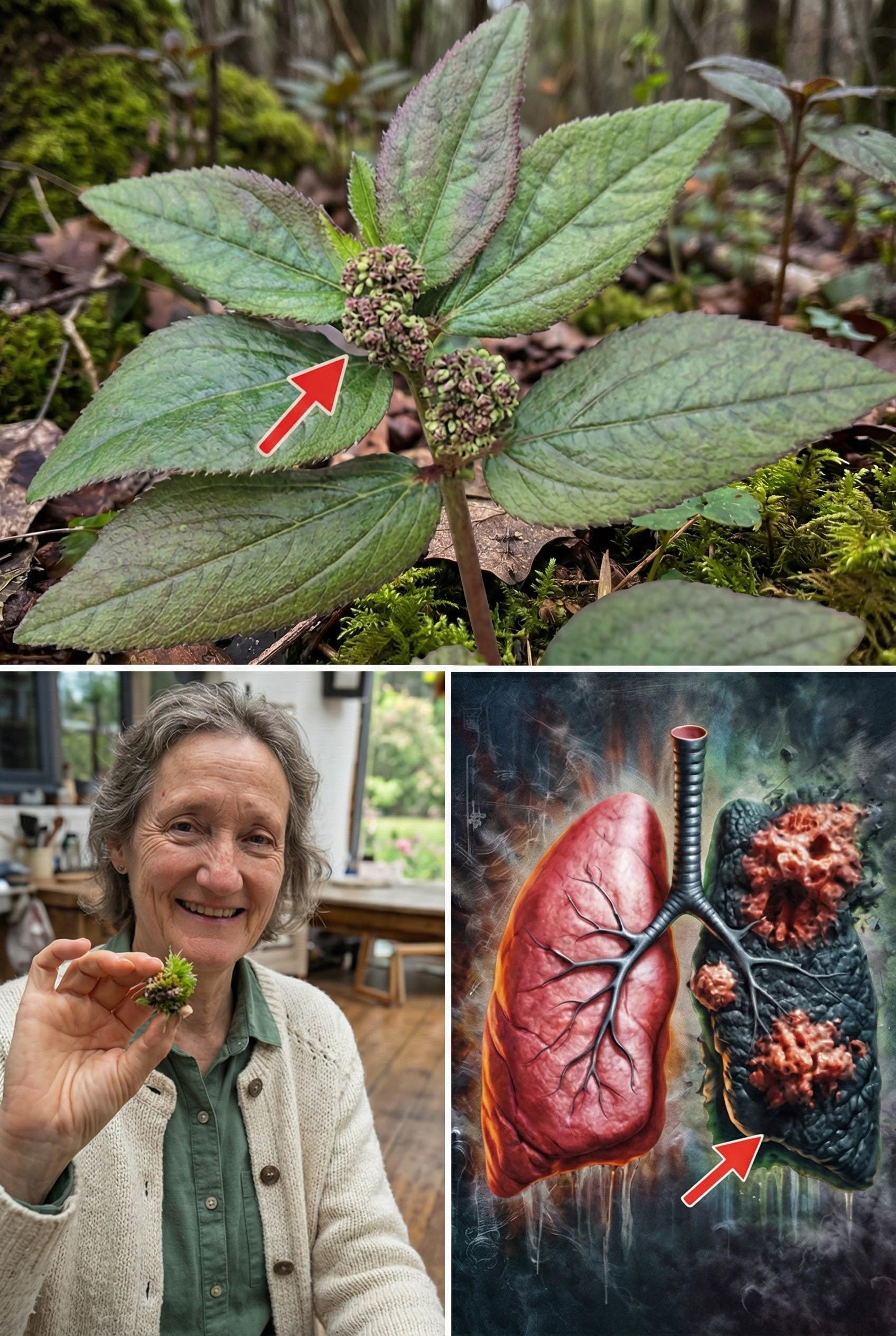
How to Identify Purple Deadnettle in Your Yard
Spotting purple deadnettle starts with its distinctive features. Look for the square stems—if you roll one between your fingers, it feels angular.
Check the leaves: They’re soft, slightly fuzzy, and the top ones show that reddish-purple hue, especially in cooler conditions.
Flowers are key too. They form dense whorls at the ends, resembling tiny snapdragon-like blooms in shades of magenta.
To avoid confusion, compare it to henbit, a similar plant with rounder leaves and more spaced-out flowers. Purple deadnettle has denser clusters.
Here’s the interesting part: It often grows in patches, so once you find one, scan nearby for more. Always confirm identification using a reliable field guide or app.
Traditional Uses of Purple Deadnettle
For centuries, people have incorporated purple deadnettle into folk practices. It’s valued in herbal traditions for its mild properties.
Studies suggest it contains compounds like flavonoids and phenolic acids, which contribute to its antioxidant effects. These may help support overall cellular health.
In historical contexts, it’s been used topically for minor skin irritations due to its soothing qualities.
But wait, there’s more—some cultures brew it into teas for digestive comfort during meals.
Research from the Journal of Ethnopharmacology highlights its role in European herbalism, where it’s noted for general wellness support.
Potential Benefits for Everyday Wellness
Purple deadnettle offers a range of compounds that align with healthy habits. Its vitamin C content, for instance, supports immune function as part of a balanced diet.
Antioxidant properties from its polyphenols may help combat everyday oxidative stress, according to preliminary lab studies.
For those interested in natural anti-inflammatory options, early research points to its potential in this area, though more studies are needed.
Sustainability is a bonus—harvesting from your yard reduces reliance on store-bought alternatives.
The truth is, incorporating such plants can encourage mindfulness in daily routines, fostering a connection to nature.
Supporting Respiratory Comfort Naturally
Many turn to herbs for seasonal support, and purple deadnettle has a place in this tradition.
Traditionally, it’s been steeped in hot water to create infusions that soothe during cooler months.
Some reports indicate it may help with occasional congestion by promoting mucus flow, based on anecdotal use.
A study in Phytotherapy Research explored similar mint family plants, suggesting mild expectorant qualities.
However, always pair this with other healthy practices like staying hydrated and getting fresh air.
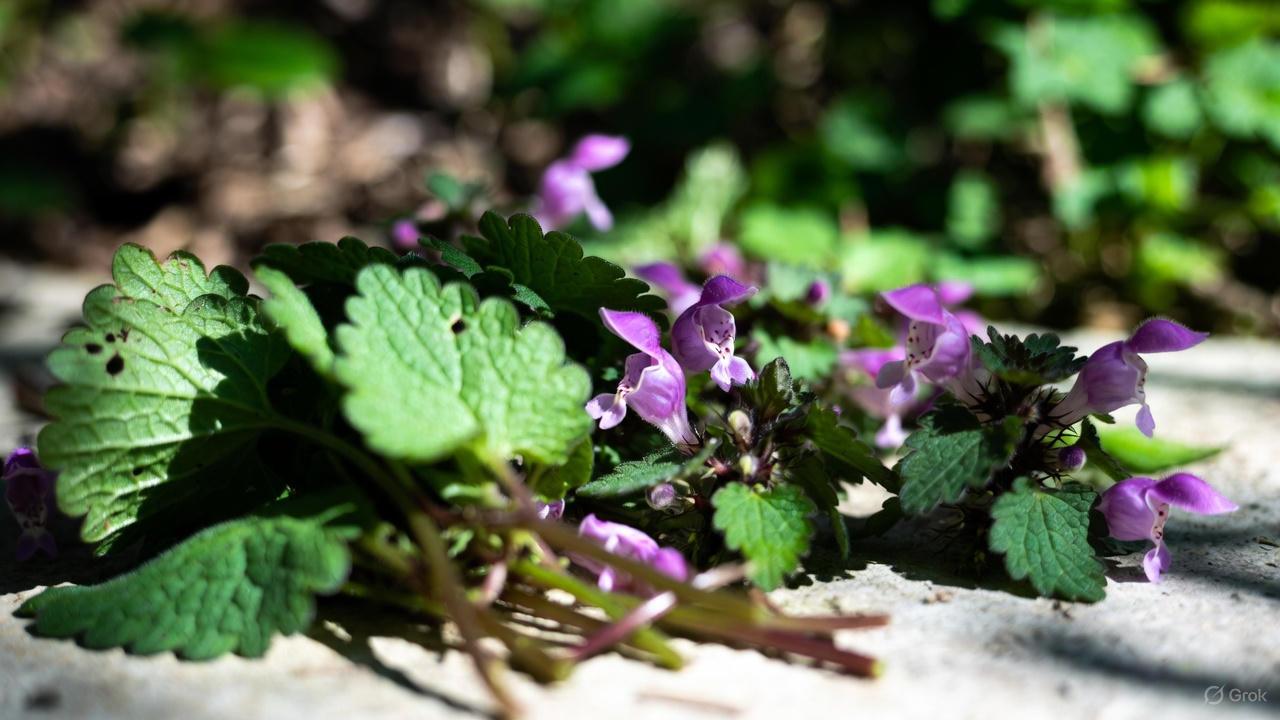
Nutritional Profile of Purple Deadnettle
This plant packs nutrients in its edible parts. Fresh leaves provide vitamins A and C, essential for skin and immune health.
It also contains minerals like iron and calcium, contributing to daily intake when added to meals.
Compared to spinach, it has similar iron levels but with a milder flavor.
Here’s a quick comparison table:
| Nutrient | Purple Deadnettle (per 100g) | Spinach (per 100g) |
|---|---|---|
| Vitamin C | 20-30 mg | 28 mg |
| Iron | 2-3 mg | 2.7 mg |
| Calcium | 150-200 mg | 99 mg |
Data based on general herbal analyses; actual values vary by growing conditions.
This makes it a nutritious addition to salads or smoothies.
How to Harvest Purple Deadnettle Safely
Start by choosing clean areas away from pesticides or roadsides. Harvest in the morning when plants are fresh.
Use scissors to snip the top 4-6 inches, including leaves and flowers. Avoid pulling roots to allow regrowth.
Wash thoroughly under cool water to remove dirt. Pat dry with a towel.
Store fresh harvests in the fridge for up to a week, or dry for longer use.
Key tip: Only take what you need to sustain local populations.
Simple Ways to Prepare and Use It
Drying is straightforward. Spread leaves on a screen in a shaded, airy spot for 3-5 days.
Once dry, store in airtight jars away from light.
For fresh use, chop and add to salads for a mild, earthy taste.
Brew tea by steeping 1-2 teaspoons of dried herb in hot water for 5 minutes.
Here’s a step-by-step guide to making infused oil:
- Gather fresh leaves and flowers.
- Chop and place in a jar.
- Cover with carrier oil like olive.
- Let sit in sun for 2 weeks, shaking daily.
- Strain and use for skin applications.
Recipes to Try at Home
Experimenting keeps things fun. Try a simple tea blend with lemon balm for added flavor.
For a salad: Mix chopped purple deadnettle with greens, tomatoes, and a light vinaigrette.
Smoothie idea: Blend with berries, yogurt, and a handful of leaves for a nutrient boost.
But that’s not everything—infuse in honey for a sweet twist on herbal support.
These recipes encourage creativity in your kitchen.
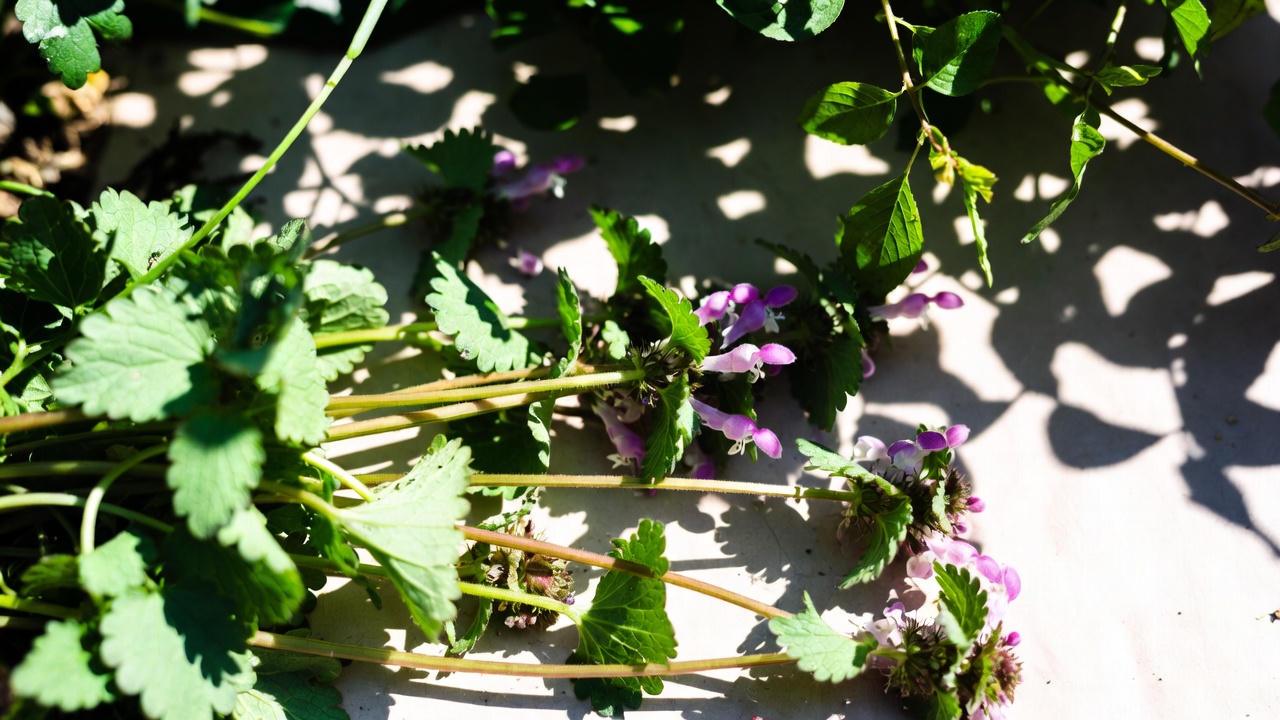
Precautions and Considerations
While generally safe for most, start with small amounts to check for reactions.
Pregnant or nursing individuals should consult professionals before use.
Avoid if you have allergies to mint family plants.
Sourcing from clean areas is crucial to prevent contamination.
Remember, this complements, not replaces, professional advice.
Integrating Purple Deadnettle into Your Lifestyle
Build habits gradually. Start with one cup of tea weekly, noting how it fits your routine.
Combine with walks to forage, boosting physical activity.
Track in a journal to see patterns in your wellness.
The real value lies in sustainable practices that connect you to nature.
By now, you’ve likely realized its versatility.
Conclusion
Purple deadnettle is more than a weed—it’s a plant with historical uses and nutritional potential that can enhance daily habits. From identification to simple recipes, incorporating it mindfully may add variety to your routine. Explore responsibly and enjoy the process of discovering backyard treasures.
And that surprising tip? Try fermenting the leaves lightly for a probiotic boost—mix with salt, pack in a jar, and let sit for a few days. It adds a tangy flavor to dishes while supporting gut health alongside respiratory traditions.
FAQ
What does purple deadnettle taste like?
It has a mild, slightly earthy flavor similar to spinach or mild greens, making it versatile in recipes without overpowering other ingredients.
Can I grow purple deadnettle at home?
Yes, it grows easily from seeds in partial shade with moist soil. It’s low-maintenance and can even be container-grown for easy access.
Is purple deadnettle safe for pets?
Generally, it’s non-toxic to cats and dogs, but monitor for any unusual reactions and consult a vet if unsure.
This article is for informational purposes only and not intended as medical advice. Always consult a healthcare provider before adding new herbs to your routine, especially if you have existing health conditions.


