
Many people experience occasional respiratory discomfort, like coughing or wheezing during seasonal changes, which can make daily activities feel challenging and disrupt peaceful nights. This discomfort often lingers, leaving you searching for natural ways to feel more at ease, yet common options don’t always provide the relief you’re hoping for. The good news is that a humble plant growing in many backyards and roadsides has been used for generations in traditional practices to support respiratory comfort—and you might be surprised by how easy it is to incorporate into your routine.
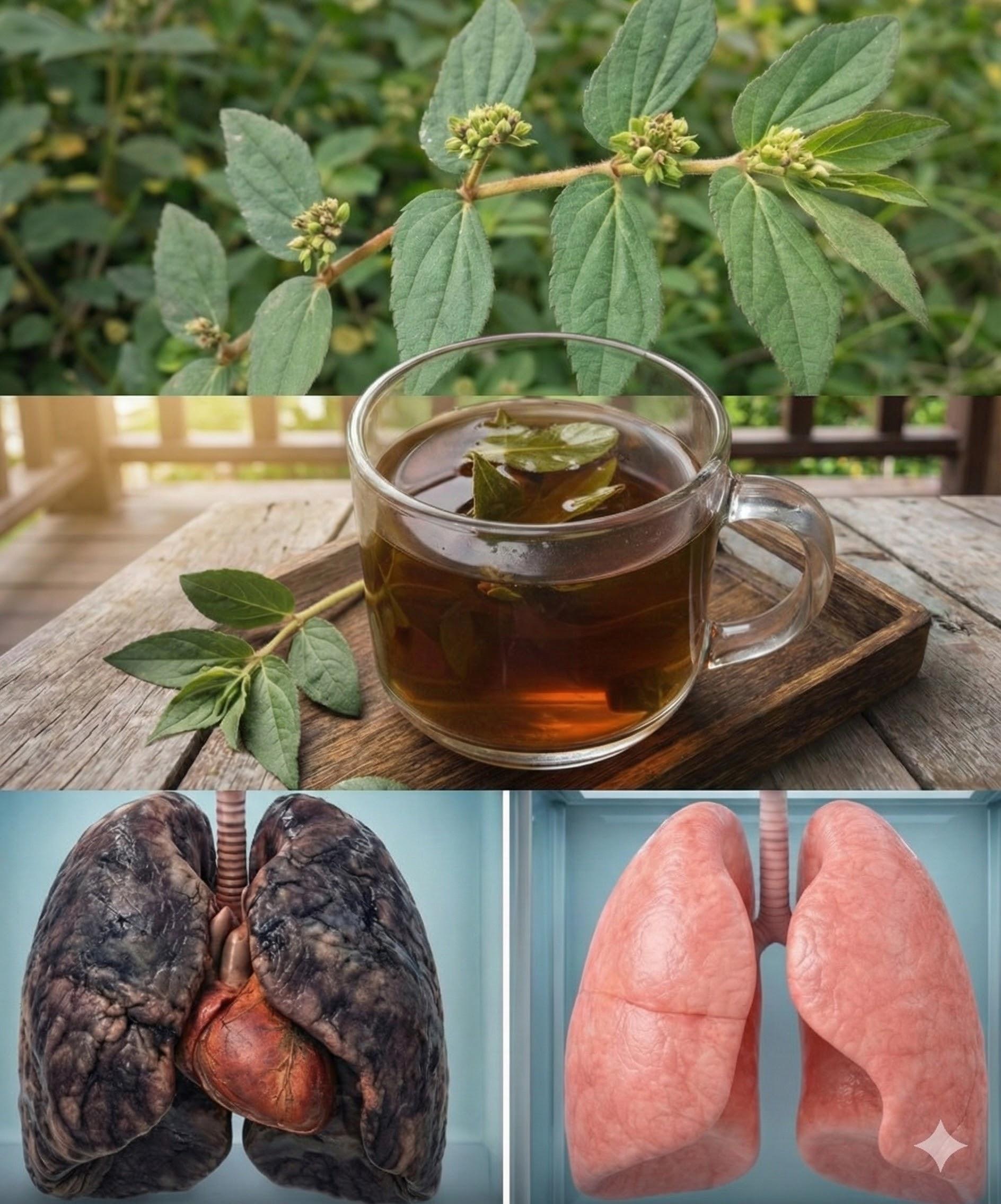
What Is Euphorbia Hirta and How to Identify It
Euphorbia hirta, often called asthma weed or garden spurge, is a small annual herb that thrives in tropical and subtropical regions worldwide. It’s commonly found along roadsides, in gardens, and open fields, spreading low to the ground with reddish stems covered in fine hairs.
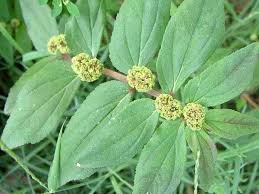
The leaves are opposite, elliptic to oblong, with toothed edges and sometimes a purple blotch in the center. Tiny flowers cluster at the tips, and the plant exudes a milky sap when broken—a key identifying feature.
But that’s not all. This unassuming weed has a long history in traditional herbal practices across cultures, from Asia to Africa and the Americas.
Traditional Uses of Euphorbia Hirta Around the World
For centuries, various communities have turned to Euphorbia hirta for everyday wellness support. In many traditional systems, the whole plant—leaves, stems, and sometimes roots—has been prepared as teas or decoctions.
Here’s a quick overview of its common traditional applications:
- Supporting respiratory comfort during coughs, bronchitis, or seasonal challenges
- Aiding digestive ease for occasional upset or loose stools
- Promoting skin soothing for minor irritations or wounds
- Assisting with general detoxification through mild diuretic effects
Research reviews, such as those published in Pharmacognosy Reviews, note its widespread use in Ayurvedic and folk medicine for these purposes, highlighting compounds like flavonoids and tannins that contribute to its properties.
The interesting part? Modern studies are starting to explore these traditional insights, though more research is always needed.
What Science Says About Euphorbia Hirta’s Potential Benefits
While traditional use provides valuable clues, scientific interest in Euphorbia hirta has grown. Preliminary studies suggest it contains bioactive compounds like quercetin, polyphenols, and triterpenes that may offer antioxidant and anti-inflammatory support.
For instance:
- Animal studies have shown extracts helping relax bronchial pathways, supporting easier breathing in models of respiratory stress
- Lab research indicates potential antimicrobial effects against certain bacteria and fungi
- Some investigations point to mild diuretic activity, similar to traditional uses for fluid balance
A comprehensive review in the Journal of Ethnopharmacology and PMC articles emphasize its traditional role in respiratory and gastrointestinal support, backed by phytochemical analysis.
However, sources like WebMD note that while promising in lab and animal models, human evidence is still limited. This is why it’s viewed as a complementary herb rather than a standalone solution.
Here’s the exciting discovery many overlook: when prepared properly, it can become a simple addition to your wellness toolkit.
How to Prepare and Use Euphorbia Hirta Safely at Home
If you’re interested in exploring this plant, start with proper identification and sourcing from clean areas. Always consult a healthcare professional first, especially if you have existing conditions.
Simple Herbal Tea Preparation (Traditional Method)
Follow these steps for a basic infusion:
- Harvest fresh aerial parts (leaves and stems) or use dried herb from a reputable source
- Wash thoroughly to remove any dirt
- Use about 1-2 teaspoons of fresh plant (or 1 teaspoon dried) per cup of hot water
- Steep for 10-15 minutes, strain, and sip 1-2 times daily
- Start with small amounts to see how your body responds
For topical use, a cooled tea can be applied as a compress for minor skin soothing.
Key Compounds in Euphorbia Hirta
| Compound Class | Examples | Potential Role (Based on Studies) |
|---|---|---|
| Flavonoids | Quercetin, derivatives | Antioxidant support |
| Tannins | Polyphenols | Astringent properties |
| Triterpenes | Beta-amyrin | Anti-inflammatory effects |
| Alkaloids | Various | Mild sedative potential |
This table summarizes findings from phytochemical analyses in sources like PMC reviews.
Important Safety Considerations and Precautions
Like any herb, Euphorbia hirta requires caution. Possible side effects include nausea or stomach upset if taken in large amounts. The milky sap can irritate skin or eyes—always wear gloves when handling.
Avoid during pregnancy or breastfeeding, as it may stimulate uterine contractions. Those with stomach issues or on medications should be extra careful.
Studies on high doses in animals showed no major toxicity, but human safety data is limited. Always prioritize professional guidance.
Conclusion: A Plant Worth Knowing, But Use Wisely
Euphorbia hirta reminds us that nature often provides simple tools for supporting daily wellness. From its traditional role in respiratory and digestive comfort to emerging scientific interest in its compounds, this common plant offers intriguing possibilities.
By understanding its history, preparation, and limitations, you can make informed choices. Just remember—herbs complement, not replace, professional care.
Frequently Asked Questions
Is Euphorbia hirta safe for daily use?
In moderate amounts as tea, many traditions use it occasionally. Start low and monitor your response. Consult a doctor for long-term use.
Where can I find Euphorbia hirta?
It grows wild in warm climates along paths and fields. For safety, buy dried herb from trusted suppliers or identify it confidently.
Can children use Euphorbia hirta tea?
Traditional practices sometimes include it for kids, but doses must be much smaller. Always seek pediatric advice first.
Disclaimer: This article is for informational purposes only and does not constitute medical advice. Euphorbia hirta is not intended to diagnose, treat, cure, or prevent any disease. Consult a qualified healthcare professional before using any herbal remedy, especially if pregnant, nursing, or taking medications. Individual results may vary.


