Many people experience occasional digestive discomfort, low energy, or minor inflammation from daily stresses and modern diets. These common issues can make everyday activities feel more challenging, leaving you searching for natural ways to feel more balanced and vibrant. But what if a simple plant, long valued in traditional systems like Ayurveda, could offer gentle support for overall wellness?
Stick around, because by the end of this article, you’ll uncover some surprising insights into how this unassuming herb might fit into a healthy lifestyle.
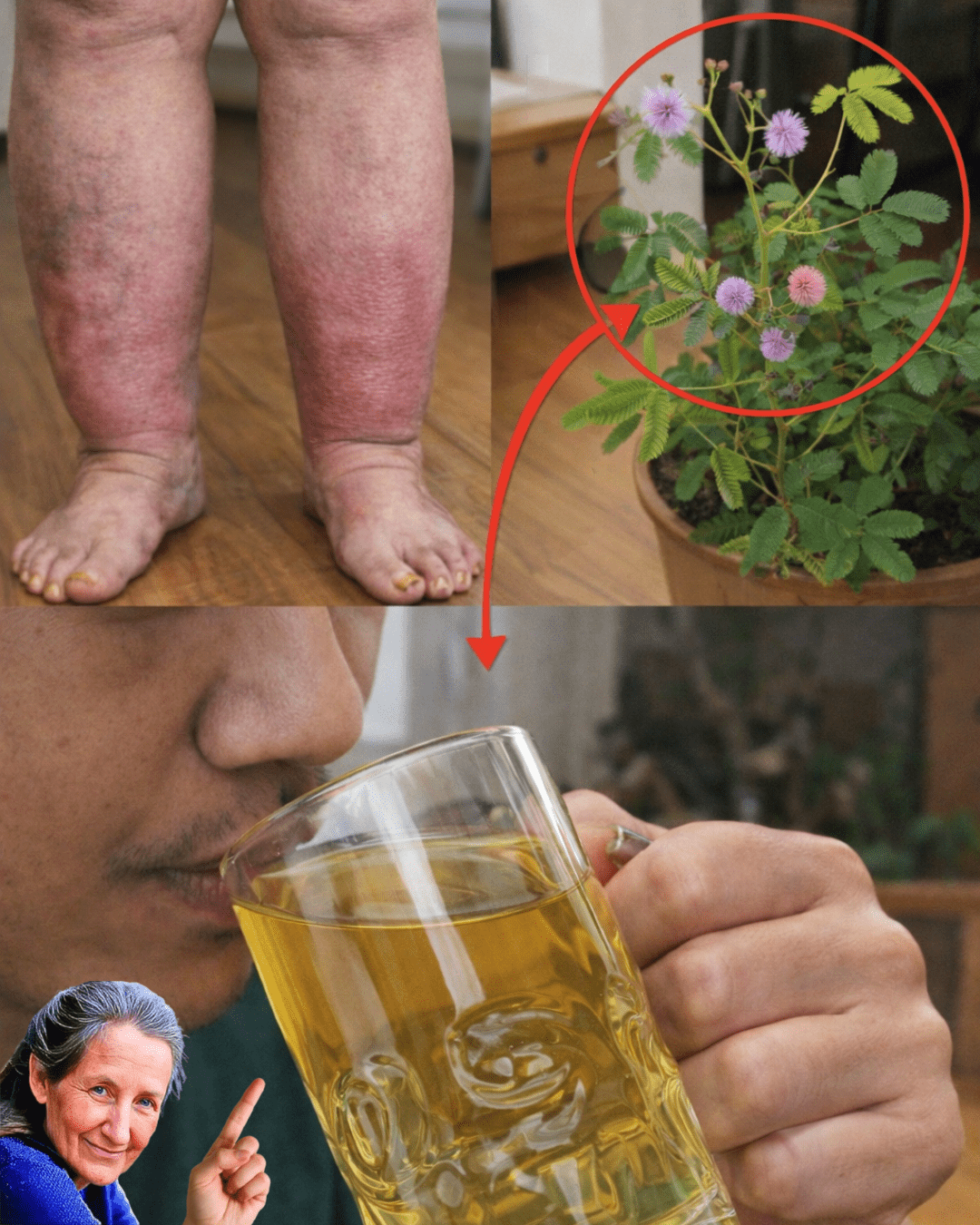
What Is Mimosa Pudica, the Sensitive Plant?
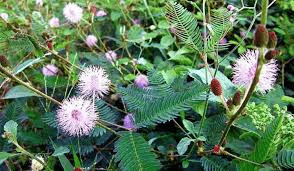
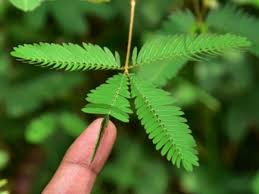
Mimosa pudica, often called the “touch-me-not” or “sensitive plant,” is a fascinating herb native to tropical regions, including South America and parts of Asia. Its leaves famously fold inward when touched—a natural response that has captivated people for centuries.
In traditional Ayurvedic practices, various parts of the plant, including leaves, roots, and seeds, have been used for generations. Research suggests it contains bioactive compounds like flavonoids, tannins, alkaloids, and mimosine, which contribute to its interesting properties.
But here’s the intriguing part: Studies, including those published in Pharmacognosy Reviews, highlight its historical role in supporting digestive comfort, wound healing, and more. Modern lab research echoes some of these traditional observations.
Traditional Roots and Cultural Significance
For centuries, Mimosa pudica has been a staple in folk medicine across cultures. In Ayurveda, it’s known as “Lajjalu” and valued for its cooling and astringent qualities.
Traditional uses include:
- Supporting minor wound care with leaf pastes
- Promoting comfort during occasional digestive upset
- Easing minor skin irritations
A review in the Journal of Ethnopharmacology notes its widespread ethnomedicinal applications, from urinary support to general vitality.
This rich history makes it worth exploring further—but always with a balanced, evidence-informed view.
What Does Science Say About Its Potential Benefits?
While much of the evidence comes from lab and animal studies, several areas show promise. Here’s a closer look at key findings:
Antioxidant Support for Daily Wellness
Free radicals from stress, pollution, and diet can contribute to oxidative stress. Research in Pharmacognosy Magazine indicates Mimosa pudica extracts exhibit strong free radical-scavenging activity, thanks to high phenolic and flavonoid content.
In one study, extracts demonstrated antioxidant potential comparable to known standards.
Gentle Anti-Inflammatory Properties
Occasional inflammation is a common response to life’s demands. Animal models, as reported in Evidence-Based Complementary and Alternative Medicine, suggest extracts may help calm inflammatory responses.
Compounds like tannins appear to play a role, aligning with traditional uses for comfort.
Wound Healing and Skin Support
Traditional applications often involve topical use. Lab studies support faster healing in models, with extracts promoting tissue regeneration.
A 2022 review highlighted antimicrobial effects that may aid minor skin concerns.
Mood and Calmness Insights
Some animal research points to anxiolytic-like effects. A study in Avicenna Journal of Phytomedicine observed potential benefits for relaxation and mood balance.
This ties into Ayurvedic views of the plant’s calming nature.
Other Areas of Interest
Preliminary studies explore:
- Blood sugar regulation support
- Liver health protection
- Immune modulation
For example, antidiabetic potential was noted in multiple reviews.
But that’s not all—traditional anthelmintic uses have sparked interest, though human evidence remains limited.
Practical Ways to Incorporate Mimosa Pudica Safely
If you’re curious about trying it as a supplement (often seed extracts), start slow. Here’s a simple guide:
- Consult a healthcare provider first, especially if you have conditions or take medications.
- Choose reputable sources with third-party testing.
- Begin with a low dose, like 500-1000 mg daily, with plenty of water.
- Monitor how you feel and adjust as needed.
- Pair with a balanced diet rich in fiber and hydration.
Many users report positive experiences with digestive comfort, but individual results vary.
Quick Comparison: Traditional vs. Modern Forms
| Form | Traditional Use | Modern Supplement Example | Potential Focus |
|---|---|---|---|
| Leaf Paste | Topical for minor wounds | N/A | Skin support |
| Root Decoction | Digestive comfort | Capsules | General wellness |
| Seed Extract | Gut support | Powder or capsules | Intestinal health |
Safety Considerations and Side Effects
Most studies suggest Mimosa pudica is generally well-tolerated in moderate amounts. However:
- High doses may cause digestive upset.
- It’s not recommended during pregnancy or nursing due to limited data.
- Potential interactions with medications—always check with a professional.
Toxicity studies in animals show low risk at standard doses, but human trials are needed.
Conclusion: A Plant Worth Knowing
Mimosa pudica bridges ancient wisdom and emerging research, offering intriguing possibilities for natural wellness support. From its antioxidant and anti-inflammatory hints to traditional digestive roles, it’s a plant that continues to spark curiosity.
Whether you’re exploring herbs for daily balance or just fascinated by nature’s wonders, this sensitive plant reminds us of the value in time-tested botanicals. Incorporate mindfully, stay informed, and prioritize professional guidance.
Frequently Asked Questions
1. Is Mimosa pudica safe for daily use?
In moderate amounts and from quality sources, it appears safe for most adults based on available research. Start low and consult a doctor.
2. Can it help with digestive issues?
Traditional uses and some lab studies suggest support for gut comfort, but it’s not a substitute for medical advice.
3. Where can I find Mimosa pudica supplements?
Look for organic seed extracts from trusted brands. Always verify purity.
Disclaimer: This article is for informational purposes only and is not intended to diagnose, treat, cure, or prevent any disease. Results vary, and supplements are not evaluated by the FDA. Consult your healthcare provider before starting any new supplement, especially if pregnant, nursing, or on medications.