Many people overlook the common grass growing in lawns, sidewalks, and disturbed areas, pulling it out without a second thought. This resilient plant, often seen as just a weed, has been part of traditional herbal practices in various cultures for generations. Yet few realize it might offer gentle support for everyday wellness through simple preparations like tea. And the most interesting part? We’ll explore its background and practical tips later in this guide.
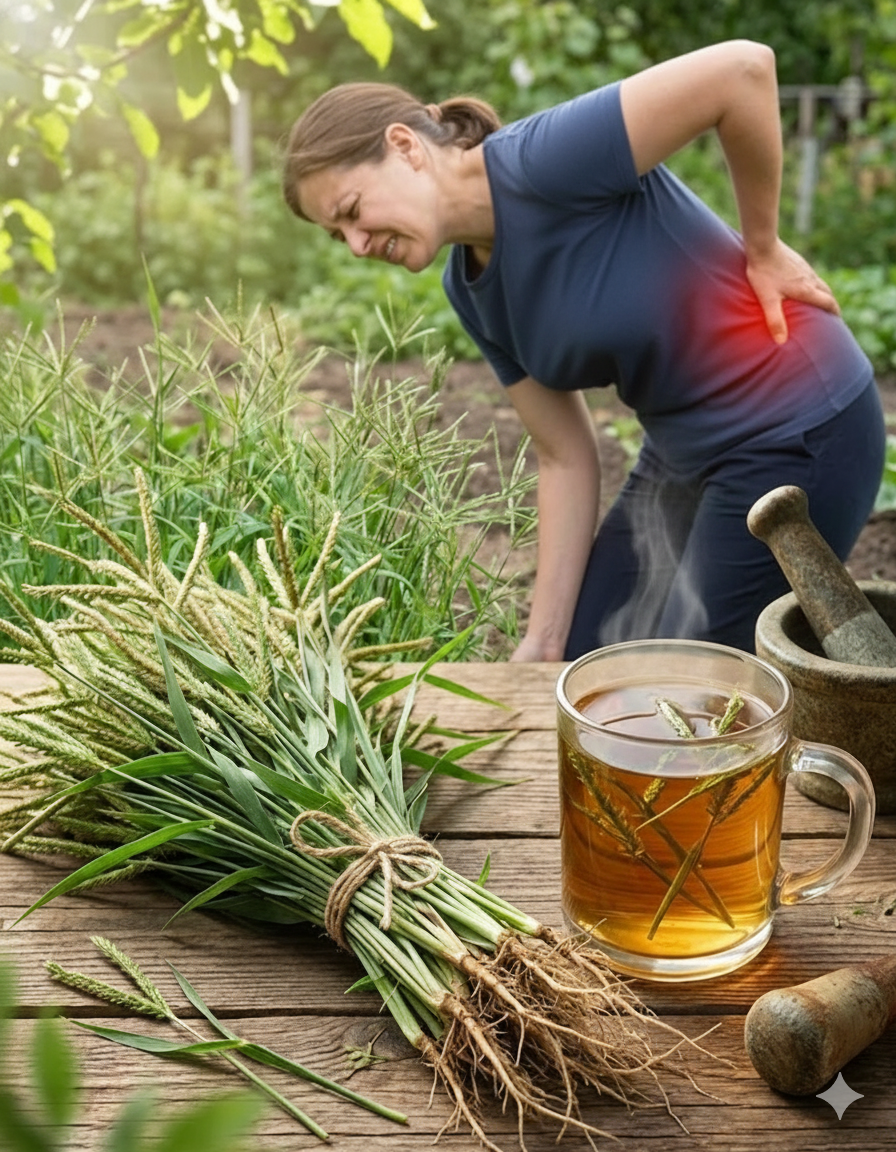
What Is Goosegrass (Eleusine indica)?
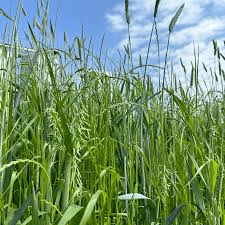
Goosegrass, scientifically known as Eleusine indica, is a fast-growing annual grass found worldwide in warm regions. It forms low tufts with flattened stems and narrow leaves, often thriving in compacted soil where other plants struggle.
This plant spreads easily and is common in yards, roadsides, and fields. Its seeds can even germinate in tough conditions, which is why it’s frequently considered a weed in lawns and agriculture.
But here’s something intriguing: In many tropical and subtropical areas, people have long harvested goosegrass for traditional uses. Studies note its role in folk remedies across Asia, Africa, and the Caribbean.
Research shows it contains compounds like flavonoids and phenolics, which contribute to its observed properties in lab settings.
Traditional Uses of Goosegrass Around the World
Goosegrass has a history of use in herbal traditions. For example:
- In parts of Asia and Africa, the whole plant—especially leaves and roots—features in infusions as a gentle diuretic to promote fluid balance.
- Traditional practices include using it as a febrifuge to help with fever reduction.
- Some cultures apply decoctions for minor digestive comfort or as a mild laxative.
These uses stem from generational knowledge, passed down in communities where the plant grows abundantly.
Modern interest has led to preliminary studies. Research indicates antioxidant activity, with extracts showing potential to neutralize free radicals in test tubes. Other lab work suggests anti-inflammatory effects by reducing certain markers.
Animal studies have explored liver support, where extracts appeared to protect against induced damage. But these are early findings, and more research is needed.
The truth is, while social media sometimes hypes exaggerated claims, scientific evidence supports some traditional observations—like diuretic and antioxidant potential—without overstating outcomes.
Potential Wellness Support from Goosegrass
People turn to natural plants for everyday concerns like occasional bloating, low energy, or environmental stressors. Goosegrass fits into this category for those exploring herbal options.
Here’s a breakdown of areas where tradition and emerging research overlap:
| Traditional Use | Supporting Observations from Studies | Common Preparation |
|---|---|---|
| Gentle diuretic support | Promotes urine production in animal models | Leaf or whole plant tea |
| Fever and minor infection aid | Febrifuge properties noted in ethnobotanical reports | Decoction |
| Digestive comfort | Mild laxative effects traditionally reported | Infusion |
| Antioxidant protection | Flavonoids show free radical scavenging in vitro | Tea or extract |
| Anti-inflammatory potential | Reduces inflammation markers in lab tests | Topical or oral use |
This table highlights why some find it useful as a complementary herb.
But that’s not all—many appreciate its accessibility. Growing wild, it’s free and sustainable when foraged responsibly.
How to Identify and Safely Forage Goosegrass
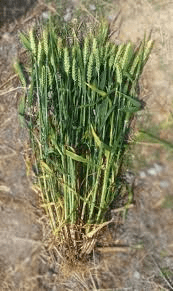
Identifying goosegrass correctly is key. Look for:
- Flattened stems with a silvery-white base.
- Finger-like seed heads (spikes) at the top.
- Narrow, folded leaves without hairs.
It resembles crabgrass but has a tougher, more prostrate growth.
For foraging:
- Choose plants from clean, uncontaminated areas—away from roads, pesticides, or polluted soil.
- Harvest young leaves for best quality.
- Wash thoroughly before use.
Start small if trying it for the first time, as individual responses vary.
Simple Ways to Prepare Goosegrass at Home
One popular method is making a basic tea. Here’s a step-by-step guide:
- Gather a handful of fresh leaves (or use dried if available).
- Rinse well under running water.
- Boil 1-2 cups of water.
- Add the leaves and simmer for 10-15 minutes.
- Strain and sip warm, perhaps once a day.
You can also make a stronger decoction by boiling longer or using roots.
For topical use, crush fresh leaves into a poultice for minor skin irritations.
Pro tips for better results:
- Use fresh plants from pesticide-free spots.
- Combine with lemon or ginger for flavor.
- Store dried leaves in an airtight container.
These actionable steps make it easy to incorporate into routines.
Safety Considerations and Best Practices
Goosegrass appears generally safe in moderate amounts based on traditional use and limited studies. Animal research shows low toxicity, but human data is sparse.
Potential side effects are rare but could include mild digestive upset if overconsumed, due to its diuretic nature.
Avoid if pregnant, nursing, or on medications affecting kidneys/fluids. Always consult a healthcare provider before adding new herbs, especially with existing conditions.
This plant isn’t a substitute for professional care—it’s simply a traditional option worth exploring mindfully.
Conclusion
Goosegrass (Eleusine indica) transforms from overlooked weed to interesting herbal ally when viewed through traditional and scientific lenses. Its potential for gentle diuretic, antioxidant, and anti-inflammatory support makes it appealing for natural wellness enthusiasts.
By foraging responsibly and preparing simple teas, many discover a free, abundant resource. Whether for daily vitality or curiosity about nature’s offerings, this common plant deserves a closer look.
Ready to try? Start with identification and a basic infusion—observe how it fits your routine.
Frequently Asked Questions
1. Is goosegrass the same as other common weeds?
No, it’s distinct from crabgrass or dandelion, though similar in habitat. Proper identification ensures safety.
2. How much goosegrass tea is safe to drink daily?
Tradition suggests 1-2 cups, but start with less and listen to your body. Consult a professional for personalized advice.
3. Can anyone use goosegrass, or are there restrictions?
It’s best for healthy adults exploring traditions. Avoid if you have kidney issues, are pregnant, or take diuretics without guidance.
This article is for informational purposes only and is not intended to diagnose, treat, cure, or prevent any disease. Always consult your healthcare provider before using herbal remedies, especially if you have health conditions or are taking medications.