
Have you ever felt a strange lump in your throat or noticed a persistent bad odor in your breath that brushing just can’t seem to fix? These experiences can be more common than you think, often linked to tiny formations known as tonsil stones that quietly build up over time, leading to discomfort and self-consciousness in everyday conversations. It might start small, but ignoring it can make simple things like eating or talking feel irritating and bothersome. Stick around, because later in this article, I’ll share an unexpected habit that could make a big difference in keeping your throat feeling fresh.
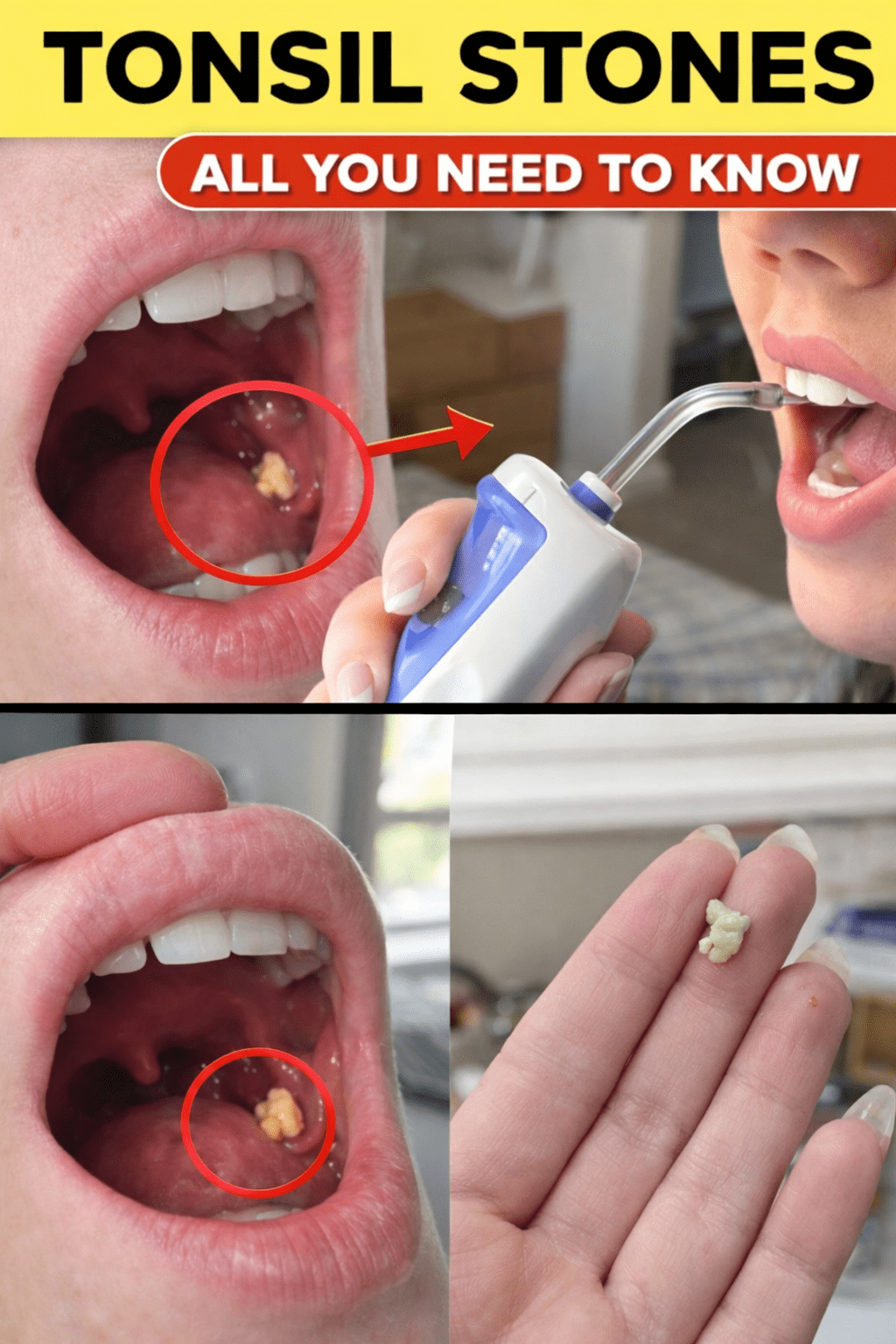
What Exactly Are Tonsil Stones?
Tonsil stones, also called tonsilloliths, are small, hard deposits that form in the crevices of your tonsils. These are the two oval-shaped pads of tissue at the back of your throat. They develop when debris like food particles, dead cells, and mucus gets trapped and hardens over time.
But that’s not all. Research shows that tonsil stones are quite common, affecting up to 10% of people at some point in their lives. According to experts, they’re usually harmless but can become noticeable when they grow larger.
The interesting part is how they form. Your tonsils have natural pockets called crypts, which help trap bacteria and viruses to protect your body. Sometimes, these crypts collect buildup that calcifies, turning into stones ranging from rice-sized to pea-sized.
Common Causes Behind Tonsil Stones
Several factors can contribute to the formation of tonsil stones. Poor oral hygiene is a big one, as it allows bacteria to thrive in your mouth. If you skip regular brushing or flossing, debris can accumulate more easily in those tonsil crypts.
Dry mouth plays a role too. When saliva production decreases—perhaps from medications, dehydration, or mouth breathing—it fails to wash away particles effectively. Studies indicate that chronic inflammation of the tonsils, known as tonsillitis, can also lead to deeper crypts that trap more material.
Here’s something to consider: Diet matters. Consuming a lot of dairy or sugary foods might increase mucus production, adding to the buildup. Even allergies or post-nasal drip can send extra mucus down your throat, setting the stage for stones.
But wait, genetics could be involved. Some people naturally have larger tonsil crypts, making them more prone to this issue. Understanding these causes can help you spot patterns in your daily routine.
Recognizing the Symptoms of Tonsil Stones
Symptoms aren’t always obvious, but bad breath is the most common sign. This happens because bacteria on the stones produce sulfur compounds, leading to that unpleasant odor. If you’ve tried mints and mouthwash without success, this could be why.
A sore or irritated throat is another clue. You might feel like something is stuck back there, causing discomfort when swallowing. In some cases, the stones can cause ear pain due to shared nerve pathways.
Visible white or yellow spots on your tonsils are a telltale indicator. Using a mirror and flashlight, you might spot them yourself. Coughing up small, hard lumps occasionally happens too.
Less commonly, swollen tonsils or a metallic taste in your mouth can occur. If symptoms persist, it’s worth paying attention to how they affect your daily life.
- Bad breath (halitosis): Often the first noticeable issue.
- Throat discomfort: Scratchiness or a feeling of obstruction.
- Visible debris: White or yellowish formations on tonsils.
- Ear pain: Referred pain from the throat area.
- Swallowing difficulties: Mild trouble with food or drinks.

Simple Ways to Prevent Tonsil Stones
Prevention starts with good habits. Maintaining excellent oral hygiene is key—brush twice a day, floss regularly, and use a tongue scraper to remove bacteria from all surfaces.
Staying hydrated helps a lot. Drinking plenty of water keeps your mouth moist and flushes out potential debris. Aim for at least eight glasses a day, especially if you live in a dry climate.
Gargling with salt water can be a simple routine. Mix half a teaspoon of salt in warm water and gargle daily to loosen particles. Some find that using a non-alcoholic mouthwash adds an extra layer of protection.
Diet adjustments might make a difference. Reducing dairy intake if it increases mucus for you, or eating more fruits and vegetables, can support overall oral health. Quitting smoking is another step, as it dries out the mouth and promotes bacteria.
The truth is, regular dental check-ups allow professionals to spot early signs. They can provide personalized advice based on your oral structure.
Home Management Tips for Dealing with Tonsil Stones
If you notice tonsil stones, there are gentle ways to address them at home. Start by gargling vigorously with warm salt water to dislodge smaller ones. Do this after meals to clear debris.
Using a water flosser on a low setting can irrigate the tonsils safely. Point it at the crypts to flush out buildup without causing injury. Always be gentle to avoid irritation.
A cotton swab dipped in water can help if the stone is visible and accessible. Press lightly around the area to pop it out, but stop if it hurts.
Here’s a step-by-step guide for safe home removal:
- Wash your hands thoroughly.
- Use a mirror and good lighting to locate the stone.
- Gargle with salt water first to soften it.
- Gently use a tool like a swab or water pick.
- Rinse your mouth afterward to clear any residue.
Remember, these are just management ideas. If stones are deep or recurring, professional input is valuable.
When Might You Need Professional Help?
Sometimes, home approaches aren’t enough. If tonsil stones cause ongoing discomfort or frequent infections, consulting a healthcare provider makes sense. They can assess if there’s an underlying issue.
In rare cases, larger stones might require removal by a specialist using tools like a curette. For persistent problems, options like tonsil cryptolysis—smoothing the crypts—exist, but these are discussed on a case-by-case basis.
Keep an eye on symptoms like severe pain or swelling, which could signal something else. Early attention can prevent complications.
Comparing Prevention Methods: A Quick Overview
To help you choose what fits your lifestyle, here’s a simple table comparing common prevention strategies:
| Method | How It Helps | Ease of Use | Frequency Needed |
|---|---|---|---|
| Daily Brushing/Flossing | Removes bacteria and debris | Easy | Twice daily |
| Salt Water Gargling | Loosens particles naturally | Simple | Daily |
| Hydration | Keeps mouth moist and flushed | Effortless | Throughout day |
| Diet Changes | Reduces mucus-promoting foods | Moderate | Ongoing |
| Tongue Scraping | Clears bacterial buildup on tongue | Quick | Daily |
This breakdown shows how combining a few can create a solid routine.
Wrapping It Up: Key Takeaways on Tonsil Stones
In summary, tonsil stones are a common oral issue stemming from trapped debris in your tonsils. By understanding causes like poor hygiene or dry mouth, and recognizing symptoms such as bad breath, you can take proactive steps. Incorporating habits like regular gargling and staying hydrated may help manage them effectively.
And remember that surprising tip I mentioned earlier? It turns out that chewing sugar-free gum after meals can stimulate saliva flow, naturally helping to wash away potential stone-forming particles. Give it a try and see if it fits into your routine.
Frequently Asked Questions (FAQ)
What causes tonsil stones to form?
Tonsil stones form when food particles, dead cells, and bacteria get trapped in the tonsil crypts and harden. Factors like dry mouth or chronic tonsillitis can contribute, as noted in various health resources.
How can I tell if I have tonsil stones?
Look for signs like persistent bad breath, throat irritation, or visible white spots on your tonsils. A mirror check can help, but if unsure, a professional can confirm.
Are there ways to prevent tonsil stones from coming back?
Yes, focusing on oral hygiene, hydration, and gentle gargling routines can reduce their occurrence. Consistent habits are key, according to general dental advice.
This article is for informational purposes only. It’s not intended to replace professional medical advice, diagnosis, or treatment. Always consult a healthcare provider for personalized guidance.


