
Many people notice their hair becoming thinner, more brittle, or slower to grow as they deal with daily stress, poor nutrition, environmental factors, and aging. This can lead to frustration when brushing reveals more strands in the sink or when mirrors show a less full appearance than before. The search for gentle, kitchen-based options often brings people to everyday herbs and spices that have long been part of traditional hair care practices.
What if a straightforward rinse made from just two common ingredients could become part of your routine to support scalp health and encourage stronger, more vibrant hair? Keep reading because toward the end, we’ll share a detailed, easy-to-follow recipe that many find refreshing and simple to incorporate.
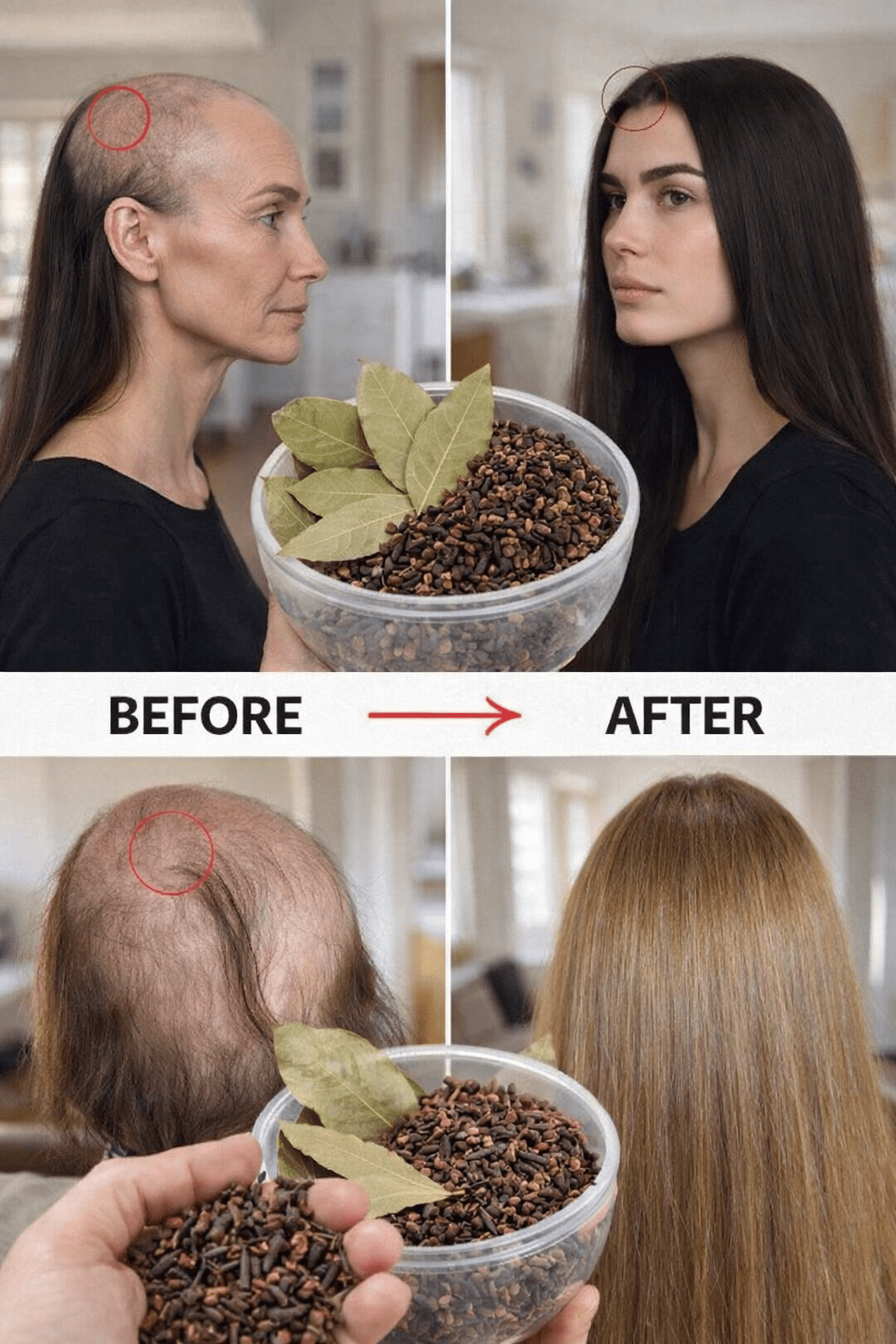
Why People Turn to Natural Ingredients Like Bay Leaves and Cloves
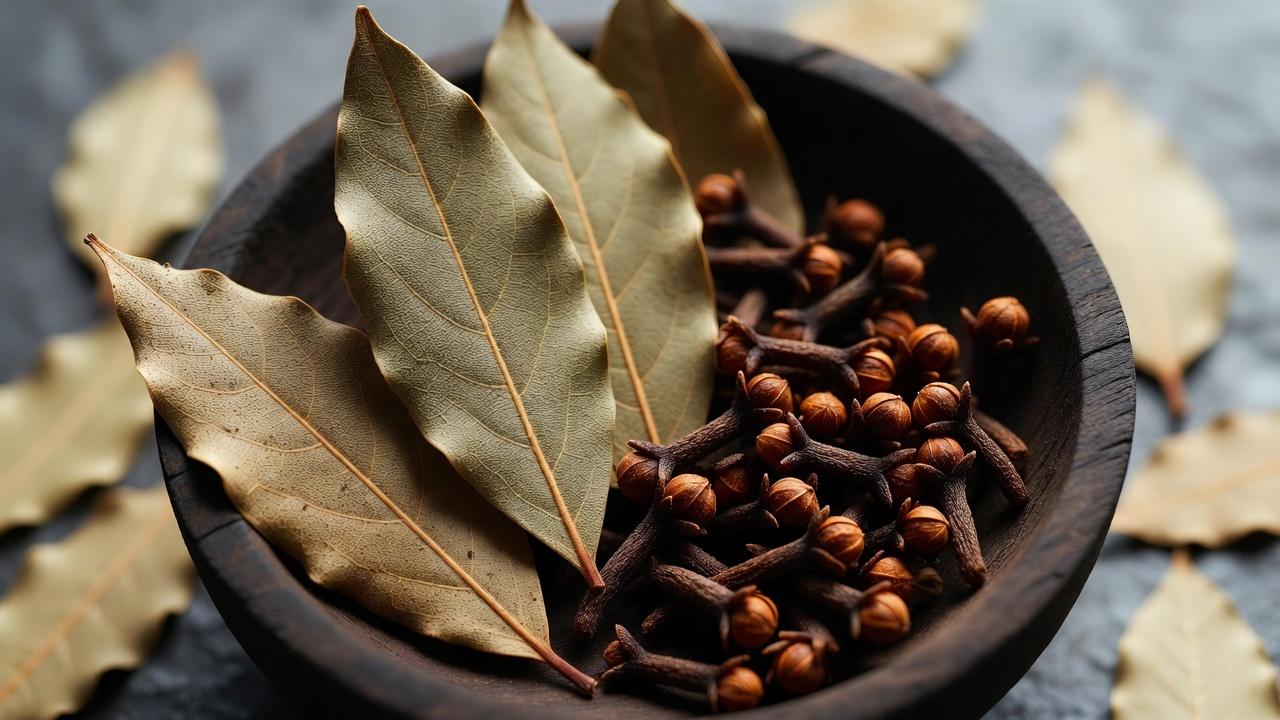
Bay leaves (Laurus nobilis) and cloves (Syzygium aromaticum) are more than just kitchen staples—they’ve been used in traditional wellness practices for centuries. These aromatic ingredients contain natural compounds that offer potential benefits when applied topically.
Research suggests that cloves are rich in eugenol, a compound with antioxidant and circulation-supporting properties. Some studies indicate that antioxidants like eugenol may help protect against oxidative stress, which can contribute to weaker hair over time. Improved blood flow to the scalp is often linked to healthier follicle activity in preliminary research.
Bay leaves bring their own set of supportive elements, including linalool and other essential oils with anti-inflammatory and antioxidant effects. Traditional uses and some reviews point to these helping maintain a balanced scalp environment, which is essential for overall hair vitality.
But that’s not all—the combination of these two creates an aromatic rinse that many describe as soothing and pleasantly scented, making it enjoyable to use regularly.
Potential Benefits of Using a Bay Leaf and Clove Rinse
While individual results vary and more large-scale human studies are needed, here’s what available information and traditional knowledge highlight:
- Supports Scalp Circulation — Compounds in both ingredients may promote better blood flow, delivering nutrients to hair roots more effectively.
- Antioxidant Protection — Helps combat free radicals that can affect hair strength and shine.
- Soothing for the Scalp — May reduce irritation and support a cleaner, healthier scalp environment.
- Adds Natural Shine and Strength — Many users report hair feeling smoother and looking more vibrant after consistent use.
- Gentle and Natural — A chemical-free option that’s easy to prepare at home.
Studies on eugenol (from cloves) have explored its role in stimulating follicle activity in lab settings, while bay leaves’ bioactive compounds show promise for general scalp wellness in reviews.

How to Prepare and Use a Bay Leaf and Clove Hair Rinse (Step-by-Step Guide)
This simple rinse is straightforward and uses ingredients you likely have access to. Here’s how to make it:
- Gather your ingredients: 5–7 dried bay leaves and 1 tablespoon whole cloves (adjust for hair length).
- Boil 3–4 cups of water in a pot.
- Add the bay leaves and cloves, then reduce heat and simmer for 15–20 minutes to release the natural oils and aromas.
- Remove from heat and let the mixture cool completely (this can take 1–2 hours).
- Strain out the solids using a fine mesh strainer or cheesecloth.
- Pour the cooled liquid into a clean bottle or jar for storage (refrigerate for up to 1 week).
- After shampooing your hair, pour the rinse over your scalp and lengths slowly, massaging gently.
- Leave it in for 5–10 minutes, then rinse lightly with cool water or leave it in for added benefits.
- Use 2–3 times per week as part of your regular routine.
Pro Tip: For extra nourishment, some people add a teaspoon of carrier oil like coconut or jojoba to the cooled mixture before applying.
Tips to Maximize Your Results
Here are a few actionable ways to enhance the experience:
- Consistency Matters — Like any natural routine, regular use (at least 4–6 weeks) helps you notice changes in texture and vitality.
- Patch Test First — Apply a small amount to your inner arm to check for sensitivity, as essential oils can sometimes cause reactions.
- Combine with Good Habits — Pair the rinse with a balanced diet rich in proteins, vitamins (like biotin and iron), and gentle scalp massages for better circulation.
- Store Properly — Keep the rinse in the fridge to maintain freshness and avoid bacterial growth.
Many people find that over time, their hair feels softer, looks shinier, and sheds less during brushing.
Common Questions About Bay Leaf and Clove Hair Rinses (FAQ)
How long does it take to see changes from using bay leaf and clove rinse? Results vary, but many report noticing improved shine and scalp comfort within a few weeks of consistent use. Hair growth cycles are slow, so patience is key.
Is this rinse safe for all hair types? It’s generally gentle for most people, but those with sensitive scalps or allergies to spices should patch test first. Avoid if you have open wounds on the scalp.
Can I use fresh bay leaves instead of dried? Yes, fresh ones work well and may offer stronger aroma—just use a few more since they contain more moisture.
Final Thoughts
Incorporating a bay leaf and clove rinse into your hair care routine offers a simple, aromatic way to pamper your scalp and support healthier-looking hair naturally. While not a miracle solution, its potential to nourish and refresh makes it worth exploring for anyone seeking gentle, home-based options.
This approach draws from traditional practices and emerging insights into natural compounds—always listen to your body and enjoy the process.
Disclaimer: The information in this article is for educational purposes only and is not intended to diagnose, treat, cure, or prevent any disease. Results are not guaranteed and vary by individual. Consult a healthcare professional or dermatologist before starting any new hair care routine, especially if you have underlying scalp conditions or allergies.


