
Many people wake up to stiffness and discomfort in their joints, making everyday movements feel more challenging than they should. As we age or stay active, this occasional unease in knees, back, or hips can build up, limiting walks, hobbies, or time with loved ones. While various approaches exist to support joint health, some look to simple, everyday items for gentle exploration. One such option that has sparked interest is drinking water mixed with baking soda (sodium bicarbonate). Research has explored how this common kitchen staple might influence inflammation-related processes in the body. But what does the science actually suggest, and how might someone try it safely? Let’s take a closer look.

Understanding Joint Discomfort and the Role of Inflammation
Joint discomfort often ties back to ongoing low-level inflammation, which can make tissues swell slightly and feel stiff. This response is the body’s natural way of protecting itself, but when it lingers, it may contribute to that familiar creakiness or ache. Millions experience this, especially with conditions like arthritis affecting daily life.
Research has examined ways to support the body’s natural balance against excessive inflammation. A notable 2018 study published in The Journal of Immunology found that drinking a solution of sodium bicarbonate prompted a shift in immune cells toward an anti-inflammatory profile in both rats and healthy humans. Specifically, it appeared to influence the spleen, encouraging more anti-inflammatory macrophages (M2 type) over pro-inflammatory ones (M1 type).
But that’s not the full picture. This shift happened through mesothelial cells signaling the spleen, potentially promoting a calmer immune response. While intriguing, the study involved healthy participants and animals—not directly people with joint conditions—so more research is needed to confirm broader applications.
What Early Research Suggests About Baking Soda
Scientists have looked at sodium bicarbonate’s effects on the body’s acid-base balance and immune signaling. By helping neutralize acids, it may support overall pH harmony, which some experts link to reduced strain on systems like kidneys and muscles.
- In animal models and small human trials, daily intake led to temporary changes in immune cell behavior.
- Athletes have used it for performance support, with some evidence of faster muscle recovery after exercise.
- It also acts as a mild antacid, potentially easing occasional digestive upset that can indirectly add to body stress.
These findings come from sources like the Medical College of Georgia and reviews on platforms such as ScienceDaily. However, results vary between individuals, and long-term effects remain under study.
A Simple 7-Day Routine to Explore Safely
If you’re curious about trying this at home, start small and pay close attention to how your body responds. Here’s a straightforward guide based on common approaches from research discussions:
- Choose quality ingredients — Use plain baking soda (sodium bicarbonate, food-grade) and filtered water.
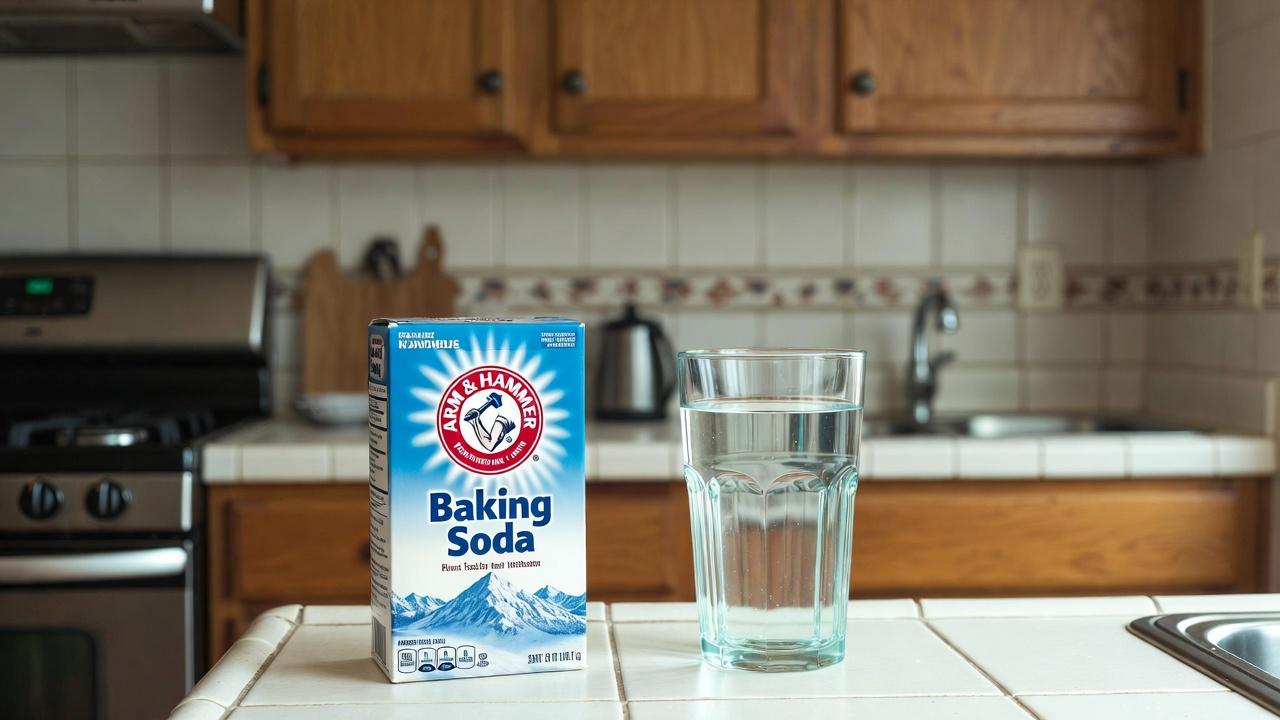
- Basic mixture — Dissolve 1/4 teaspoon (about 1 gram) of baking soda in 8-12 ounces (250-350 ml) of water.
- Timing — Sip it once daily, ideally in the morning on an empty stomach or after a light meal.
- Flavor option — Add a squeeze of fresh lemon for taste and extra vitamin C.
- Track your experience — Keep a simple journal noting energy, comfort during movement, or any changes.
- Duration — Limit to 7 days initially, then reassess.
- Stop if needed — Discontinue if you notice bloating, nausea, or any unease.
This low-dose approach aligns with amounts used in short-term studies (around 2 grams daily in some cases), but always adjust based on your needs.
Here are key safety guidelines to consider:
- Who should be cautious — People with high blood pressure, kidney issues, heart conditions, or those on low-sodium diets.
- Potential side effects — Gas, stomach upset, or altered taste—usually mild at low doses.
- Interactions — May affect certain medications; check with a professional first.
- General limit — Don’t exceed 1/2 teaspoon daily without guidance, and keep it short-term.
Comparing Baking Soda to Other Everyday Support Options
Many people combine gentle habits for better overall comfort. Here’s a quick comparison:
| Aspect | Baking Soda Water Routine | Common Lifestyle Supports |
|---|---|---|
| Accessibility | Inexpensive kitchen staple | Walking, hydration, balanced meals |
| Focus | Potential pH and immune signaling support | Movement, nutrition, rest |
| Duration suggestion | Short-term (7-14 days) | Ongoing daily habits |
| Additional perks | May aid occasional digestion | Builds long-term strength |
| Key consideration | Consult a doctor first | Generally low-risk |
These habits work best together—no single approach replaces a full wellness plan.
Complementary Habits to Enhance Joint Support
Pairing your exploration with these simple steps can amplify benefits:
- Stay hydrated throughout the day.
- Include anti-inflammatory foods like berries, leafy greens, and fatty fish.
- Try gentle movement such as walking or stretching.
- Prioritize good sleep and stress management.
Small changes often add up over time.
Wrapping Up: A Gentle Step Worth Considering?
Exploring baking soda in water offers an accessible way to support your body’s natural balance, especially if inflammation plays a role in your joint comfort. While promising early research highlights its potential to influence immune responses, it’s not a guaranteed fix and works differently for everyone. The key is approaching it mindfully, with professional input.
Have you tried simple routines like this? Many find value in experimenting safely while listening to their body.
Frequently Asked Questions
Is baking soda safe for daily use in joint support routines? In small amounts and short-term, it appears generally well-tolerated for most healthy adults, but consult your healthcare provider, especially if you have existing conditions or take medications.
How much baking soda is typically used in these explorations? Common suggestions start at 1/4 to 1/2 teaspoon dissolved in water once a day, based on study amounts, but personalize with guidance.
Can this replace other joint health strategies? No—it may complement lifestyle habits, movement, and professional advice, but it’s not a substitute for comprehensive care.
This article is for informational purposes only and is not a substitute for professional medical advice. Always consult your healthcare provider before starting any new routine, particularly if you have health concerns or take medications.


