
As we age, many of us notice changes in our skin that can affect how we feel about our appearance, like dryness or uneven texture that comes with everyday life. These shifts often lead to frustration, making simple routines feel overwhelming and prompting a search for affordable, at-home options to maintain a sense of comfort and confidence. While natural ingredients like baking soda have gained attention for their versatility, understanding their place in skincare can help you make informed choices. But here’s the intriguing part: by the end of this article, you’ll uncover a surprising twist on how common household items might fit into your routine—or why they might not.
What Is Baking Soda and Its Basic Properties?
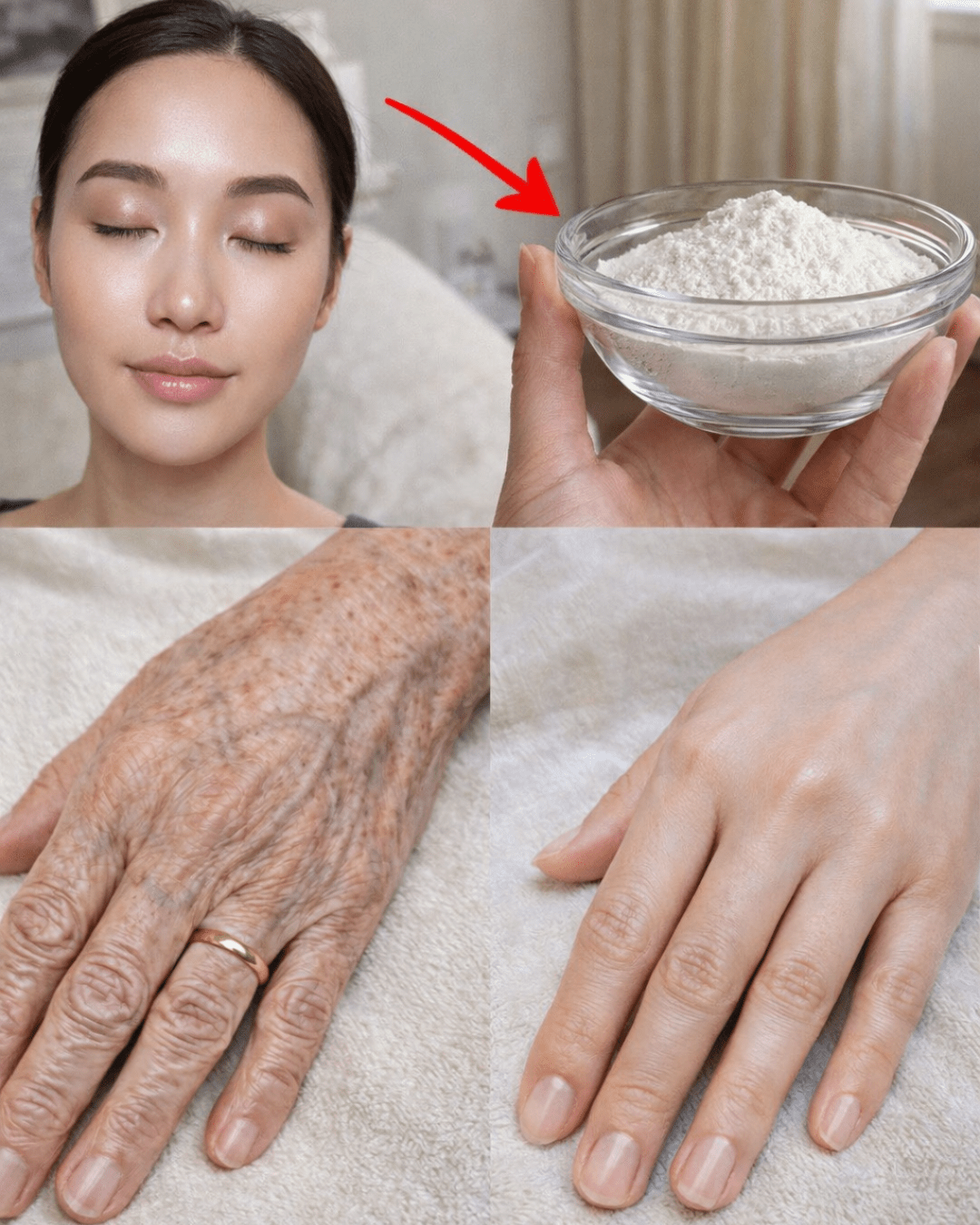
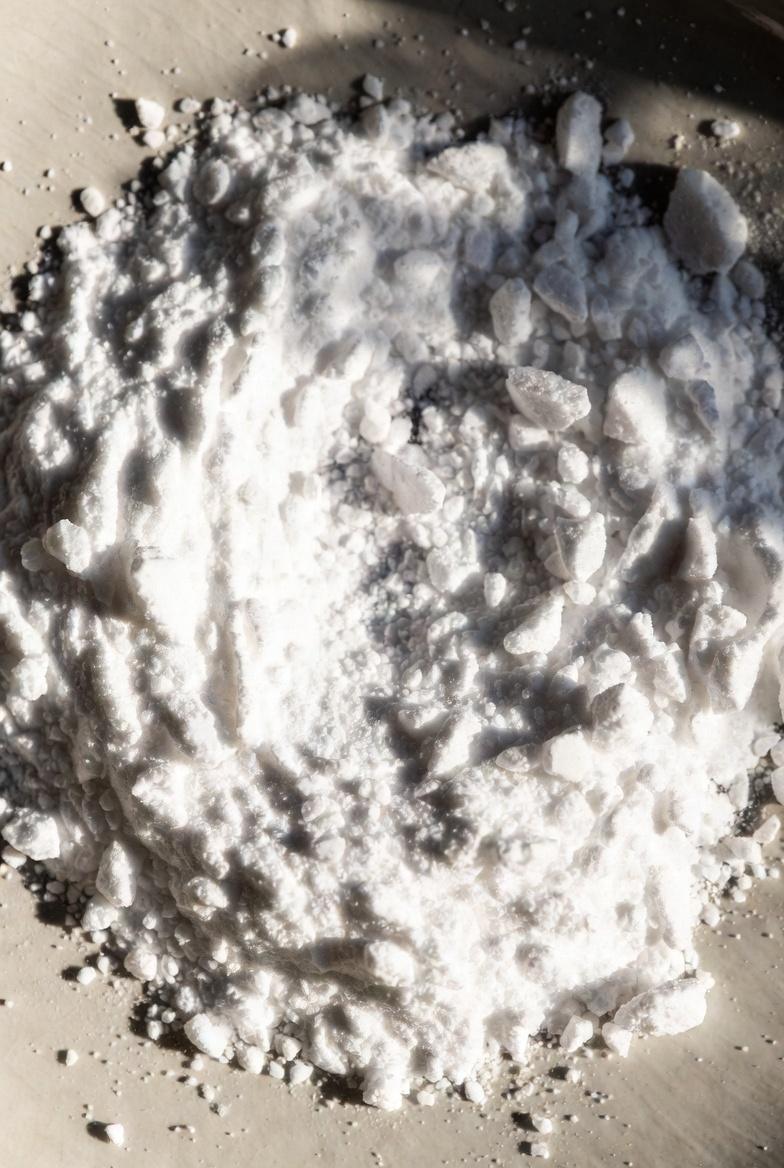
Baking soda, also known as sodium bicarbonate, is a white, crystalline powder commonly found in kitchens for baking and cleaning. It’s alkaline with a pH around 9, which contrasts with the skin’s natural slightly acidic pH of about 4.5 to 5.5. This difference is key when considering its use on skin.
In skincare discussions, baking soda is often praised for its exfoliating qualities due to its gritty texture. But that’s not all—it’s also noted for mild antibacterial effects, which some people explore for specific concerns.
Research from sources like Healthline indicates that while it’s not a staple in professional dermatology, it appears in DIY recipes for its accessibility. However, experts emphasize the need for caution to avoid disrupting the skin’s barrier.
Potential Benefits of Using Baking Soda in Skincare
Many turn to baking soda hoping for gentle exfoliation, which can help remove dead skin cells and promote a smoother feel. Some anecdotal reports suggest it might temporarily brighten the complexion by sloughing off surface buildup.
For those dealing with occasional blemishes, its antibacterial properties could play a role. Studies show sodium bicarbonate has antimicrobial effects against certain bacteria, potentially useful in spot treatments.
Here’s a quick list of commonly discussed benefits:
- Exfoliation: The fine grains can act as a physical scrub, helping to unclog pores.
- Oil Control: It may absorb excess sebum, giving a mattified look.
- Soothing Minor Irritations: Diluted forms are sometimes used in baths for relief from itchiness.
But the reality is, these effects are often short-term and vary by individual skin type. Experts from Business Insider note that while it can provide immediate smoothness, it’s not a long-term solution for deeper concerns like texture changes.
The Risks and Side Effects You Should Know About
On the flip side, baking soda’s high alkalinity can strip the skin’s natural oils, leading to dryness or discomfort. This disruption might weaken the protective barrier, making skin more prone to environmental stressors.
Common side effects include redness, itching, or a burning sensation, especially on sensitive areas like the face. Over time, repeated use could exacerbate issues, as highlighted by dermatologists who warn against DIY exfoliants that alter pH balance.
Sensitivity is a big factor—those with dry or eczema-prone skin might experience worsened symptoms. And here’s something important: abrasive scrubbing can sometimes lead to micro-tears, inviting irritation.
To illustrate the balance, consider this simple comparison table:
| Aspect | Potential Benefit | Associated Risk |
|---|---|---|
| Exfoliation | Smoother texture temporarily | Over-exfoliation causing dryness |
| pH Impact | Absorbs oils for mattified skin | Disrupts natural acidity, leading to barrier damage |
| Antibacterial | May help with minor blemishes | Could irritate if not diluted properly |
| Cost | Affordable and accessible | Potential for long-term sensitivity issues |
This table underscores why moderation is key. Experts advise patch testing to gauge personal tolerance.
Expert Opinions and Scientific Insights on Baking Soda for Skin
Dermatologists often express mixed views on baking soda. While some acknowledge its use in medical baths for conditions like psoriasis, they generally recommend against facial applications due to pH concerns.
A review in the Journal of Integrative Dermatology suggests diluted baking soda might have low irritation risk at certain concentrations, but exact safe levels aren’t standardized. This highlights the importance of evidence-based approaches over trends.
Medical News Today points out that baking soda’s alkalinity can harm more than help, stripping protective acids. User experiences on platforms like Reddit echo this, with many reporting initial excitement followed by regret from irritation.
The consensus? It’s not a miracle ingredient but could have niche uses when handled carefully. Always prioritize professional advice for persistent skin issues.
Safe Ways to Incorporate Baking Soda into Your Routine (If You Decide To)
If you’re curious about trying baking soda, start small and safe. First, consult a dermatologist to ensure it fits your skin type.
Here’s a step-by-step guide for a basic paste:
- Mix Ingredients: Combine 1 teaspoon of baking soda with 2 teaspoons of water or a gentle carrier like honey for added moisture.
- Patch Test: Apply a small amount to your inner arm and wait 24 hours to check for reactions.
- Apply Gently: Use on damp skin in circular motions for 30 seconds, avoiding eyes and sensitive areas.
- Rinse Thoroughly: Wash off with lukewarm water and follow with a moisturizer.
- Frequency: Limit to once a week to prevent over-drying.
But wait, there’s more—consider diluting it further in a bath for body use, adding 1/2 cup to warm water for a soothing soak.
Remember, this isn’t a replacement for proven skincare products. If you notice any adverse effects, stop immediately.
Alternatives to Baking Soda for Gentle Skincare
If baking soda seems too risky, explore milder options. Oatmeal, for instance, offers natural exfoliation without pH disruption.
Sugar scrubs or commercial products with alpha-hydroxy acids provide controlled benefits. Experts recommend ingredients like salicylic acid for blemishes, as they’re formulated for skin safety.
For texture concerns, hyaluronic acid serums hydrate and plump, supported by numerous studies for their efficacy.
Natural oils like jojoba can balance without abrasiveness. The key is choosing pH-balanced alternatives that align with your skin’s needs.
Wrapping Up: Making Informed Choices for Your Skin
In summary, baking soda offers some potential for exfoliation and minor skin concerns, but its risks—particularly pH imbalance—make it a cautious choice. By understanding expert insights and prioritizing safety, you can decide if it fits your routine.
That surprising twist I mentioned earlier? It turns out that the most effective “secret” isn’t a single ingredient but consistency in gentle, evidence-based habits that nurture your skin over time.
Frequently Asked Questions (FAQ)
Can baking soda be used daily on the skin?
No, experts suggest limiting use to once a week at most to avoid irritation and maintain the skin’s natural balance. Always monitor your skin’s response.
Is baking soda suitable for all skin types?
It’s generally not recommended for sensitive or dry skin due to its alkalinity. Oily or combination types might tolerate it better, but patch testing is essential.
What should I do if I experience irritation from baking soda?
Rinse immediately with cool water, apply a soothing moisturizer, and avoid further use. If symptoms persist, seek advice from a healthcare professional.
Disclaimer: This article is for informational purposes only and is not a substitute for professional medical advice. Always consult a dermatologist or healthcare provider before trying new skincare ingredients, especially if you have underlying skin conditions.
(Word count: 1,248)


