
Millions of people deal with everyday digestive discomforts like occasional bloating, irregularity, or mild unease after meals—issues often linked to modern diets, stress, and lifestyle factors. These annoyances can disrupt your day, leaving you feeling sluggish or out of sync. While many turn to supplements or quick fixes, nature provides gentle options worth considering, including time-honored plants like aloe vera, garlic, and cloves.
Here’s the intriguing part: Research suggests these ingredients may offer complementary support for gut wellness through unique natural compounds—yet their real value shines when used thoughtfully and safely.
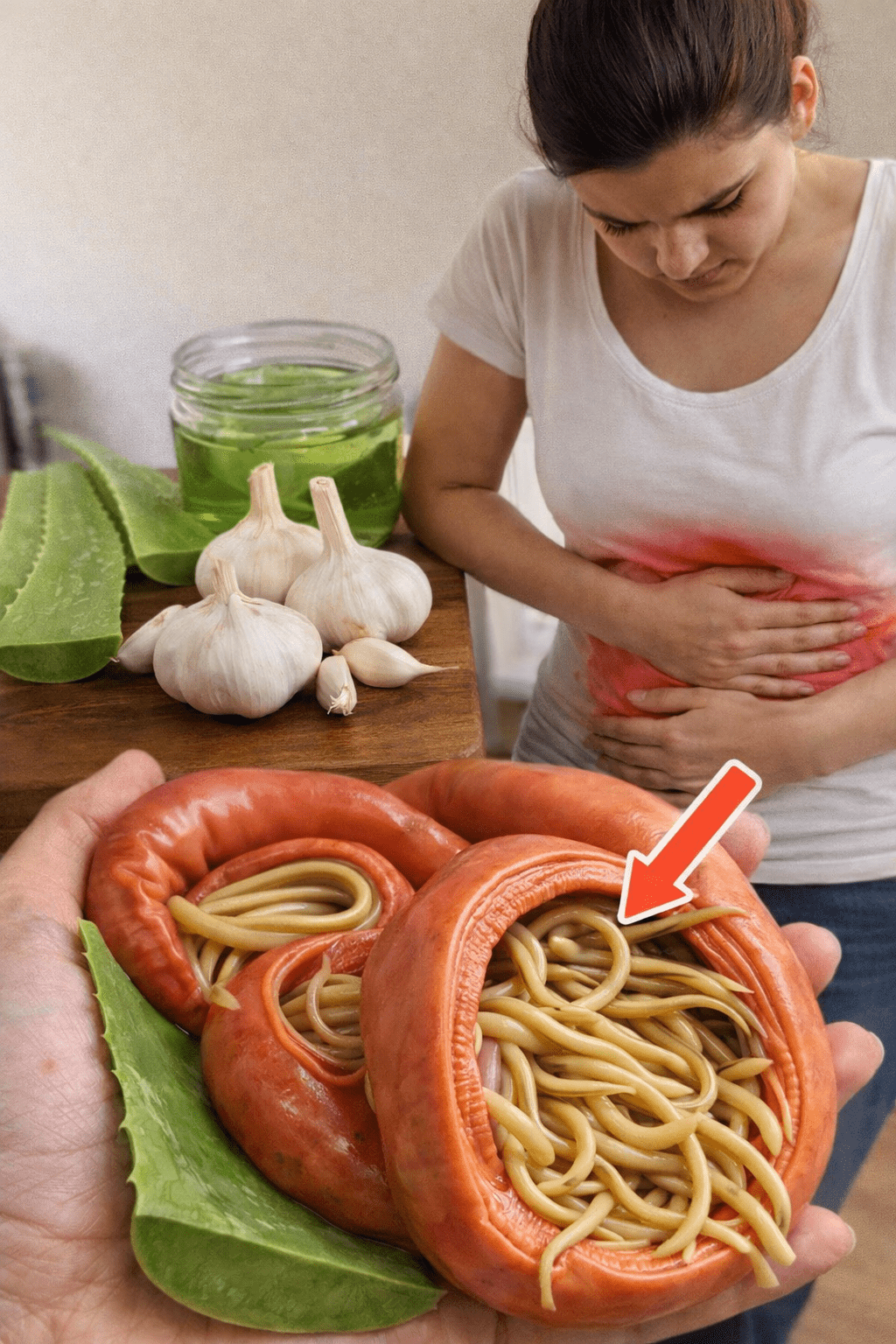
Why Gut Health Deserves Attention in Everyday Life
Your digestive system works nonstop to break down food, absorb nutrients, and maintain balance. Disruptions from processed foods, stress, or occasional imbalances can lead to temporary discomfort. Studies highlight the importance of supporting the gut microbiome—the community of beneficial bacteria that aids digestion and overall well-being.
Many seek natural approaches to promote comfort and regularity. Aloe vera, garlic, and cloves have long appeared in traditional practices for digestive support, and emerging research explores their potential roles.
But that’s not all—let’s examine each one closely.
Aloe Vera: A Soothing Option for Digestive Calm
Aloe vera gel, extracted from the inner leaf, contains polysaccharides that may help soothe the intestinal lining. Some research, including meta-analyses of studies on irritable bowel syndrome (IBS) symptoms, indicates short-term use of certain aloe preparations could contribute to improved comfort in participants.
The gel’s mild hydrating properties might also encourage smoother digestion. In traditional use, people consume small amounts of pure inner gel juice for occasional irregularity.
Key points to know:
- Focus on the clear inner gel (not the outer latex, which contains compounds like aloin that can cause loose stools).
- Start with small servings to observe how your body responds.
Garlic: Nature’s Potential Antimicrobial Contributor
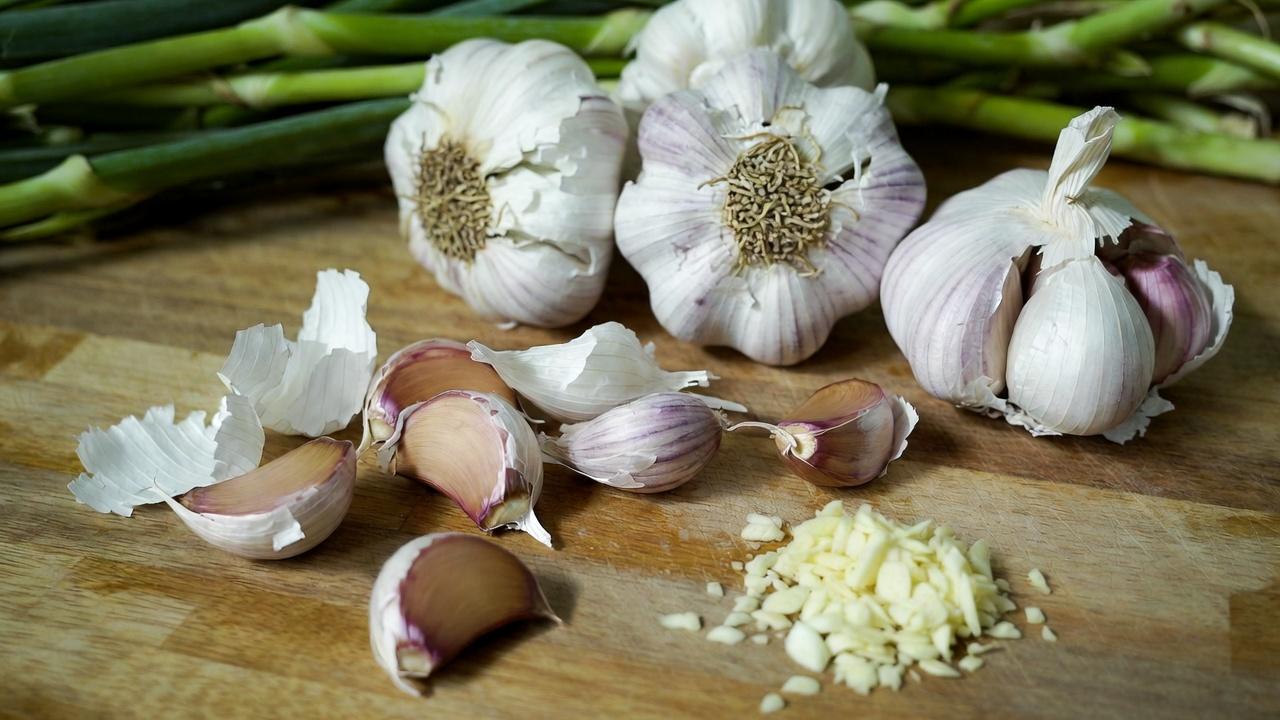
Fresh garlic releases allicin when crushed—a compound studied for its selective antimicrobial properties. Research shows allicin and other organosulfur compounds may influence the gut environment by targeting certain unwanted microbes while supporting beneficial bacteria in some models.
Fructans in garlic also act as prebiotics, potentially feeding good bacteria. Studies on garlic’s effects suggest it could help maintain microbial balance, especially when added to meals regularly.
Practical tip: Crush a clove and let it sit for 10 minutes before cooking—this maximizes allicin formation for potential benefits.
Cloves: Warming Spice with Microbial Support
Cloves owe much of their potency to eugenol, a compound with well-documented antimicrobial activity in lab studies. Research indicates eugenol may help inhibit certain pathogens that could disrupt gut harmony, contributing to a more balanced environment.
Traditionally, clove tea or small amounts in food have been used to ease occasional bloating or mild digestive upset. Its anti-inflammatory qualities might add gentle support.
Interesting note: Cloves pair well with other spices for a soothing infusion.
Could Combining Them Offer Added Support?
While individual studies focus on each ingredient separately, traditional practices sometimes blend aloe vera, garlic, and cloves in remedies for digestive wellness. Their complementary actions—soothing from aloe, antimicrobial from garlic and cloves—might work together in moderation.
No large-scale human trials specifically examine this trio for gut health, but animal and lab research on similar combinations hints at potential synergy for microbial balance.
Here’s where it gets exciting: Many people report positive experiences when incorporating them mindfully.
Safety First: Important Precautions and Considerations
These plants are generally safe in food amounts, but higher doses or improper use warrant caution.
Potential concerns include:
- Aloe vera — Avoid latex-containing parts, as they may cause cramping or diarrhea. Not recommended for long-term use without guidance.
- Garlic — Can irritate the stomach in large amounts or thin blood; consult if on medications like blood thinners.
- Cloves — High doses of eugenol might cause irritation; use sparingly if sensitive.
Always choose high-quality sources. If you have digestive conditions, allergies (especially to Liliaceae family plants like garlic/onions for aloe), are pregnant, or take medications, talk to a healthcare provider first.
Quick comparison table:
- Aloe Vera: Soothing polysaccharides | Avoid latex; start low
- Garlic: Allicin for microbial balance | May cause heartburn; crush for activation
- Cloves: Eugenol for antimicrobial support | Potent; limit to small amounts

Simple Ways to Add Them to Your Routine
Ready to experiment safely? Start with one ingredient and monitor how you feel.
Easy ideas:
- Aloe vera — 1-2 oz of pure inner gel juice (no latex) mixed into water or a smoothie daily.
- Garlic — Add 1 crushed clove to salads, soups, or stir-fries.
- Cloves — Steep 2-3 whole cloves in hot water for tea, or grind into meals.
Track changes in comfort over a few weeks—many notice gradual improvements in regularity and ease.
Wrapping It Up: Gentle Steps Toward Better Digestive Comfort
Incorporating aloe vera, garlic, and cloves thoughtfully could be a simple way to support your gut naturally. Focus on moderation, quality, and listening to your body for the best results.
Imagine feeling more balanced after meals—it’s often the small, consistent habits that make the difference.
FAQ
1. Can I drink aloe vera juice every day? Many use small amounts daily, but stick to latex-free gel products and consult a professional for ongoing use to avoid potential side effects.
2. Is garlic safe for sensitive stomachs? Fresh garlic benefits many, but if it causes irritation, try smaller amounts or cooked versions.
3. How much cloves should I use? Start with 1-3 whole cloves per day in tea or food—more can be too strong.
This article is for informational purposes only and does not replace professional medical advice. Consult your healthcare provider before making changes to your diet or using herbal remedies, especially if you have health conditions, take medications, or are pregnant.


