
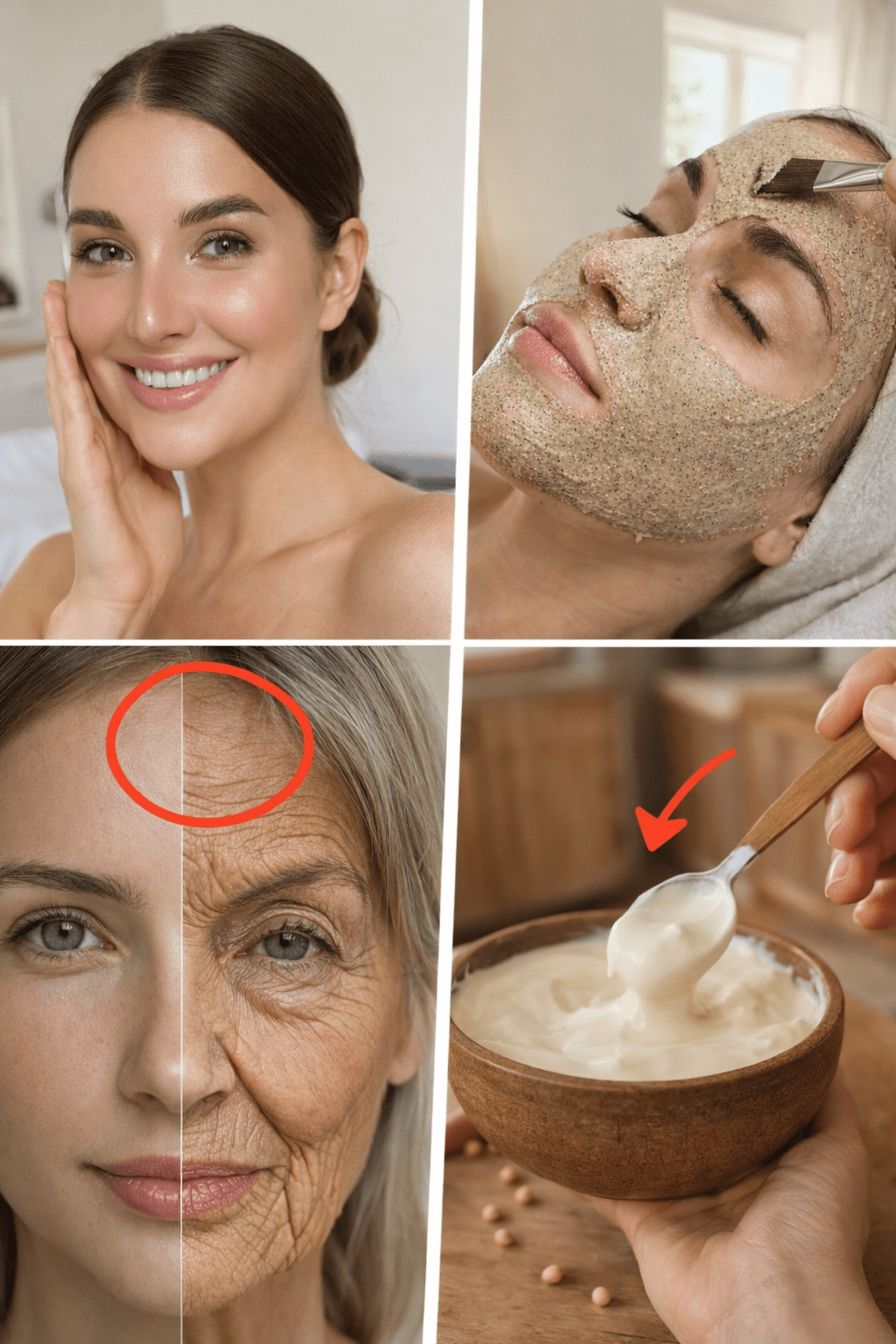
As we age, many people notice changes in their skin texture and appearance that can affect confidence and daily comfort. These subtle shifts often stem from environmental factors, lifestyle choices, and natural processes, leading to a desire for gentle, home-based options to support skin health. What if everyday kitchen staples could offer a simple way to nourish your skin? In this article, we’ll dive into using yeast and yogurt in a homemade mask, but stick around to uncover a surprising twist on how this combination might enhance your routine in ways you haven’t considered.
Understanding the Role of Natural Ingredients in Skincare
Skincare doesn’t have to be complicated or expensive. Many turn to natural elements found in their pantry for a boost in their daily habits. Yeast and yogurt, for instance, have been part of traditional beauty practices in various cultures for generations.
But that’s not all. These ingredients bring unique properties that align with modern skincare interests. Yeast, derived from baking or brewing processes, contains vitamins and minerals. Yogurt, a fermented dairy product, offers probiotics and acids that interact with the skin’s surface.
Research from sources like the Journal of Cosmetic Dermatology suggests that fermented ingredients can support skin barrier function through their probiotic content. This doesn’t mean dramatic transformations, but rather a gentle addition to your regimen.
The Science Behind Yeast in Skincare
Yeast isn’t just for bread. In skincare contexts, it’s valued for its nutrient profile. It includes B vitamins, which play a role in cell metabolism, and amino acids that help with hydration.
Here’s something interesting. Studies, such as those published in the International Journal of Molecular Sciences, indicate that yeast extracts may contribute to antioxidant activity on the skin. This could help combat everyday stressors like pollution.
However, individual results vary based on skin type and usage. Always patch test new ingredients to observe how your skin responds.
Key Nutrients in Yeast
- B Vitamins: Support energy production in skin cells.
- Amino Acids: Aid in maintaining moisture levels.
- Minerals like Zinc: Known for their role in skin repair processes.
These elements make yeast a intriguing choice for those exploring natural options.
Yogurt’s Contribution to Skin Nourishment
Yogurt has long been a staple in natural beauty routines. Its lactic acid content acts as a mild exfoliant, helping to slough off dead skin cells gently.
And get this: The probiotics in yogurt may influence the skin’s microbiome, as noted in research from the British Journal of Dermatology. A balanced microbiome is key to overall skin health.
Plain, unsweetened yogurt is best for this purpose, avoiding added sugars that could irritate sensitive skin.
Benefits of Probiotics from Yogurt
Probiotics in yogurt can:
- Help maintain a healthy skin environment.
- Provide hydration through natural moisture-binding properties.
- Offer a soothing effect for everyday use.
Incorporating yogurt into masks is a simple way to explore these aspects.
How to Prepare a Yeast and Yogurt Face Mask at Home
Ready to try it? This section provides a step-by-step guide to creating a basic mask using these ingredients. Remember, this is for informational purposes and not a substitute for professional advice.
First, gather your materials: 1 teaspoon of active dry yeast, 2 tablespoons of plain yogurt, and optionally, a dash of honey for added moisture.
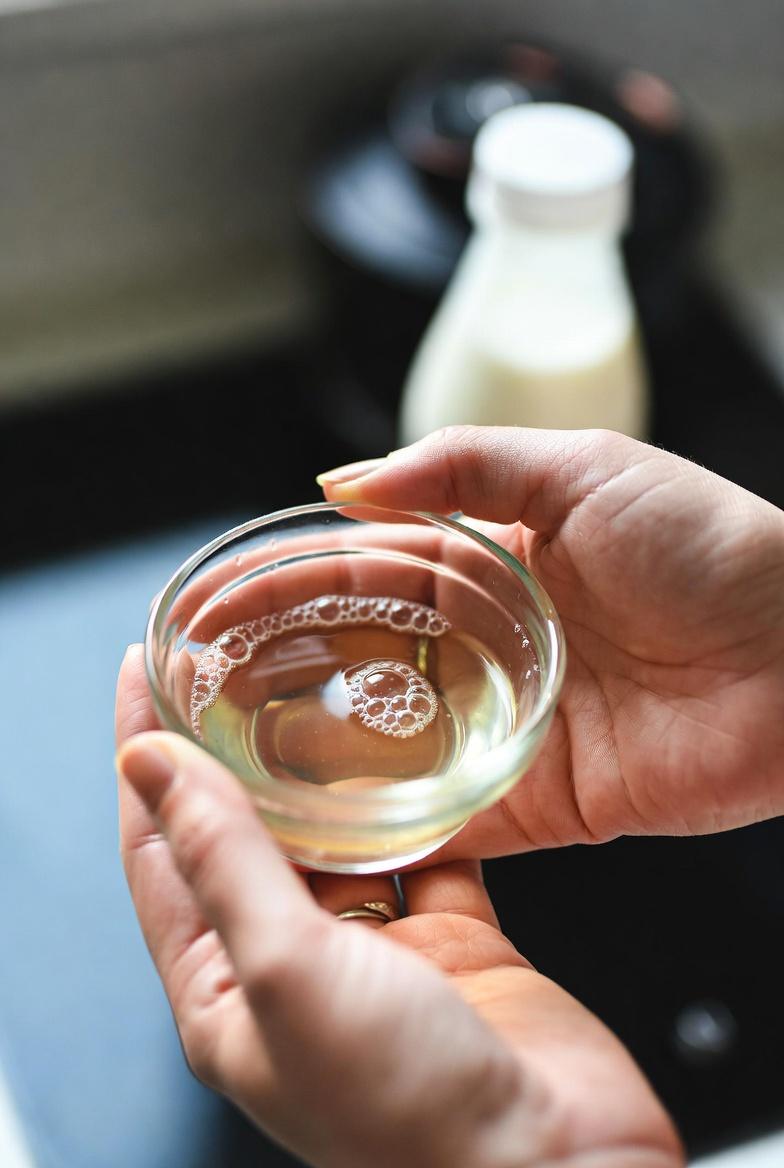
Mix the yeast with a small amount of warm water to activate it, letting it sit for 5 minutes until foamy.
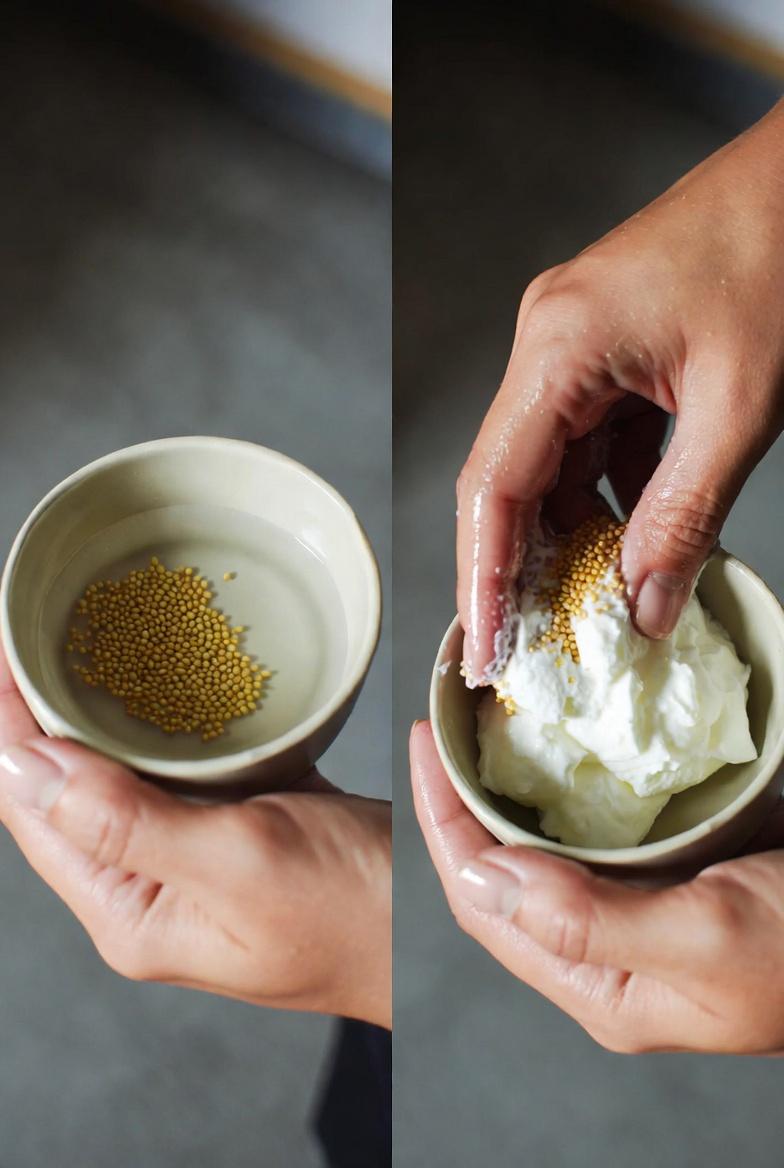
Then, stir in the yogurt until you have a smooth paste. Apply to clean skin, avoiding the eye area, and leave on for 10-15 minutes before rinsing with lukewarm water.
But wait, there’s more. For best practices, use this mask 1-2 times a week as part of a broader routine that includes cleansing and moisturizing.
Step-by-Step Preparation Guide
- Activate the Yeast: Dissolve 1 tsp yeast in 1 tbsp warm water. Wait for bubbles.
- Combine Ingredients: Add 2 tbsp yogurt and mix well.
- Apply Evenly: Use a brush or fingers to spread on face.
- Rinse Thoroughly: After time is up, wash off and pat dry.
- Follow Up: Apply your usual moisturizer.
This process takes about 20 minutes total, making it easy to fit into busy schedules.
Potential Ways This Mask Supports Your Skincare Goals
Many people incorporate such masks to promote a sense of freshness and hydration. The combination of yeast’s nutrients and yogurt’s acids may help in gentle exfoliation and moisture retention.
Truth be told, user experiences shared on platforms like health forums suggest a softening effect after consistent use. However, consistency is key, and pairing with sun protection is essential.
A study in the Journal of Drugs in Dermatology highlights how lactic acid from yogurt can improve skin texture over time through regular application.
Comparing Yeast and Yogurt to Common Skincare Ingredients
| Ingredient | Key Property | Potential Skin Benefit |
|---|---|---|
| Yeast | Vitamin-rich | Supports cell energy |
| Yogurt | Probiotic | Aids microbiome balance |
| Honey | Humectant | Draws in moisture |
| Oatmeal | Soothing | Calms irritation |
This table shows how yeast and yogurt stack up against other natural options.
Tips for Incorporating This into Your Routine Safely
Safety first. Start with a patch test on your inner arm to check for reactions. If you have sensitive skin or conditions like acne, consult a dermatologist before trying new things.
Moreover, store your mask in the fridge if not using immediately, and discard after 24 hours to avoid bacterial growth.
Here’s a pro tip: Combine this with other habits like drinking plenty of water and eating a balanced diet for holistic skin support.
Common Mistakes to Avoid
- Using expired ingredients, which can reduce effectiveness.
- Applying too frequently, potentially leading to dryness.
- Skipping sunscreen afterward, as exfoliated skin is more sun-sensitive.
Avoiding these ensures a positive experience.
Real-Life Experiences and Community Insights
People from various age groups share stories of adding natural masks to their routines. For example, some in their 50s note a renewed interest in self-care through simple recipes.
But the real gem is how it encourages mindfulness. Taking time for a mask can be a relaxing ritual, reducing stress that impacts skin.
Online communities on sites like Reddit’s r/SkincareAddiction discuss similar combinations, emphasizing patience and realistic expectations.
Enhancing Your Overall Skincare Strategy
Beyond masks, consider lifestyle factors. Adequate sleep, stress management, and a diet rich in antioxidants all play roles in skin appearance.
Interestingly, combining topical applications with internal nutrition amplifies efforts. Foods like berries and nuts complement the nutrients in yeast and yogurt.
Stay consistent, and track changes in a journal to see what works for you.
Conclusion
Incorporating yeast and yogurt into a homemade face mask offers a straightforward way to explore natural skincare options. By following the steps outlined, you can add this to your routine thoughtfully. Remember, skincare is personal, so listen to your skin’s needs.
Frequently Asked Questions (FAQ)
What types of yeast and yogurt should I use for a face mask?
Opt for active dry yeast and plain, unsweetened yogurt to avoid additives. Greek yogurt works well for a thicker consistency.
How often can I apply a yeast and yogurt mask?
Aim for 1-2 times per week, depending on your skin’s tolerance. Monitor for any signs of irritation and adjust accordingly.
Can this mask be customized for different skin types?
Yes, add aloe vera for soothing dry skin or lemon juice (diluted) for oily types, but always test small amounts first.
Always consult with a healthcare professional before trying new skincare practices, especially if you have underlying skin conditions. This article is for informational purposes only and does not constitute medical advice.


