
Joint discomfort becomes more common as we age, often making everyday activities like walking, climbing stairs, or even getting out of bed feel challenging. Many people over 50 notice increased stiffness, occasional swelling, and reduced flexibility due to natural wear on cartilage and ongoing low-level inflammation. This can limit mobility, affect sleep, and reduce enjoyment of hobbies or time with family. While conventional approaches exist, growing interest focuses on gentle, plant-based options that may help support overall joint wellness through anti-inflammatory properties.
What if simple additions to your routine—like certain oils and herbs—could offer supportive benefits? In this article, we explore five oils and three herbs commonly discussed for their potential role in promoting comfort and ease of movement, drawing from traditional use and emerging research.
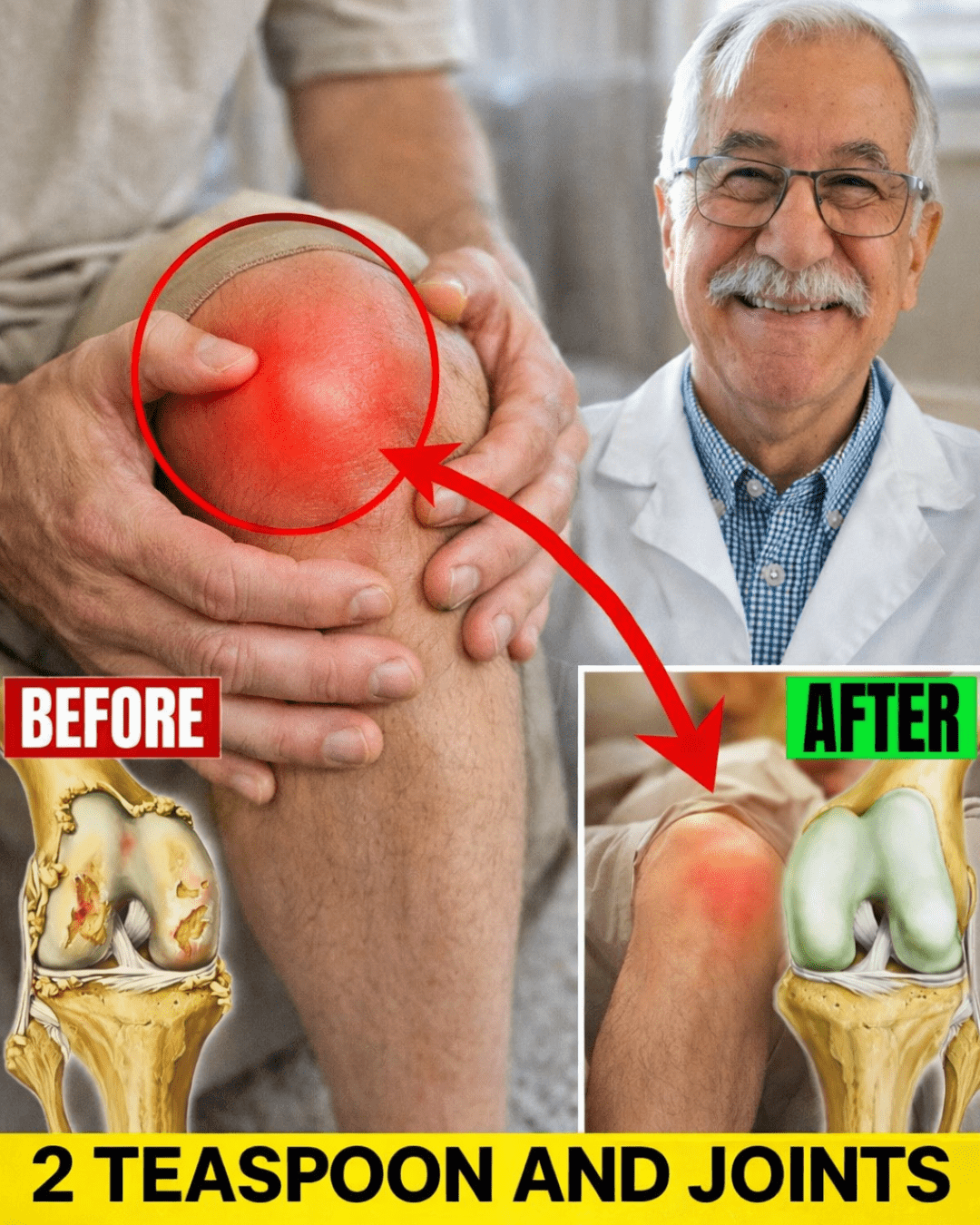
Why Joint Discomfort Often Increases with Age
As we pass 50, factors like gradual cartilage thinning, reduced natural recovery, and lifestyle elements contribute to more noticeable joint issues. Inflammation plays a key role in this process, creating a cycle of discomfort and limited activity. Studies suggest that incorporating anti-inflammatory elements from diet and topical applications may help manage these changes as part of a balanced lifestyle.
But that’s not all—many people find that combining internal and external approaches yields the most noticeable support.
Oil #1: Extra Virgin Olive Oil – A Daily Kitchen Staple with Potential Benefits
Extra virgin olive oil stands out for its rich content of polyphenols, including oleocanthal. Research indicates that oleocanthal may inhibit certain inflammatory enzymes in a way similar to some common pain relievers, without the same potential side effects.
People often use it both internally (drizzled on salads or vegetables) and externally (gentle massage on joints). A simple way to start: Add 1–2 tablespoons to meals daily or mix with a carrier for topical use.
Oil #2: Eucalyptus Oil – Cooling Support for Occasional Swelling
Eucalyptus essential oil is prized for its menthol-like compounds that provide a cooling sensation. Some studies suggest topical application may help reduce localized inflammation and ease discomfort in swollen areas.
How to try it safely:
- Dilute 3–5 drops in 1 tablespoon of carrier oil (like coconut or jojoba).
- Apply gently to affected joints.
- Always patch test first to avoid irritation.
This oil’s refreshing feel makes it popular for post-activity recovery.
Oil #3: Peppermint Oil – Quick Cooling Relief for Daily Use
Peppermint oil contains menthol, which creates an instant cooling effect on the skin. Limited research points to its potential as a topical analgesic that may soothe throbbing sensations and support tissue comfort.
Try adding a few drops to a warm bath or massaging diluted into tense areas for fast, noticeable refreshment.
Here are three more oils often mentioned for joint support:
- Ginger Oil — Known for warming properties that may improve circulation and ease stiffness.
- Frankincense Oil — Traditionally used for its potential to promote tissue wellness and calm inflammation.
- Lavender Oil (bonus) — Often blended for calming effects alongside physical relief.
Always dilute essential oils and consult guidelines for safe use.
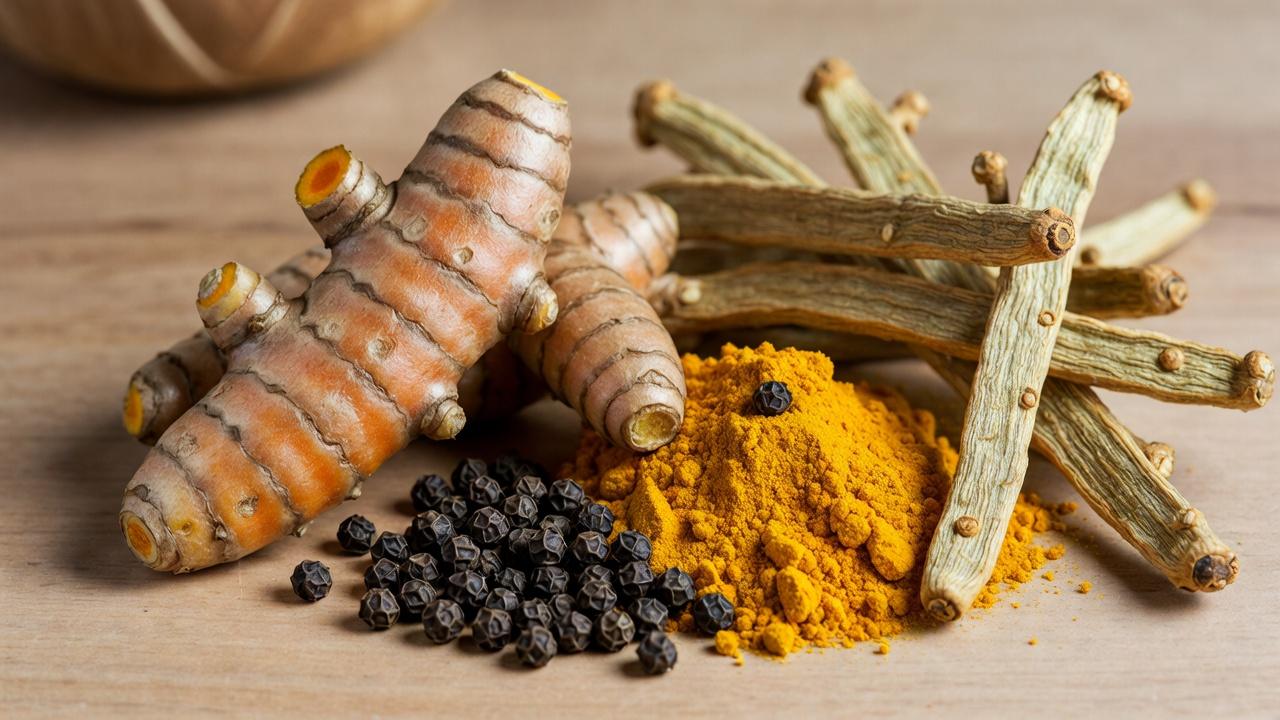
Supporting Herbs: Time-Tested Options for Overall Wellness
Herbs have been used for centuries in traditional systems to support the body’s natural balance.
Herb #1: Turmeric (Curcumin) – The Golden Spice
Turmeric’s active compound, curcumin, has been extensively studied for its anti-inflammatory potential. Systematic reviews of randomized trials suggest that standardized curcumin extracts (often 1000 mg/day) may help reduce pain and improve function in knee discomfort, sometimes comparably to common options, with a gentler profile.
Simple ways to incorporate:
- Make golden milk: Warm milk (or plant-based) with 1 tsp turmeric, a pinch of black pepper (for better absorption), and honey.
- Add to soups, curries, or smoothies.
Herb #2: Ashwagandha – An Adaptogen for Stress-Related Discomfort
As an adaptogen, ashwagandha may help the body manage stress, which can indirectly influence inflammation. Some clinical studies show it supports reduced knee joint discomfort and improved mobility in people with osteoarthritis.
Typical use: Capsules or powder in warm drinks, starting low to assess tolerance.
Herb #3: Cinnamon – Sweet Support for Balance
Cinnamon offers antioxidant properties and may help regulate metabolic factors linked to inflammation. Research indicates it can lower certain markers over time.
Sprinkle on oatmeal, yogurt, or in tea for an easy daily habit.
Practical Tips to Get Started
Here’s a quick comparison of approaches:
- Topical oils — Fast localized relief, easy to apply daily.
- Herbal additions — Internal support for longer-term wellness.
- Combination — Many find blending (e.g., turmeric tea + olive oil massage) enhances benefits.
Actionable steps:
- Start with one item (like extra virgin olive oil in meals).
- Dilute and patch test any essential oil.
- Track how you feel after 4–8 weeks of consistent use.
- Pair with gentle movement, like walking or stretching.
Timeline for Potential Changes
Many notice subtle shifts in stiffness within 1–3 months, with more sustained comfort over time. Consistency and a holistic approach (diet, activity, rest) matter most.
FAQ
1. Are these oils and herbs safe for everyone? Most are well-tolerated when used properly, but dilute essentials, start low with herbs, and check for interactions.
2. How long before I might notice support? It varies; some feel cooling from topicals immediately, while internal herbs like turmeric or ashwagandha often show benefits after weeks of regular use.
3. Can I combine these with other routines? Yes, many integrate them alongside exercise or diet changes, but discuss with a provider for personalized advice.
Disclaimer: This article is for informational purposes only and not intended as medical advice. These natural options may support wellness but are not a substitute for professional care. Always consult a healthcare provider before starting new supplements or remedies, especially if you have existing conditions or take medications.


