Many people deal with dull skin from daily buildup or teeth that look less bright due to coffee, tea, or everyday habits. These common concerns can make anyone feel self-conscious when smiling in photos or noticing shine on their face midday. If you’ve ever wished for easy ways to freshen up your appearance using items from your kitchen, you’re not alone—and there’s a simple approach that might help, but it’s important to understand the details first.
In this guide, we’ll look at what research says about using lemon juice and activated charcoal at home. We’ll cover potential benefits, how to try them safely, and why experts often suggest caution. By the end, you’ll have practical tips to decide if these fit your routine—plus one key thing many overlook that could make all the difference.
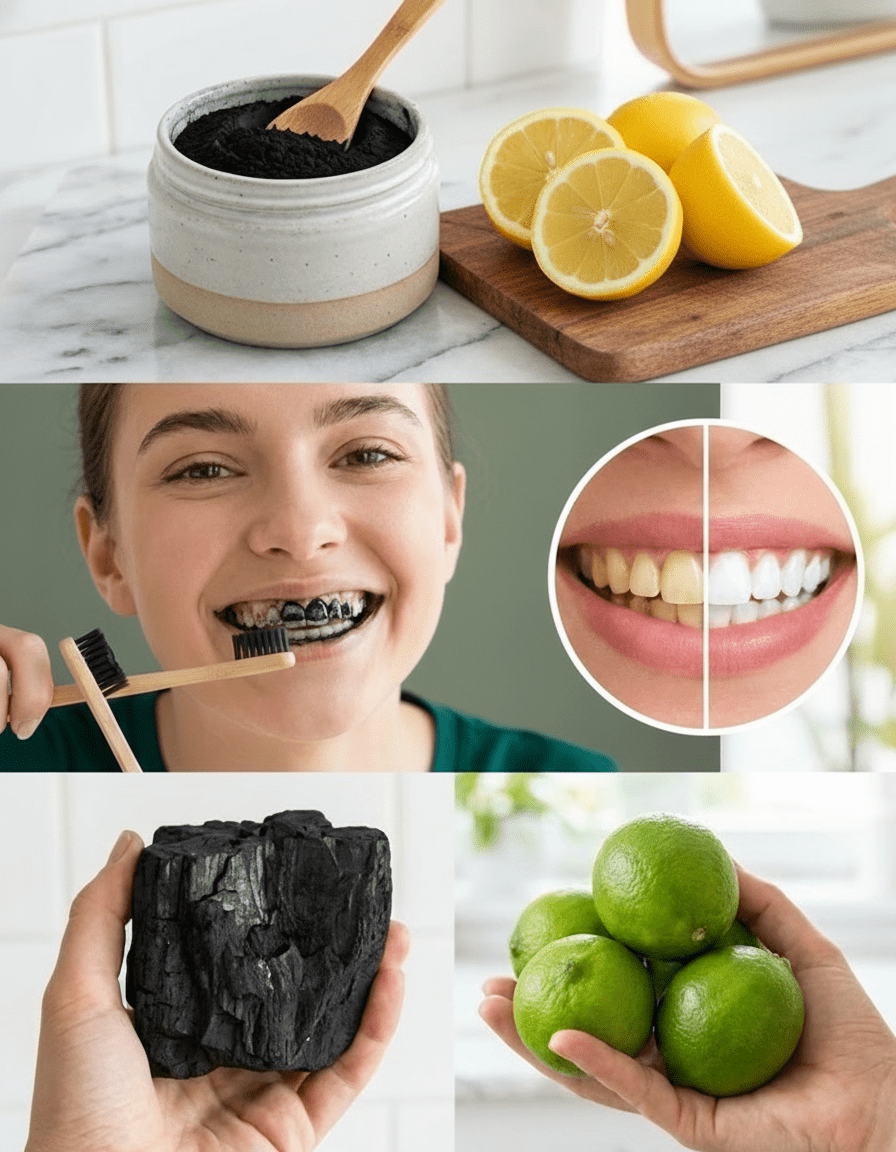
What Is Activated Charcoal and How Does It Work on Skin?
Activated charcoal is a fine black powder made by heating carbon-rich materials like wood or coconut shells at high temperatures. This process creates tiny pores that can adsorb (bind to) oils, dirt, and impurities.
For skin, some studies suggest it may help with oil control. Research, including a review in the Journal of Clinical and Aesthetic Dermatology, has looked at charcoal masks and their ability to reduce excess sebum temporarily. People with oily skin often notice a mattifying effect after use.
But results vary. Here’s what people commonly report:
- Feels cleaner after rinsing off buildup
- Temporary reduction in shiny appearance
- Smoother texture from gentle polishing
Keep in mind, these effects are short-term, and overuse can dry out skin.
The Role of Lemon Juice: Vitamin C and Natural Acidity
Fresh lemon juice is rich in vitamin C, an antioxidant that supports overall skin health when eaten or used in stable forms. Topically, its natural acids (like citric acid) act as mild exfoliants, helping remove dead skin cells.
Some small studies on citrus extracts show potential for brighter-looking skin over time. For example, research in Nutrients has explored how vitamin C from natural sources may support collagen.
However, lemon juice is highly acidic (pH around 2), much lower than skin’s natural pH (about 5.5). This can disrupt the skin barrier if used undiluted.
Common observations from users:
- Temporary fresh feel
- Mild smoothing from exfoliation
Experts from sites like Healthline recommend diluting heavily or choosing formulated vitamin C products instead.

Trying These for Teeth: What to Know
People sometimes use activated charcoal powder or lemon juice rinses hoping to lift surface stains from teeth.
A few lab studies have tested charcoal’s ability to adsorb stains, but clinical evidence is limited. The American Dental Association (ADA) states there’s insufficient data to support its safety or effectiveness for whitening. It can be abrasive, potentially wearing down enamel over time.
Lemon juice’s acidity raises similar concerns—it may erode enamel, leading to sensitivity. Studies, including one from the National Library of Medicine, show citric acid can soften tooth surfaces.
Safer everyday habits for brighter teeth include:
- Brushing twice daily with fluoride toothpaste
- Flossing regularly
- Limiting staining foods/drinks
How to Try a Simple Charcoal Face Mask Safely
If you’re curious about charcoal for skin, start small. Here’s a basic way many people prepare it:
- Mix 1 teaspoon food-grade activated charcoal powder with enough water or aloe vera to form a paste.
- Apply to clean face, avoiding eyes.
- Leave on for 5–10 minutes.
- Rinse thoroughly with warm water.
- Follow with moisturizer.
Do a patch test first on your inner arm. Use no more than 1–2 times per week.
For added soothing, some add honey (known for its humectant properties).
Gentle Ways to Incorporate Lemon Juice
Undiluted lemon juice is too harsh for most skin types. If experimenting:
- Dilute 1 part lemon juice with 10 parts water.
- Apply with a cotton pad as a toner.
- Rinse after a few minutes.
- Always wear sunscreen afterward, as citrus can increase sun sensitivity.
Better yet, look for skincare with stabilized vitamin C.
Comparing Home Options to Store-Bought Alternatives
| Approach | Potential Upside | Common Drawbacks | Frequency Suggestion |
|---|---|---|---|
| DIY Charcoal Mask | Temporary oil absorption | Can dry skin; messy | 1–2x/week |
| Diluted Lemon Toner | Mild exfoliation | Irritation risk; photosensitivity | Rarely |
| Vitamin C Serum | Stable, researched brightening | Costs more | Daily |
| ADA-Approved Toothpaste | Gentle stain removal | Slower results | Twice daily |
Research generally favors formulated products for consistent, safer results.
Easy Daily Tips for Fresher Skin and Brighter Teeth
Start with basics that experts agree on:
- Cleanse gently twice a day
- Moisturize to support skin barrier
- Brush teeth properly and see a dentist regularly
- Eat vitamin C-rich foods like citrus for internal support
- Stay hydrated
These build habits that last longer than any quick fix.
Frequently Asked Questions
1. Can activated charcoal really help with oily skin?
Some studies show temporary sebum reduction, but it’s not a long-term solution. Combine with balanced skincare.
2. Is it safe to use lemon juice on teeth daily?
No—its acidity can harm enamel. Stick to dentist-recommended methods.
3. How often should I try these home remedies?
Limit to occasional use, and stop if irritation occurs. Consult a professional for personalized advice.
In summary, while lemon juice and activated charcoal are popular in DIY routines, evidence is mixed, and risks like irritation or enamel wear are real. Focus on gentle, proven habits for the best results—and always chat with a dermatologist or dentist before trying new things.
Disclaimer: This article is for informational purposes only and not medical advice. Home remedies may cause irritation or other issues. Consult a healthcare professional before use, especially if you have sensitive skin, dental concerns, or any health conditions. Results vary, and these approaches are not substitutes for professional care.