
Joint stiffness and occasional discomfort can make simple daily activities feel challenging, especially as we age or stay active. Many people notice these sensations more during movement, after long periods of rest, or with everyday wear and tear on the body. While medical options exist, growing interest focuses on gentle, plant-based approaches that fit into routines without harsh side effects. One such combination drawing attention is spearmint and rosemary—two aromatic herbs long used in traditional practices. But what makes this duo stand out, and how might they support overall joint wellness in a natural way? Keep reading, because toward the end, we’ll share simple ways to incorporate them that many find surprisingly easy and enjoyable.
Understanding Everyday Joint Discomfort
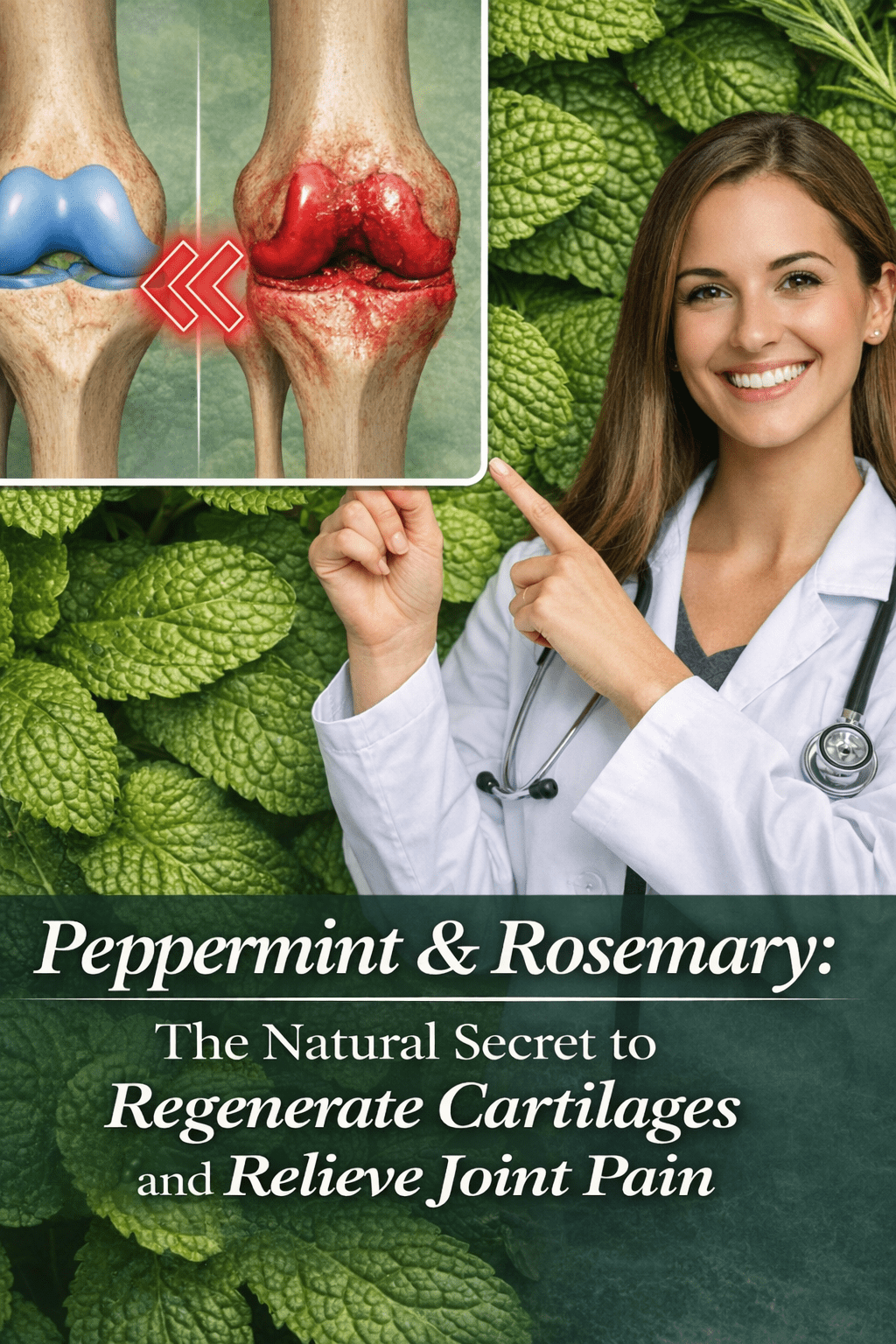
Joints rely on healthy cartilage, the cushioning tissue that helps bones glide smoothly. Over time, factors like occasional inflammation, oxidative stress from daily life, and reduced circulation can contribute to feelings of stiffness or mild unease.
Research highlights that supporting the body’s natural anti-inflammatory processes and antioxidant defenses may play a role in maintaining joint comfort. Compounds found in certain herbs show promise in lab and small human studies for helping manage these aspects.
Spearmint: A Refreshing Source of Support
Spearmint (Mentha spicata) offers more than its cool, minty flavor. It contains rosmarinic acid, a natural polyphenol recognized for its antioxidant and potential anti-inflammatory properties.
Some studies, including a randomized trial on individuals with knee osteoarthritis, found that drinking spearmint tea—especially varieties higher in rosmarinic acid—correlated with improvements in reported stiffness and physical function over several weeks. Participants noted gradual changes in how their joints felt during movement.
Key potential perks of spearmint for joint wellness:
- Provides rosmarinic acid, studied for helping modulate inflammatory responses
- Offers antioxidant support to combat everyday oxidative stress
- Delivers a soothing, cooling quality often appreciated for muscle relaxation
But that’s not the full picture—spearmint works even better alongside complementary herbs.
Rosemary: Boosting Circulation and Protection
Rosemary (Rosmarinus officinalis) has been valued in herbal traditions for centuries, thanks to its rich profile of antioxidants like carnosic acid and rosmarinic acid.
Animal studies and in vitro research suggest rosemary extracts may help reduce inflammatory markers and support cartilage health by slowing certain breakdown processes. One study using rosemary essential oil in a nanoemulsion form showed improvements in joint tissue appearance and reduced discomfort responses in models of induced osteoarthritis.
Why rosemary stands out:
- Enhances blood flow, potentially aiding nutrient delivery to joint areas
- Supplies potent antioxidants that help protect tissues
- Traditionally linked to easing muscle tension and supporting mobility
This herb’s warming, stimulating nature pairs nicely with spearmint’s cooling effect.
How Spearmint and Rosemary Complement Each Other
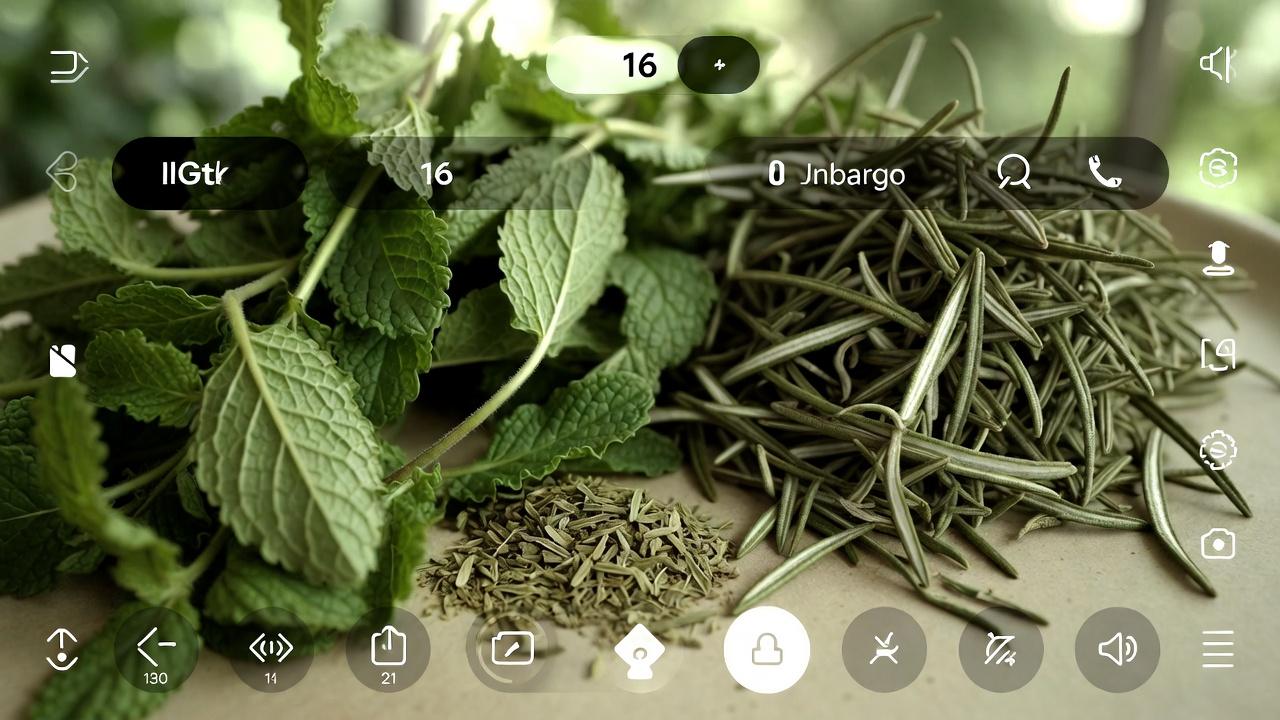
Combining these two herbs creates a balanced synergy. Spearmint brings cooling relief and inflammation-modulating compounds, while rosemary adds circulation support and deeper antioxidant protection. Together, they address multiple angles of joint wellness—reducing oxidative stress, supporting healthy inflammation responses, and promoting overall comfort.
Small studies on related mint varieties and rosemary suggest this pairing could offer gentle, daily support when used consistently.
Simple Ways to Add Spearmint and Rosemary to Your Day
Here are practical, beginner-friendly methods to enjoy this herbal duo. Start small and observe how your body responds.
1. Classic Herbal Tea (Daily Ritual)
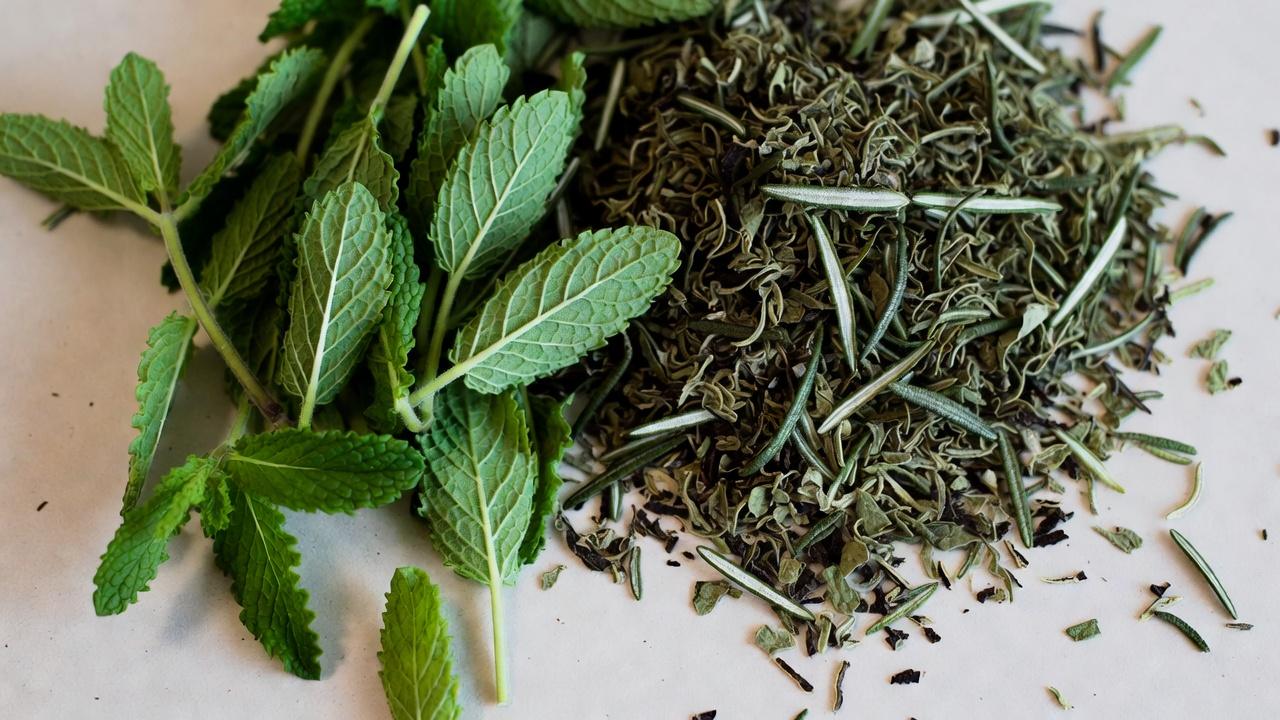
- Use 1 teaspoon dried spearmint leaves
- Add 1 teaspoon dried rosemary leaves
- Steep in 8-10 oz hot water for 8-10 minutes
- Strain and sip once or twice daily, perhaps in the morning or evening
Many find the flavor refreshing and aromatic—perfect for unwinding.
2. Topical Infused Oil for Gentle Massage
- Combine equal parts dried spearmint and rosemary in a jar
- Cover with olive or coconut oil and let infuse for 2-4 weeks in a sunny spot
- Strain, then gently massage a small amount into areas of stiffness
This creates a soothing, aromatic blend for self-care.
3. Culinary Twists
- Toss fresh or dried leaves into roasted vegetables, soups, or herbal broths
- Add to smoothies or infused water for a subtle flavor boost
These small habits make it easy to get consistent exposure.
What the Research Says So Far
While promising, most evidence comes from lab studies, animal models, and small human trials. For example, high-rosmarinic acid spearmint tea showed benefits in stiffness and function in one 16-week study with knee osteoarthritis participants. Rosemary extracts demonstrated potential in reducing cartilage-related markers in test-tube and rat models.
These findings suggest supportive roles, but larger studies are needed. Always view herbs as complementary to a balanced lifestyle.
Tips for Best Results
Pair your herbal routine with movement like gentle walking or stretching, stay hydrated, and include anti-inflammatory foods (think berries, fatty fish, and greens). Consistency matters—many notice gradual shifts over weeks.
Frequently Asked Questions
Can I drink spearmint and rosemary tea every day? Yes, for most people, 1-2 cups daily is generally well-tolerated as part of a varied diet. Start with one cup to see how you feel.
Are there any side effects to watch for? These herbs are safe for many, but excessive amounts may cause mild digestive upset. Those with allergies to the mint family should avoid.
How soon might I notice changes in joint comfort? Experiences vary, but some studies show improvements in weeks with consistent use. Results depend on individual factors like diet and activity.
Important Disclaimer This article is for informational purposes only and not intended as medical advice. Spearmint and rosemary are not substitutes for professional healthcare or prescribed treatments. Consult your healthcare provider before adding new herbs, especially if pregnant, nursing, on medications, or managing a health condition. Individual results may vary.


