Many people experience daily discomforts like tension headaches, digestive unease, or low energy levels that disrupt their routines and overall sense of well-being. These common challenges can build up over time, making it harder to enjoy life’s simple pleasures or stay productive throughout the day. Fortunately, ancient practices like reflexology offer a gentle way to explore self-care through targeted touch on the feet. By the end of this guide, you’ll discover a simple at-home technique that could transform your approach to relaxation—but first, let’s uncover the basics.
What Is Reflexology and How Does It Relate to Your Feet?
Reflexology is an alternative therapy that focuses on applying pressure to specific areas on the feet, hands, or ears. These areas, known as reflex points, are believed to correspond to different parts of the body. The practice dates back thousands of years, with roots in ancient Egyptian and Chinese traditions.
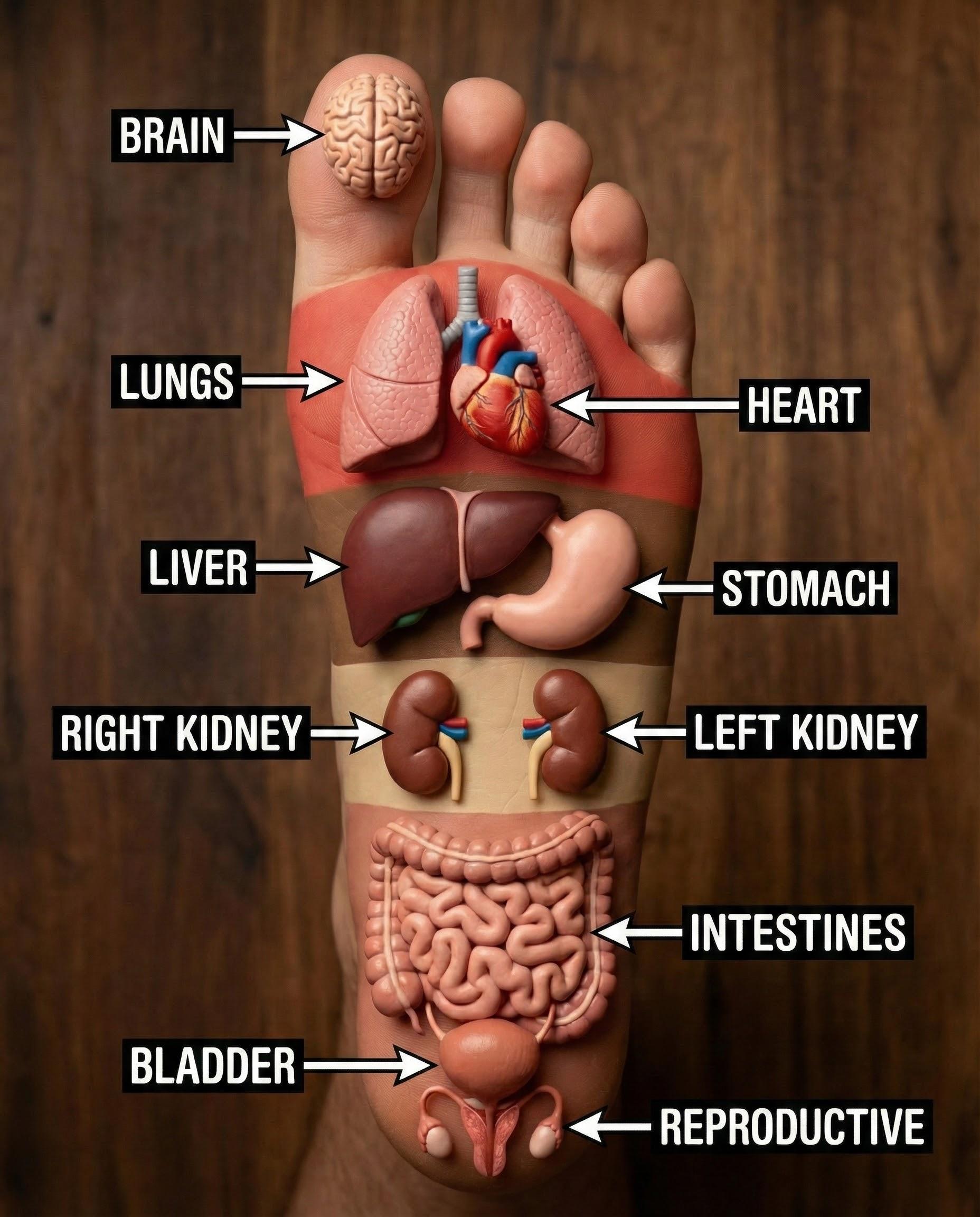
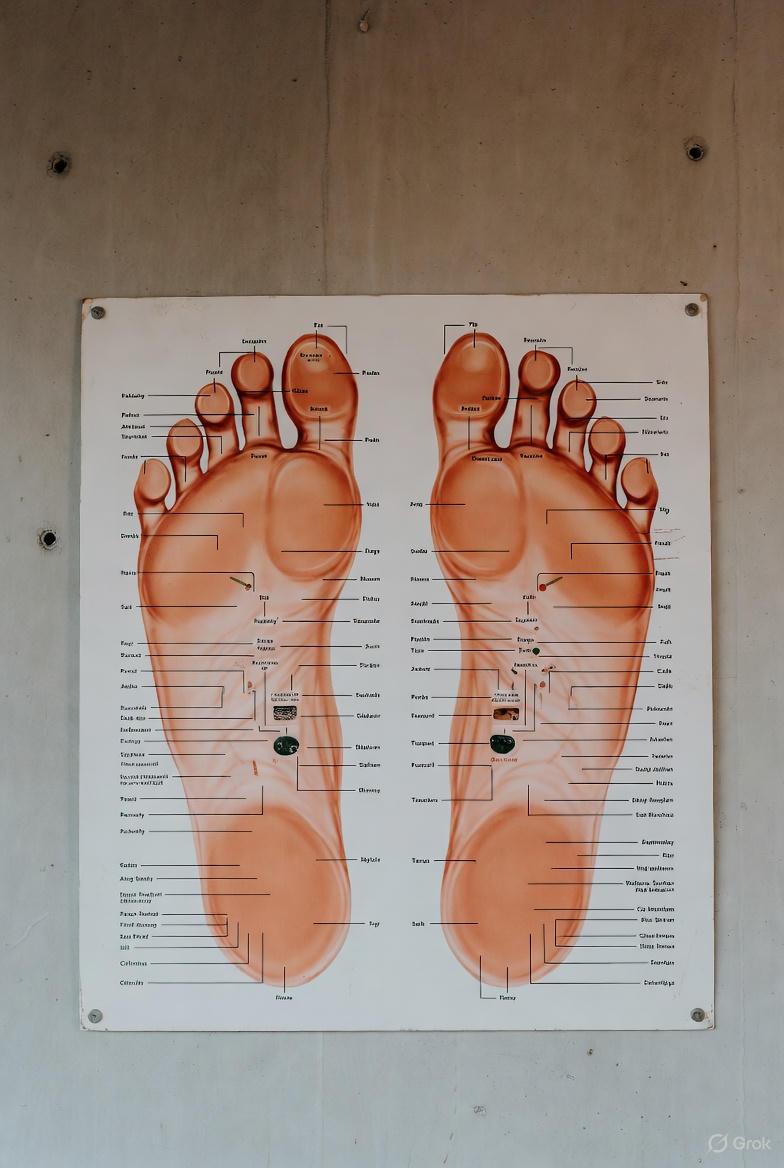
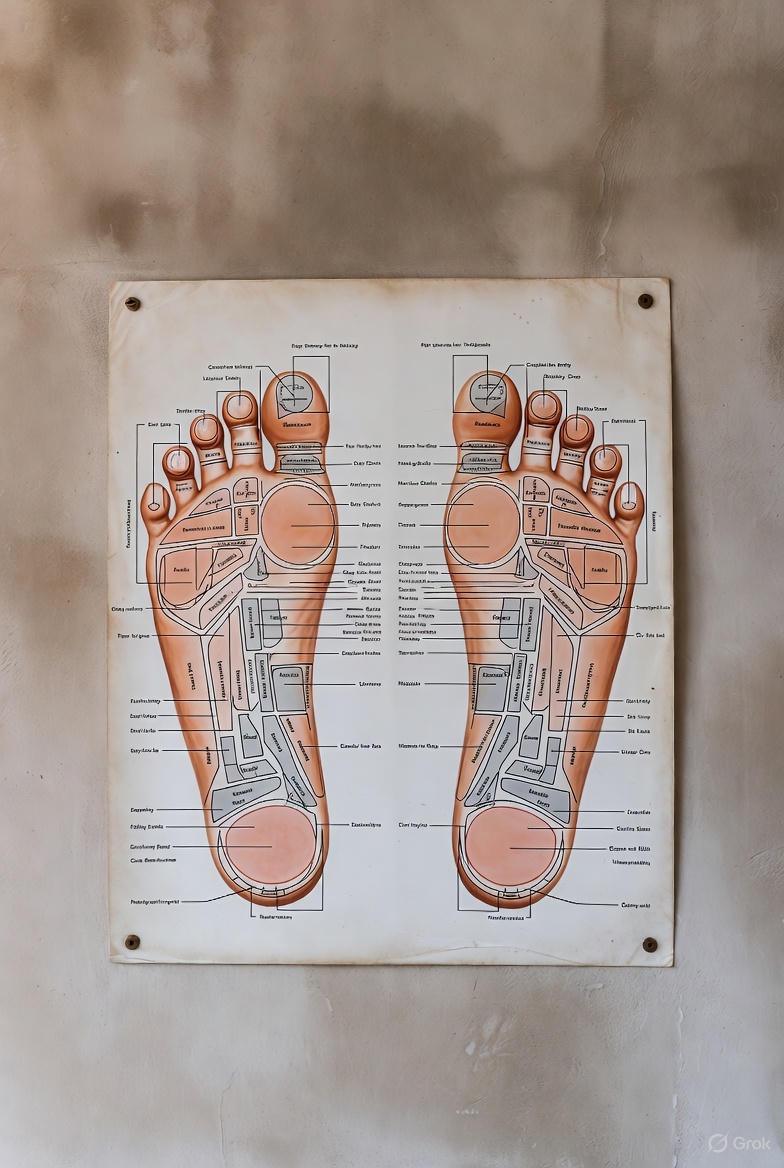
But here’s the key: Practitioners use foot maps to guide their sessions. These charts divide the foot into zones that mirror the body’s structure. For instance, the toes represent the head and neck, while the ball of the foot links to the chest area.
Research suggests reflexology may promote relaxation and support overall wellness. It’s not a medical treatment, but many find it complements their daily routines.
Decoding a Typical Reflexology Foot Map
A standard reflexology foot chart acts like a blueprint for your body. Each foot represents half of the body—the left foot for the left side, and the right for the right.
Let’s break it down:
- Toes: Connected to the brain, eyes, ears, and sinuses. The big toe often relates to the head.
- Ball of the foot: Links to the heart, lungs, and shoulders.
- Arch: Corresponds to digestive organs like the stomach, liver, and kidneys.
- Heel: Associated with the lower back, intestines, and sciatic nerve.
- Inner and outer edges: Reflect the spine and limbs.
These mappings aren’t universal—charts can vary slightly based on traditions. But that’s not all; understanding these zones is just the start.
The Theory Behind Foot-Organ Connections
The core idea in reflexology is that stimulating foot points can influence corresponding body areas through energy pathways or nerve connections. Some theories suggest it works by improving circulation or reducing stress responses.
Studies indicate reflexology might help with relaxation and sleep quality. For example, one review found potential benefits in managing fatigue and anxiety.
However, it’s important to note that evidence is mixed, and more research is needed. This practice is best viewed as a complementary tool for self-exploration.
Here’s something interesting: Modern science explores how foot stimulation affects the nervous system, potentially triggering endorphin release for a calming effect.
Potential Benefits of Exploring Reflexology at Home
People turn to reflexology for various reasons, often reporting feelings of relaxation after sessions. Some studies show it may support stress reduction and better sleep patterns.
Common experiences include:
- Enhanced sense of calm
- Improved mood
- Greater awareness of body signals
But remember, these are general observations from users and preliminary research. It’s not a substitute for professional care.
The real appeal? It’s accessible. You can try it in your living room without special equipment.
Step-by-Step Guide: How to Use a Foot Reflexology Chart at Home
Ready to give it a go? Follow these simple steps for a beginner’s session. Always start gently to avoid discomfort.
- Prepare your space: Sit comfortably in a quiet room. Have a foot chart handy—print one or use an app.
- Warm up your feet: Soak them in warm water for 5-10 minutes to relax muscles.
- Locate points: Using the chart, identify areas like the solar plexus (under the ball of the foot) for general relaxation.
- Apply pressure: Use your thumb to press firmly but not painfully. Hold for 5-10 seconds, then release. Move in small circles.
- Work systematically: Start from toes and move down to the heel. Spend 1-2 minutes per zone.
- Breathe deeply: Inhale slowly as you press, exhale on release.
- Finish with both feet: Aim for 10-15 minutes total.
Pro tip: Use lotion for smoother gliding. If you’re new, limit sessions to twice a week.
Common Reflex Points and Their Body Links
To make it practical, here’s a quick reference table of key points:
| Foot Area | Linked Body Part | Simple Technique |
|---|---|---|
| Big Toe Tip | Brain/Head | Gentle pinching |
| Ball Center | Heart/Lungs | Circular rubbing |
| Mid-Arch Left | Stomach | Thumb walking |
| Mid-Arch Right | Liver | Steady pressure |
| Heel | Intestines | Kneading motion |
| Inner Sole | Spine | Sliding thumb |
This table is based on standard charts. Adjust based on your comfort.
Sự thật là, practicing on these points can become a mindful habit, much like meditation.
Safety Tips and When to Be Cautious
While reflexology is generally safe for most, listen to your body. Avoid if you have foot injuries, infections, or are pregnant without consulting a professional.
Start slow—overdoing it might cause temporary soreness. Hydrate afterward, as some report increased energy flow.
Research emphasizes consulting healthcare providers for any health concerns. It’s a wellness tool, not a diagnostic method.
But here’s the exciting part: Many find it empowers them to take small steps toward balance.
Incorporating Reflexology into Your Daily Routine
Make it a habit by pairing with evening wind-downs. Try 5 minutes before bed for potential sleep support.
Experiment with tools like wooden rollers or massage balls for variety.
Track your sessions in a journal—what do you notice? This builds awareness.
Over time, it might become your go-to for quick resets during busy days.
Conclusion
Reflexology foot maps offer a fascinating way to explore body connections through simple touch. By understanding zones and trying basic techniques, you can incorporate this practice into your self-care toolkit. Remember, it’s about discovery and relaxation—give it a try and see what resonates.
FAQ
What is the difference between reflexology and acupressure?
Reflexology focuses on foot maps linking to organs, while acupressure uses meridian points across the body. Both involve pressure but stem from different traditions.
Can anyone practice reflexology at home?
Yes, beginners can start with basic charts and gentle pressure. However, those with health conditions should consult a doctor first.
How often should I do foot reflexology?
Aim for 2-3 times a week, 10-20 minutes per session. Consistency matters more than frequency for noticing patterns.
Disclaimer: This article is for informational purposes only and not intended as medical advice. Consult a healthcare professional for any health concerns.
(Word count: 1,248)