
Many of us wake up feeling sluggish, bloated, and low on energy after years of processed foods, stress, and environmental toxins. These daily habits can leave us feeling heavy, with dull skin and occasional digestive discomfort. Fortunately, a simple, single-ingredient drink has been gaining attention as an easy way to support your body’s natural balance and vitality.
Celery juice offers a refreshing, nutrient-dense option that fits seamlessly into busy mornings. But the real key lies in how you prepare and consume it. Stick around to learn the exact method that maximizes its potential and discover why so many people are making it part of their daily routine.

What Makes Celery Juice Different from Other Green Drinks?
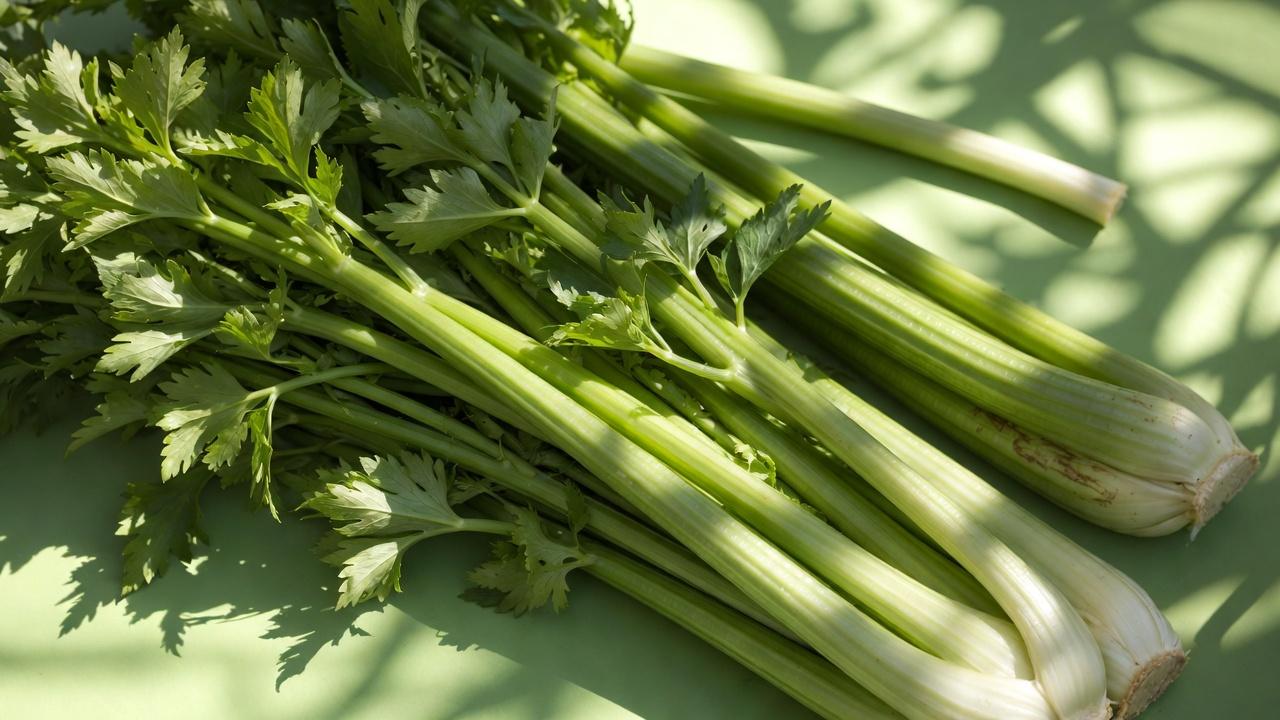
Celery is an everyday vegetable packed with water, vitamins, and plant compounds. Unlike kale or spinach juices, celery juice is naturally low in sugar and high in electrolytes like potassium. This combination makes it gentle on the stomach and easy to drink on an empty stomach.
Research suggests that celery contains antioxidants such as flavonoids and vitamin C, which help combat everyday oxidative stress. Its high water content also supports hydration, which is essential for healthy skin and proper organ function. While not a miracle cure, these qualities make it a smart addition to a balanced lifestyle.
But there’s more to celery juice than just its nutrients. Here’s where things get interesting…
Key Nutrients in Celery Juice That Support Overall Wellness
Celery is surprisingly nutrient-dense for such a simple vegetable. A single large stalk provides meaningful amounts of:
- Vitamin K – important for bone health and blood clotting
- Folate – supports cell function and energy production
- Potassium – helps maintain healthy blood pressure and fluid balance
- Antioxidants like apigenin and luteolin – known for their anti-inflammatory properties
These compounds work together to promote general well-being. Studies have shown that diets rich in these nutrients are linked to better hydration, reduced inflammation markers, and improved digestive comfort.
Potential Ways Celery Juice Can Support Your Daily Health
While individual results vary, many people report positive changes after adding celery juice to their routine. Here’s what science and user experiences commonly highlight:
- Hydration Boost Celery is about 95% water, making the juice an excellent way to start the day hydrated. Proper hydration supports clear skin, better digestion, and steady energy levels.
- Anti-Inflammatory Compounds The flavonoids in celery have been studied for their ability to reduce inflammation in the body. This may contribute to feeling more comfortable and balanced throughout the day.
- Digestive Support The natural fiber and enzymes in celery can aid gentle digestion. Drinking it on an empty stomach may help promote regularity and reduce bloating for some individuals.
- Electrolyte Balance Potassium and sodium in celery help maintain healthy fluid levels, which is especially helpful after exercise or in hot weather.
- Skin Health Antioxidants and hydration from celery juice may contribute to a clearer, more radiant complexion over time.
These benefits are supported by the vegetable’s nutrient profile, though more large-scale human studies are needed to confirm the full extent.
How to Make Fresh Celery Juice at Home (Step-by-Step Guide)
The best results come from fresh, organic celery prepared the right way. Here’s a simple method that takes just 10 minutes:
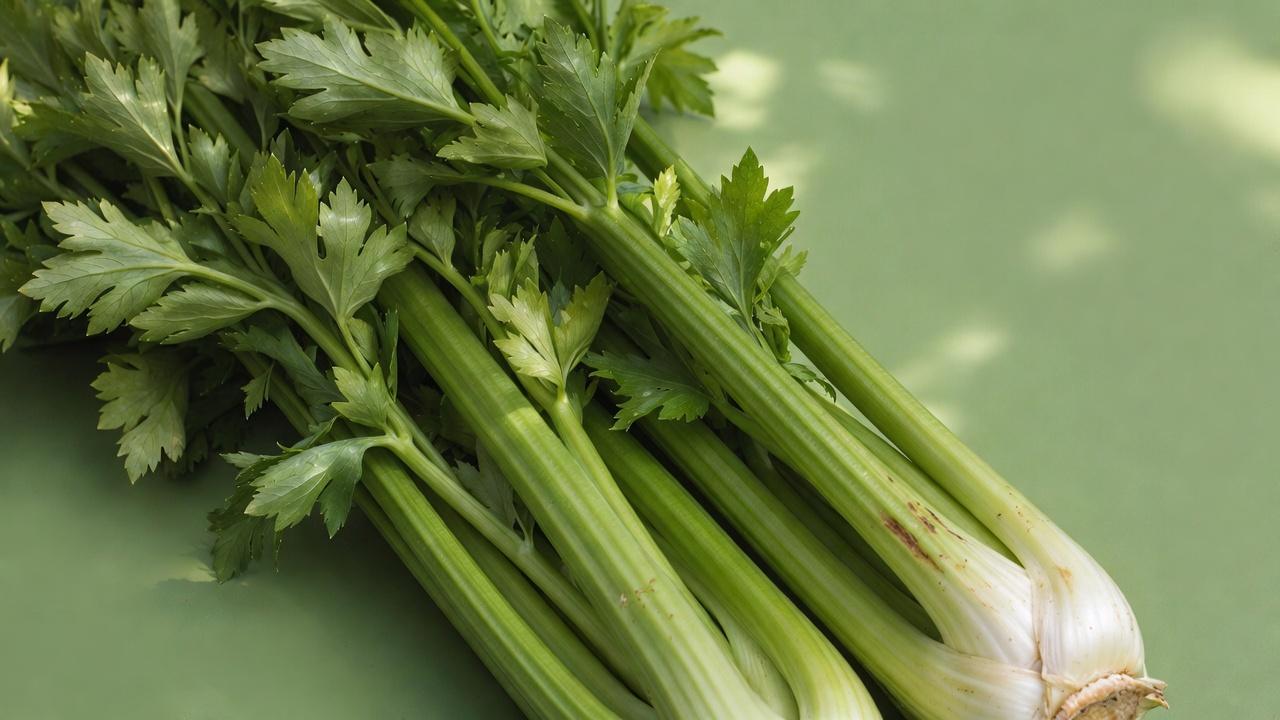
- Choose Your Celery Pick fresh, crisp stalks with vibrant green leaves. Organic is ideal to avoid pesticide residues.
- Wash Thoroughly Rinse each stalk under running water. You can leave the leaves on for extra flavor and nutrients.
- Juice It Use a cold-press juicer (preferred for maximum nutrient retention) or a regular juicer. Feed the stalks through slowly. Aim for 16 oz (about one large bunch) per serving.
- Strain if Needed If your juicer leaves pulp, strain through a fine mesh sieve for a smoother drink.
- Drink Immediately Consume within 30 minutes on an empty stomach for best absorption. Avoid adding ice or other ingredients at first.
Pro tip: If you don’t have a juicer, blend the celery with a little water and strain through a nut milk bag or cheesecloth.
Tips to Make Celery Juice a Sustainable Daily Habit
Incorporating celery juice doesn’t have to be complicated. Try these practical strategies:
- Start Small Begin with 8 oz if 16 oz feels overwhelming, then gradually increase.
- Time It Right Drink first thing in the morning before coffee or breakfast for optimal effects.
- Batch Prep (Carefully) Juice in the evening and store in an airtight glass jar in the fridge for up to 24 hours, though fresh is always best.
- Make It Enjoyable Once you’re used to the taste, add a squeeze of lemon or a small piece of ginger for variety.
- Track How You Feel Keep a simple journal of energy, skin, and digestion changes over 2–4 weeks.
Consistency matters more than perfection. Even a few days a week can make a noticeable difference.
What to Watch Out For: Potential Side Effects and Precautions
Celery juice is generally safe for most people, but it’s wise to start slowly. Some may experience mild digestive changes as the body adjusts. Those with celery allergies should avoid it entirely.
If you take medications (especially blood pressure or diuretic drugs), consult your healthcare provider first, as celery’s potassium content may interact.
Final Thoughts: Is Celery Juice Right for You?
Celery juice is a simple, affordable way to add more nutrients and hydration to your day. When prepared fresh and consumed consistently, it can support your body’s natural processes and help you feel more energized and balanced.
Give it a try for a few weeks and see how your body responds. Small changes often lead to the biggest improvements.
Frequently Asked Questions
How much celery juice should I drink daily? Most people start with 16 oz (about one bunch) on an empty stomach. Adjust based on your tolerance and preferences.
Can I drink celery juice if I have kidney issues? Celery is naturally high in potassium, so speak with your doctor before adding it to your routine if you have kidney concerns.
Does celery juice need to be organic? Organic is preferable to reduce pesticide exposure, but conventionally grown celery is still beneficial if washed well.
Disclaimer: This article is for informational purposes only and is not intended to diagnose, treat, cure, or prevent any disease. Always consult a qualified healthcare professional before making significant changes to your diet, especially if you have existing health conditions or take medications.


