
In today’s fast-paced world, many people search for simple, natural ways to support their daily wellness routines amid common discomforts like minor skin irritations or occasional digestive ups and downs. It’s frustrating when everyday issues disrupt your rhythm, especially if you’re unaware of accessible options growing right in your backyard. Imagine discovering a common plant that has been part of traditional practices for generations, offering versatile applications that might surprise you. But that’s not all—stick around to uncover a lesser-known tip that could transform how you view this humble herb.
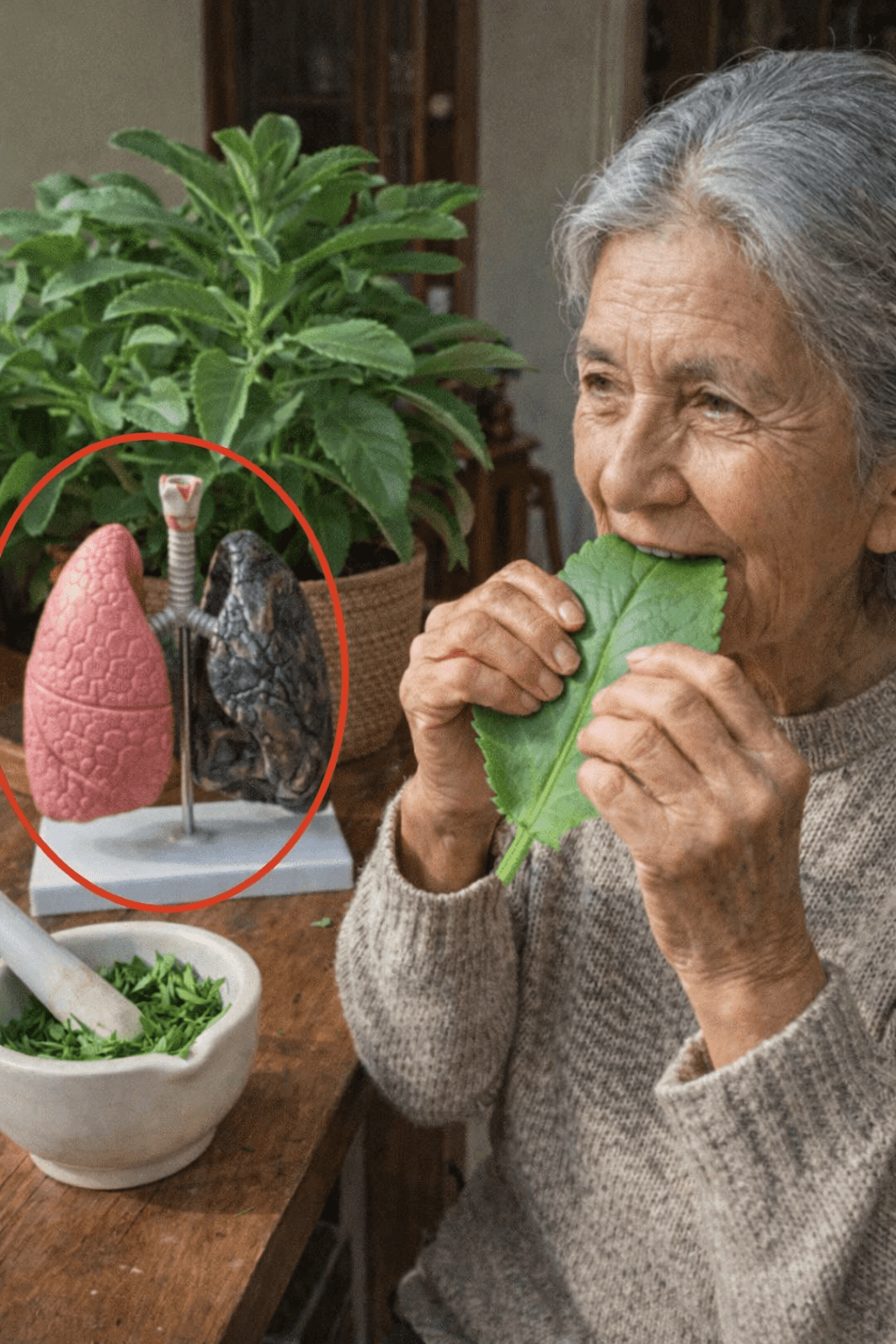
What Is the Leaf of Life Plant?
The Leaf of Life, scientifically known as Bryophyllum pinnatum, is a succulent plant often found in tropical and subtropical regions. It’s also called miracle leaf or air plant due to its unique ability to propagate from its leaves. This hardy perennial belongs to the Crassulaceae family and thrives in warm climates, making it a popular choice for home gardens.
Native to Madagascar, it has spread worldwide through cultivation. Gardeners appreciate its low-maintenance nature—it requires minimal water and can grow in pots or directly in soil. If you’ve seen a plant with thick, fleshy leaves that produce tiny plantlets along the edges, that’s likely it.
But here’s the interesting part: beyond its ornamental value, communities in places like Africa, Asia, and the Caribbean have incorporated it into their daily lives for centuries. Research from sources like the Journal of Ethnopharmacology highlights its presence in folk remedies, though more studies are needed to fully understand its properties.
The History Behind Bryophyllum Pinnatum
Bryophyllum pinnatum has a rich cultural history. In traditional Ayurvedic and Chinese practices, it’s been valued for its adaptability. Historical records suggest it was used by indigenous groups for various household needs.
For instance, in parts of India, it’s known as “patharchur,” meaning stone-breaker, reflecting its folklore applications. Travelers and traders likely spread it across continents, where it adapted to local traditions.
Sustainability is key here. Unlike rare herbs, this plant is abundant and easy to propagate, reducing the need for wild harvesting. Studies from botanical journals emphasize its role in ethnobotany, showing how it’s woven into community knowledge passed down through generations.
And speaking of propagation, that’s where things get practical. Let’s dive into how you can start growing it yourself.
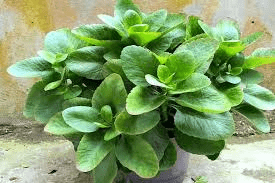
How to Grow Leaf of Life in Your Own Space
Growing Bryophyllum pinnatum is straightforward, even for beginners. It prefers well-drained soil and partial sunlight, making it ideal for indoor or outdoor setups.
Start by selecting a healthy leaf from an existing plant. Place it on moist soil, and within weeks, you’ll see new shoots emerging from the edges. Water sparingly to avoid root rot—once every few days is often enough.
For optimal growth, use a pot with drainage holes and a mix of sand and compost. In cooler climates, bring it indoors during winter. Gardeners report it can reach up to 3 feet tall with proper care.
Here’s a quick step-by-step guide:
- Choose your spot: Pick a location with indirect light to mimic its natural habitat.
- Prepare the soil: Mix equal parts potting soil and perlite for better drainage.
- Plant the leaf: Lay it flat on the surface; no burying needed.
- Monitor growth: Keep soil lightly moist and watch for plantlets in 2-4 weeks.
- Transplant: Once rooted, move to individual pots.
This method ensures you have a steady supply without buying seeds. But wait, there’s more to explore about its everyday applications.
Traditional Ways People Use Bryophyllum Pinnatum
Across cultures, the Leaf of Life has been part of home remedies for generations. In traditional practices, leaves are often crushed and applied externally for minor skin concerns, drawing from age-old wisdom.
Some communities prepare infusions by steeping leaves in hot water, incorporating it into teas. Research published in Phytotherapy Research notes compounds like flavonoids and alkaloids, which are subjects of ongoing studies.
In the Caribbean, it’s sometimes called “wonder of the world” and used in poultices. Always remember, these are historical uses, not medical advice.
To try a simple infusion at home:
- Pick 2-3 fresh leaves.
- Rinse them thoroughly.
- Chop and steep in boiling water for 5-10 minutes.
- Strain and sip as a herbal tea.
This approach keeps things simple and accessible. Now, let’s compare it to similar plants.
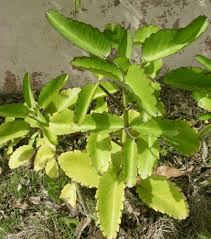
Comparing Leaf of Life to Other Common Succulents
When thinking about succulents for your home, Bryophyllum pinnatum stands out. Here’s a quick table to highlight differences:
| Plant Name | Water Needs | Propagation Ease | Traditional Uses Noted |
|---|---|---|---|
| Aloe Vera | Low | Moderate | Skin applications |
| Leaf of Life | Very Low | Easy | Various folk remedies |
| Jade Plant | Low | Moderate | Ornamental mainly |
As you can see, Leaf of Life excels in ease of growth. Studies from horticultural sources confirm its resilience compared to others.
But that’s not the end. Many wonder about incorporating it safely into routines.
Potential Benefits from Traditional Perspectives
From a traditional viewpoint, this plant is appreciated for its versatility. Some cultures use it in salads or as a green addition to meals, valuing its mild flavor.
Preliminary lab studies, such as those in the International Journal of Pharmaceutical Sciences, suggest antioxidant properties, but human trials are limited.
People often share stories of using it for garden first-aid, like on minor cuts. It’s fascinating how something so common can spark interest.
Here’s another list of creative ideas:
- Garden companion: Plant it near vegetables to deter pests naturally.
- Decorative element: Use in hanging baskets for a cascading effect.
- Educational tool: Teach kids about plant reproduction with its leaf buds.
These tips encourage hands-on engagement. And speaking of engagement, let’s address common questions.
Wrapping Up: Embracing Nature’s Simple Gifts
In summary, the Leaf of Life plant offers an intriguing blend of ease, history, and potential everyday uses. By exploring its growth and traditional roles, you can add a touch of nature to your routine. Remember that hidden tip? It turns out, drying the leaves preserves them for year-round use—simply air-dry in shade and store in airtight jars for teas or poultices.
Frequently Asked Questions
What is the best way to identify Bryophyllum pinnatum?
Look for thick, serrated leaves with small plantlets along the margins. It’s often taller than similar succulents and has bell-shaped flowers.
Can I grow Leaf of Life indoors year-round?
Yes, it adapts well to indoor conditions with bright, indirect light. Ensure good air circulation to prevent mold.
Are there any precautions when using this plant?
Always wash leaves before use and start with small amounts to observe personal tolerance.
As with any plant, consult a healthcare professional before incorporating it into your wellness habits. This information is for educational purposes only and not intended to replace medical advice.


