
Many adults face challenges with maintaining healthy blood pressure, steady blood sugar levels, and good circulation as they age. These issues can lead to feelings of fatigue, discomfort, or reduced energy, often linked to everyday factors like stress, diet, and inflammation. While lifestyle changes remain key, some people turn to herbal options for gentle daily support.
What if a simple, soothing herbal tea could become part of your routine? This article explores a blend featuring chamomile, turmeric, fennel, and bay leaf—four herbs with traditional uses and emerging research interest. Stick around to discover the science behind each one, a practical recipe you can try at home, and tips for incorporating it mindfully.

Why These Four Herbs Are Gaining Attention
Herbal teas have been enjoyed for centuries across cultures for their comforting aromas and potential wellness properties. Modern interest focuses on how certain plant compounds may support overall health when part of a balanced lifestyle.
Research suggests that inflammation and oxidative stress play roles in many common health concerns. Herbs like these contain bioactive elements—such as flavonoids, curcuminoids, and essential oils—that show promise in lab and some human studies for supporting metabolic balance and vascular function.
But that’s not all… Each herb brings its own unique profile, and when combined, they may offer complementary effects worth exploring.
Chamomile: A Gentle Herb for Relaxation and Metabolic Support
Chamomile, often enjoyed as a bedtime tea, is prized for its calming floral notes. Studies indicate it may help promote relaxation, which can indirectly support healthy blood pressure by easing stress-related spikes.
A few clinical trials have looked at chamomile tea in people with type 2 diabetes. For example, consuming chamomile tea regularly was linked to improvements in glycemic markers like fasting blood glucose and HbA1c in some small studies. Its flavonoids, including apigenin, appear to contribute to these effects.
Many appreciate chamomile for its soothing qualities on digestion and sleep—key factors in feeling energized throughout the day.
Turmeric: The Golden Spice with Anti-Inflammatory Potential
Turmeric’s vibrant color comes from curcumin, a compound studied extensively for its antioxidant and anti-inflammatory properties. Meta-analyses of randomized trials suggest curcumin supplementation may modestly support healthy blood pressure, particularly systolic levels, over longer periods.
In diabetes-related research, curcumin has shown potential to aid glycemic control, with some reviews noting reductions in fasting blood glucose and HbA1c. Absorption improves when paired with black pepper (piperine) and a fat source.
This makes turmeric a popular addition to warm drinks, adding a warm, earthy flavor to your routine.
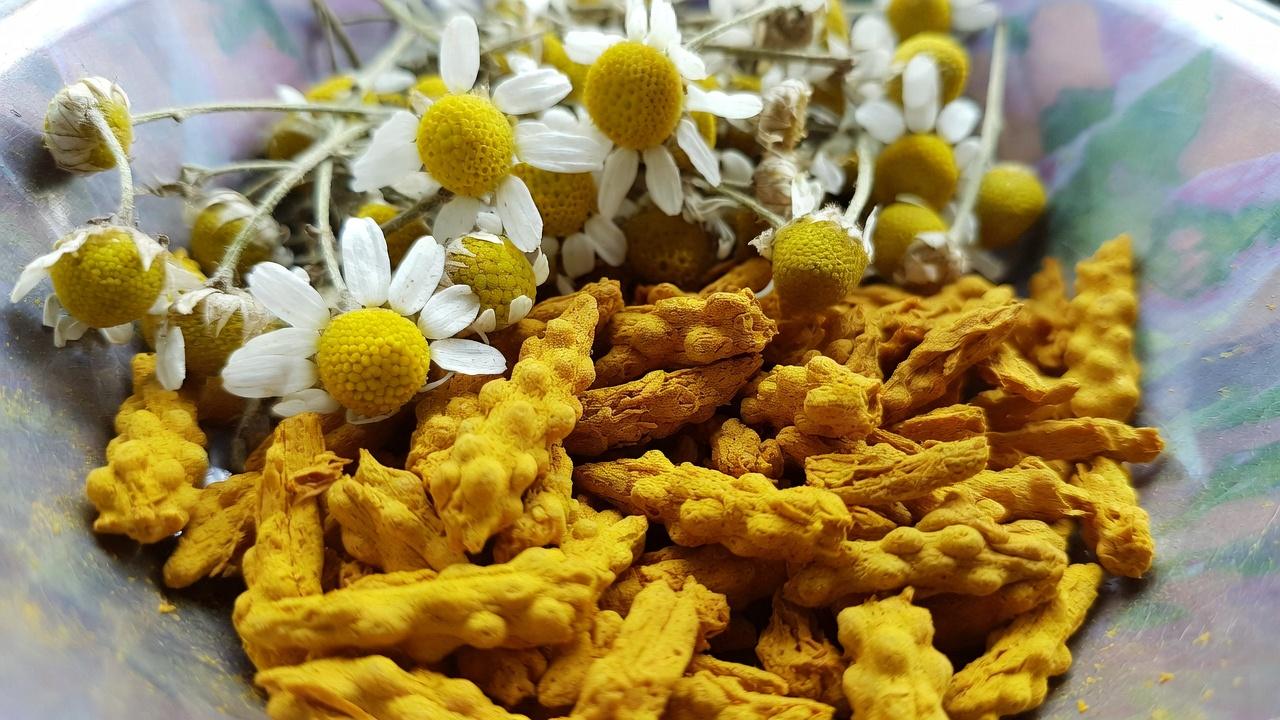
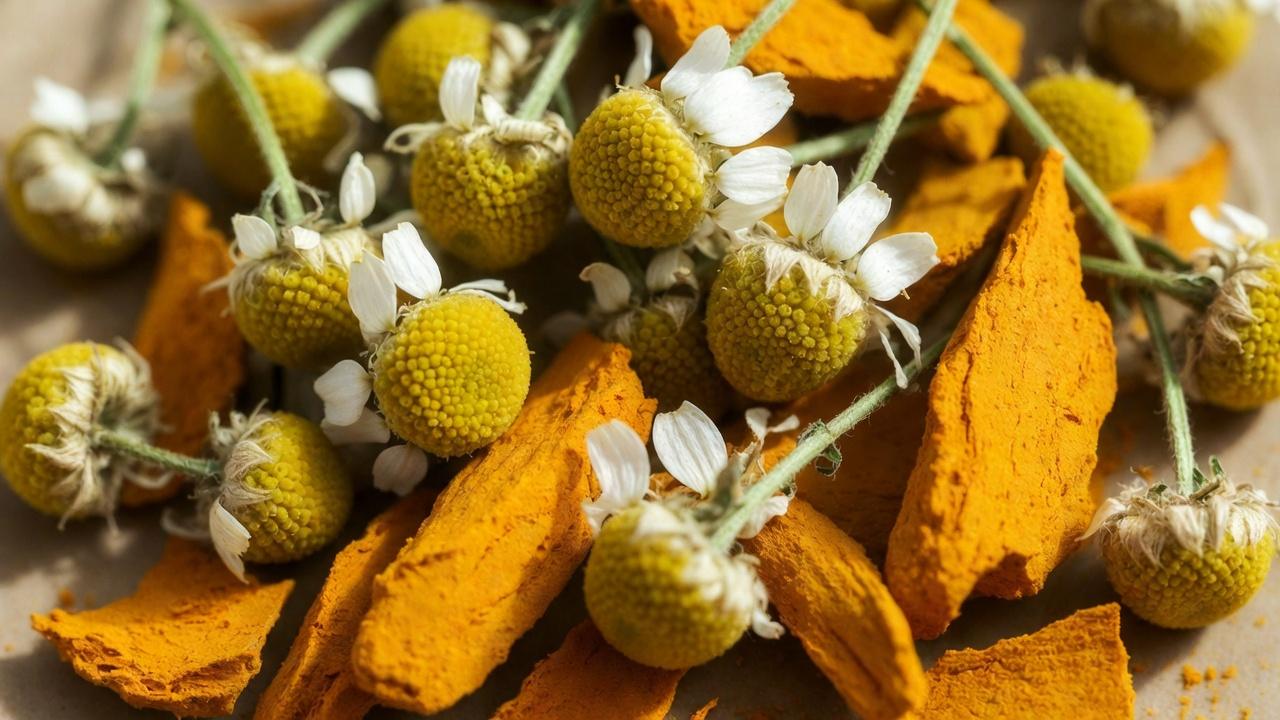
Here are some quick visual ideas of the key dried ingredients often used in such blends:
These dried chamomile flowers and turmeric pieces highlight the natural, textured look of the herbs before brewing.
Fennel: A Digestive Aid with Circulation-Friendly Properties
Fennel seeds offer a sweet, licorice-like taste and are traditionally used for digestive comfort. Some animal and preliminary human studies suggest fennel may support healthy blood pressure through its potassium content and potential nitrate effects, which aid vessel relaxation.
Research also points to fennel’s role in metabolic health, with extracts showing benefits in glucose management in models of metabolic concerns. Its gentle diuretic properties can help reduce bloating, promoting a lighter feeling.
Crushing the seeds before steeping releases more of their aromatic oils for a fuller flavor.
Bay Leaf: An Everyday Herb with Surprising Metabolic Interest
Bay leaves, a common pantry staple, contain polyphenols and eugenol. A small clinical study from 2009 found that consuming ground bay leaves (1–3 grams daily) was associated with notable reductions in blood glucose (21–26%) and improvements in lipid profiles, including lower total and LDL cholesterol, in people with type 2 diabetes over 30 days.
While more research is needed, these findings highlight bay leaf’s potential as a simple addition for metabolic support. Simmering bay leaves extracts their compounds effectively.
This second photo captures the whole bay leaves and fennel seeds, showing their distinct shapes and colors in a natural kitchen setting:
How to Make a Simple Four-Herb Tea at Home
Ready to try it? Here’s an easy, beginner-friendly recipe for one serving:
Ingredients:
- 1 tsp dried chamomile flowers
- ½ tsp ground turmeric (or fresh grated)
- ½ tsp fennel seeds (lightly crushed)
- 1–2 dried bay leaves
- Pinch of black pepper (to enhance turmeric absorption)
- 1–2 cups hot water
- Optional: A squeeze of lemon, a touch of honey, or a splash of milk
Steps:
- Bring water to a boil, then reduce to a simmer.
- Add all herbs and black pepper. Simmer gently for 10–15 minutes.
- Strain into a cup.
- Add optional lemon or honey for taste.
- Enjoy warm, ideally 1–2 cups daily (e.g., morning and evening).
Pro tip: Start with one cup and observe how your body responds. Consistency matters more than quantity.
Potential Synergistic Benefits to Consider
Combining these herbs may amplify their individual strengths:
- Relaxation and stress support from chamomile.
- Anti-inflammatory action from turmeric.
- Digestive and mild diuretic effects from fennel.
- Metabolic and lipid balance from bay leaf.
Some studies on herbal blends suggest greater overall support for circulation, glucose stability, and vessel health through nitric oxide pathways and reduced oxidative stress. Always view this as complementary to—not a replacement for—medical care.
30-Day Mindful Integration Timeline
- Week 1: Start with 1 cup daily; note energy or comfort levels.
- Week 2: Add black pepper and experiment with timing (e.g., post-meal).
- Week 3+: Aim for 1–2 cups; track general well-being.
This Blend vs. Other Options
| Option | Approximate Monthly Cost | Evidence Level (General) | Ease of Use (1-10) |
|---|---|---|---|
| Four-Herb Tea Blend | $5–10 | Moderate (some RCTs & metas) | 10 |
| Single Herb Teas | $6–12 | Varies | 9 |
| Supplements | $20+ | Variable | 7 |
Final Thoughts: A Simple Addition to Your Wellness Routine
Incorporating a soothing herbal tea like this one can be a pleasant way to support your daily habits. Many find the ritual relaxing, and the potential benefits from these time-tested herbs add to the appeal.
As always, listen to your body and make changes gradually.
Frequently Asked Questions
Can I drink this tea every day?
Yes, for most people 1–2 cups daily is generally well-tolerated, but start slow and consult a professional if you have conditions or take medications.
Is it safe during pregnancy?
Some herbs like fennel and bay leaf should be used cautiously or avoided—check with a healthcare provider first.
Does it replace medication?
No, herbal teas are not a substitute for prescribed treatments. They may complement a healthy lifestyle.
Disclaimer: This article is for informational purposes only and does not constitute medical advice. Herbal remedies can interact with medications or conditions. Always consult a qualified healthcare professional before adding new herbs to your routine, especially if you have diabetes, hypertension, are pregnant, or take blood thinners. Individual results vary, and more research is often needed.


