
Living with a stomach ulcer can feel frustrating when that familiar burning pain flares up after meals. Many people notice their symptoms worsen with certain everyday foods and drinks, making it harder for the stomach lining to recover comfortably. While medications play the main role in addressing peptic ulcers (often caused by H. pylori bacteria or NSAID use), your daily eating choices can either ease irritation or add to discomfort. Research from sources like Mayo Clinic and WebMD shows that avoiding specific irritants may help reduce symptoms and create a better environment for natural healing processes.
But here’s the encouraging part: small, mindful changes to what you eat can make a noticeable difference in how you feel day to day. In this guide, we’ll explore common foods and habits that many people find aggravating for stomach ulcers, plus practical tips to help you navigate meals more comfortably. Stick around until the end for some surprising everyday swaps that could change your routine.
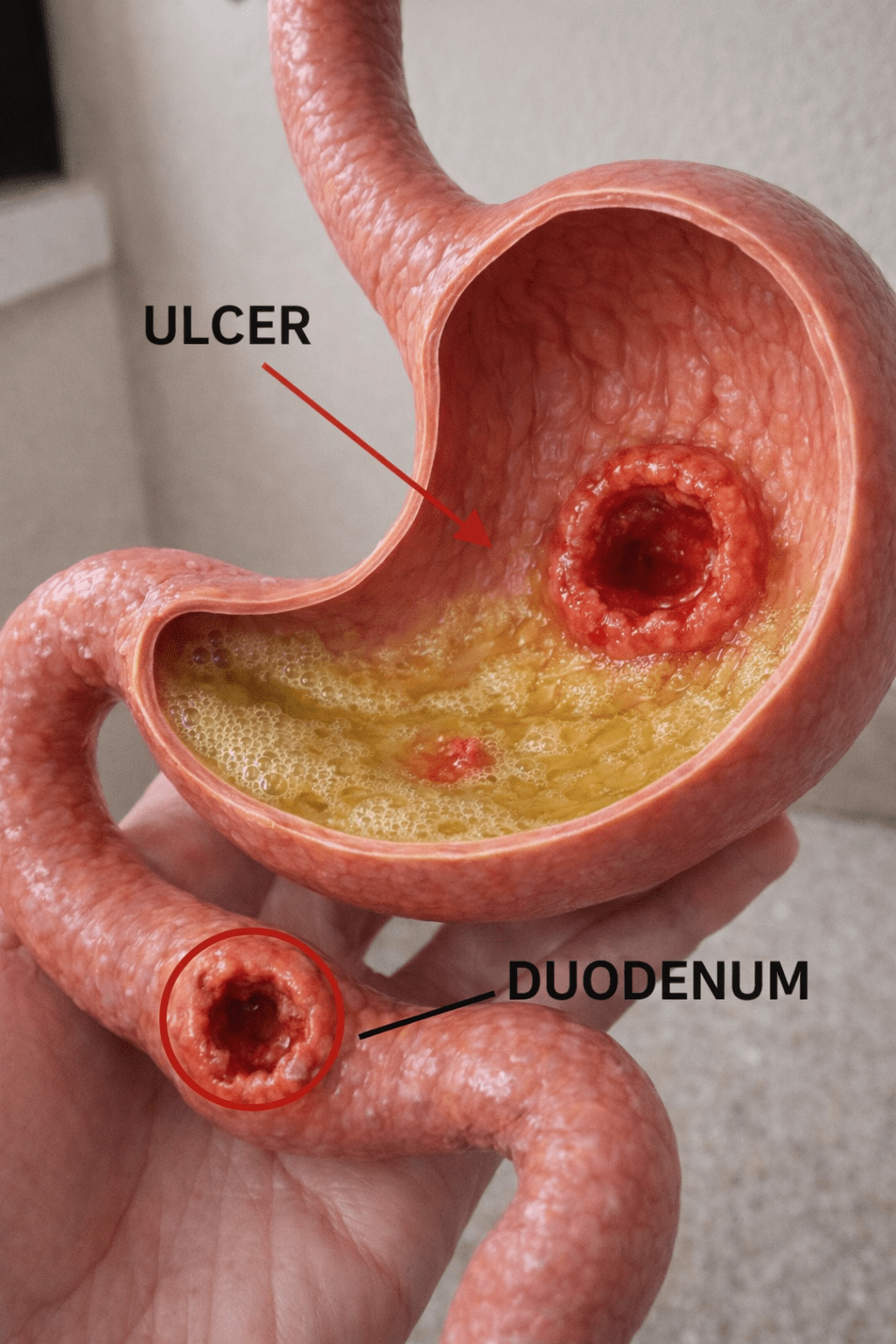
Why Diet Matters for Stomach Ulcer Comfort
Peptic ulcers are open sores in the stomach or upper small intestine lining. Modern understanding (backed by studies from institutions like the National Institute of Diabetes and Digestive and Kidney Diseases) shows food doesn’t cause ulcers, but certain items can increase stomach acid, irritate the lining, or slow symptom relief.
Common triggers include anything that boosts acid production or directly irritates sensitive tissue. Everyone’s tolerance varies, so tracking your own responses with a simple food diary is one of the best first steps.
Top Foods and Drinks Many People Avoid During Ulcer Recovery
Here are the categories most frequently mentioned by health experts as potential irritants:
- Spicy Foods
Chili peppers, hot sauces, and heavy spices can cause burning sensations in some people, even though they don’t cause ulcers. If you feel pain after eating them, it’s wise to limit or skip them temporarily. - Acidic Foods and Drinks
Citrus fruits (oranges, lemons, grapefruits), tomatoes, and tomato-based products often trigger discomfort by adding extra acidity. - Caffeinated Beverages
Coffee (even decaf in some cases), black tea, and energy drinks may stimulate acid production or relax the lower esophageal sphincter, leading to more irritation. - Alcohol
Beer, wine, and spirits irritate the stomach lining directly and can delay the natural recovery process. Many experts recommend cutting back or avoiding it altogether while symptoms persist. - Fried and Fatty Foods
Deep-fried items, fatty meats, and rich gravies take longer to digest, potentially increasing bloating and acid exposure.
But that’s not all…
Other Habits That Could Be Making Things Harder
Beyond specific foods, these everyday patterns often contribute to ongoing discomfort:
- Overeating large meals (which stretches the stomach and increases acid contact)
- Eating late at night (try finishing meals 2-3 hours before lying down)
- Smoking (known to worsen symptoms and slow healing according to Mayo Clinic guidelines)
Studies suggest that these factors, combined with irritant foods, can make symptoms feel more persistent.
Practical Tips to Make Changes Easier
Here are actionable steps you can start today:
- Eat smaller, more frequent meals – Aim for 4-6 small portions instead of 3 big ones to avoid overloading your stomach.
- Choose gentle cooking methods – Opt for steaming, baking, or boiling over frying.
- Keep a trigger journal – Note what you eat and how you feel afterward to personalize your approach.
- Stay hydrated wisely – Sip water throughout the day, but avoid gulping large amounts with meals.
- Incorporate soothing options – Focus on bland, easy-to-digest foods like oatmeal, bananas, plain rice, and lean proteins when planning meals.
Many find relief by experimenting gradually rather than overhauling everything at once.
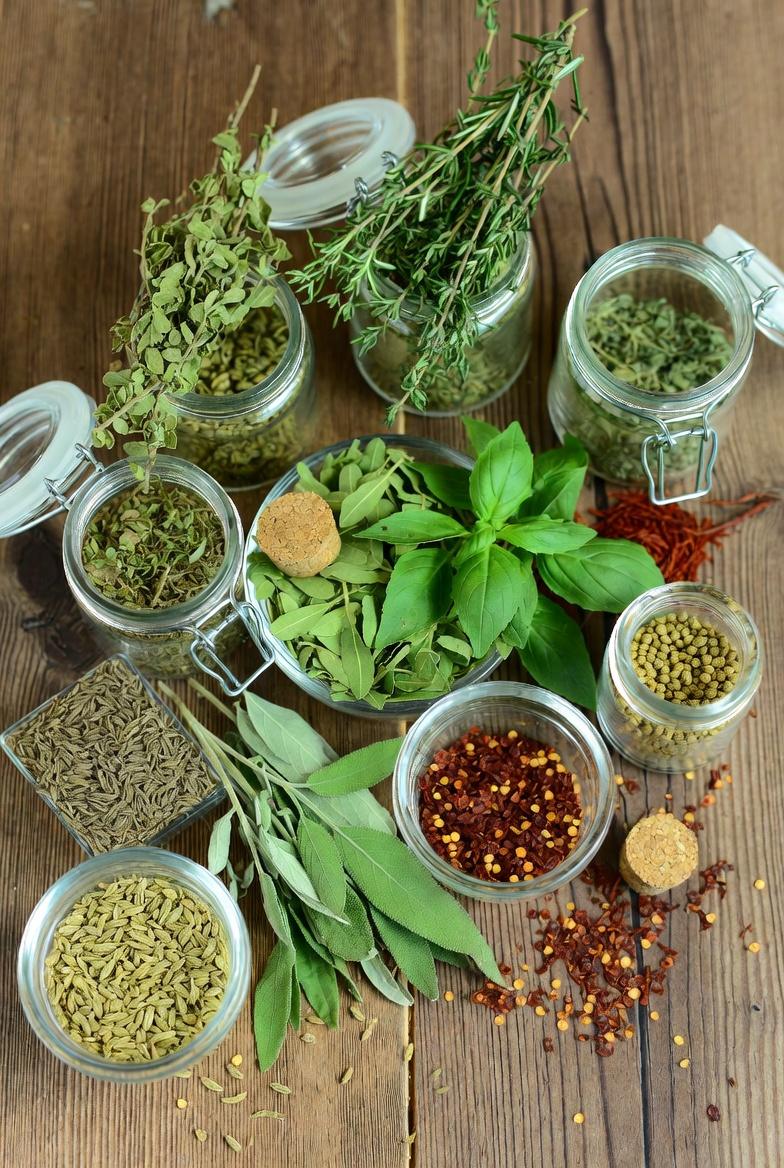
Foods That Support a Comfortable Diet
While avoiding irritants is key, filling your plate with gentle, nutrient-rich choices can help. Research highlights foods rich in fiber, antioxidants, and probiotics as supportive:
- High-fiber options like apples, pears, and oats (in moderation, as very high fiber can bother some)
- Probiotic-rich foods such as yogurt (plain, low-fat) and fermented items like kefir
- Vegetables like broccoli, cabbage, and leafy greens
- Lean proteins including chicken, fish, and eggs
Here’s a quick comparison table:
| Category | Foods to Limit/Avoid | Gentler Alternatives |
|---|---|---|
| Beverages | Coffee, alcohol, citrus juices | Herbal tea, water, non-citrus smoothies |
| Spices & Flavors | Chili, hot peppers | Mild herbs like basil or parsley |
| Fruits | Oranges, tomatoes | Bananas, apples, melons |
| Meals | Fried foods, fatty meats | Baked or steamed lean proteins |
This balanced approach helps maintain nutrition while minimizing discomfort.
What to Do Next for Better Days
Supporting your stomach during ulcer recovery is about consistency and listening to your body. By steering clear of common irritants and focusing on soothing choices, many people report less pain and better overall comfort. Remember, these dietary adjustments work best alongside professional medical guidance.
Frequently Asked Questions
Can spicy food actually cause a stomach ulcer?
No, spicy foods don’t cause ulcers, but they can irritate existing ones and worsen symptoms in many people, according to health experts.
Is coffee always bad if you have a stomach ulcer?
Research is mixed—some tolerate it fine, while others notice more discomfort. If it bothers you, switching to decaf or herbal alternatives often helps.
How long should I avoid these foods?
It depends on your healing progress. Many people limit irritants for weeks to months while under medical care, then reintroduce them slowly to test tolerance.
Disclaimer: This article is for informational purposes only and not a substitute for professional medical advice. Always consult your doctor or healthcare provider before making dietary changes, especially if you have a diagnosed peptic ulcer or are on medication. Individual responses to foods vary, and proper medical treatment is essential for addressing underlying causes.


