As we get older, many people notice that everyday tasks like carrying groceries, climbing stairs, or even standing up from a chair start to feel harder than they used to. What most don’t realize is that muscle strength naturally starts to decline after age 60, and this quiet change can affect balance, energy, and independence over time. The good news? A growing body of research points to one affordable, everyday food that provides exactly the kind of support aging muscles need most. Keep reading — the science-backed habit that thousands of older adults are adding to their routine is simpler than you think.
What Happens to Muscles After Age 60?
Starting around age 60, adults can lose 3–8% of muscle mass per decade if nothing changes. Doctors call this age-related muscle loss “sarcopenia,” but you don’t need the medical term to feel it in real life.
Suddenly a gallon of milk feels heavier. A short walk leaves your legs tired faster than before. You hesitate on stairs because balance just doesn’t feel as steady.
Research published in the Journal of the American Medical Directors Association shows that about one in three adults over 65 already has noticeable sarcopenia. The frustrating part? Most people don’t know it’s happening until a minor stumble turns into a bigger problem.
But here’s what the latest studies are showing…
Why Protein Needs Change as We Age
After age 60, the body becomes less efficient at using protein to repair and maintain muscle. Experts now recommend 1.2–1.6 grams of protein per kilogram of body weight each day for older adults — roughly 25–30% more than younger people need just to maintain strength.
Most seniors eat closer to 0.8 g/kg — the amount recommended for 30-year-olds. That small gap adds up year after year.
This is where low-fat cottage cheese stands out from the crowd.
One cup delivers 25–28 grams of high-quality protein, very little fat, and almost no sugar. Even better, it contains two things aging muscles especially love: plenty of leucine (the amino acid that triggers muscle repair) and slow-digesting casein that feeds muscles for hours.
5 Science-Backed Reasons Older Adults Are Adding Cottage Cheese Every Day
1. Supports Muscle Maintenance After Meals
A study in the Journal of Nutrition found that 25–30 grams of protein rich in leucine (exactly what one cup of cottage cheese provides) increased muscle protein building by up to 30% in adults over 65 — even more than the same amount from other sources.
2. Helps With Everyday Recovery
The slow-release casein in cottage cheese keeps supplying amino acids for up to 7 hours. A review in Sports Medicine showed older adults who include casein-rich foods recover strength faster after normal daily activities.
3. Works Together With Calcium for Bones
Cottage cheese naturally contains calcium, and the protein helps the body use it better. Long-term studies link higher dairy protein intake with better bone density in older adults.
4. Keeps You Feeling Full and Energized
The combination of protein and very little carbohydrate helps stabilize blood sugar and curbs afternoon energy crashes that many seniors experience.

5. Easy on Sensitive Stomachs
Compared to whey supplements or large servings of meat, low-fat cottage cheese is gentle and has very low lactose — most people with mild lactose sensitivity tolerate it well.
Cottage Cheese vs. Other Common Protein Choices
| Food (per ½ cup serving) | Protein | Approx. Cost | Easy to Digest? | Lactose Level |
|---|---|---|---|---|
| Low-fat cottage cheese (1 cup) | 25–28 g | ~$0.50 | Excellent | Very low |
| Chicken breast | 26 g | ~$1.50 | Moderate | None |
| Greek yogurt (plain) | 10–15 g | ~$1.00 | Good | Medium |
| Whey protein powder | 25 g | ~$1.20 | Fast | None |
Low-fat cottage cheese wins on gentleness, cost, and slow-release benefits — perfect for daily use.
Your Simple 30-Day “Stay Stronger” Cottage Cheese Plan
You don’t need fancy recipes or expensive supplements. Here’s an easy way thousands of older adults are getting started:
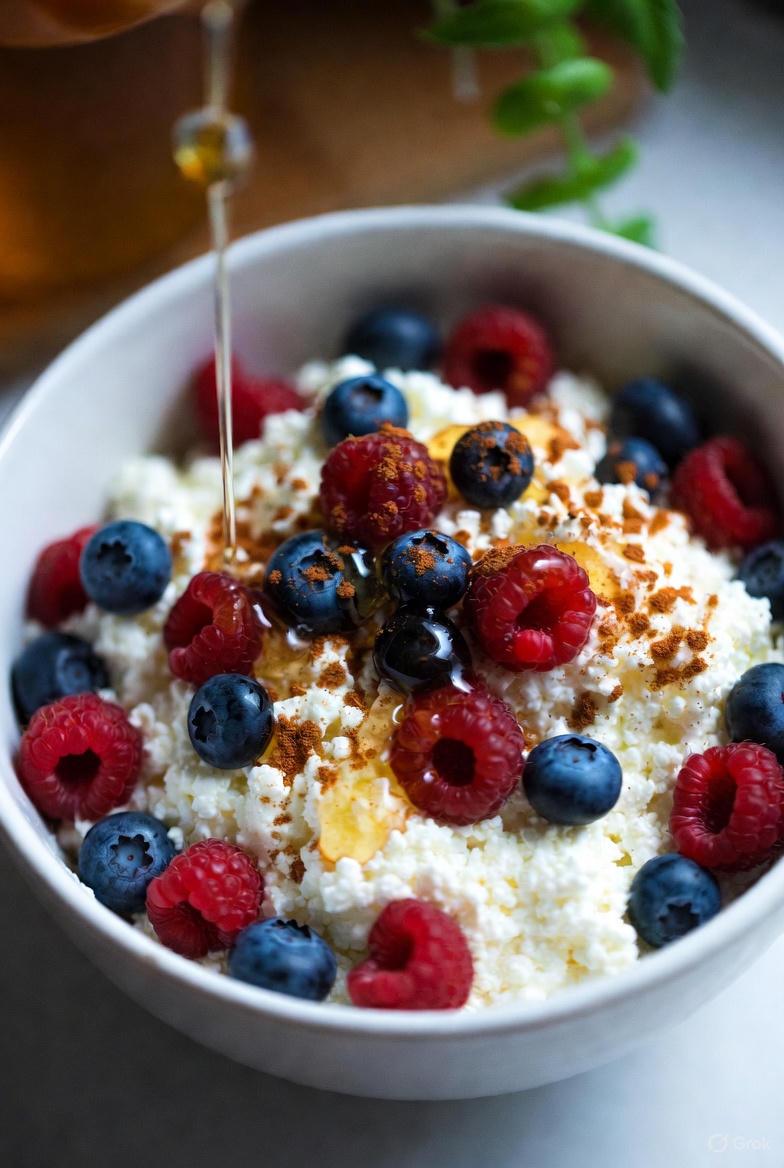
Week 1 – Add ½ cup low-fat cottage cheese as an afternoon or bedtime snack (try it with a few berries or a dash of cinnamon). Week 2 – Increase to 1 full cup per day — split it: ½ cup mid-morning, ½ cup before bed. Week 3 – Experiment with toppings: sliced tomato + pepper, pineapple chunks, or a teaspoon of honey. Week 4 – Notice the difference: easier time getting out of chairs, steadier steps, less afternoon fatigue.
Pro tip: Slightly warming the cottage cheese and adding a tiny drizzle of honey before bed feels comforting and may improve overnight muscle support.
Delicious 5-Minute Ideas to Keep It Interesting
- Classic: fresh blueberries + a sprinkle of chia seeds
- Savory: cherry tomatoes, cucumber, black pepper
- Sweet treat: sliced peach + a dash of vanilla extract
- Creamy dip: mix with a little salsa and use veggie sticks
Conclusion: Small Food, Big Difference
Adding one cup of low-fat cottage cheese to your daily routine is one of the simplest, most researched ways to give your muscles the support they need as you age. It’s inexpensive, gentle on the stomach, and backed by decades of protein and aging research.
Start small, stay consistent, and give your body the building blocks it’s been asking for.
Frequently Asked Questions
Is low-fat cottage cheese better than full-fat for seniors? Both work well, but low-fat usually has slightly more protein per calorie and less saturated fat, which many doctors prefer for heart health.
What if I’m lactose intolerant? Most low-fat cottage cheese is very low in lactose (often under 3 g per cup). Many people who avoid milk tolerate it without issues. Start with ¼ cup and see how you feel.
When is the best time to eat it? Anytime works, but many older adults love ½ cup in the afternoon to fight the 3 p.m. slump and another ½ cup 30–60 minutes before bed for overnight recovery.
Disclaimer: This article is for informational purposes only and is not medical advice. Always consult your doctor or a registered dietitian before making significant changes to your diet, especially if you have kidney disease, dairy allergies, or other health conditions.