
As you go through your day, you might notice your joints feeling a bit stiffer than they used to, especially after sitting for a while or during your morning walk. This gradual change can make simple movements like climbing stairs or enjoying a hobby feel more challenging, leaving you searching for ways to stay active and comfortable. The good news is that small, natural adjustments to your diet could play a supportive role in maintaining flexibility and ease of movement. Keep reading to discover one surprisingly simple ingredient that research suggests might help—and how easy it is to include it every day.
Understanding the Basics of Joint Health
Joints are the remarkable connections between your bones that allow smooth, effortless movement. They rely on cartilage—a flexible, cushion-like tissue—to absorb impact and reduce friction.
Over time, factors like age, daily activity, or repetitive motions can lead to natural wear on this cartilage. Many people experience occasional stiffness or discomfort as a result, which can affect how freely they move.
Research from organizations like the National Institutes of Health highlights the importance of certain nutrients in helping maintain healthy cartilage and connective tissues. One key player? Collagen, a protein that naturally declines as we get older.
Here’s where things get interesting…
Why Gelatin Deserves Your Attention
Gelatin is simply cooked collagen derived from animal sources, such as bones or connective tissue. You’ve probably enjoyed it in homemade bone broth or fruity desserts without realizing its potential benefits.
What makes gelatin special is its rich content of collagen peptides—broken-down proteins that your body can absorb more easily. Studies published in journals like the Journal of Agricultural and Food Chemistry suggest that these peptides may provide building blocks that support cartilage structure.
A review in Current Medical Research and Opinion examined several trials and noted positive associations with joint comfort when collagen hydrolysate (similar to gelatin) was consumed regularly.
But that’s not all…
Key Ways Gelatin May Contribute to Joint Support
Gelatin stands out because it’s packed with specific amino acids, including glycine and proline, which are essential for your body’s own collagen production.
When you consume gelatin, these amino acids become available for use throughout your connective tissues. Some research, including a study in the International Journal of Sport Nutrition and Exercise Metabolism, found that participants who added collagen experienced greater comfort during physical activity.
While more studies are always welcome, existing evidence points toward gelatin as a natural, food-based option worth considering.
Plus, it’s low in calories and versatile enough to fit into almost any eating pattern.
Gelatin Compared to Other Popular Options
Choosing the right addition to your routine can feel overwhelming. Here’s a quick comparison to help you see how gelatin stacks up:
| Option | Source | Approximate Cost per Serving | Ease of Use | Main Components |
|---|---|---|---|---|
| Gelatin Powder | Animal collagen | Low (~$0.30–$0.50) | Mix into foods/drinks | Collagen peptides, amino acids |
| Collagen Supplements | Hydrolyzed collagen | Medium (~$0.80–$1.50) | Powder or capsules | Similar peptides |
| Turmeric | Plant root | Low | Spice, tea, or capsules | Curcumin |
| Fish Oil | Marine sources | Medium | Capsules | Omega-3 fatty acids |
Gelatin often comes out ahead for its affordability and seamless integration into everyday meals.
Now, let’s make this practical…
Simple Steps to Add Two Spoonfuls of Gelatin Each Day
Starting a new habit doesn’t have to be complicated. Two spoonfuls—about 10–15 grams—is a common amount suggested in research reviews.
Follow these easy steps to get going:
- Choose a high-quality, unflavored gelatin (grass-fed if possible) from a trusted brand—available in most grocery stores or online.
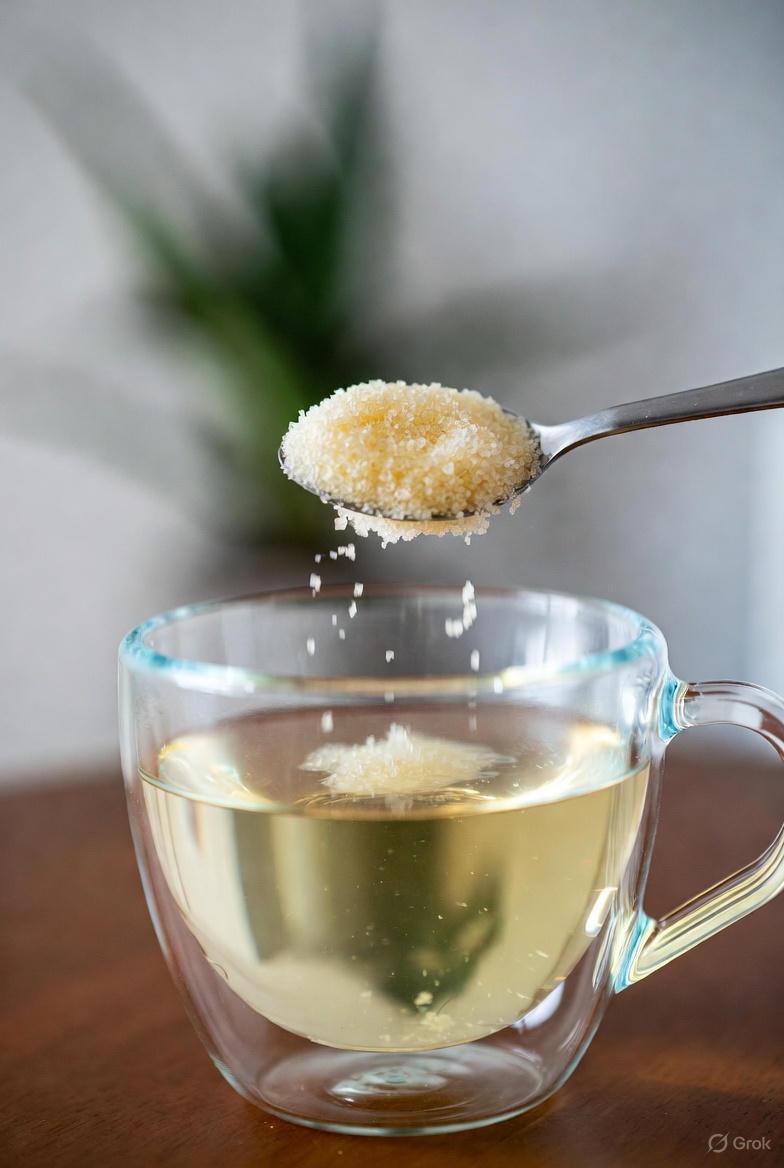
- Measure two level tablespoons into a mug of warm (not boiling) liquid like herbal tea, broth, or coffee to dissolve fully.
- Stir well until clear, then enjoy as is or add to your favorite smoothie, soup, or yogurt.
- Make it daily—consistency over several weeks is key for any potential noticeable differences.
Many people find this small ritual becomes second nature quickly.
Delicious and Easy Ways to Enjoy Gelatin
Turn your daily dose into something enjoyable with these simple ideas:
- Morning boost: Blend two spoonfuls into a fruit-and-greens smoothie for a creamy texture.
- Soothing drink: Dissolve gelatin in warm herbal tea with a drizzle of honey for a comforting evening ritual.
- Homemade treats: Mix with natural fruit juice, pour into silicone molds, and chill for healthy gummies.
- Savory option: Stir into soups or stews as they cool for added thickness without changing the flavor.
Each of these takes just minutes and uses ingredients you likely already have.
This is the part many readers love most…
What Research Suggests About Amount and Timing
Reviews in journals like Nutrients indicate that around 10 grams of collagen peptides daily is a commonly studied amount associated with joint support.
Some studies in sports nutrition suggest taking it after activity or with vitamin C-rich foods might enhance absorption.
Of course, everyone’s body responds differently, and lifestyle factors play a big role too.

Complementary Habits for Overall Joint Comfort
Gelatin works best alongside other positive choices. Consider adding these supportive habits:
- Regular low-impact movement like walking, swimming, or yoga to keep joints mobile.
- Plenty of hydration—water helps maintain tissue elasticity.
- A colorful diet full of fruits, vegetables, lean proteins, and healthy fats.
- Quality sleep, when your body naturally repairs and rebuilds.
- Gentle daily stretches to promote flexibility and circulation.
Small, consistent steps often add up to the biggest difference.
Real-Life Experiences Shared by Others
Across forums and wellness communities, people often share their personal stories. One individual mentioned feeling more flexible after adding gelatin to their morning coffee for a few months.
A weekend hiker reported enjoying longer outings with less post-activity stiffness when including it in post-walk shakes.
Another home cook appreciated using it to make nutrient-rich treats for the whole family.
These are individual anecdotes, of course—everyone’s experience is unique.
Common Questions About Gelatin
Is gelatin suitable for vegetarian diets?
Traditional gelatin comes from animal sources, but plant-based gelling agents like agar or pectin offer similar textures (though without collagen peptides).
How long might it take to notice any changes?
Some studies observed differences after 8–12 weeks of consistent use, but results vary widely based on individual factors.
Where can I find good-quality gelatin?
Look for unflavored, grass-fed options from reputable brands in supermarkets, health stores, or trusted online retailers.
Final Thoughts
Adding just two spoonfuls of gelatin to your daily routine is a simple, affordable habit that research suggests may support joint comfort and mobility through its natural collagen content. Paired with balanced nutrition, movement, and hydration, it could become a valuable part of your wellness approach. The best part? It’s an everyday ingredient that’s easy to embrace starting today.
Disclaimer: This article is for informational purposes only and is not intended as medical advice. Always consult your healthcare professional before making changes to your diet or supplement routine, especially if you have existing health conditions.


