As we get older, many adults notice subtle changes in their eyesight, such as needing more light to read or finding it harder to adjust to low-light conditions. These shifts can feel frustrating and worrisome, especially when everyday activities like driving at dusk or enjoying a book become more challenging. The good news is that emerging research points to simple dietary habits that may help support eye health over time—and one ancient spice is gaining attention for its potential role.
But here’s something intriguing: studies suggest that a small daily amount of saffron might play a part in maintaining retinal function. Keep reading to discover what the science says and practical ways to explore this further.
Why Do Eyes Change with Age?
The retina, the light-sensitive layer at the back of the eye, plays a key role in sharp central vision. Over time, factors like oxidative stress from daily light exposure can affect retinal cells.
Research shows that by middle age, many people experience gradual declines in retinal sensitivity, even before noticeable symptoms appear. A large study in JAMA Ophthalmology noted measurable changes in retinal function among adults over 50.
Supporting your eyes through nutrition isn’t about quick fixes—it’s about consistent habits that provide antioxidants to where they’re needed most.
What Makes Saffron Interesting for Eye Health?
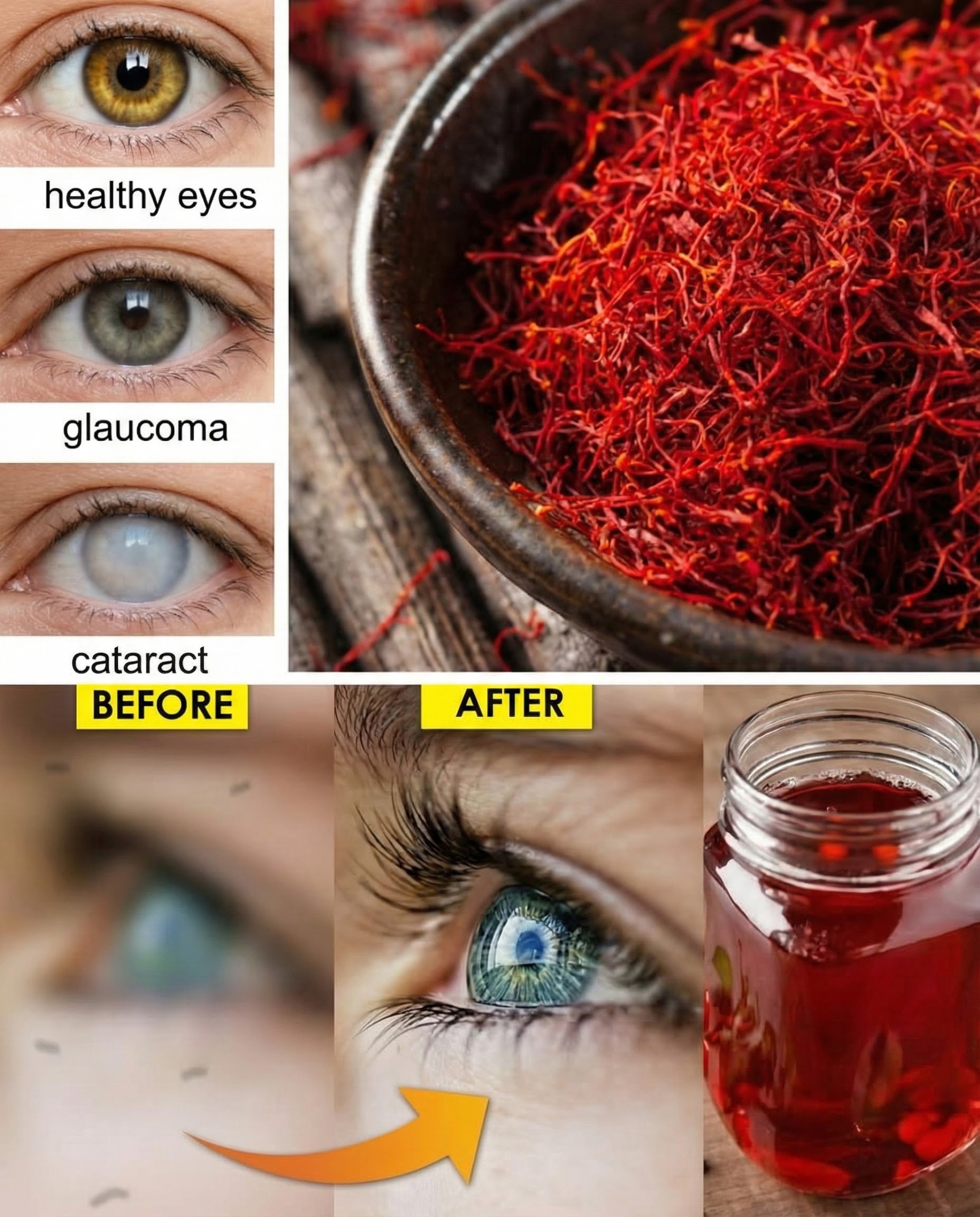
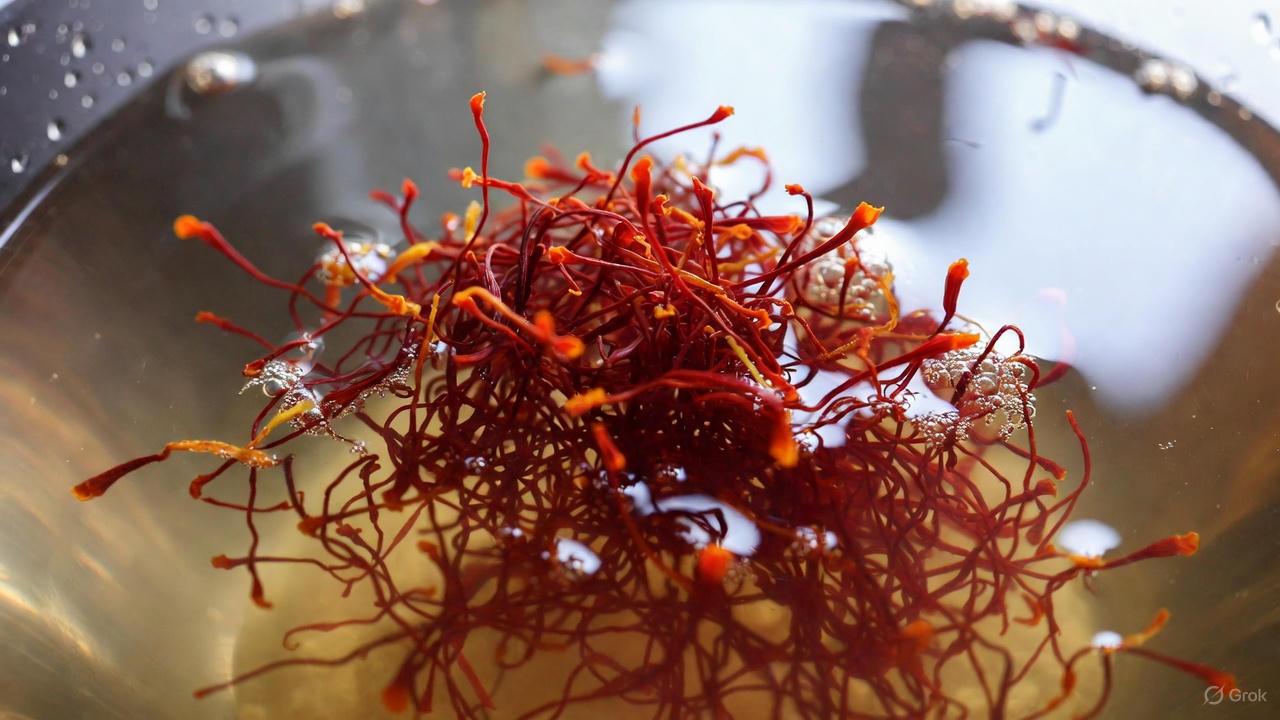
Saffron, derived from the Crocus sativus flower, contains natural compounds like crocin and crocetin known for their antioxidant properties.
Several clinical trials have explored how saffron supplementation affects vision parameters:
- In a randomized, placebo-controlled study, participants with early age-related macular degeneration (AMD) taking 20 mg of saffron daily for three months showed improvements in retinal flicker sensitivity compared to placebo.
- A double-blind trial with 100 adults found modest gains in visual acuity and multifocal electroretinogram (mfERG) responses after short-term saffron use.
- Longer-term follow-up in an open-label extension trial suggested that daily saffron helped preserve mfERG function over 12 months, with good tolerability.
These findings come from peer-reviewed sources, including studies published in journals like Graefe’s Archive for Clinical and Experimental Ophthalmology and BMJ Open Ophthalmology. While results are promising, researchers emphasize the need for more large-scale trials.
Here’s a quick comparison of common eye-supporting supplements based on available research:
| Supplement Option | Typical Daily Dose | Key Focus from Studies | Notes on Absorption/Use |
|---|---|---|---|
| Lutein/Zeaxanthin | 10–20 mg | Macular pigment density | Often paired with fats for better uptake |
| AREDS2 Formula | Varies | Slowing AMD progression in some cases | Evidence-based for intermediate AMD |
| Bilberry Extract | 100–300 mg | General antioxidant support | Limited long-term vision data |
| Saffron | 20–30 mg | Retinal function and sensitivity | May work well with dietary fats |
Practical Ways to Incorporate Saffron into Your Routine
If you’re curious about saffron, start with high-quality sources. Here’s a simple step-by-step guide:
- Choose pure saffron threads (Persian or similar high-grade) or standardized supplements.
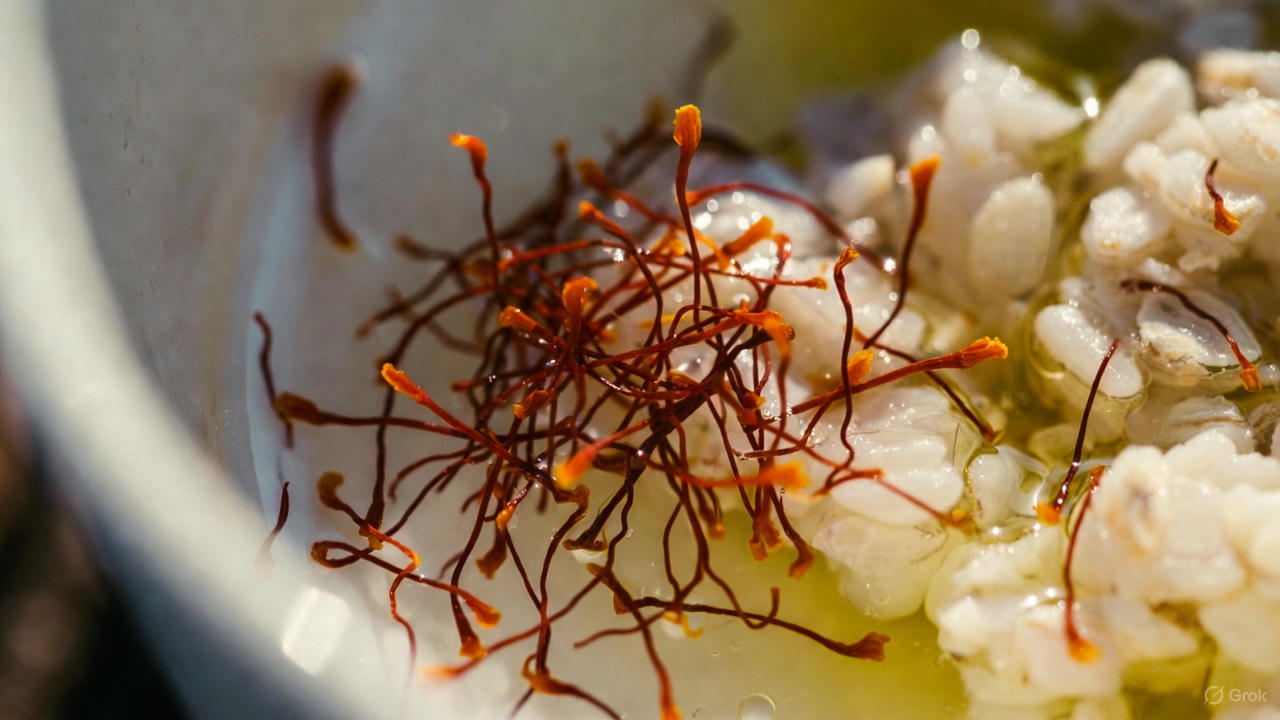
- For culinary use: Steep 5–10 threads in warm water or milk overnight, then add to tea, rice, or oatmeal. Pair with a healthy fat like olive oil for better absorption.
- For supplementation: Look for products providing 20 mg per day, taken with a meal.
- Track how you feel: Note any changes in eye comfort or daily vision over a few months.
- Combine wisely: Many studies allowed continued use of other nutrients like lutein.
Always prioritize food sources when possible—saffron adds flavor to dishes while providing its natural compounds.
But that’s not all… pairing saffron with other eye-friendly habits could enhance its potential.
Additional Habits That May Support Eye Health
- Eat colorful fruits and vegetables rich in carotenoids.
- Protect eyes from excessive blue light with breaks from screens.
- Stay active and manage overall health factors like blood pressure.
- Schedule regular eye check-ups to monitor changes early.
Research also hints at saffron’s role in other areas, like reducing eye strain from screens or supporting blood flow to the retina, though more data is needed.
Real Insights from Studies and Users
Participants in trials often reported subjective improvements, like better contrast perception or easier night adjustment. One long-term study noted preserved retinal responses even among those already using standard supplements.
This is the exciting part: small dietary tweaks, backed by science, might add up to meaningful support over time.
Frequently Asked Questions
1. How much saffron is typically used in eye health studies?
Most trials used 20–30 mg daily, equivalent to a small pinch of threads.
2. Is saffron safe for daily use?
Clinical studies report good tolerability at researched doses, with no serious adverse events linked to saffron. Still, individual responses vary.
3. Can saffron replace prescribed eye treatments?
No—it’s explored as a complementary approach. Always follow your eye care professional’s advice.
In summary, while no single food or supplement guarantees perfect vision, saffron’s antioxidant profile makes it a fascinating option worth discussing with your doctor. Small, consistent steps today could contribute to brighter tomorrows.
Disclaimer: This article is for informational purposes only and is not medical advice. Supplements and dietary changes may interact with medications or conditions. Always consult a qualified healthcare professional before starting any new regimen, especially if you have eye concerns or take medications.