Many adults over 50 notice subtle changes in their eyesight, such as needing more light to read or finding it harder to adjust to bright lights. These shifts often happen gradually as part of the natural aging process, where the macula—the central part of the retina responsible for sharp, detailed vision—experiences increased oxidative stress from daily factors like screen time and environmental exposure. If you’ve ever struggled with menus in dim restaurants or felt eye fatigue after a day on devices, you’re not alone. But here’s the encouraging part: emerging research points to natural ways to nourish eye health. Keep reading to discover what studies suggest about one ancient spice—and a surprising tip that could make all the difference.
Why Vision Changes Become More Common After Age 50
As we reach our 50s and beyond, the eyes undergo natural wear and tear. The macula, which handles central and color vision, can lose sensitivity over time due to oxidative damage and inflammation.
Studies estimate that around 12-20% of Americans aged 40 and older show some signs of age-related changes in the macula, with prevalence rising sharply with age. Factors like prolonged exposure to blue light from screens and reduced antioxidant levels in the diet play a role.
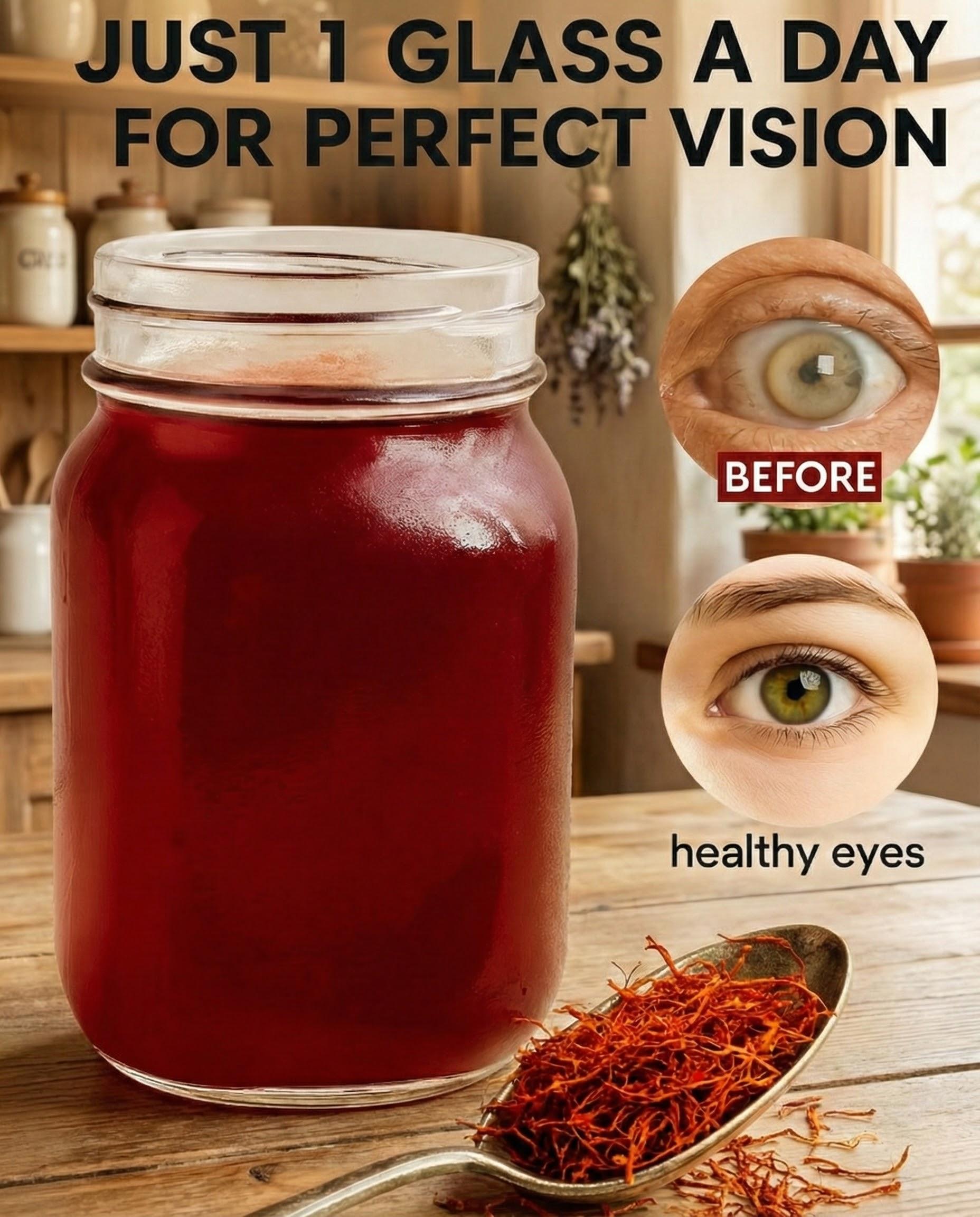
Many people try common approaches like standard eye vitamins, but results vary because not all nutrients reach the retina effectively. That’s where saffron—a spice rich in unique antioxidants like crocin and crocetin—comes into focus.
Research, including clinical trials from universities in Italy and Australia, has explored how these compounds may help maintain retinal function.

What Research Says About Saffron and Eye Health
Scientists have been studying saffron for its potential to support vision, thanks to its high concentration of carotenoids that act as antioxidants.
Here’s a breakdown of key areas where studies have shown promising results:
Supporting Retinal Function
Multiple double-blind trials have found that daily saffron supplementation (around 20 mg) can help preserve electrical responses in the retina, measured by tests like multifocal electroretinogram (mfERG).
One long-term study showed these effects lasting over 12 months, even in people already taking standard eye nutrients.
Enhancing Visual Sharpness
Participants in several randomized trials reported modest improvements in visual acuity—being able to read more lines on an eye chart—and better contrast sensitivity after 3-6 months.
Protection from Daily Stressors
Lab studies indicate crocin helps shield retinal cells from blue light exposure, reducing cell damage by up to 30% in some models.
Comfort for Dry Eyes
Animal research suggests saffron’s anti-inflammatory properties may ease ocular surface discomfort, though more human data is needed.
Other Observed Benefits
- Improved adaptation to low light in simulations.
- Better blood flow to retinal tissues.
- Reduced markers of inflammation.
Here’s a quick comparison table of common eye-support options based on available research:
| Option | Typical Monthly Cost | Time to Notice Changes (Studies) | Key Focus from Research | Notes |
|---|---|---|---|---|
| Lutein/Zeaxanthin Supplements | $20-30 | 6-12 months | Increases macular pigment density | Well-studied for filtering blue light |
| Standard Eye Vitamins (AREDS formula) | $30-40 | Variable | General antioxidant support | Proven for certain risk groups |
| Bilberry Extract | $25-35 | 4-8 months | Circulation support | Limited large trials |
| Saffron (20 mg/day) | $15-25 | 3-6 months | Retinal function preservation | Additive effects in trials |
But that’s not all—researchers note that pairing saffron with a small amount of healthy fat (like olive oil) boosts absorption significantly.
Practical Ways to Incorporate Saffron for Eye Support
If you’re interested in trying saffron, focus on high-quality sources. Look for pure threads from reputable regions like Persia or Kashmir.
Here are simple, actionable steps:
- Start with 20 mg daily (about 6-8 threads).
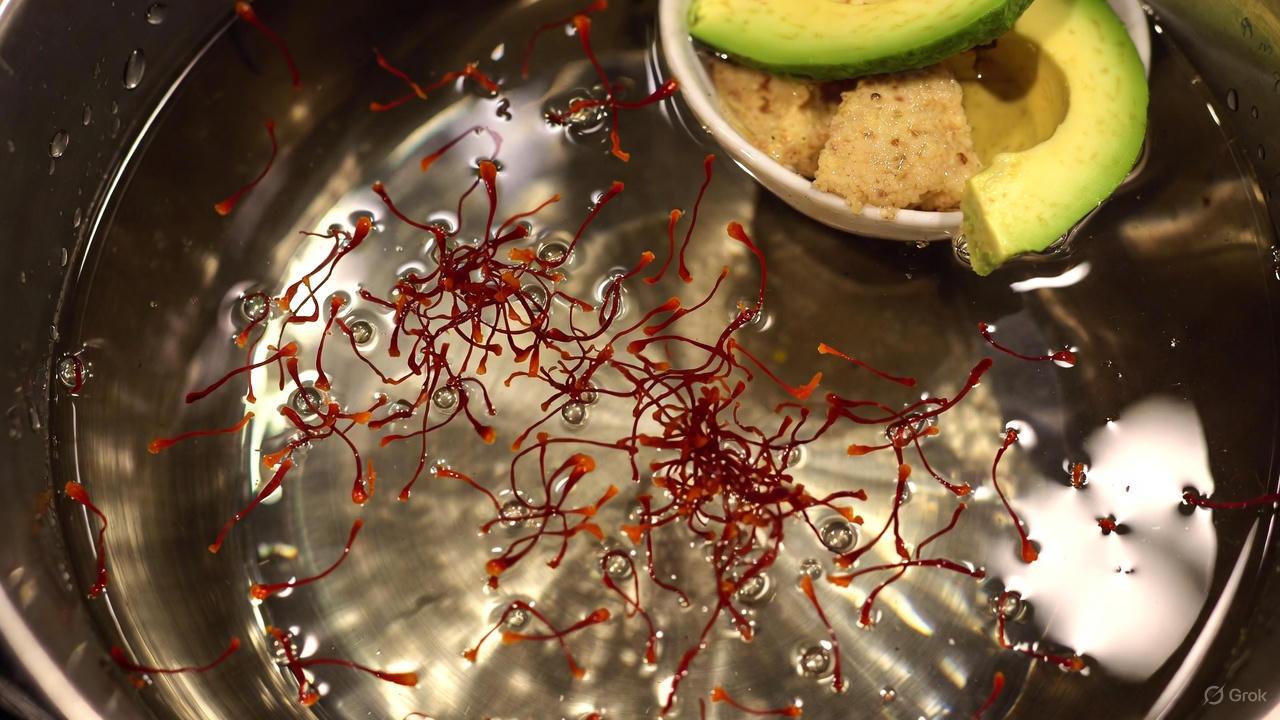
- Soak threads overnight in warm water or milk for better potency.
- Take with a meal containing fat, such as breakfast with avocado or nuts—this can enhance bioavailability.
- Combine with a balanced diet rich in greens for lutein and zeaxanthin.
- Track changes over 3 months, perhaps with an eye exam.
Many people brew saffron as a tea or add it to rice dishes—it’s versatile and adds a mild flavor.
Real Insights from Studies and Users
In one crossover trial with over 100 participants, those taking saffron saw small but meaningful gains in visual tests, independent of other supplements.
Longer follow-ups confirmed sustained benefits without major side effects.
People often share feeling more comfortable with screens or noticing sharper details in daily life.
The interesting part? Saffron’s effects seem tied to its unique water-soluble carotenoids, which may reach eye tissues differently than fat-soluble ones like lutein.
Wrapping It Up: Small Steps for Long-Term Eye Health
Supporting your vision doesn’t have to be complicated. A nutrient-rich diet, regular eye check-ups, and protective habits like limiting screen glare go a long way.
Research on saffron adds an intriguing option—small daily amounts may help maintain retinal health and comfort.
Imagine feeling more confident reading fine print or enjoying evening drives. Many find hope in these natural approaches.
Which change will you try first—adding saffron to your routine or pairing it with healthy fats?
Frequently Asked Questions
How much saffron is typically used in studies?
Most trials use 20-30 mg per day, equivalent to a pinch of high-quality threads.
Can saffron be combined with other eye supplements?
Yes—some studies showed benefits even alongside standard formulas.
Are there any side effects?
Saffron is generally well-tolerated at food amounts, but high doses could cause issues. Stick to studied levels.
Disclaimer: This article is for informational purposes only and is not intended as medical advice. Supplements are not proven to prevent, diagnose, or treat any disease. Always consult your eye care professional before starting any new supplement, especially if you have existing conditions or take medications. Individual results vary, and research is ongoing.