As we enter our 40s and beyond, many of us start noticing subtle changes in our vision—things like needing more light to read or feeling extra strain after a day on screens. These shifts are common, with studies showing that a significant number of adults over 40 experience age-related vision changes, such as difficulty focusing up close or increased sensitivity to glare. It’s frustrating when everyday activities become a bit harder, leaving us searching for simple ways to feel more comfortable.
But here’s the good news: incorporating nutrient-rich foods into your diet might help support overall eye comfort and health. One everyday option that’s easy to add? Cucumbers. Keep reading to discover practical ways this refreshing vegetable could fit into your routine—and a simple tip at the end that ties it all together.
Why Vision Changes Become More Noticeable After Age 40
Starting in the mid-40s, the eye’s lens naturally loses flexibility, making it tougher to focus on nearby objects—a common experience known as presbyopia. Research from sources like the American Optometric Association notes that this affects most adults by this age.
On top of that, prolonged screen time and environmental factors can lead to occasional dryness or fatigue. While these changes are a normal part of aging, staying hydrated and getting key nutrients from food may help maintain eye comfort. That’s where cucumbers come in—they’re packed with water and beneficial compounds.
But that’s just the start…
The Role of Hydration in Keeping Eyes Feeling Comfortable
Cucumbers are about 96% water, making them a natural choice for hydration. Proper moisture levels support tear production, which helps keep eyes feeling refreshed.
Studies, including those published in Nutrients, highlight how staying hydrated contributes to ocular surface health. Adding cucumber to meals or snacks is an easy way to boost daily water intake.
Quick tip: Slice a cucumber and add it to your water bottle for a subtle flavor boost.
Antioxidants in Cucumbers and Their Potential for Eye Support
Cucumbers contain antioxidants like vitamin C and beta-carotene. These compounds help combat oxidative stress, which plays a role in age-related eye changes.
Research in journals such as Antioxidants suggests that diets rich in antioxidants may support retinal health. While cucumbers aren’t the highest source, they contribute alongside other veggies.
Here’s a simple list of ways cucumbers provide supportive nutrients:
- High water content for hydration
- Vitamin C for antioxidant protection
- Beta-carotene as a precursor to vitamin A
- Trace amounts of other beneficial plant compounds
The real perk? They’re low-calorie and versatile.
Soothing Properties for Tired Eyes Around the Eye Area
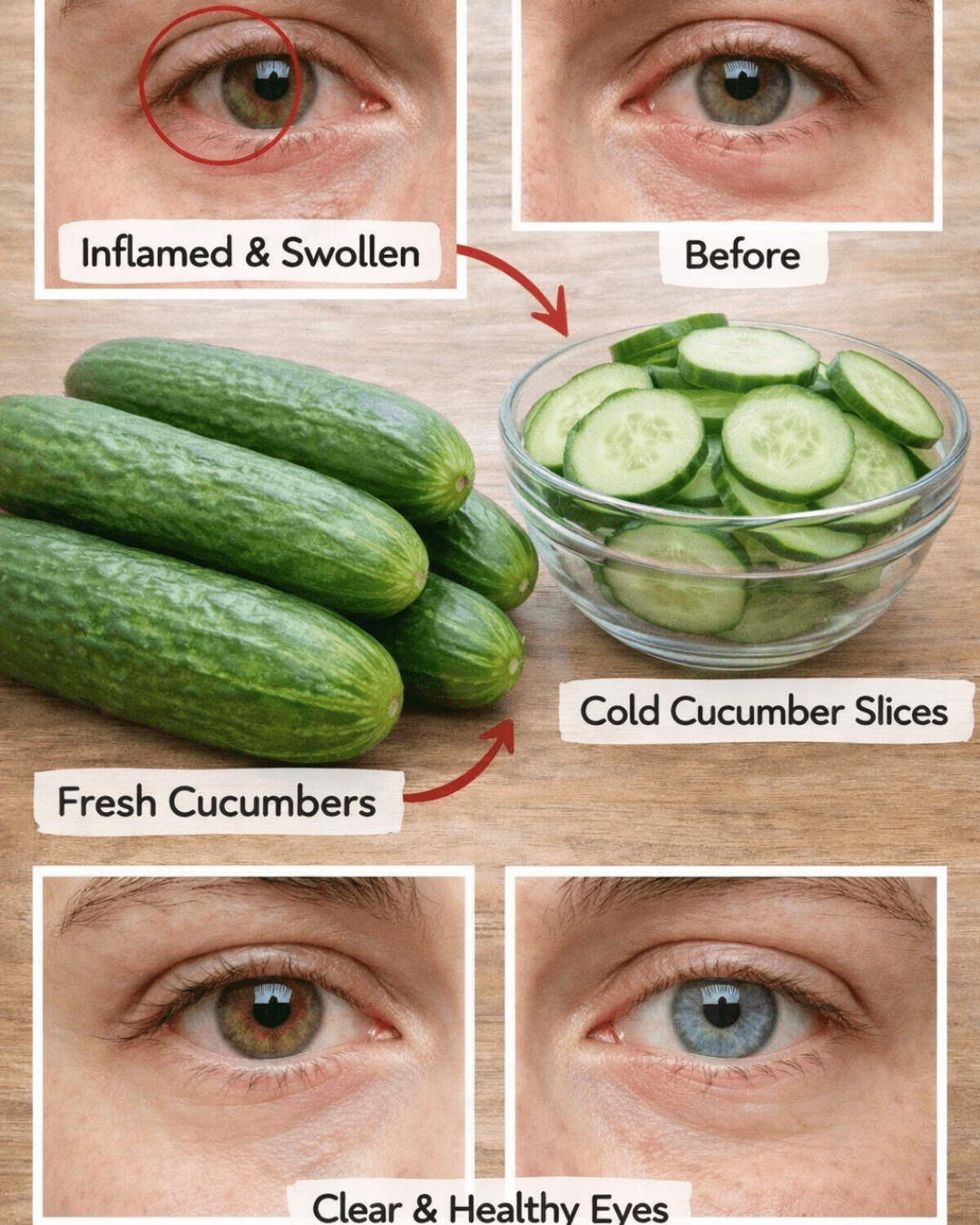
One popular home remedy is placing chilled cucumber slices over closed eyes for a few minutes. The cool temperature can temporarily reduce puffiness by constricting blood vessels, and the hydration may soothe the delicate skin around the eyes.
Sources like Medical News Today note that this practice offers short-term relief for occasional puffiness or fatigue. It’s a relaxing ritual many find helpful after long days.
But how can you make it part of your routine? See below.

Practical Ways to Incorporate Cucumbers for Eye Health Support
Here are actionable steps to add cucumbers daily:
- Morning boost: Start with fresh cucumber slices in a smoothie or as a snack.
- Hydrating drink: Infuse water with cucumber and a hint of lemon.
- Meal addition: Toss diced cucumber into salads or sandwiches for crunch.
- Evening relax: Use chilled slices as a 10-minute compress while unwinding.
- Juice option: Blend one cucumber for a refreshing drink—aim for 1-2 cups equivalent per day.
Consistency is key. Pair with a balanced diet including leafy greens for broader nutrient support.
Comparing Cucumbers to Other Eye-Friendly Foods
While cucumbers shine for hydration, other foods offer higher levels of specific carotenoids like lutein and zeaxanthin.
| Food | Key Benefit | Easy Way to Add |
|---|---|---|
| Cucumbers | Hydration and cooling | Slices, water infusion |
| Kale/Spinach | High in lutein/zeaxanthin | Salads or smoothies |
| Carrots | Beta-carotene | Raw snacks |
| Bell Peppers | Vitamin C boost | Stir-fries |
Mixing them creates a well-rounded approach.
You’re already ahead by exploring natural options—many stop here, but the best insights are next.
A Simple 30-Day Plan to Try Cucumbers for Eye Comfort
Week 1: Add 1 cucumber daily (slices or infused water). Note how your eyes feel.
Week 2: Increase to 1-2, plus one chilled compress session.
Week 3: Combine with other veggies; track any differences in daily comfort.
Week 4: Maintain and adjust based on what works for you.
This gradual habit can make it sustainable.
Frequently Asked Questions
1. Can cucumbers alone improve vision?
No single food can, but including them as part of a nutrient-rich diet may support overall eye health alongside regular check-ups.
2. How much cucumber should I eat daily?
Aim for 1-2 medium cucumbers or equivalent—easy to fit into meals without overdoing it.
3. Is topical use (slices on eyes) safe?
Yes, for most people. Wash thoroughly and use chilled for best effect. Avoid if you have sensitive skin reactions.
This information is for educational purposes only and is not a substitute for professional medical advice. Always consult your healthcare provider for personalized guidance on eye health.
(Word count: approximately 1,250)