
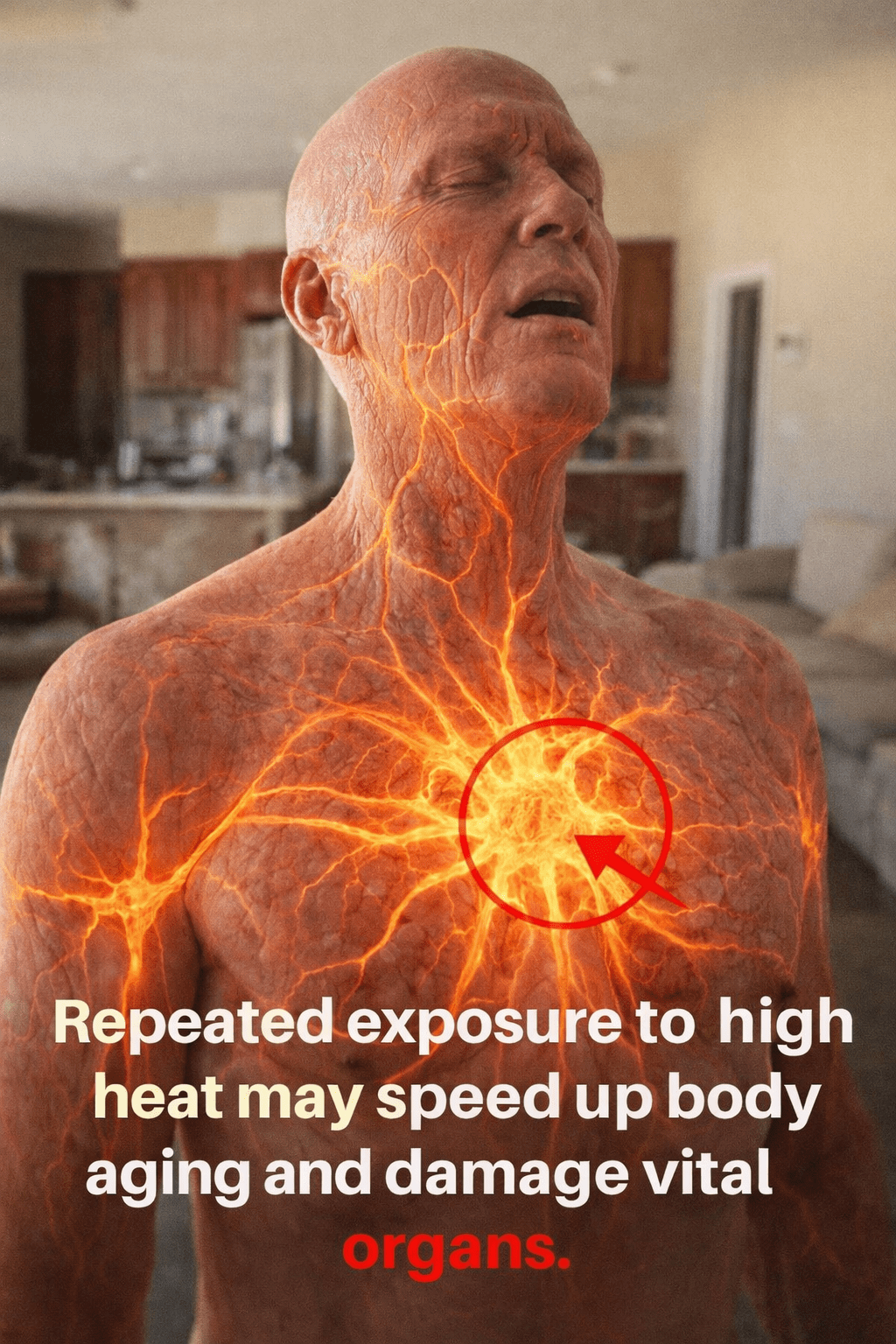
Imagine stepping outside on a scorching summer day, feeling the heat press against your skin like a heavy blanket. It’s not just uncomfortable — repeated exposure to these extreme temperatures may quietly take a toll on your body at the cellular level. Recent studies suggest that prolonged heat can accelerate biological aging, making your body function older than your actual years and potentially raising risks for long-term health challenges.
But here’s the encouraging part: understanding this connection empowers you to take simple, everyday steps to stay cooler and support your body’s natural resilience. Keep reading to discover what the science reveals and practical ways to protect yourself.
What Is Biological Aging — And Why Does Heat Matter?
Biological aging refers to how well your cells, tissues, and organs perform over time — it’s different from your chronological age (the number of birthdays you’ve had). Scientists measure it using tools like epigenetic clocks, which track changes in DNA methylation patterns. These patterns shift as we age, influenced by lifestyle, environment, and stress.
Recent research, including a major study published in Science Advances examining over 3,600 older adults across the U.S., found that people living in areas with frequent extreme heat days (where the heat index exceeds 90°F) showed faster biological aging. Those in the hottest regions could experience up to 14 months of additional biological age compared to those in cooler areas.
But that’s not all… Similar patterns appeared in other studies, including research from Germany and Taiwan, where longer-term heat exposure linked to accelerated epigenetic changes. These shifts happen because extreme heat acts as a chronic stressor, triggering inflammation, oxidative damage, and alterations in gene expression that accumulate over time.
How Repeated Heat Exposure May Affect Your Body
Extreme heat doesn’t just make you sweat — it challenges your body’s ability to regulate temperature, especially as we get older. Sweat glands become less efficient, blood flow to the skin slows, and the body’s “thermostat” (the hypothalamus) works harder.
Over repeated exposures:
- Short-term heat can cause immediate strain, like dehydration or fatigue.
- Long-term patterns may lead to persistent changes at the molecular level.
Studies indicate that people in regions with 140+ extreme heat days per year may see their biological age advance faster — an effect comparable in scale to other known stressors like smoking or heavy alcohol use in some analyses.
Here are key ways heat impacts the body, based on emerging research:
- Increased inflammation and oxidative stress — Heat triggers the body to produce more free radicals, which can damage cells.
- Strain on vital organs — Cardiovascular, kidney, and respiratory systems work overtime to cool down.
- Epigenetic shifts — DNA methylation patterns change, potentially reflecting faster cellular wear.
These effects appear stronger in older adults, who already have reduced thermoregulation, and may be more pronounced in certain groups, like those with higher body fat or specific health conditions.
Who Might Be Most Affected by Heat-Related Aging Changes?
Not everyone experiences heat the same way. Factors like age, location, and lifestyle play a role.
Consider these groups often highlighted in studies:
- Older adults (56+), due to natural declines in cooling mechanisms
- People in urban “heat islands” with less shade and more pavement
- Those spending time outdoors for work or daily activities
- Individuals with limited access to air conditioning
The good news? Many of these factors are within your control through smart habits.
Practical Ways to Help Protect Your Body During Hot Weather
You can’t change the weather, but you can reduce your exposure and support your body’s resilience. Here are actionable steps backed by health recommendations:
- Stay hydrated consistently — Drink water regularly, even before you feel thirsty. Aim for clear or light-colored urine as a simple check.
- Seek shade and cooler environments — Limit outdoor time during peak heat (usually 10 a.m. to 4 p.m.). Use fans, air conditioning, or visit public cool spots like libraries or malls.
- Dress smartly — Wear lightweight, loose, light-colored clothing and a wide-brimmed hat.
- Cool your body directly — Take cool showers, use damp cloths on your neck/wrists, or apply ice packs wrapped in a towel.
- Monitor your environment — Check local heat index forecasts and plan activities accordingly.
- Support overall wellness — Eat nutrient-rich foods, get enough rest, and maintain physical activity during cooler times.
Here’s a quick comparison of cooling strategies:
- Quick fix (immediate relief): Cool shower or damp cloth — drops body temperature fast.
- Long-term habit (daily protection): Stay in air-conditioned spaces when possible — prevents cumulative stress.
- Outdoor essential (when you must go out): Hydration + shade breaks — reduces organ strain over time.
These small changes add up, helping your body handle heat better and potentially slowing those subtle aging shifts.
Wrapping It Up: Small Steps for Better Resilience
Extreme heat waves are becoming more common, but the latest research highlights how repeated exposure may speed up biological aging through cellular stress. The encouraging news is that staying proactive with cooling habits and hydration can make a real difference in supporting your long-term well-being.
By making these adjustments, you’re not just surviving the heat — you’re helping your body age more gracefully.
Frequently Asked Questions
Does extreme heat only affect older adults? While older adults face higher risks due to natural changes in temperature regulation, research shows heat-related effects can impact people of various ages, especially with prolonged exposure.
Can I reverse heat-related biological aging changes? Biological aging markers can sometimes improve with lifestyle adjustments, like reducing heat exposure — though research is ongoing. Focus on consistent protection to support your body’s natural processes.
How do I know if heat is affecting me? Watch for signs like fatigue, dizziness, or dark urine. If you live in a hot area, consider tracking local heat days and prioritizing cooling routines.
Disclaimer: This article is for informational purposes only and not intended as medical advice. Always consult a healthcare professional for personalized guidance on your health and heat-related concerns.


