Many people over 65 notice changes in energy levels during everyday activities, like feeling more tired after a short walk or carrying groceries. These subtle shifts can stem from natural aging processes affecting circulation and blood vessel flexibility. Research shows that certain nutrients play key roles in maintaining vascular health, and getting enough of them through diet or supplements may help support overall cardiovascular wellness.
But here’s the intriguing part: some everyday vitamins—often already in your kitchen or easy to add—could make a meaningful difference when included consistently. Keep reading to discover practical ways to incorporate them and why they matter.
Understanding Circulation Challenges in Later Years
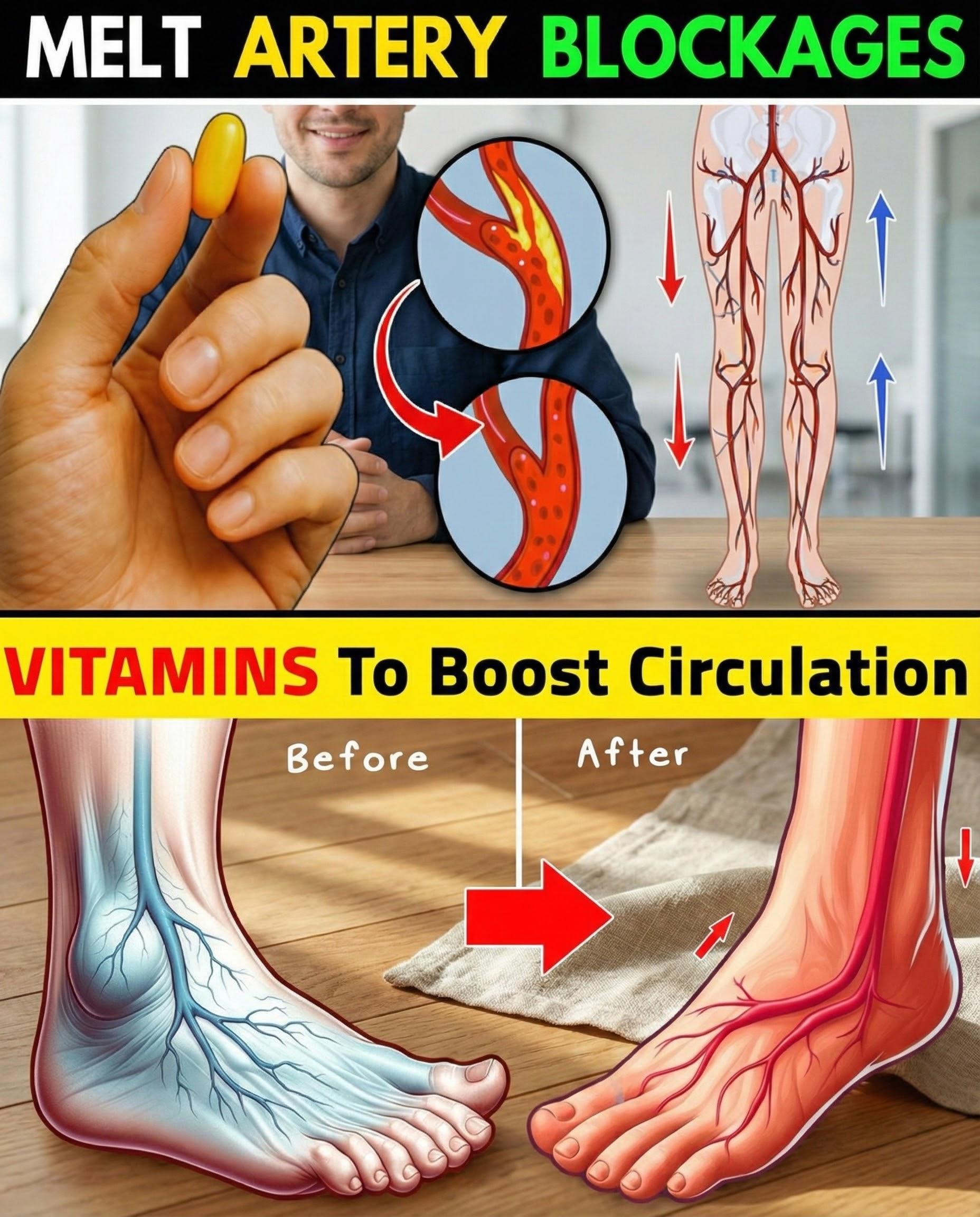
As we age, blood vessels naturally lose some elasticity, and factors like inflammation or nutrient gaps can influence how well blood flows. Studies, including those from major health organizations, indicate that about half of adults over 65 experience changes in artery function that affect daily comfort.
The good news? Nutrition can play a supportive role. Certain vitamins help with processes like collagen production, inflammation management, and calcium regulation in vessels. While no nutrient is a magic fix, research suggests adequate intake may contribute to better vascular health.
Here’s the thing: many seniors have lower levels of key vitamins due to diet changes or absorption issues. Addressing these gaps thoughtfully could be a simple step forward.
Key Vitamins That Research Links to Vascular Support
Let’s break down seven vitamins often studied for their potential roles in heart and artery health. We’ll focus on evidence-based insights and food sources first.
Vitamin K2: Helping Direct Calcium Where It’s Needed
Vitamin K2 activates proteins that guide calcium into bones and away from arteries. Observational studies, like the Rotterdam Study, associate higher K2 intake with better artery flexibility in older adults.
- Food sources: Fermented foods like natto, cheese, and egg yolks.
- Typical supplement dose in studies: 180 mcg daily (as MK-7 form).
Research notes that K2 may slow arterial stiffening, but results vary by individual health.
Vitamin D3: Supporting Overall Vessel Function
Low vitamin D is common in seniors, especially with less sun exposure. Some trials link adequate levels to lower inflammation markers that affect arteries.
- Food sources: Fatty fish, fortified milk, or brief sunlight.
- Common supplement: 1,000–4,000 IU daily, based on blood tests.
A recent American Heart Association study suggested personalized dosing might support heart health in some cases.
Vitamin E: An Antioxidant for Daily Protection
As a natural antioxidant, vitamin E helps protect cells from oxidative stress. Mixed tocopherols (various forms) show promise in studies for reducing oxidized cholesterol.
- Food sources: Nuts, seeds, and vegetable oils.
- Studied dose: 200–400 IU natural mixed forms.
Early research was encouraging, though larger trials show modest benefits.
Vitamin C: Essential for Collagen Building
Vitamin C is crucial for collagen, the protein that gives arteries strength and flexibility. Higher intake correlates with better endothelial function in some studies.
- Food sources: Citrus fruits, berries, bell peppers, and broccoli.
- Common intake: 500–1,000 mg daily.
Kyoto research linked extra vitamin C to thinner arterial walls over time.

Vitamin B3 (Niacin): Helping With Lipid Balance
Niacin can raise “good” HDL and lower triglycerides. It’s used under medical supervision for cholesterol management.
- Food sources: Poultry, fish, and whole grains.
- Supplement form: Extended-release, starting low to avoid flush.
Trials show improved blood flow measures, but it’s not first-line anymore due to side effects.
The B Vitamin Trio: B6, B12, and Folate
These work together to manage homocysteine, an amino acid linked to vascular risk when elevated.
- Food sources: Leafy greens, legumes, eggs, and fortified cereals.
- Common combo: 25 mg B6, 1,000 mcg B12, 800 mcg folate.
Swedish studies suggest this trio may support lower stroke risk.
Combining K2 and D3: A Synergistic Approach
Some research explores pairing K2 and D3, as they complement calcium regulation.
- Studied combo: 180 mcg K2 + 4,000–5,000 IU D3.
Rotterdam data noted potential benefits for coronary health.
Comparison of These Vitamins for Vascular Support
| Vitamin | Key Role in Research | Best Food Sources | Typical Daily Amount Studied |
|---|---|---|---|
| K2 | Calcium direction, artery flexibility | Natto, cheese, goose liver | 180 mcg |
| D3 | Inflammation markers, vessel health | Sunlight, fatty fish | 4,000–5,000 IU |
| E | Antioxidant protection | Almonds, sunflower seeds | 200 IU mixed |
| C | Collagen synthesis | Kiwi, oranges, peppers | 1,000 mg |
| B3 (Niacin) | HDL support, blood flow | Chicken, tuna | 500 mg extended-release |
| B6/B12/Folate | Homocysteine management | Greens, eggs, beans | 25 mg / 1,000 mcg / 800 mcg |
| K2 + D3 Combo | Combined calcium regulation | Combo foods/supplements | As above |

Simple Steps to Add These Nutrients Daily
Start small for lasting habits:
- Test levels first: Ask your doctor for blood work on vitamin D, B12, etc.
- Prioritize food: Aim for colorful plates with greens, fruits, nuts, and fish.
- Consider supplements wisely: If diet falls short, choose third-party tested brands.
- Build gradually: Add one nutrient-rich meal or supplement at a time.
- Pair with lifestyle: Walking, hydration, and stress management amplify benefits.
Many find starting with vitamin D or a B-complex easiest, especially in winter.
Conclusion
Supporting artery health in later years involves consistent nutrition alongside healthy habits. These seven vitamins show promising roles in research for circulation, collagen, and inflammation support. Focus on whole foods first, and use supplements as a bridge if needed—always with professional guidance.
Small daily choices can add up to feeling more energetic and comfortable.
Frequently Asked Questions
Should older adults take vitamin supplements for heart health?
Many benefit from food sources, but supplements help if levels are low. Get tested and consult your doctor.
Is vitamin K2 safe with blood thinners?
K2 works differently from K1 but discuss with your provider, especially on warfarin.
How long until noticing benefits from these vitamins?
Studies show changes in months with consistent intake, paired with diet and exercise.
Disclaimer: This article is for informational purposes only and is not medical advice. Always consult your healthcare provider before starting supplements, especially with medications or conditions. They can personalize recommendations based on your health.