Many people notice their skin feeling dull or rough over time, especially as dead cells build up on the surface. This can make the complexion appear less radiant and textures uneven. You might have tried various exfoliants, only to find them too harsh or expensive, leaving your skin irritated or dry. The good news is there’s a simple, affordable ingredient many already have at home that can help with gentle exfoliation when used carefully.
But here’s the interesting part: while baking soda is popular in DIY routines, the key is understanding how to use it safely to avoid common pitfalls—keep reading to discover practical tips and recipes that might fit into your routine.
Why Consider Baking Soda for Skin Exfoliation?
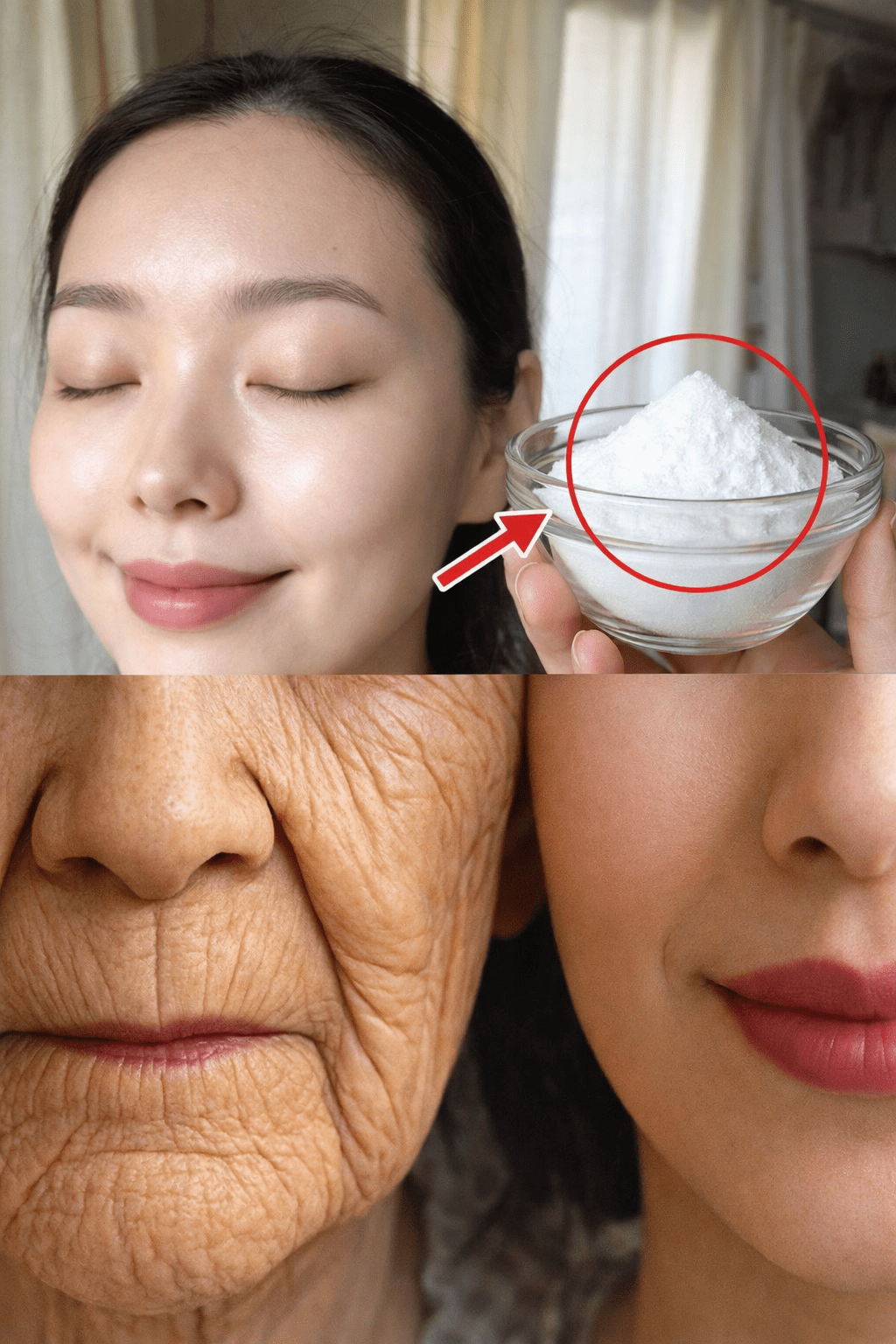
Baking soda, or sodium bicarbonate, is a mild abrasive that can help remove dead skin cells physically. Its fine texture allows it to act as a gentle scrub, potentially leaving the skin feeling smoother.
Research suggests that mild exfoliation can improve skin texture by clearing away buildup. For instance, studies on mechanical exfoliants show they can reveal fresher-looking skin when done properly.
That said, baking soda has an alkaline pH around 9, while skin naturally sits at about 4.5–5.5. This difference means it should be used sparingly to maintain balance.
Here’s what some sources note about its potential role:
- It may help absorb excess oil for those with oily skin types.
- Combined with soothing ingredients, it can feel refreshing.
- Anecdotal reports mention smoother texture after occasional use.
But that’s not the full picture…
Important Considerations Before Trying Baking Soda on Skin
Skin experts often emphasize caution with baking soda on the face. Many dermatologists point out that its alkalinity can temporarily shift the skin’s natural barrier, leading to dryness or sensitivity if overused.
A review in dermatology journals indicates it’s generally safe in low concentrations but can cause issues with prolonged exposure.
Common experiences include:
- Temporary smoothness from exfoliation.
- Potential redness or tightness if left on too long.
- Not ideal for daily use—experts recommend limiting to 1–2 times per week at most.
Always start with a patch test: Apply a small amount to your inner arm and wait 24 hours.
If you have sensitive, dry, or compromised skin, gentler options like oatmeal or enzymatic exfoliants might be better.

Simple DIY Baking Soda Recipes to Try at Home
If you’re curious, here are a few beginner-friendly mixtures that pair baking soda with hydrating ingredients. These aim to buffer its effects.
Basic Gentle Scrub
- 1 teaspoon baking soda
- 1–2 teaspoons water or aloe vera gel
Mix into a paste. Gently massage onto damp skin for 30–60 seconds, then rinse thoroughly. Follow with moisturizer.
Soothing Honey Blend
Honey adds natural hydration.
- 1 teaspoon baking soda
- 1 tablespoon raw honey
Combine and apply as a mask for 5–10 minutes. Rinse with lukewarm water.
This combination is popular for its calming feel.
Oatmeal Exfoliating Mix
For added gentleness:
- 1 teaspoon baking soda
- 2 tablespoons ground oatmeal
- Enough water to form a paste
Massage lightly and rinse.
Use these occasionally, and stop if any discomfort occurs.
Step-by-Step Guide to Safe Application
- Cleanse your face with a gentle cleanser first.
- Mix fresh paste each time—don’t store mixtures.
- Apply to damp skin, avoiding the eye area.
- Massage softly in circular motions for no more than 1 minute.
- Rinse well with cool water.
- Pat dry and apply a hydrating moisturizer immediately.
- Finish with sunscreen if going outdoors.
Limit to once a week initially to see how your skin responds.
Comparison of Common Exfoliation Methods
| Method | Type | Frequency Suggested | Potential Benefits | Notes |
|---|---|---|---|---|
| Baking Soda Paste | Physical | 1–2 times/week | Affordable, removes buildup | May dry skin; patch test required |
| Oatmeal Scrub | Physical | 2–3 times/week | Soothing, gentle | Great for sensitive types |
| Salicylic Acid | Chemical | Daily (low %) | Unclogs pores | Over-the-counter options available |
| Fruit Enzymes | Chemical | 1–2 times/week | Natural, mild | From papaya or pineapple |
Wrapping Up: Finding What Works for You
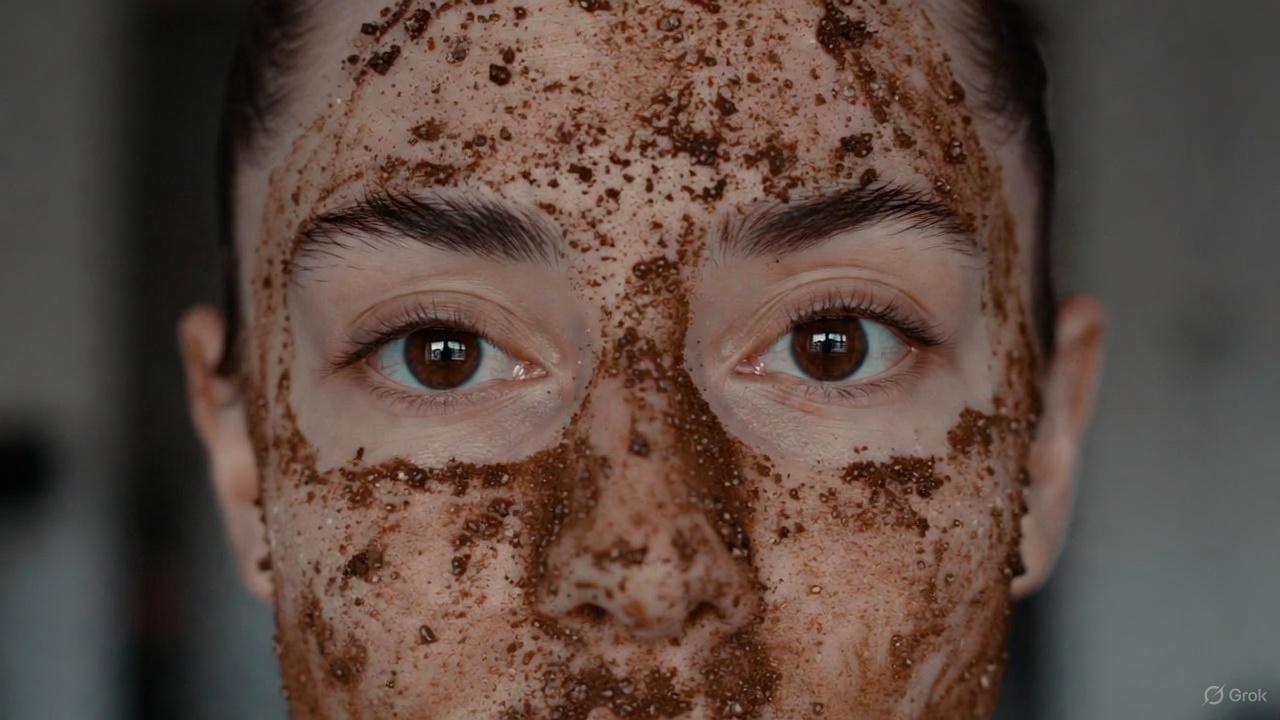
Exploring home ingredients like baking soda can be a fun way to experiment with exfoliation, especially when combined thoughtfully with moisturizing elements. Many find occasional use helps achieve a smoother feel, supported by its mild abrasive nature.
Remember, everyone’s skin is unique—what feels great for one person might not for another. Consistency with gentle care, hydration, and sun protection often makes the biggest difference.
Frequently Asked Questions
1. How often can I use baking soda on my face?
Most sources suggest no more than 1–2 times per week, and less if your skin feels dry afterward.
2. Is baking soda suitable for all skin types?
It’s often better for oily skin; those with dry or sensitive skin may prefer milder alternatives.
3. What should I do if my skin gets irritated?
Stop use immediately, rinse thoroughly, and apply a soothing moisturizer. If irritation persists, consult a professional.
Disclaimer: This information is for educational purposes only and is not medical advice. Results vary by individual. Always perform a patch test and consult a dermatologist before trying new ingredients, especially if you have skin conditions or are using other treatments. Discontinue if any irritation occurs.
(Word count: approximately 1250)