
Many people experience recurring seasonal discomforts or feel frustrated when common health supports don’t deliver as expected. These issues can disrupt daily routines, leaving you searching for natural ways to feel more resilient. What if a simple kitchen ingredient could offer meaningful support when incorporated thoughtfully into your diet?
Researchers have long been interested in garlic’s natural compounds, and studies suggest it may play a supportive role in overall wellness. But the real key lies in how you prepare and enjoy it. Keep reading to discover practical insights backed by science.
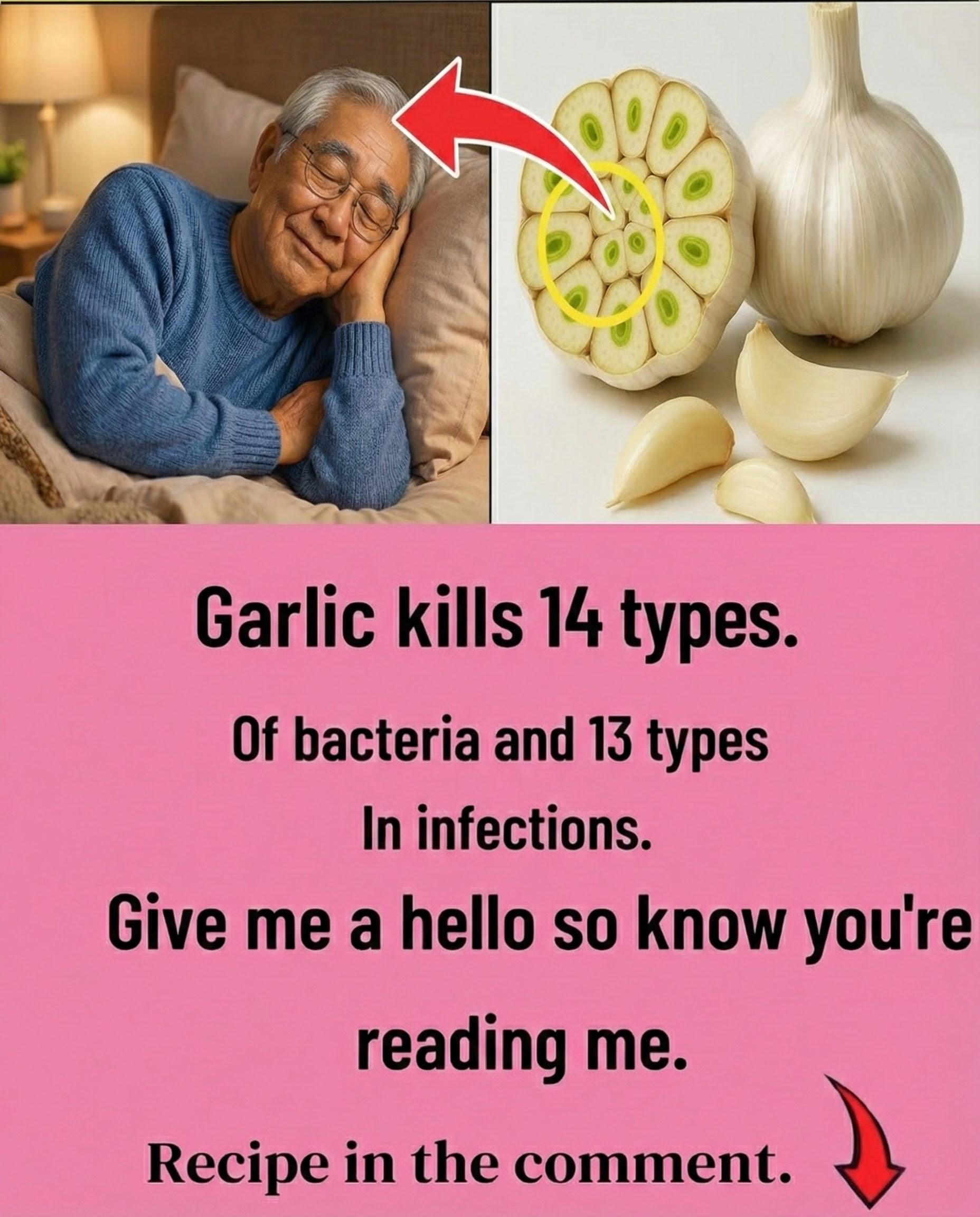
What Makes Garlic Stand Out: The Role of Allicin
Garlic contains a compound called allicin, formed when fresh cloves are crushed or chopped. This process activates an enzyme called alliinase, which converts a precursor into allicin.
Laboratory research, including reviews published in journals like Microbes and Infection, indicates that allicin shows activity against a broad range of bacteria in test settings. Studies highlight its potential to interact with bacterial cell structures.
Here’s the interesting part: proper preparation maximizes allicin’s formation before it’s diminished by heat or time.
Bacteria That Garlic Compounds Have Shown Activity Against in Lab Studies
Scientific investigations have explored garlic extracts and allicin against various bacterial strains. While these are primarily in vitro (lab-based) findings, they provide insight into garlic’s potential.
Research points to activity against both Gram-positive and Gram-negative bacteria, including some resistant strains. Common examples include:
- Escherichia coli (often linked to digestive upset)
- Salmonella species (associated with food-related issues)
- Staphylococcus aureus, including MRSA strains
- Pseudomonas aeruginosa (common in certain infections)
- Streptococcus species
- Helicobacter pylori
- Klebsiella pneumoniae
- Listeria monocytogenes
- Campylobacter jejuni
- Clostridium species
Additional studies note effects on Enterococcus, Proteus, and Mycobacterium. A review in Frontiers in Microbiology emphasizes broad-spectrum potential, particularly against multi-drug resistant strains.
Remember, these observations come from controlled lab environments. Garlic can complement a healthy lifestyle but isn’t a substitute for professional care.
But that’s not all—garlic’s sulfur compounds may offer wider benefits.

Additional Ways Garlic Supports Daily Wellness
Beyond its studied antibacterial properties, garlic has been linked to several other areas in human research.
- Heart Health Support: Meta-analyses suggest garlic may help maintain healthy blood pressure and cholesterol levels in some people.
- Immune Boost: One study found that regular garlic intake reduced the duration of common seasonal discomforts.
- Antioxidant Effects: Compounds in garlic help combat oxidative stress, according to research in the Journal of Nutrition.
- Gut Comfort: Prebiotic-like effects may promote beneficial bacteria balance.
- Circulation and Inflammation: Trials indicate potential for improved blood flow and reduced inflammatory markers.
Human intervention studies, such as those reviewed in Antioxidants, show promising results for cardiovascular and immune support when garlic is part of a balanced diet.
The evidence is encouraging, but individual results vary.
Simple Steps to Maximize Garlic’s Benefits at Home
To get the most from fresh garlic, focus on preparation. Heat can reduce allicin quickly, so timing matters.
Follow this easy 3-step approach:
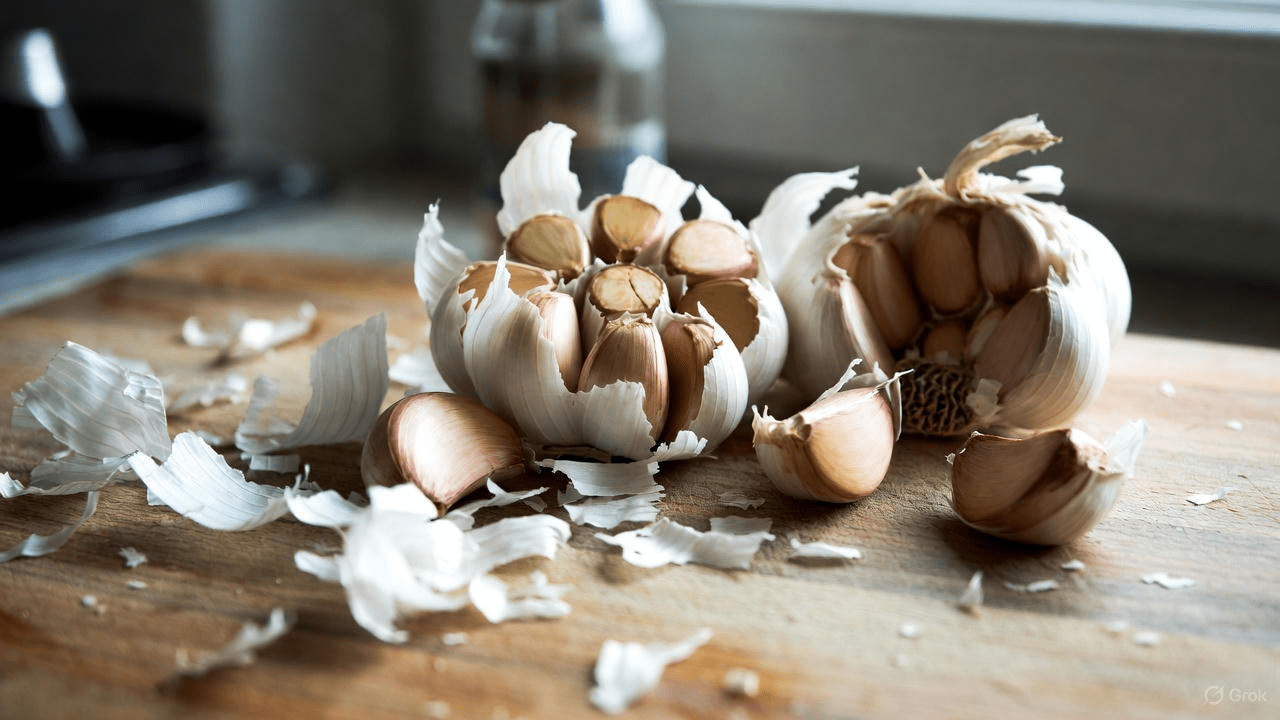
- Peel and finely crush or chop 1-2 cloves.
- Let it sit for 10-15 minutes at room temperature—this allows peak allicin formation.
- Add to meals raw, or cook lightly to preserve other compounds.
Research supports that crushing and waiting optimizes allicin yield before any cooking.
Delicious Ways to Incorporate Garlic Daily
Enjoy garlic without overpowering flavor or breath concerns. Here are five ideas:
- Mix crushed garlic with honey and lemon for a soothing drizzle.
- Blend into yogurt with herbs for a fresh dip.
- Stir into fresh salsa or dressings for salads.
- Add to warm (not hot) teas with ginger.
- Top avocado toast or lightly sauté at low heat.
For breath, follow with parsley, apple, or lemon water.
Building a Sustainable Garlic Habit
Start gradually to make it routine:
Week 1: One clove daily, perhaps in a morning honey mix.
Week 2: Add to lunches, like on veggies or toast.
Week 3: Increase to two cloves, incorporating into dinners.
Week 4: Make it a daily staple.
Many find it easy to adapt, with benefits building over time.
Important Safety Considerations
Garlic is generally well-tolerated in food amounts, but keep these in mind:
- If taking blood-thinning medications, consult your doctor due to potential mild effects.
- Stop high intake 2 weeks before surgery.
- Start small if you have a sensitive stomach.
- Culinary use is fine during pregnancy; avoid large supplemental doses.
Always discuss with a healthcare provider, especially if on medications.
Frequently Asked Questions
How much garlic should I eat daily?
Most studies use 1-2 cloves of fresh garlic. Start with what feels comfortable.
Does cooking garlic reduce its benefits?
High heat diminishes allicin, but other beneficial compounds remain. Raw or lightly cooked offers the broadest support.
Can garlic interact with medications?
It may enhance effects of blood thinners or certain drugs. Check with your doctor.
This article is for informational purposes only and is not medical advice. Consult your healthcare provider before making dietary changes, especially if you have health conditions or take medications.


