Many adults over 50 notice subtle changes in their vision, like needing more light to read or finding it harder to adjust to glare while driving at dusk. These shifts can feel frustrating and worrisome, especially when daily activities start to feel different. The good news is that emerging research points to natural compounds that may help support retinal health and overall eye function.
One such compound comes from saffron, an ancient spice known for its vibrant color and potent antioxidants. Studies suggest it could play a role in maintaining healthy vision. But what does the science actually say? Keep reading to discover key findings from clinical research—and a simple way to explore this for yourself.
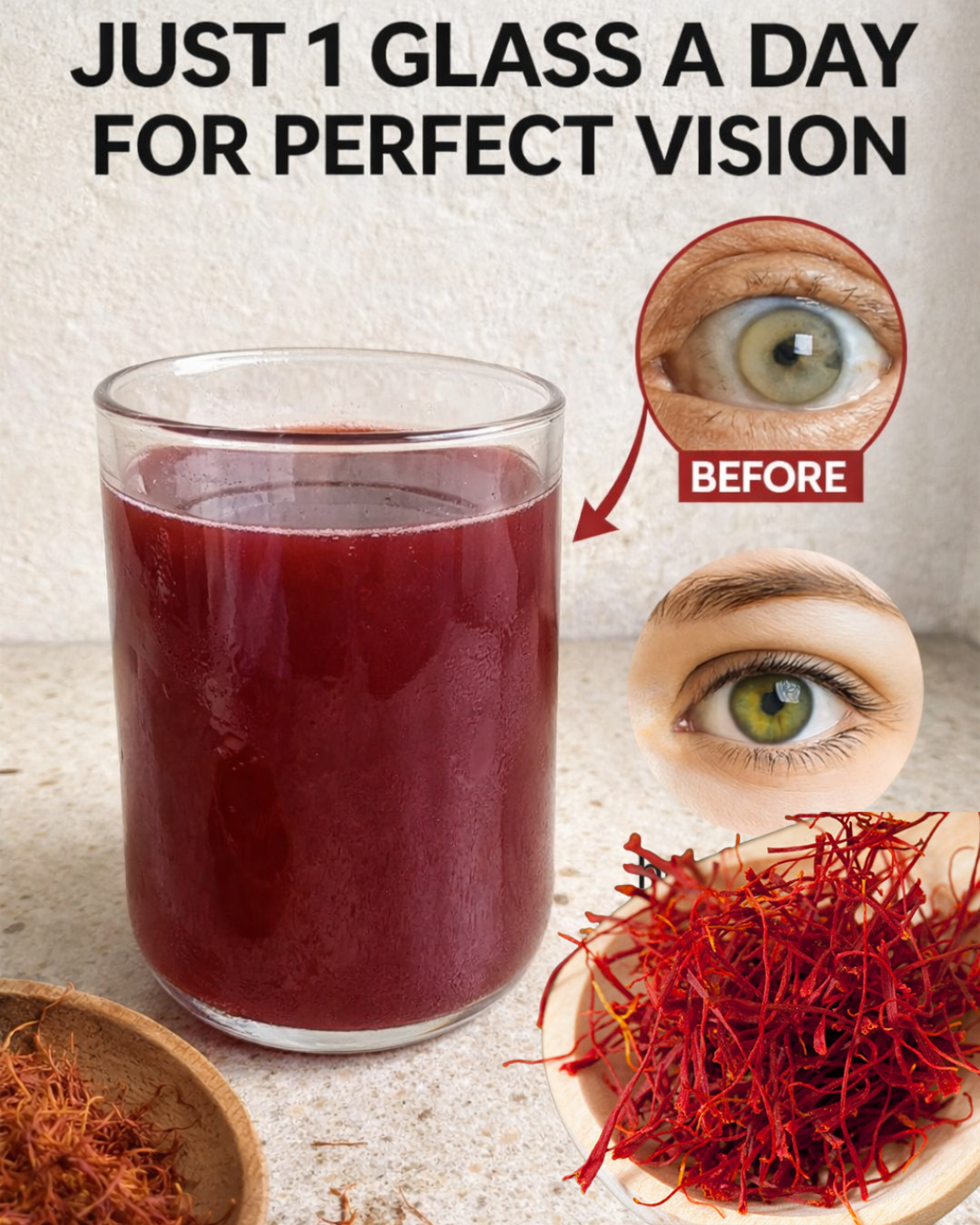
Why Vision Changes Become More Common After Age 50
As we age, the macula—the central part of the retina responsible for sharp, detailed vision—naturally experiences wear and tear. Oxidative stress from daily light exposure and environmental factors can build up over time.
Research shows that about 12-13% of Americans aged 40 and older live with some form of age-related macular changes, with rates climbing significantly after 50. Many people don’t notice early signs until they affect reading, driving, or recognizing faces.
Common supplements like lutein and zeaxanthin have been studied for years, but recent attention has turned to saffron’s unique compounds, such as crocin and crocetin. Here’s what studies reveal about its potential role.
Key Ways Research Suggests Saffron Supports Eye Health
Scientists have explored saffron in several clinical trials, focusing on its antioxidant and neuroprotective properties. Here are some notable areas of interest:
Supports Retinal Function in Early Macular Changes
Multiple studies, including randomized trials from universities in Italy and Australia, have found that daily saffron supplementation (around 20-30 mg) was associated with improvements in retinal flicker sensitivity and electrical responses in people with early age-related macular changes. Participants often saw modest gains in visual function over 3-12 months.
One long-term follow-up showed these benefits sustained over time, with preserved multifocal electroretinogram responses.
May Help Protect Against Daily Light Exposure
Lab research indicates that crocin, a key component in saffron, helps shield retinal cells from damage caused by blue and white light in cell models. This is relevant since screens and sunlight contribute to ongoing eye stress.
Contributes to Overall Antioxidant Support
Saffron’s compounds act as free radical scavengers, potentially reducing inflammation in the eye. Reviews of trials note improvements in contrast sensitivity and visual acuity in some participants.
Potential Role in Dry Eye Comfort
Animal models of dry eye have shown saffron reducing inflammation and improving corneal health, though more human studies are needed.
Builds on Established Nutrients
Some research suggests saffron’s effects may complement popular carotenoids like lutein and zeaxanthin, which are known to boost macular pigment optical density (MPOD)—a measure of protective pigments in the retina.
Here’s a quick comparison based on common research findings:
| Nutrient/Source | Typical Daily Amount Studied | Key Research Focus | Potential Benefits Noted |
|---|---|---|---|
| Lutein/Zeaxanthin | 10-20 mg | Macular pigment density | Filters blue light, supports contrast |
| Bilberry Extract | Varies | Circulation and night vision | Antioxidant support |
| Standard Eye Vitamins | Mixed formulas | General antioxidant blend | Broad nutrient support |
| Saffron | 20-30 mg | Retinal function and sensitivity | Neuroprotection, flicker response |
But that’s not all—researchers continue to explore how absorption plays a key role.
Practical Tips to Incorporate Saffron into Your Routine
If you’re curious about saffron, start with high-quality sources. Look for pure threads from reputable regions like Persia or Kashmir.
Simple Step-by-Step Guide:
- Use 6-8 saffron threads daily (about 20 mg).
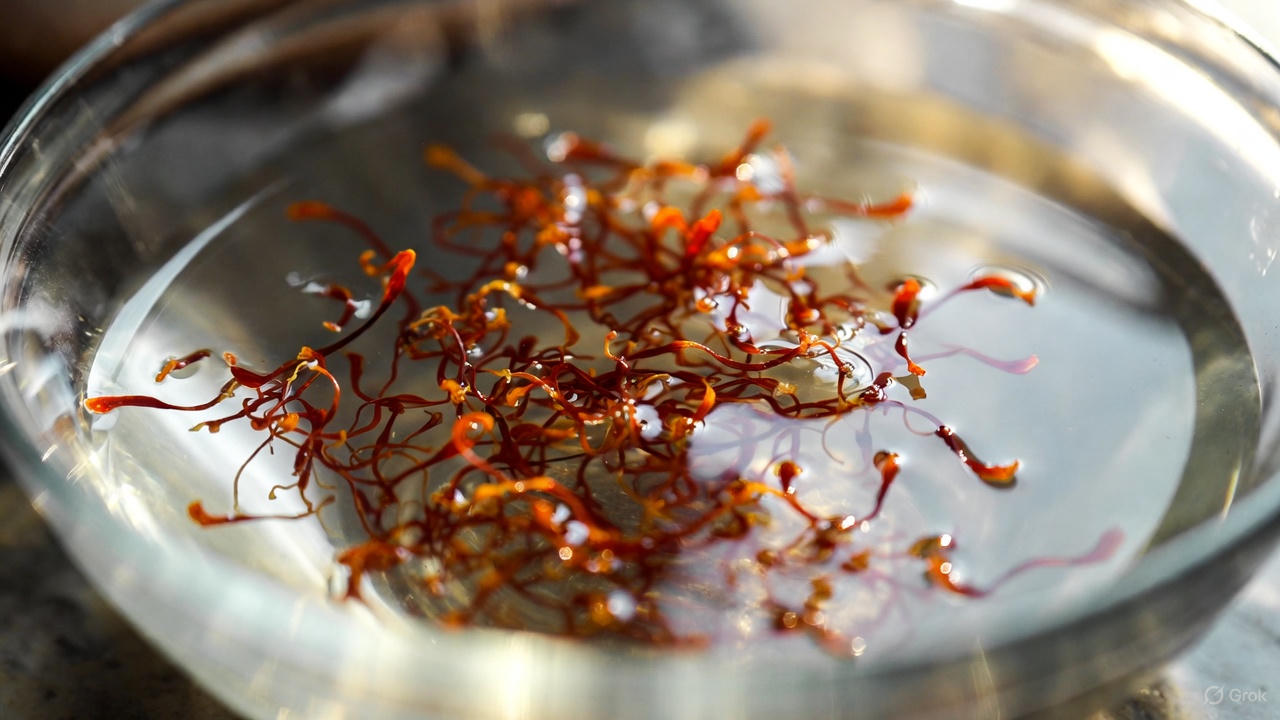
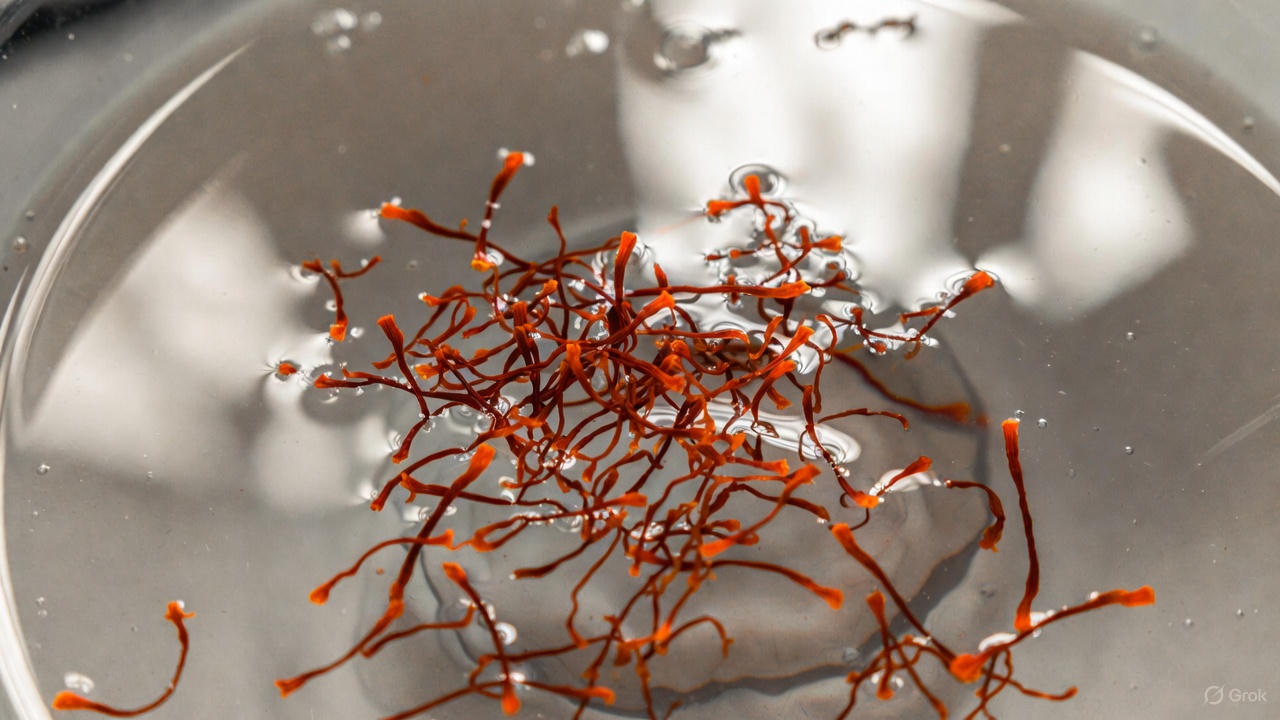
- Soak threads in warm water, milk, or tea overnight for better absorption.
- Pair with a small amount of healthy fat, like olive oil or ghee, as studies suggest this enhances bioavailability.
- Add to meals: Infuse in rice, soups, or herbal teas for a subtle flavor.
Consistency matters—most studies looked at daily use over several months.
Always choose tested, pure products to avoid contaminants.
What Real Research Participants Have Reported
In trials, many noted subjective improvements like clearer distance vision or reduced glare. For example, one study highlighted better reading ability and low-light comfort after longer-term use.
Of course, results vary, and these are from controlled settings.
Summing It Up: A Promising Area for Eye Health Support
Research on saffron highlights its potential as a natural antioxidant that may support retinal health, especially in aging eyes. Combined with a balanced diet rich in greens and other nutrients, it could be a helpful addition for many.
The most exciting part? Ongoing studies continue to uncover how everyday habits—like adding a pinch of this golden spice—might contribute to long-term vision wellness.
Frequently Asked Questions
1. How much saffron is typically used in eye health studies?
Most clinical trials use 20-30 mg per day, equivalent to a small pinch of high-quality threads.
2. Can saffron replace my regular eye supplements?
No—it’s often studied alongside nutrients like lutein. Think of it as complementary support.
3. Is saffron safe for daily use?
In study doses, it appears well-tolerated, but check for quality and consult your doctor if you have conditions or take medications.
Disclaimer: This article is for informational purposes only and is not intended as medical advice. Supplements are not proven to prevent, treat, or cure any disease. Always consult your eye care professional or healthcare provider before starting any new supplement, especially if you have existing eye conditions or take medications.
(Word count: approximately 1,250)