Many people face everyday challenges like feeling low on energy, dealing with minor discomforts from daily stress, or struggling to maintain a sense of balance in their routines. These small hurdles can build up, making it tougher to stay active, focused, and enjoying the little things in life. Fortunately, exploring natural ways to incorporate fresh produce into your diet, such as homemade juice blends, can be a simple and enjoyable step toward feeling more refreshed and supported in your daily wellness efforts. And by the end of this guide, you’ll uncover an unexpected twist on juicing that could make your blends even more effective—keep reading to find out.
Getting Started with Homemade Juice Blends
Before diving into specific recipes, let’s cover the basics of juicing at home. Juicing involves extracting the liquid from fruits and vegetables, providing a concentrated source of vitamins, minerals, and other compounds that your body can absorb quickly. Research suggests that incorporating fresh juices into your routine may help increase your intake of essential nutrients, supporting overall vitality.
To begin, you’ll need a juicer or a blender with a straining method. If using a blender, add a bit of water to help with blending, then strain through a nut milk bag or fine mesh sieve for smoother results. Always choose fresh, organic produce when possible to maximize flavor and nutrient content. Wash everything thoroughly to remove any residues.
But that’s not all—aim for an 80/20 rule: 80% vegetables and 20% fruits to keep sugar levels balanced while still enjoying natural sweetness. This approach can make your juices more nutrient-dense and less likely to spike energy levels unpredictably.
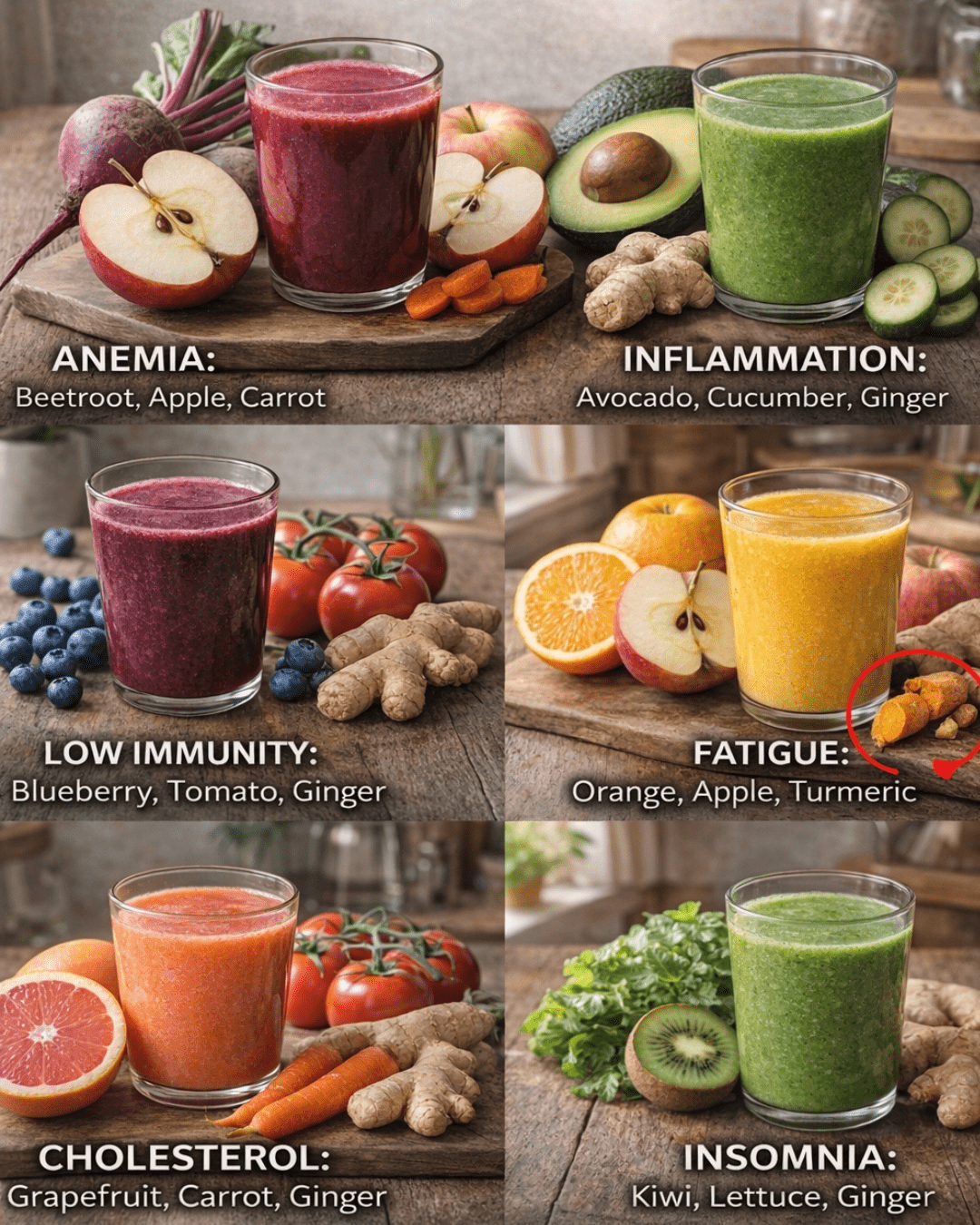
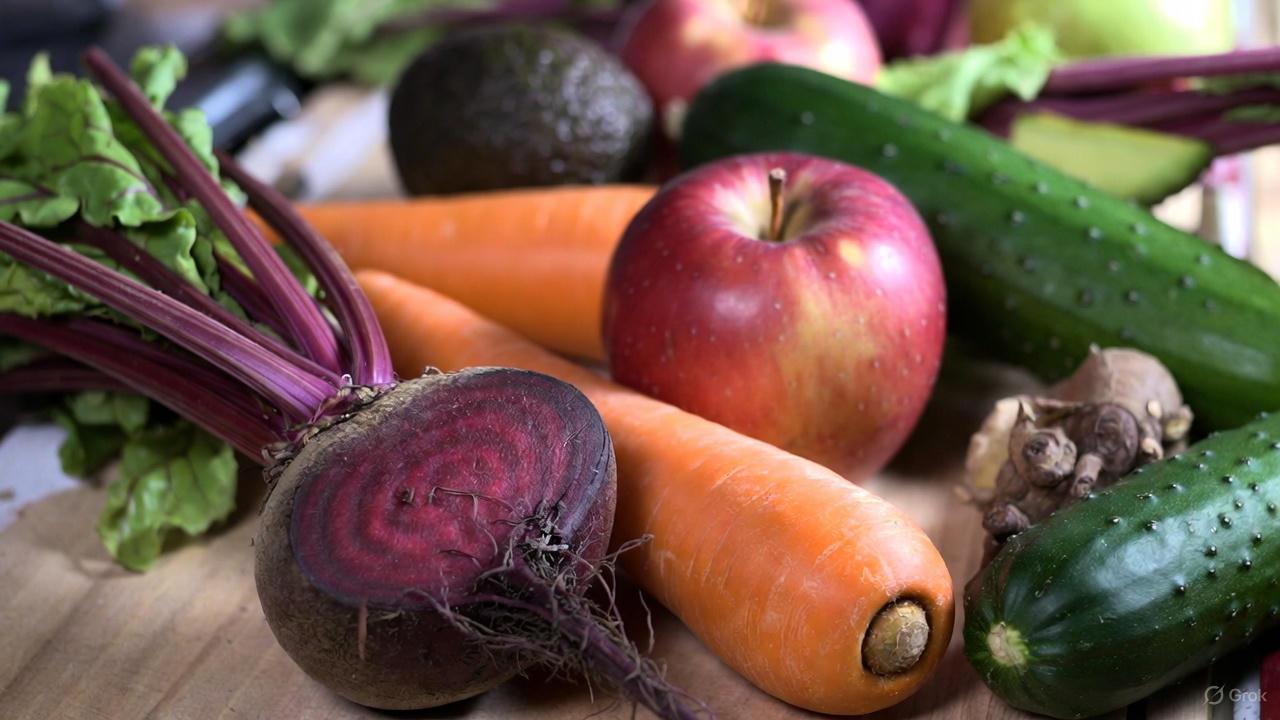
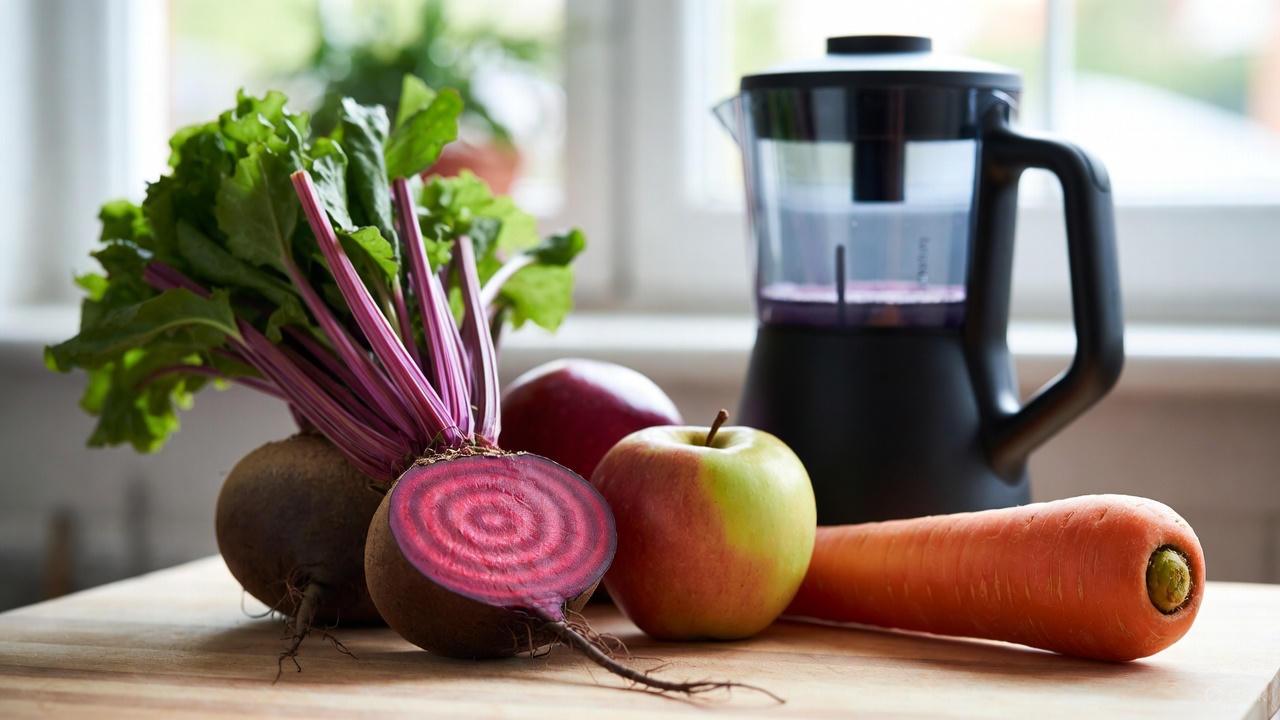
Energizing Beetroot, Apple, and Carrot Blend
This vibrant red blend combines beetroot, apple, and carrot for a naturally sweet and earthy drink. Studies indicate that beetroot contains nitrates and iron, which may play a role in supporting blood health and oxygen transport in the body. Carrots add beta-carotene, known for its antioxidant properties, while apples provide a touch of natural pectin and vitamin C.
Here’s how to make it step by step:
- Wash and chop 1 medium beetroot, 1 apple (cored), and 2 carrots.
- Feed them through a juicer, alternating between softer and harder items for better extraction.
- Stir and enjoy immediately for the freshest taste.
The truth is, this blend can be a great morning starter. Research shows that combining these ingredients may help with nutrient absorption, potentially aiding in maintaining energy levels throughout the day.
Refreshing Avocado, Cucumber, and Ginger Blend
For a creamy green option, try avocado, cucumber, and ginger. Avocado offers healthy fats and anti-inflammatory compounds, as noted in various studies. Cucumber provides hydration and a cooling effect, while ginger adds a spicy kick with potential digestive benefits.
Follow these simple steps:
- Peel and pit half an avocado, slice half a cucumber, and grate a 1-inch piece of ginger.
- Blend with a splash of water if needed, then strain for smoothness.
- Serve chilled for a soothing afternoon pick-me-up.
Here’s the interesting part: This combination might support your body’s natural response to everyday stressors, according to research on ginger’s antioxidant effects.
Boosting Blueberry, Tomato, and Ginger Blend
Blueberries, tomatoes, and ginger create a tangy purple juice packed with flavor. Blueberries are rich in antioxidants like polyphenols, which studies suggest may contribute to immune support. Tomatoes offer lycopene, and ginger enhances the mix with its warming properties.
To prepare:
- Rinse 1 cup blueberries, 2 tomatoes, and a 1-inch ginger root.
- Juice them together, starting with the softer fruits.
- Add a squeeze of lemon if desired for extra zest.
Sự thật là, incorporating such blends could help increase your daily antioxidant intake, as evidenced by reviews on common immunity-boosting foods.
Revitalizing Orange, Apple, and Turmeric Blend
This golden blend features orange, apple, and turmeric for a citrusy twist. Oranges supply vitamin C, apples add fiber-like benefits, and turmeric contains curcumin, which research links to anti-inflammatory potential.
Step-by-step guide:
- Peel 2 oranges, core 1 apple, and grate 1 teaspoon fresh turmeric (or use ½ tsp powder).
- Juice or blend, then strain.
- Drink fresh to capture the vibrant flavors.
But wait, there’s more—this might be particularly helpful for those looking to maintain steady energy, with studies highlighting turmeric’s role in metabolism.
Balancing Grapefruit, Carrot, and Ginger Blend
Grapefruit, carrot, and ginger make a zesty orange elixir. Grapefruit provides pectin, potentially aiding in cholesterol management per some findings. Carrots contribute vitamins, and ginger supports digestion.
How to whip it up:
- Halve 1 grapefruit, peel 2 carrots, and slice a 1-inch ginger.
- Process in your juicer.
- Enjoy as a mid-morning refresher.
The key here is consistency; regular intake of such nutrient-rich drinks may support heart health routines, as suggested by beverage studies.
Calming Kiwi, Lettuce, and Ginger Blend
End your day with kiwi, lettuce, and ginger for a mild green juice. Kiwis are high in vitamin C and serotonin precursors, which may promote relaxation based on research. Lettuce contains lactucin, potentially aiding sleep quality, and ginger adds a gentle spice.
Easy preparation:
- Peel 2 kiwis, wash 4 lettuce leaves, and grate ginger.
- Juice gently to preserve nutrients.
- Sip an hour before bedtime.
This is the fun part: Small changes like this could enhance your evening wind-down, with studies showing positive effects on rest.
Comparing Nutrient Highlights in These Blends
To help you choose based on your needs, here’s a simple table outlining key nutrients from each blend:
| Blend Name | Key Nutrients | Potential Support Areas (Based on Research) |
|---|---|---|
| Beetroot, Apple, Carrot | Iron, Beta-Carotene, Vitamin C | Blood health, antioxidant protection |
| Avocado, Cucumber, Ginger | Healthy Fats, Hydration, Antioxidants | Hydration, digestive comfort |
| Blueberry, Tomato, Ginger | Polyphenols, Lycopene, Gingerols | Antioxidant boost, immune function |
| Orange, Apple, Turmeric | Vitamin C, Curcumin, Fiber | Energy maintenance, inflammation response |
| Grapefruit, Carrot, Ginger | Pectin, Vitamins A & C, Ginger | Heart support, digestion |
| Kiwi, Lettuce, Ginger | Serotonin Precursors, Lactucin | Relaxation, sleep quality |
These insights come from general studies on the ingredients. Always experiment to find what suits you best.
Tips for Maximizing Your Juicing Experience
- Start small: Begin with one blend per day to see how your body responds.
- Store properly: Fresh juice is best consumed immediately, but it can last up to 24 hours in the fridge in an airtight container.
- Experiment: Add herbs like mint or basil for variety, keeping the focus on natural flavors.
- Clean your equipment: Rinse right after use to prevent buildup.
And remember, pairing juicing with a balanced diet amplifies the benefits.
Wrapping Up Your Juicing Journey
Incorporating these simple natural juice blends into your routine can be a delightful way to explore fresh produce and support your wellness habits. From the energizing beetroot mix to the calming kiwi blend, each offers unique flavors and nutrients to try at home. As promised, here’s that surprising tip: Adding a pinch of black pepper to turmeric-based blends can enhance curcumin absorption, potentially boosting its effects—backed by research on bioavailability. Give it a go and notice the difference.
Frequently Asked Questions
What equipment do I need to start juicing at home?
You’ll need a juicer or high-speed blender with a strainer. Entry-level options work fine for beginners, and tips emphasize fresh produce for best results.
How often should I drink these juice blends?
Aim for 1-2 servings daily as part of a varied diet. Listen to your body and consult a professional if you have specific health considerations.
Can I customize these blends for dietary preferences?
Absolutely—swap ingredients based on availability or allergies, like using lemon instead of orange for a lower-sugar option. Focus on balance for optimal taste.
This article is for informational purposes only. It is not intended to diagnose, treat, or cure any medical condition. Always consult with a healthcare professional before making changes to your diet or wellness routine.