Many adults experience occasional discomfort from minor issues like tooth sensitivity, gum irritation, joint stiffness, or digestive unease as they get older. These everyday challenges can make simple activities feel more difficult and affect overall well-being. While over-the-counter options provide temporary support for some, others look for natural alternatives from household ingredients.
What if something as simple as whole cloves from your spice cabinet could be turned into a homemade infused oil with traditional uses backed by research? Keep reading to uncover the details—and a straightforward recipe you’ll wish you knew sooner.

What Is Clove-Infused Oil and Why Consider Making It Yourself?
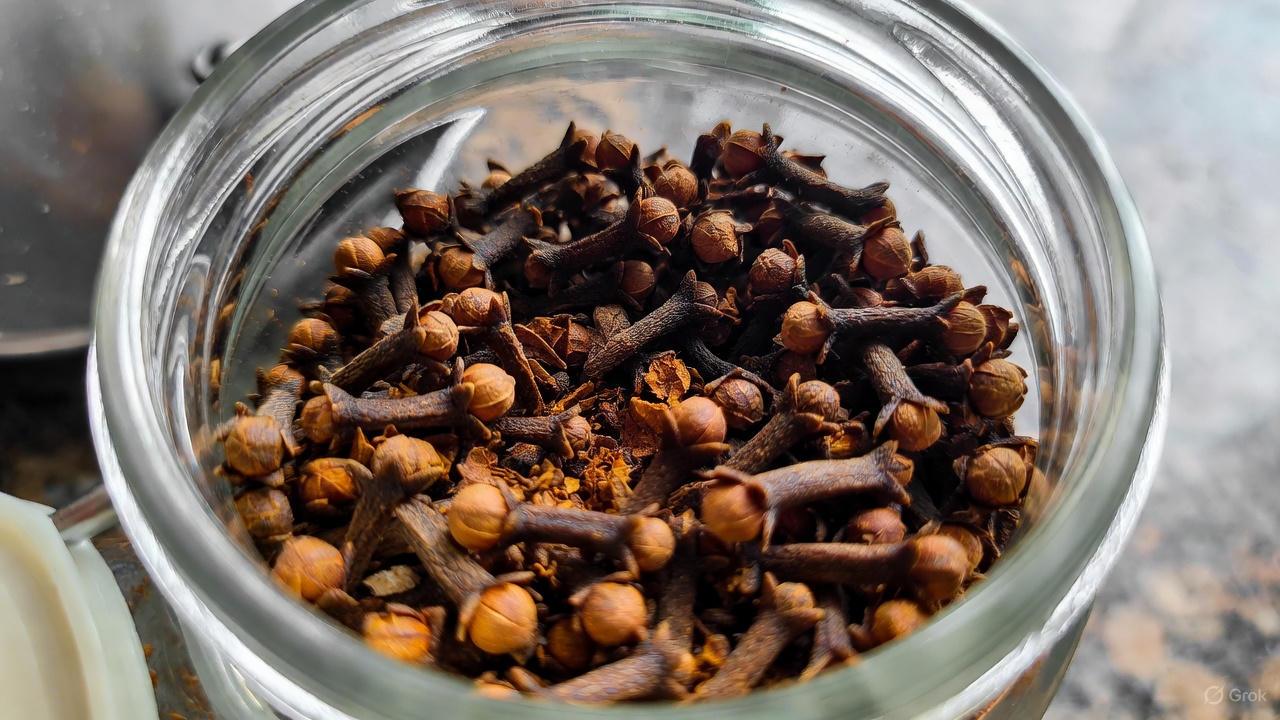
Cloves are the dried flower buds of the Syzygium aromaticum tree, commonly used as a spice. They contain a natural compound called eugenol, which has been studied for its potential properties.
Research, including reviews published on PubMed, indicates that eugenol contributes to antioxidant, antibacterial, and anti-inflammatory effects in lab and animal studies. The FDA recognizes eugenol as generally recognized as safe (GRAS) when used appropriately in small amounts.
Making a clove-infused oil at home involves steeping whole cloves in a carrier oil, like olive oil. This creates a mild infusion that people have used traditionally for various purposes. It’s inexpensive, uses readily available ingredients, and lets you control the process.
But that’s just the beginning…
Potential Benefits Supported by Research
Studies have explored the properties of clove oil and eugenol. Here’s what some research suggests:
- Support for Oral Comfort: Eugenol has a numbing effect in dental applications. A 2006 study found clove gel comparable to benzocaine for temporary relief. Other research shows antibacterial activity against oral bacteria.
- Antibacterial Properties: Clove oil inhibits various bacteria in lab tests, including strains linked to infections (per multiple PubMed studies).
- Anti-Inflammatory Effects: Eugenol may reduce inflammation markers in cell and animal models, similar to some pathways targeted by common medications—but naturally.
- Antioxidant Support: Cloves rank high in antioxidants, potentially helping protect cells from oxidative stress.
- Other Traditional Uses: People report benefits for digestion, headaches, sinuses, and skin, though more human studies are needed.
Here’s a quick comparison of traditional vs. store-bought options:
| Aspect | Homemade Clove-Infused Oil | Commercial Clove Oil |
|---|---|---|
| Cost | Low (uses pantry items) | Higher |
| Concentration | Milder, customizable | Often stronger |
| Ingredients | Natural carrier oil + cloves | May include additives |
| Ease of Making | Simple, no special tools | Ready to use |
| Customization | Adjust strength easily | Fixed |
The real appeal? You can start with what you already have.
Step-by-Step Guide: How to Make Clove-Infused Oil Safely at Home
This cold infusion method is gentle and effective. It takes minimal active time.
Ingredients (for about 1 cup):
- 1/2 cup organic whole cloves (not ground, for best extraction)
- 1 cup carrier oil (extra-virgin olive oil or jojoba oil works well)
Tools:
- Clean glass jar with tight lid
- Dark glass dropper bottle for storage
- Cheesecloth or fine strainer
Instructions:
- Lightly crush the whole cloves with a mortar and pestle or the back of a spoon—this helps release compounds without making it too powdery.
- Place the crushed cloves in the clean glass jar.
- Pour the carrier oil over the cloves until fully covered (add more if needed).
- Seal the jar tightly and store in a cool, dark place.
- Shake gently daily for 2–4 weeks to infuse.
- Strain through cheesecloth into a dark bottle. Label with date.
- Store in a cool, dark spot—it can last 6–12 months.
Tips for best results:
- Use organic cloves if possible.
- Always patch-test on skin first.
- Dilute further if needed for sensitive areas.
This method avoids heat, preserving delicate compounds.
Ways People Commonly Use Homemade Clove-Infused Oil
Here are popular, research-inspired applications (always dilute and test first):
- For oral comfort: Apply a drop or two to a cotton swab on gums.
- For joints: Gently massage diluted oil into stiff areas.
- For digestion: Add a drop to warm tea (consult a professional first).
- For skin: Mix with a carrier for antioxidant support.
- For headaches: Rub diluted on temples.
Research notes eugenol’s potential in these areas, but individual results vary.
Safety Precautions and Important Notes
Clove-infused oil is potent—use sparingly.
- Dilute always; undiluted can irritate skin or mucous membranes.
- Avoid ingestion in large amounts; small topical use is common.
- Not for children, pregnant/nursing individuals, or those on blood thinners without advice.
- Possible allergies: Test on inner arm first.
- Overuse may cause sensitivity.
Studies show eugenol safe in low doses but toxic in high amounts (e.g., pure oil overdose risks liver issues).
Frequently Asked Questions (FAQ)
1. How long does homemade clove-infused oil last?
Properly stored in a dark glass bottle away from heat/light, up to 6–12 months. Discard if it smells rancid.
2. Can I use ground cloves instead of whole?
Whole cloves are better for clean infusion; ground can make it gritty and harder to strain.
3. Is homemade version as strong as pure clove essential oil?
No—homemade is milder and safer for beginners. Essential oil is highly concentrated and requires more caution.

Final Thoughts
Turning whole cloves into a homemade infused oil is a simple, time-honored practice rooted in tradition and supported by scientific interest in eugenol’s properties. Many find it a helpful addition to their natural wellness routine.
Remember, this is informational only. It’s not a substitute for professional medical or dental advice. Always consult your healthcare provider before trying new remedies, especially with existing conditions or medications.
This article is for educational purposes and does not diagnose, treat, or cure any condition. Individual experiences vary.