Garlic has been a kitchen staple for generations, loved for its bold flavor and the way it enhances everyday meals. Many people over 50 enjoy adding it to their cooking, yet they often wonder if they’re getting the most from this familiar ingredient. The good news is that small adjustments in how you prepare and use garlic can make a noticeable difference in your daily routine.
But that’s not the whole story. There’s one surprising tip that many overlook, and it could change how you approach garlic altogether. Keep reading to uncover it toward the end.
Why Garlic Is a Popular Choice for Many Adults
Garlic contains natural compounds like allicin, which forms when you chop or crush the cloves. Research suggests that these compounds contribute to garlic’s appeal in supporting overall wellness.
Studies, including reviews from sources like Healthline and the National Institutes of Health, indicate that regular garlic consumption may support heart health by helping maintain healthy blood pressure and cholesterol levels already within normal range. It also shows potential for boosting immune function, as some trials have linked it to fewer common colds.
For those over 50, incorporating garlic into meals aligns with a balanced diet rich in vegetables. It’s a simple way to add flavor without extra salt or processed ingredients.
But here’s the catch: not all preparation methods are equal. Let’s explore some common habits that might limit garlic’s potential.
Common Habits That Might Reduce Garlic’s Benefits
Many people love garlic, but certain everyday practices can diminish its natural compounds.
Overcooking Garlic at High Heat
Adding garlic early in cooking exposes it to prolonged heat, which can break down allicin quickly. Research shows that high temperatures neutralize the enzyme responsible for forming beneficial sulfur compounds.
A better approach: Add chopped garlic toward the end of cooking for just a minute or two.

Not Letting Chopped Garlic Rest
Rushing to cook garlic right after chopping skips an important step. The reaction that produces allicin needs time to fully develop.
Studies recommend letting crushed or minced garlic sit for 10 minutes before using it. This simple pause allows the enzyme alliinase to work effectively.
Eating Too Much at Once
While garlic is enjoyable, large amounts—especially raw—can lead to digestive discomfort like bloating or heartburn for some people.
Most experts suggest sticking to 1-2 cloves per day as a reasonable amount for most adults.
Here’s a quick comparison of preparation methods:
| Method | Allicin Preservation | Flavor Intensity | Ease of Use |
|---|---|---|---|
| Raw, rested 10 minutes | High | Strong | Moderate |
| Lightly sautéed late | Moderate | Mild | Easy |
| Overcooked early | Low | Mild | Easy |
| Supplements | Varies | None | Very Easy |
Practical Tips for Incorporating Garlic into Your Daily Meals
Making garlic a regular part of your diet doesn’t have to be complicated. Here are actionable steps to try right away.
Step-by-Step: Preparing Garlic to Maximize Its Natural Compounds
- Peel fresh cloves and chop, mince, or crush them using a knife or press.
- Spread the prepared garlic on a plate and let it rest for 10-15 minutes at room temperature.
- Add it to your dish—raw for salads or dressings, or lightly cooked in soups and stir-fries.
This method is backed by food science research showing enhanced formation of beneficial compounds.
Easy Ways to Add Garlic Daily
- Raw options: Mix minced, rested garlic into yogurt dips, guacamole, or homemade salad dressings.
- Cooked ideas: Stir into roasted vegetables, pasta sauces, or scrambled eggs at the last moment.
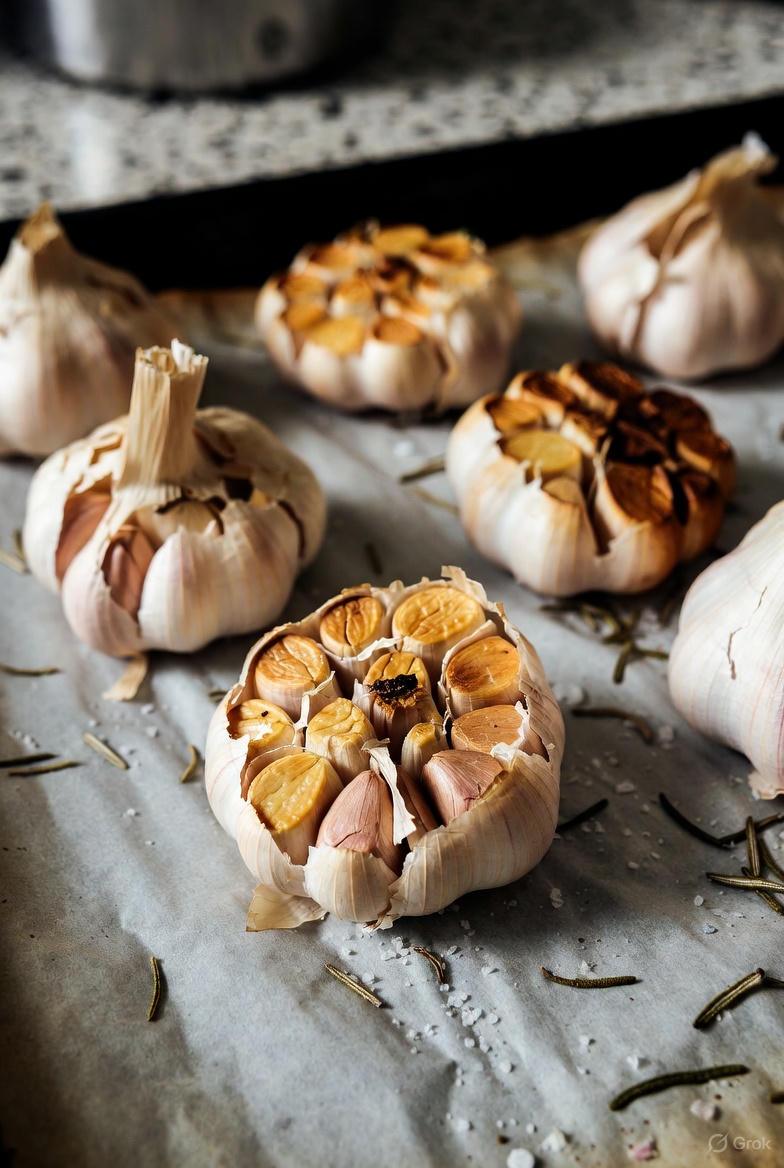
- Simple snack: Spread roasted garlic on whole-grain toast for a mellow flavor.
But that hasn’t been all… Many find that combining garlic with other ingredients enhances enjoyment without overpowering the dish.
Bullet-Point Ideas for Variety
- Drizzle olive oil over rested minced garlic for a quick bread dip.
- Blend with herbs like parsley or basil for a fresh pesto variation.
- Add to soups or stews in the final minutes for subtle depth.
- Try fermented garlic honey: Mix rested chopped garlic with honey and let it sit for a week (refrigerate after).
- Roast whole bulbs at low heat for a spreadable, sweeter version.
These habits keep meals interesting while making garlic a consistent part of your routine.
Additional Considerations for Enjoying Garlic Safely
Garlic is generally well-tolerated in food amounts, but some people experience side effects like bad breath, body odor, or mild stomach upset.
Raw garlic can be stronger on the digestive system, so start small if you’re new to it.
Research also notes that garlic may interact with certain medications, such as blood thinners, due to its natural effects on clotting. Always check with your healthcare provider if you’re on any prescriptions.
For those with sensitive stomachs, cooked garlic is often gentler.
And here’s the surprising tip many miss: Letting garlic rest after chopping isn’t just for flavor—it’s key to unlocking more of its natural potential. Try it in your next meal and notice the difference.
Frequently Asked Questions About Garlic
How much garlic is reasonable to eat each day?
Most adults enjoy 1-2 cloves daily without issues. Listen to your body and adjust as needed.
Is raw or cooked garlic better?
Both have merits. Raw, properly prepared, retains more heat-sensitive compounds, while cooked is easier to digest and milder in taste.
Can garlic help with seasonal wellness?
Some studies suggest regular consumption supports immune health, but it’s not a substitute for other healthy habits like handwashing and balanced nutrition.
In Summary
Garlic is a versatile ingredient that can easily fit into daily meals for adults over 50. By focusing on fresh preparation—like letting it rest after chopping—and moderate portions, you can make the most of its flavor and natural properties. Experiment with the tips shared here to find what works best for you.
Disclaimer: This article is for informational purposes only and is not intended to diagnose, treat, cure, or prevent any disease. Always consult with a qualified healthcare professional before making changes to your diet, especially if you have health conditions or take medications.