Discolored, thickened nails can feel frustrating and impact daily comfort, especially when wearing open shoes or during warmer months. Many people notice changes like brittleness or yellowing over time, often wondering about gentle ways to support healthier-looking nails. What if everyday ingredients could offer a natural approach worth exploring—keep reading to discover one option that has caught attention.
Understanding Common Nail Changes and Discoloration
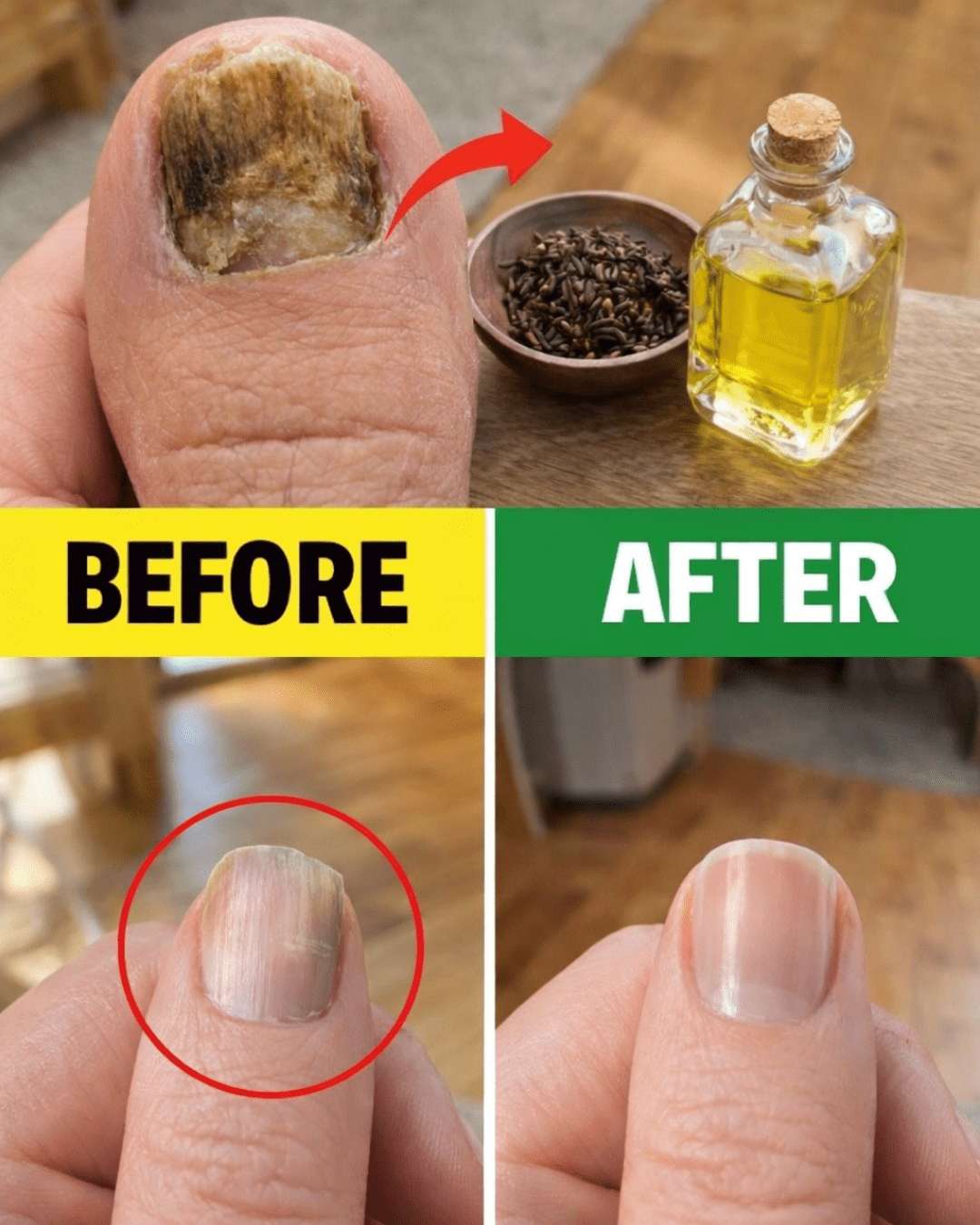
Nail discoloration and thickening are common concerns, affecting millions of adults. Studies estimate that up to 14% of people in the United States may experience fungal-related nail issues at some point, with higher rates among those over 70.
These changes often stem from fungi thriving in warm, moist environments, like inside shoes. Early signs include yellowing, brittleness, or separation from the nail bed.
But here’s the interesting part: Many conventional options, such as creams or oral medications, can take months to show effects and sometimes come with drawbacks like skin irritation.
That’s why more people are curious about natural ingredients with reported antifungal properties.
What Research Says About Natural Oils and Nail Support
Certain essential oils have been studied for their potential antifungal effects in lab settings.
- Tea Tree Oil: Contains terpinen-4-ol, a compound researched in journals like Mycoses for its activity against dermatophytes (fungi common in nail issues). Some older studies showed promise when applied topically, though results vary.
- Clove Oil: Rich in eugenol, which lab research in the Journal of Medical Microbiology indicates may inhibit fungal growth, including against Candida and dermatophytes.
- Coconut Oil: Provides caprylic acid, a fatty acid with noted antifungal properties in studies, helping to moisturize while potentially supporting against yeast-like fungi.
Research suggests these oils may work better together due to synergy, aiding penetration into the nail area. However, evidence from human trials is limited and mixed—always approach with realistic expectations.
Here’s a quick comparison of common approaches:
| Approach | Potential Benefits | Drawbacks |
|---|---|---|
| Over-the-Counter Creams | Convenient, targeted application | May cause irritation, slow results |
| Oral Medications | Systemic action | Possible side effects, monitoring needed |
| Natural Oil Mixes | Gentle, moisturizing | Requires consistency, variable outcomes |
The truth is, no option works for everyone… but natural mixes are popular for their accessibility.
A Simple 3-Ingredient Mix to Try at Home
This blend uses ingredients available at most health stores. Many find it easy to prepare and apply.
Ingredients (for about 1 oz):
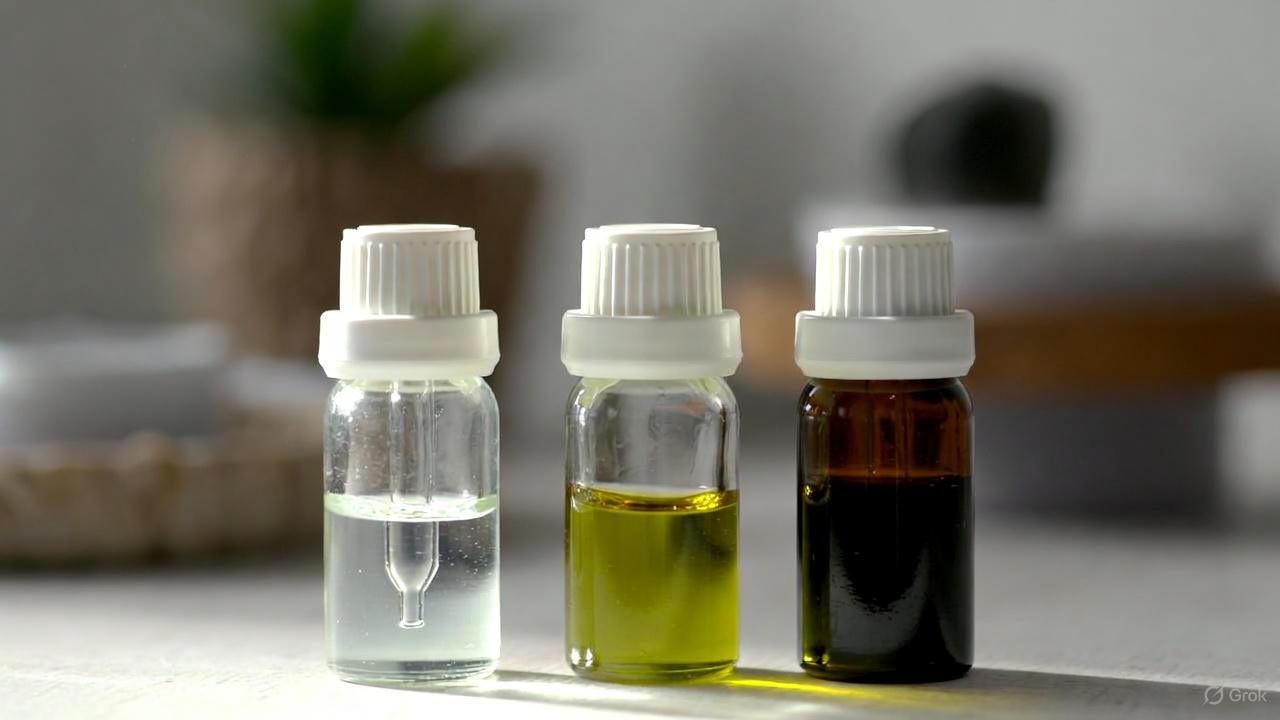
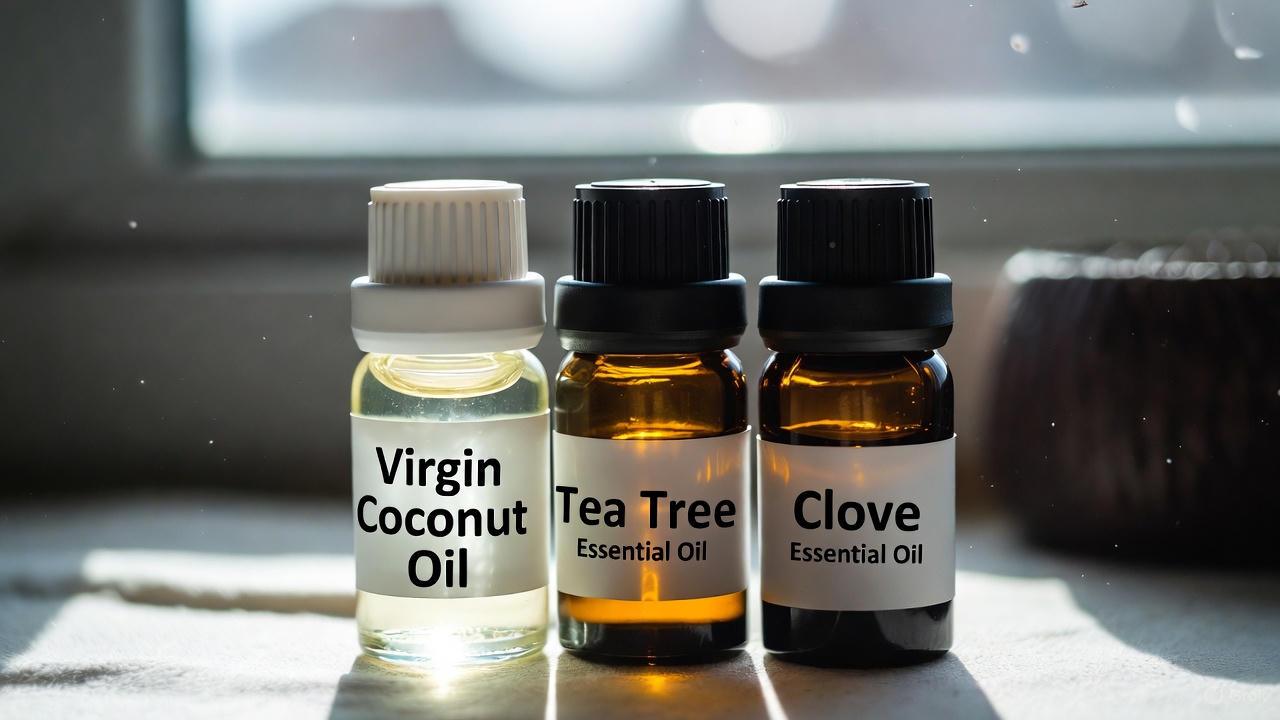
- 1 oz (30 ml) virgin coconut oil (as a base and moisturizer)
- 10 drops tea tree essential oil
- 5 drops clove essential oil
- Optional: A few drops of another antifungal oil like oregano for added support
Step-by-Step Preparation:
- If solid, gently warm the coconut oil in a bowl over hot water (avoid direct heat).
- Let it cool slightly to avoid degrading the essential oils.
- Add the tea tree and clove drops.
- Mix well with a clean spoon.
- Transfer to a dark glass bottle for storage in a cool spot.
How to Apply:
- Clean and dry the nails thoroughly first.
- Use a cotton swab or dropper to apply a small amount to the nail and surrounding skin.
- Massage gently for better absorption.
- Repeat 2-3 times daily.
- For enhanced penetration, try after a warm soak.
Consistency is key—nails grow slowly, so give it weeks to months.
Bonus: Trim nails short and file gently to help any topical reach deeper.
Tips for Better Nail Hygiene and Prevention
Supporting nail health goes beyond one mix. Here are practical habits:
- Keep feet dry and change socks often.
- Choose breathable shoes and alternate pairs.
- Disinfect clippers and avoid sharing tools.
- Wear flip-flops in public showers or pools.
- Moisturize cuticles to prevent cracks.
Small changes like these can make a big difference over time.
Real Experiences and What to Expect
Many share stories of gradual improvements with consistent natural oil use, like clearer growth from the nail base after weeks.
One study on a similar blend with tea tree and other oils noted positive changes in mild cases.
But remember, individual results vary—factors like severity and duration play a role.
The most exciting part? These ingredients are generally well-tolerated when diluted properly.
Safety Considerations and When to Seek Advice
Always do a patch test: Apply a diluted drop to your inner arm and wait 24 hours for any reaction.
Mild tingling is common, but stop if irritation occurs and dilute further.
Avoid if pregnant, nursing, or on broken skin without guidance.
If no changes after several weeks or if pain/worsening occurs, consult a healthcare professional—nail issues can sometimes signal other concerns.
Frequently Asked Questions
1. How long might it take to notice changes in nail appearance?
Nails grow about 1 mm per month for toes, so visible improvements often take 3-6 months or longer with consistent use.
2. Can this mix be used on fingernails too?
Yes, the same application works, though fingernails grow faster, potentially showing changes sooner.
3. Are essential oils safe for everyone?
Most are when diluted, but some people may be sensitive. Always patch test and consult a doctor if you have conditions or take medications.
In summary, exploring natural options like this 3-ingredient mix can be a gentle way to support nail health alongside good hygiene. Patience and consistency often yield the best outcomes.
This article is for informational purposes only and is not intended to diagnose, treat, or prevent any condition. Results vary, and natural remedies may not be effective for everyone. Please consult a healthcare professional before trying new approaches, especially if you have underlying health issues.