Many people notice changes in their skin as they age, like dryness, dullness, or uneven texture that can make daily routines feel frustrating. These shifts often come from natural factors such as reduced moisture retention and slower cell turnover, leaving skin feeling less vibrant and more tired by the end of the day. It’s completely understandable to want gentle ways to support your skin’s natural glow without harsh products or complicated steps.
But here’s the good news: simple, everyday ingredients from your kitchen might offer a refreshing bedtime ritual that leaves your skin feeling softer and brighter by morning. Keep reading to discover one popular approach that’s easy to try at home—and why it’s worth approaching with care.
What Makes Overnight Skincare Rituals So Appealing?
Nighttime is when your skin naturally focuses on repair and renewal. A gentle routine can support this process by providing hydration and mild exfoliation while you sleep.
Research shows that consistent moisturizing and protecting the skin barrier are key for maintaining a healthy complexion. Ingredients like natural oils help lock in moisture, while mild exfoliants can remove buildup without over-stripping.
That’s where homemade options come in. They’re affordable, customizable, and let you control exactly what touches your skin.
But not all popular ideas are equally gentle. Some trending remedies, like those heavily featuring baking soda, have mixed feedback from experts—we’ll dive into that next.
Understanding Baking Soda in Skincare: The Facts You Need
Baking soda (sodium bicarbonate) is a common household item often praised online for its exfoliating properties. It can help buff away dead skin cells and absorb excess oil, which might leave skin feeling smoother temporarily.
Some studies and anecdotal reports suggest it has mild antibacterial effects, potentially helpful for occasional spot treatments.
However, dermatologists frequently caution against regular use on the face. Baking soda has a high pH (around 9), while skin is naturally slightly acidic (pH 4.5–5.5). This mismatch can disrupt the skin’s protective barrier, leading to dryness, irritation, or sensitivity over time.
Sources like Healthline and dermatologist reviews emphasize patch testing and limiting use to avoid issues. It’s not recommended for everyone, especially those with sensitive or dry skin.
The truth is, while it might provide a quick refresh for some, gentler alternatives often deliver better long-term results without the risks.
A Gentle Homemade Overnight Moisturizing Cream to Try
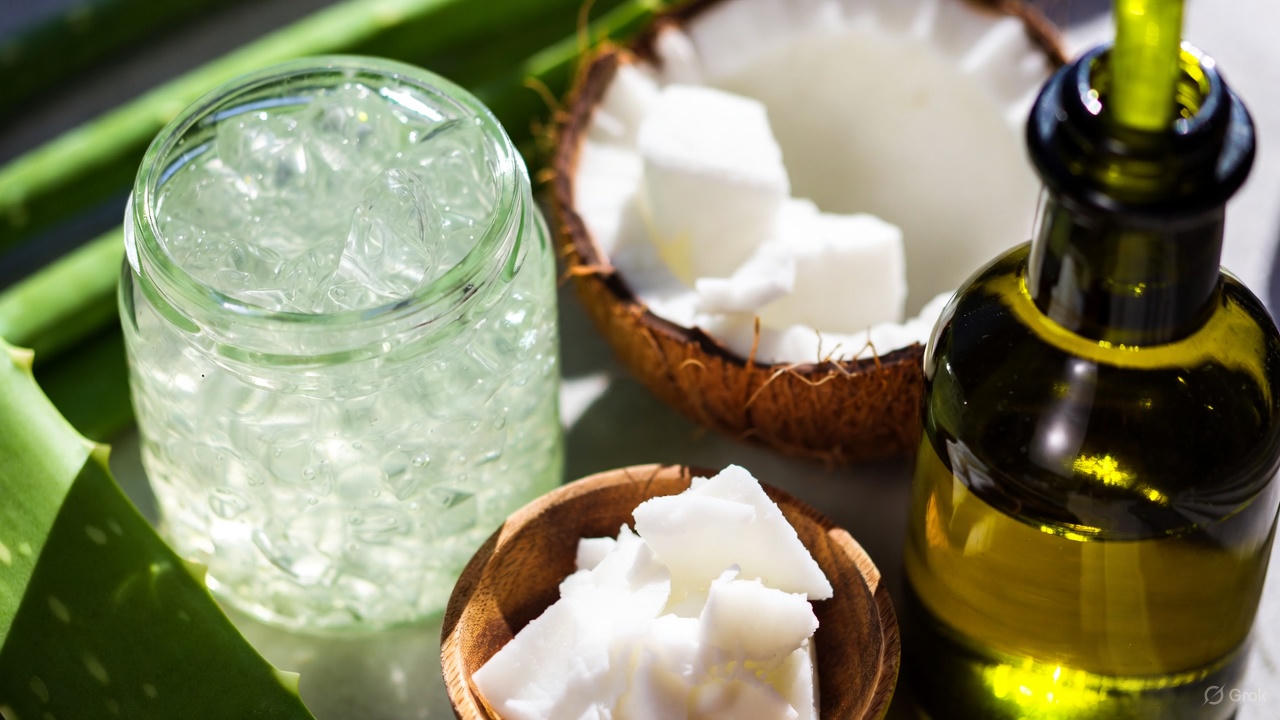
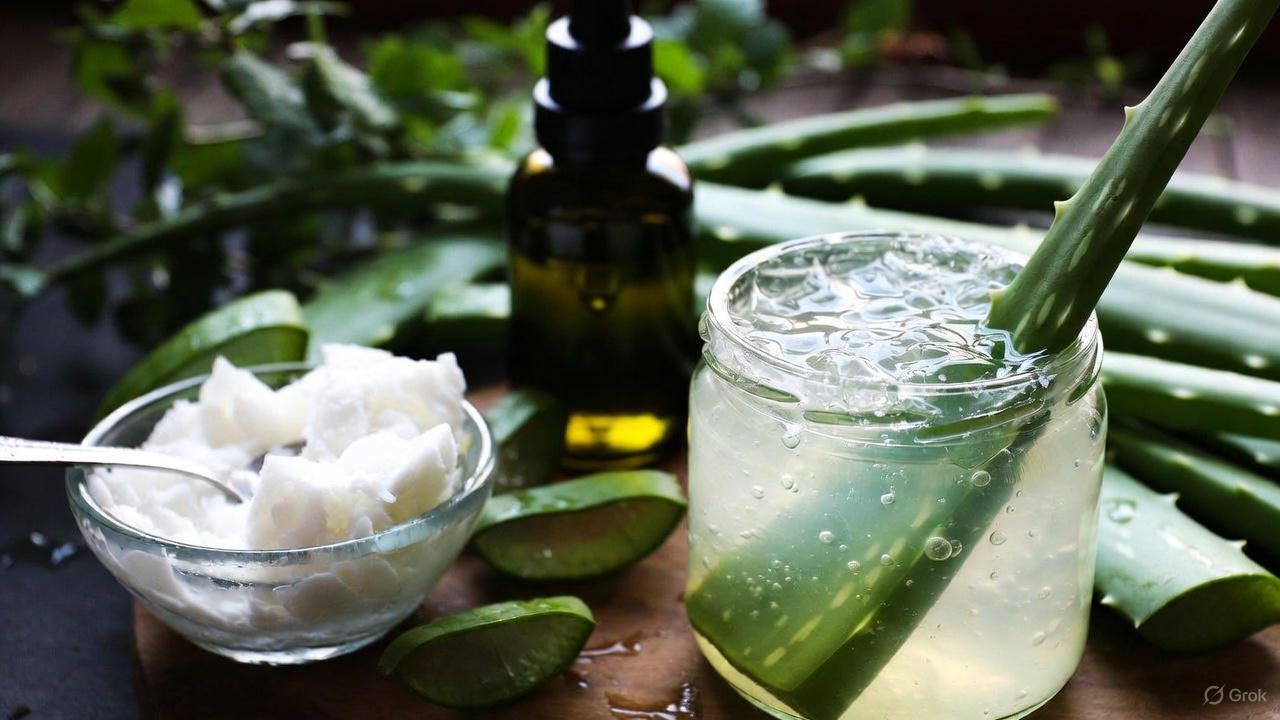
If you’re looking for a soothing bedtime option, focus on hydrating, nourishing ingredients that support the skin barrier. Here’s a simple recipe using common kitchen staples like aloe vera, coconut oil, and olive oil—known for their moisturizing properties.
Ingredients (for about 1/2 cup):
- 1/4 cup aloe vera gel (pure, from a plant or store-bought)
- 2 tablespoons coconut oil (virgin, for natural hydration)
- 1 tablespoon olive oil or almond oil
- Optional: A few drops of vitamin E oil (for extra nourishment) or lavender essential oil (for a calming scent)
Step-by-Step Instructions:
- In a small bowl, gently melt the coconut oil if it’s solid (use low heat or a warm water bath—avoid microwaving to preserve benefits).
- Add the aloe vera gel and olive/almond oil.
- Whisk together until creamy and well combined. If adding extras, stir them in now.
- Transfer to a clean glass jar and store in the fridge (lasts up to 2 weeks).
Apply a thin layer to clean skin before bed, massaging gently. Wake up to skin that feels softer and more hydrated.
This ritual is straightforward and focuses on replenishment rather than abrasion.
Why Hydration Matters More Than You Think
Studies highlight that well-hydrated skin appears plumper and more radiant. Ingredients like coconut oil provide fatty acids that mimic the skin’s natural lipids, while aloe vera soothes and adds lightweight moisture.
- Benefits of regular moisturizing:
- Supports barrier function
- Helps skin feel smoother overnight
- Promotes a brighter appearance over time
- Common gentle ingredients:
- Aloe vera: Cooling and hydrating
- Coconut oil: Deeply nourishing
- Olive oil: Rich in antioxidants
But that’s not all—pairing this with good habits amplifies results.
Tips for Building a Supportive Bedtime Skincare Routine
Start simple to see what your skin responds to best.
- Cleanse gently with a mild wash.
- Apply your homemade cream sparingly.
- Use clean hands or a spatula to avoid contamination.
- Always patch test new mixtures on your inner arm first.
- Follow with sunscreen in the morning—UV protection is non-negotiable.
Here are quick comparisons of popular ingredients:
| Ingredient | Potential Benefit | Best For | Caution |
|---|---|---|---|
| Aloe Vera | Soothes and hydrates | All skin types | Rare allergies |
| Coconut Oil | Locks in moisture | Dry or normal skin | May feel heavy on oily skin |
| Baking Soda | Mild exfoliation | Occasional use only | Can disrupt pH; risk of irritation |
| Olive Oil | Antioxidant-rich nourishment | Mature or dry skin | Use extra virgin for purity |
Consistency is key, but listen to your skin—if something feels off, stop and consult a professional.
Real Experiences and Expert Insights
Many people share positive stories about natural routines leaving their skin feeling refreshed. Dermatologists agree that hydration and gentle care are foundational, with evidence supporting moisturizers for improved texture.
One review notes: “Hydrated skin supports natural renewal processes overnight.”
The most exciting part? You can start tonight with items you likely already have.
Conclusion: Your Skin Deserves Gentle Care
Exploring homemade rituals can be a nurturing way to wind down and support your skin’s natural vitality. Focus on hydration and kindness for the best feel-good results.
Start small, stay consistent, and enjoy the process of discovering what makes your skin happy.
Frequently Asked Questions
Is it safe to leave homemade creams on overnight?
Yes, if they’re made with gentle, skin-friendly ingredients like aloe and oils. Always patch test and avoid anything irritating.
How often should I use a nighttime moisturizer?
Every night as part of your routine for optimal hydration support.
Can these rituals help with dull skin?
Many find that consistent moisture and mild nourishment lead to a brighter, smoother feel over time.
Disclaimer: This information is for educational purposes only and not intended as medical advice. Results vary by individual. Consult a dermatologist or healthcare professional before trying new skincare practices, especially if you have sensitive skin or conditions. Perform a patch test and discontinue if irritation occurs.