Many adults over 60 live independently and manage daily routines with ease. Yet heart disease remains a leading health concern in this age group, and symptoms can appear suddenly without anyone nearby. Delaying action during those critical moments can make a big difference in outcomes. Research shows that quick steps while waiting for help can support better results. But the real key lies in knowing a few straightforward actions ahead of time—and there’s one preparation tip at the end that ties everything together for added peace of mind.
Why Heart Attack Risks Increase After 60—and Why Acting Alone Matters
As we age, arteries naturally narrow over time, and other factors like medications or reduced activity can play a role. Studies indicate that adults over 65 face higher risks, with many living solo making prompt response even more important.
Symptoms in seniors often feel milder or different from classic signs. Shortness of breath, unusual fatigue, nausea, or discomfort in the jaw, back, or arms can signal an issue—sometimes without intense chest pressure. It’s easy to brush these off as normal aging or indigestion.
But here’s the reality: every minute counts because reduced blood flow affects heart muscle. The American Heart Association emphasizes that fast action improves chances significantly. Wondering what practical steps you can take right away? Let’s break them down.
Recognizing Common Symptoms in Seniors Over 60
Before diving into steps, knowing what to watch for helps you act sooner.
Common signs include:
- Discomfort or pressure in the chest, often described as fullness or squeezing
- Shortness of breath, even at rest
- Pain spreading to the arms (especially left), neck, jaw, or back
- Unusual tiredness or weakness
- Nausea, lightheadedness, or cold sweats
- Sudden confusion or dizziness
Research shows these can be subtler in older adults and women. If something feels off and persists, trust your instincts.
7 Practical Steps to Take If Symptoms Strike Alone
These guidelines come from major health organizations like the American Heart Association and align with emergency care recommendations.
1. Call Emergency Services Right Away
The most important step: dial 911 (or your local emergency number) immediately if symptoms feel concerning.
Don’t wait to see if they improve—paramedics can start care en route and guide you over the phone. Studies show calling quickly links to better outcomes.
After calling, unlock your door if possible so help can enter easily.

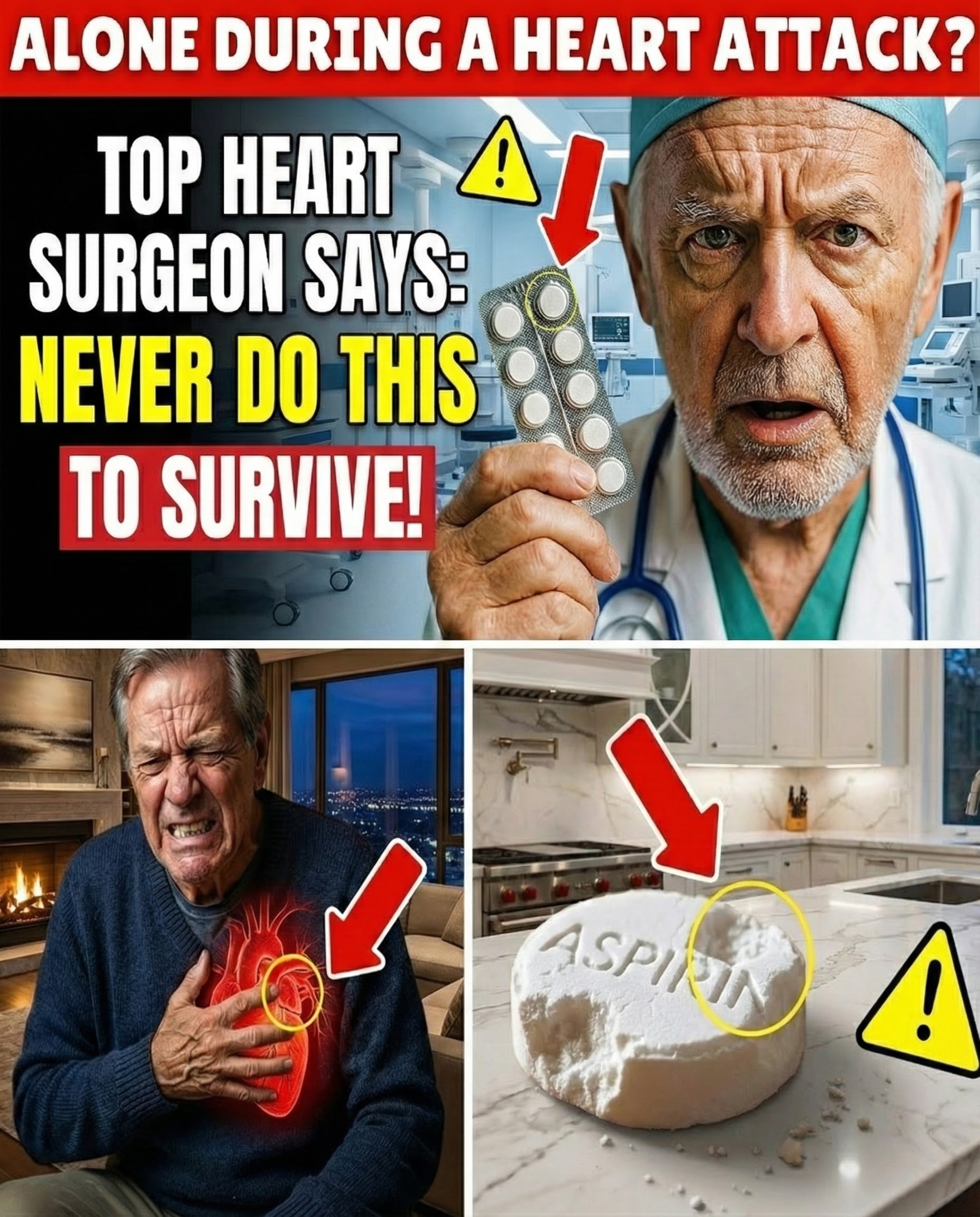
2. Chew Aspirin If Recommended and Safe
If your doctor has advised it before and you’re not allergic, chew a regular-dose (325 mg) uncoated aspirin while awaiting help.
Chewing helps it work faster. Guidelines note this can support blood flow in certain cases, but always confirm with your healthcare provider beforehand—it’s not for everyone.
3. Loosen Clothing and Sit in a Comfortable Position
Remove or loosen tight items around your neck or waist.
Sit upright with back support, perhaps on the floor with knees bent against a wall. This position eases breathing and reduces heart strain compared to lying flat or standing.
Avoid walking around, as it increases demand on the heart.
4. Focus on Calm, Controlled Breathing
Take slow, deep breaths through your nose and out your mouth.
This helps manage anxiety, improves oxygen flow, and lowers stress on the body. Research in cardiac care supports controlled breathing for stability during emergencies.
5. Stay Still and Conserve Energy
Rest quietly without moving much.
Any exertion, even small, requires more from the heart. Staying calm and motionless helps preserve resources until professionals arrive.
6. Keep Your Phone Nearby and Alert Someone If Possible
If safe, send a quick text to a neighbor or family member after calling 911.
Having your phone close ensures you can speak with dispatchers. Many seniors find medical alert devices helpful for everyday peace of mind.
7. Avoid Eating, Drinking, or Self-Driving
Don’t consume anything by mouth unless directed, and never try to drive yourself.
Professional transport provides monitoring and faster specialized care.
Quick Comparison: Acting Quickly vs. Waiting
| Action | Potential Benefit | Risk of Delay |
|---|---|---|
| Call 911 immediately | Faster professional care and guidance | More time without monitoring |
| Chew aspirin (if safe) | Supports blood flow in recommended cases | Missed window for potential support |
| Sit upright comfortably | Easier breathing, less strain | Increased discomfort or complications |
| Controlled breathing | Reduces anxiety, better oxygen | Higher stress impact |
| Stay still | Conserves heart energy | Greater demand on heart |
Data from cardiac studies highlights how these steps buy valuable time.

Bonus Preparation Tips for Everyday Readiness
Building habits now makes responding easier later.
- Keep aspirin (if prescribed) in easy spots like bedside or kitchen.
- Practice deep breathing daily for calm under pressure.
- Share your emergency plan with a trusted neighbor or contact.
- Consider a medical alert system for one-touch help.
- Attend regular check-ups to discuss personal risks.
Building a Simple Preparation Plan
| Week/Month | Focus Actions | Goal |
|---|---|---|
| Week 1 | Stock supplies, note emergency numbers | Basic setup complete |
| Weeks 2-4 | Place phone chargers and alerts strategically | Quick access in any room |
| Ongoing | Practice breathing, inform contacts | Build confidence and support network |
Small steps lead to greater reassurance over time.
In summary, recognizing symptoms early and following these practical actions—starting with calling for help—can make a meaningful difference. Preparation brings the most empowerment, turning worry into readiness.
Many seniors thrive independently with proactive heart health habits. Start with one tip today, like checking your aspirin supply or practicing breaths.
Frequently Asked Questions
What if symptoms feel mild or go away briefly?
Even mild or intermittent signs warrant a call to emergency services—better safe with professional evaluation.
Are heart attack symptoms different for women over 60?
Yes, often including fatigue, nausea, back/jaw pain, or shortness of breath rather than just chest pressure.
Should I always take aspirin during symptoms?
Only if previously discussed with your doctor and no allergies/contraindications—confirm personalized advice.
This information is for educational purposes only and is not a substitute for professional medical advice. Always consult your healthcare provider for guidance tailored to your health needs, and seek immediate emergency care for concerning symptoms.